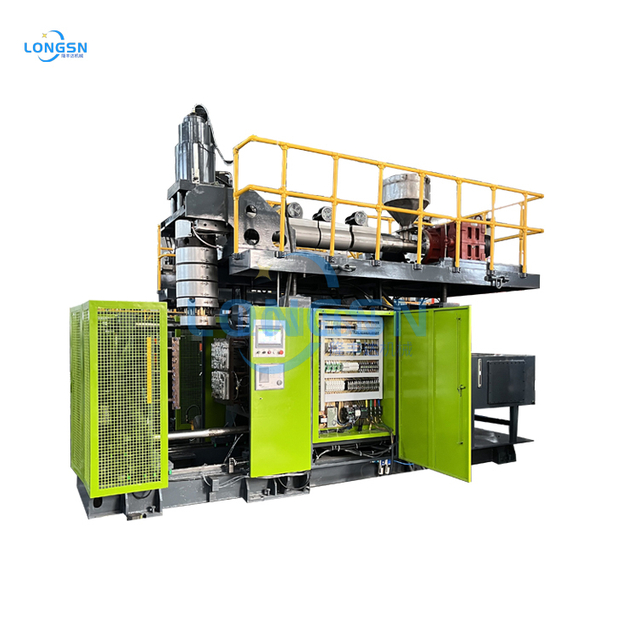
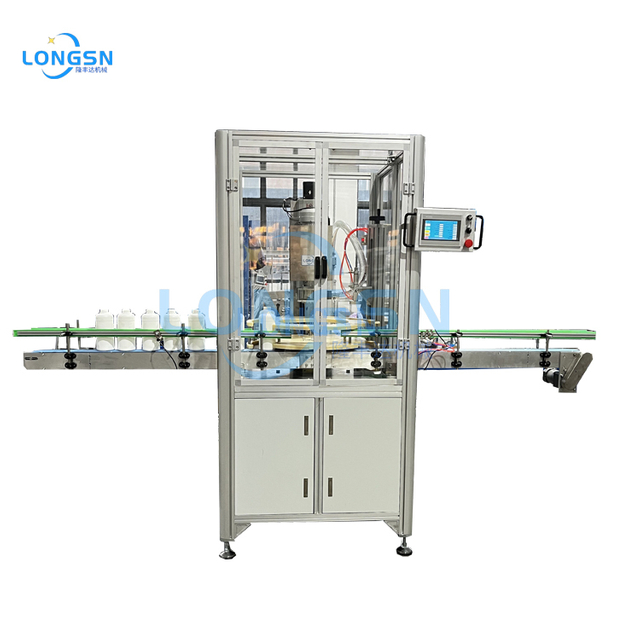
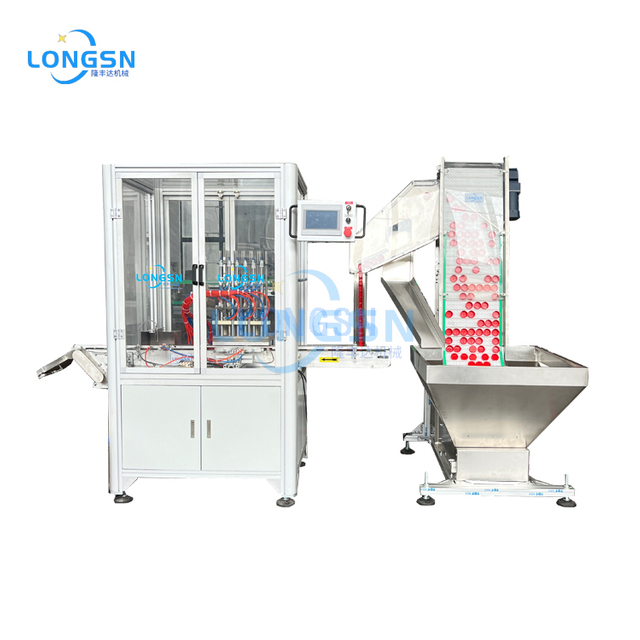
Procuring industrial manufacturing equipment requires balancing upfront capital expenditure against long-term operational efficiency and production yield. Selecting the wrong machine configuration leads to excessive energy consumption, high scrap rates, and production bottlenecks. Conversely, over-specifying results in stranded capital and extended return on investment timelines. You need a clear framework to evaluate hardware before making a commitment. This guide provides a technical and financial evaluation framework for shortlisting equipment. We detail exact cost drivers, essential specifications, and implementation realities to ensure alignment with your production demands. By understanding the core mechanics and material requirements, plant managers can avoid costly deployment delays. We focus on matching the right technology to specific polymer types and container geometries.
- Cost Variance is Configuration-Dependent: Machine investments range from basic semi-automatic units to fully automated, multi-layer industrial systems; long-term operational expenses are heavily dictated by energy efficiency and cycle times.
- Process Dictates Hardware: The choice between Extrusion, Injection, and Stretch blow moulding must be driven strictly by the polymer type, required tolerances, and final product geometry.
- Critical Specs Drive Yield: Clamping force, parison programming capabilities, and extruder output directly determine maximum production speed and part quality consistency.
- Hidden Implementation Risks: Facility infrastructure (power, cooling water, compressed air) and operator expertise are frequently underestimated factors that can delay deployment and inflate initial costs.
The Business Case: Defining Success Criteria for Blow Moulding
Establishing baseline production requirements before evaluating machine vendors prevents hardware mismatches. Plant managers must define exact operational parameters. A thorough analysis of production goals ensures the selected equipment aligns with current output needs and future scalability. You must map out your exact product specifications before looking at vendor catalogs.
Production Volume and Cycle Time Targets
Calculating required hourly output versus machine cavitation and cooling time limitations forms the foundation of equipment sizing. High-volume production demands multi-cavity molds and rapid cooling systems to minimize dry cycle times. Engineers must evaluate the mechanical speed of the machine. You need to ensure the plasticizing capacity can keep pace with the desired output rate without compromising part quality. If the extruder lags behind the mold cycle, you will experience material starvation and inconsistent wall thickness.
Cycle time optimization requires a deep understanding of polymer thermodynamics. Cooling time often dictates the overall cycle speed. Thicker container walls require exponentially longer cooling periods. You must design mold cooling channels that maximize heat transfer. Baffle and bubbler systems inside the mold core help extract heat rapidly. We always recommend running thermal simulation software during the mold design phase to identify potential hot spots.
Material Compatibility and Processing Dynamics
The specific thermoplastic polymers required for the product dictate the extruder screw design and heating profiles. Common materials include High-Density Polyethylene (HDPE), Polyethylene Terephthalate (PET), Polypropylene (PP), and Polyvinyl Chloride (PVC). Each polymer possesses a unique melt flow index (MFI) and thermal stability. You need precise temperature control to prevent degradation. PVC, for example, is highly heat-sensitive and requires specialized low-shear screw designs to prevent burning.
Integrating Post-Consumer Recycled (PCR) and regrind plastics introduces additional complexity. Evaluating a machine's capability to process blended materials without degrading product structural integrity is essential for sustainable manufacturing operations. Specialized screw geometries and advanced filtration systems handle impurities and maintain consistent melt homogenization. Screen changers must be robust enough to filter out un-melted particles without causing excessive pressure drops in the extrusion head.
| Polymer Type | Typical Applications | Processing Characteristics | Screw Design Requirements |
| HDPE | Milk jugs, detergent bottles, industrial drums | Excellent moisture barrier, easy to extrude | Standard barrier flight screw |
| PET | Water bottles, carbonated soft drinks | High clarity, excellent gas barrier | Low shear, high mixing capacity |
| PP | Hot-fill containers, medical packaging | High melting point, good chemical resistance | High compression ratio |
| PVC | Cosmetic containers, chemical bottles | Heat sensitive, prone to degradation | Low compression, chrome-plated |
Product Complexity, Size, and Geometry
Physical parameters dictate the overall machine size and clamping force requirements. Container volumes range from small 10ml medical vials up to massive industrial water tanks. The equipment must accommodate the specific mold dimensions and provide sufficient daylight opening for part ejection. If the daylight opening is too small, automated part removal becomes impossible, forcing manual intervention and slowing down the entire line.
Layer configuration further complicates machine selection. Products may require single-layer construction or multi-layer co-extrusion to provide oxygen and UV barriers. Specialized structural features, such as view stripes, integrated handles, or internal inserts, demand advanced parison control and precise mold actuation mechanisms. Asymmetrical handles require complex pinch-off designs in the mold to ensure a clean weld line without weak points.
Core Blow Moulding Machine Technologies and Operations
Understanding the fundamental mechanics of different processes helps you select the right hardware. While the basic principles are similar, the specific methods of forming the initial plastic shape vary significantly. You must match the technology to the container's functional requirements.
The Universal Working Principle
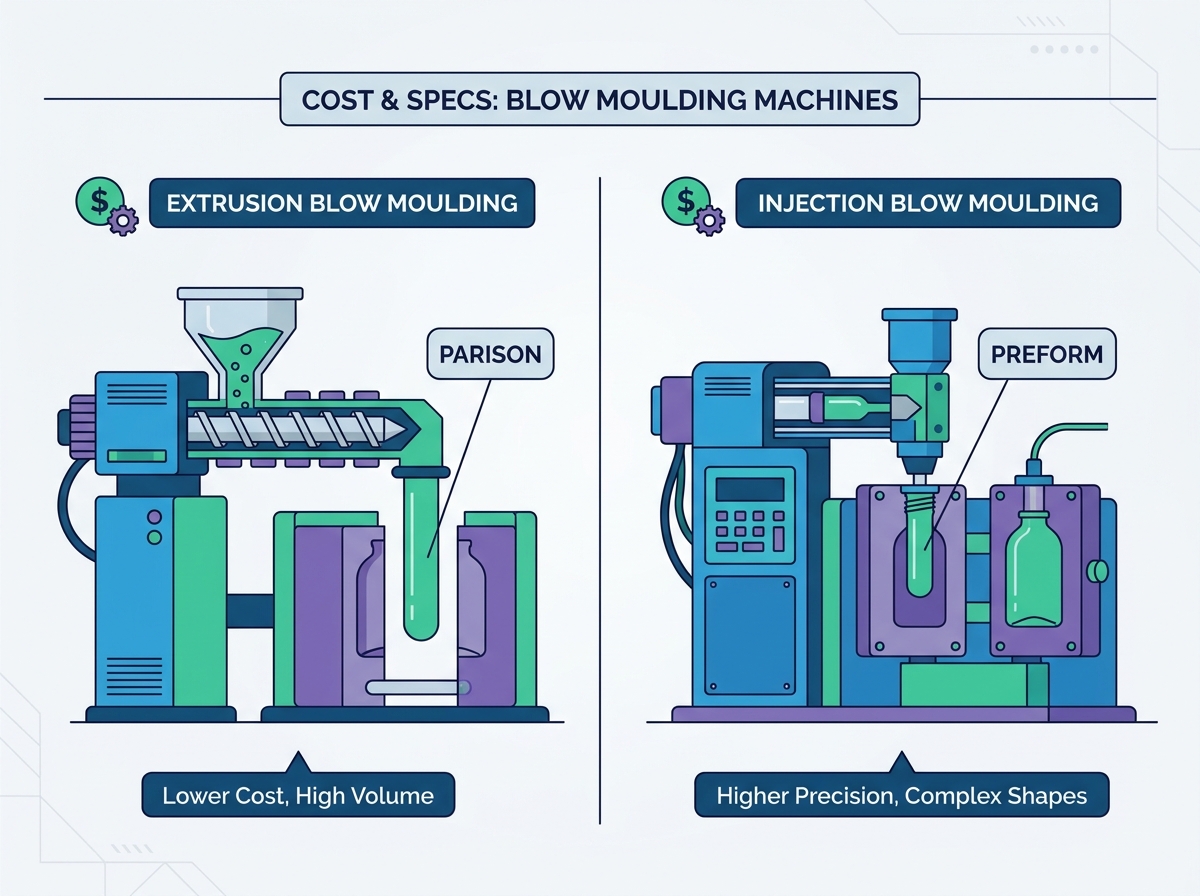
The operation follows a sequential process starting with melting and plasticizing the polymer inside the extruder. The molten plastic forms into a hollow tube called a parison or an injection-molded preform. The mold clamps around this shape, sealing the ends. High-pressure compressed air inflates the material, forcing it against the water-cooled mold surface. Finally, the part cools, pressure exhausts, the mold separates, and the finished container is ejected.
Extrusion Blow Moulding (EBM)
Extrusion blow moulding involves extruding a hollow tube of plastic and capturing it in a cooled mold. Systems utilize either continuous extrusion for steady production of smaller containers or accumulator head technology for large, heavy-walled parts like industrial drums and automotive panels. Accumulator heads prevent parison sag by storing molten plastic and pushing it out rapidly. If you try to extrude a 50-pound parison continuously, gravity will stretch and thin the top section before the mold can close.
This process handles high-volume production of hollow containers such as bottles, jerrycans, and open-top barrels. It typically generates higher scrap rates due to flash and pinch-off waste. You will need integrated scrap recycling systems or secondary trimming operations. Granulators must be placed near the machine to immediately grind the flash and feed it back into the hopper at a controlled ratio.
Injection Blow Moulding (IBM)
Injection blow moulding begins by injecting polymer onto a core pin to form a highly precise preform with an exact neck finish. This preform transfers to a blow station for final shaping. This method eliminates pinch-off scrap and produces containers with exceptional dimensional accuracy. The neck finish is fully formed in the first stage, ensuring perfect seals for threaded caps.
IBM fits small, high-precision containers used in the medical, cosmetics, and pharmaceutical industries. The trade-offs include higher tooling investments and limitations regarding container volume and mold cavitation compared to high-speed extrusion lines. You cannot easily scale IBM to produce containers larger than one liter due to the massive clamping force required for the injection stage.
Injection Stretch Blow Moulding (ISBM)
Injection stretch blow moulding involves stretching the preform longitudinally with a stretch rod before blowing. This action aligns the polymer molecules biaxially, significantly enhancing the physical properties of the final product. The process requires highly controlled thermal conditioning to ensure uniform stretching. If the preform is too cold, it will tear; if it is too hot, the material will distribute unevenly.
ISBM serves as the standard for manufacturing PET bottles requiring high clarity, drop strength, and gas barrier properties. The equipment demands complex setup procedures. Operators must fine-tune the heating lamps in the conditioning oven to create a precise temperature profile along the length of the preform.
| Technology | Mechanism | Best Application | Key Trade-offs |
| EBM | Extrudes a parison captured by a mold. | Bottles, jerrycans, industrial drums. | Higher scrap rates requiring trimming. |
| IBM | Injects a precise preform, then blows. | Medical vials, cosmetics, pharma bottles. | Higher tooling costs, limited volume. |
| ISBM | Stretches preform biaxially before blowing. | PET beverage bottles, high-clarity containers. | Complex thermal control, higher initial investment. |
Analyzing Blow Moulding Machine Cost Drivers
Evaluating the financial investment requires looking beyond the initial sticker price. A comprehensive Blow Moulding Machine evaluation must account for capital expenditure, customization requirements, and long-term operational expenses. You must calculate the impact of utility consumption and maintenance downtime.
Capital Expenditure (CapEx) Spectrum
Equipment investments span a wide spectrum based on capability. Entry-level systems typically consist of semi-automatic, single-station machines suitable for low-volume production or emerging markets. Mid-tier solutions offer standard automatic operations with basic parison control and reliable output rates. Industrial enterprise systems represent the highest investment, featuring fully automated, multi-station, multi-layer co-extrusion capabilities with integrated deflashing, leak testing, and high-speed conveyors.
The True Cost of Layering
Adding multi-layer capabilities exponentially increases machine complexity. Co-extrusion systems can produce containers with up to six layers to provide oxygen, moisture, and chemical barriers. This requires multiple independent extruders, specialized die heads, and advanced control systems to manage the precise distribution of different polymers. You must maintain strict temperature separation in the die head to prevent the different polymer layers from mixing or degrading before they exit the tooling.
Customization and Configuration Add-ons
Specific production requirements often necessitate custom configurations. Features like servo-driven hydraulics, in-mold labeling (IML) integration, auto-deflashing units, and automated leak testing enhance production efficiency. Plant managers must weigh the productivity gains of these features against their initial financial impact. In-mold labeling eliminates the need for downstream labeling machines, saving floor space and reducing secondary handling errors.
Operational Expenditure (OpEx)
Long-term operational costs heavily influence the viability of the manufacturing process. Energy consumption from heating zones and pneumatic blowing systems represents a major ongoing expense. Maintenance budgets must account for mold wear, routine servicing, and replacement parts. You must evaluate the financial impact of scrap and waste management, comparing the labor costs of manual deflashing against the efficiency of integrated, closed-loop scrap recycling systems. Compressed air leaks alone can drain thousands of dollars annually if pneumatic cylinders and valves are not properly maintained.
Critical Specifications for Technical Evaluation
Engineers and plant managers must scrutinize vendor specification sheets to ensure the hardware meets production demands. Analyzing specific technical metrics prevents costly mismatches between machine capabilities and product requirements. Do not rely solely on vendor marketing materials; demand actual performance data.
Clamping Force and Mold Dimensions
Sizing the machine's tonnage to the projected mold size and internal blowing pressure is non-negotiable. Insufficient clamping force leads to mold separation, wall thickness variance, and excessive flash. Engineers must calculate the required tonnage based on the projected surface area of the part and the blowing pressure. Evaluating daylight opening, tie-bar spacing, and mold thickness ranges ensures the machine can physically accommodate the required tooling. If the tie-bar spacing is too narrow, you will not be able to load the mold into the machine.
Extruder Capacity and Screw Diameter
The plasticizing capacity must match the required shot size and cycle time. If the extruder cannot melt material fast enough, it causes extrusion starvation, uneven melting, or material degradation. Evaluating the length-to-diameter (L/D) ratio of the screw ensures optimal melt homogenization for the specific polymer being processed. A higher L/D ratio provides more residence time for the plastic to melt evenly, which is critical for processing regrind materials.
Parison Control Systems
Modern parison programming optimizes wall thickness and material distribution. Systems featuring 100-point to 300-point radial and axial control prevent thinning at critical stretch points like corners and curves. This technology optimizes material usage, reduces part weight, and maintains structural integrity. By profiling the parison, you can push more plastic into the handle area of a jug while thinning out the side walls, saving significant material weight per part.
Heating and Energy-Saving Technologies
Thermal management systems significantly impact energy consumption. Upgrading from traditional ceramic resistance bands to induction heating provides faster response times and better energy efficiency. Implementing barrel insulation blankets prevents heat loss, further reducing the electrical load required to maintain optimal melt temperatures. Solid-state relays offer more precise temperature control compared to traditional mechanical contactors, preventing temperature overshoots that can degrade sensitive polymers.
Drive Systems (Hydraulic vs. All-Electric vs. Hybrid)
The choice of drive system dictates operational efficiency, precision, and maintenance requirements. Hydraulic systems provide high force capabilities but consume more energy and carry the risk of oil contamination. All-electric machines offer high precision, lower energy consumption, and cleaner operation, making them ideal for cleanroom environments. Hybrid systems combine the high clamping forces of hydraulic cylinders with the precision and efficiency of electric servo motors for plasticizing and movement.
12-Point Procurement Checklist for Choosing Equipment
Utilize this technical checklist to systematically evaluate equipment vendors and ensure all production requirements are met before finalizing procurement.
- Product Compatibility: Verify the machine supports the target product volume range and physical dimensions.
- Layer Requirement: Confirm the system supports single, triple, or multi-layer co-extrusion as dictated by barrier requirements.
- Material Processing Flexibility: Ensure the screw and barrel assembly can handle specific polymers without degrading the material.
- Clamping Force Verification: Validate that the clamping tonnage is calculated and tested for the highest anticipated blowing pressure.
- Output Capabilities: Check that the machine configuration supports the required mold cavitation to hit hourly production targets.
- Energy Efficiency Rating: Evaluate the average power consumption and confirm the utilization of energy-saving servo-driven systems.
- Parison Control Precision: Confirm the system features a high-resolution parison programmer for optimal wall thickness and weight distribution.
- Dry Cycle Time: Assess the minimum mechanical dry cycle time of the machine without blowing to understand maximum theoretical output.
- Automation Integration: Determine if automatic flash trimming, neck-finishing, and leak testing are integrated or must be sourced separately.
- Cooling System Design: Verify that mold cooling channels and machine heat exchangers are designed to support fast cooling cycles.
Conclusion
Selecting the correct manufacturing equipment requires rigorous technical evaluation and clear production goals. You must align your hardware choices with your specific polymer requirements and container designs. Follow these next steps to advance your procurement process:
- Audit your current production volumes and define exact cycle time targets for the next five years.
- Calculate the required clamping force and extruder capacity based on your heaviest and largest container designs.
- Request physical material trials from shortlisted vendors using your specific polymer blends and regrind ratios.
- Evaluate the facility infrastructure to ensure adequate power, chilled water, and compressed air capacities are available.
FAQ
Q: What determines the required clamping force for a machine?
A: Clamping force is determined by calculating the projected surface area of the final product and multiplying it by the internal blowing pressure. Sufficient tonnage keeps the mold halves completely sealed during inflation, preventing flash and ensuring uniform wall thickness.
Q: Can a single machine process multiple types of plastics?
A: While machines can process different polymers, the extruder screw design is often optimized for specific melt flow indexes and thermal properties. Switching between vastly different materials like PVC and PET typically requires changing the screw and barrel assembly to prevent material degradation.
Q: What is the advantage of an accumulator head system?
A: Accumulator head systems store molten plastic and extrude it rapidly to form a large parison. This prevents the heavy plastic tube from sagging under its own weight before the mold closes, making it essential for manufacturing large industrial containers and automotive parts.
Q: How does parison programming save material costs?
A: Parison programming actively adjusts the thickness of the extruded plastic tube as it drops. By thickening the plastic only where the part will stretch the most and thinning it in straight sections, manufacturers achieve uniform wall thickness while minimizing overall plastic weight.
Q: Why choose an all-electric machine over a hydraulic one?
A: All-electric machines utilize servo motors for movement, offering high precision, reduced energy consumption, and quieter operation. They eliminate hydraulic oil, making them the preferred choice for cleanroom, medical, and food-grade manufacturing environments where contamination risks must be avoided.

 English