Investing in capital manufacturing equipment carries massive stakes for any business. Choosing the wrong system quickly leads to unacceptable scrap rates. It causes massive energy waste and creates severe production bottlenecks. The impact on your operational bottom line can be devastating. Many buyers get easily lost in glossy vendor catalogs. They often fail to map equipment specifications directly to their exact production realities. You need a strict, engineering-led evaluation framework to succeed. This specific approach aligns machine capabilities with your daily operational and financial targets. We will move far beyond basic definitions in this comprehensive guide. You will discover how to thoroughly evaluate your baseline production metrics. We will compare core technologies to help you select the right fit. Finally, we will reveal hidden ancillary costs and show you how to vet manufacturers rigorously.
Key Takeaways
- Machine selection must be dictated by your specific output requirements (Bottles Per Hour - BPH), material (PET, HDPE, PP), and bottle complexity.
- Two-stage machines excel in high-volume, standard-shape production, while single-stage machines are superior for cosmetic quality and specialized geometries.
- Total Cost of Ownership (TCO) extends far beyond the sticker price; energy consumption, changeover downtime, and ancillary equipment (compressors, chillers) account for the bulk of operational costs.
- Vetting vendor trustworthiness requires strict Factory Acceptance Testing (FAT) protocols and guaranteed spare parts availability, not just marketing claims.
Assessing Your Production Baseline and Success Criteria
Define your exact production parameters before reviewing machine catalogs. Rushing into a purchase causes severe operational headaches. Establish a strict baseline first. When sourcing a plastic bottle blow molding machine, you must evaluate several distinct variables.
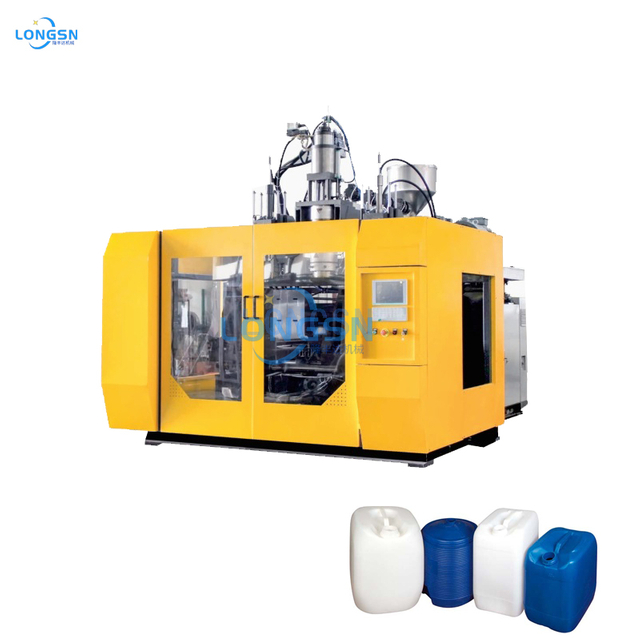
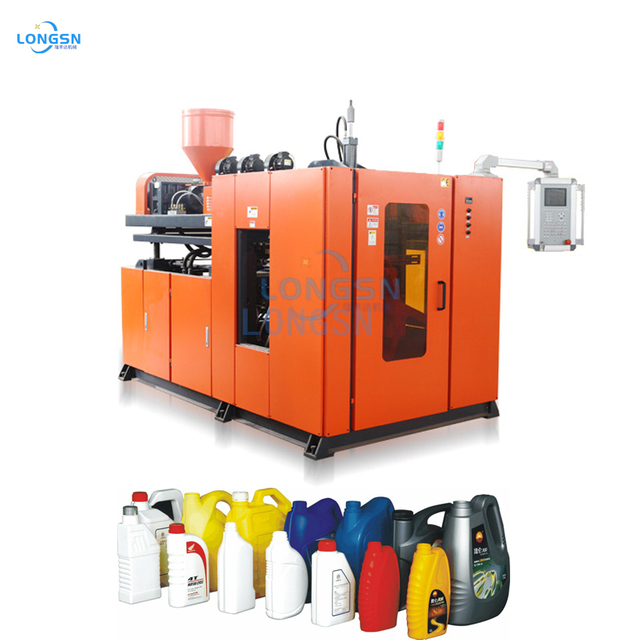
Material Selection: Differentiate your material needs early in the process. PET requires stretch blow molding to orient the polymer chains. This process provides excellent clarity and high tensile strength. Conversely, HDPE and PP rely on extrusion blow molding. You use these materials for opaque, highly durable containers like milk jugs or heavy detergent bottles.
Volume vs. Flexibility: Calculate your target Bottles Per Hour (BPH) carefully. You must balance this output against your mold changeover frequency. High-mix, low-volume facilities need rapid tool changes. Every minute spent swapping molds destroys your daily profitability. Low-mix, high-volume plants prioritize continuous, uninterrupted speed above all else.
Product Specifications: Factor in specific neck sizes and individual bottle weights. Geometric complexity matters immensely during equipment selection. Asymmetrical shapes demand highly specialized machinery. Integrated handles require distinct extrusion techniques. A standard beverage bottle needs entirely different equipment than a custom cosmetic container. Always map your exact physical product to the machine capabilities.

Comparing Plastic Bottle Blow Molding Machine Technologies: Single-Stage vs. Two-Stage
You must choose the right fundamental technology for your facility. Let us compare single-stage and two-stage production systems.
Single-Stage (Injection Stretch Blow Molding)
Mechanism: This system melts the raw resin first inside an injection barrel. It shoots the hot plastic into a preform cavity. Without cooling down completely, the machine transfers this hot plastic directly into the blow mold. It stretches and blows the final bottle in one continuous cycle.
Best for: Use this technology for cosmetic bottles and strict pharmaceuticals. It excels at producing highly custom shapes. Preventing preform scratching remains critical in these premium applications. A single continuous process eliminates external handling damage.
Trade-offs: You will face significantly higher initial tooling costs. The injection molds require precise engineering. Output rates generally fall below two-stage alternatives. Cycle times depend heavily on the initial resin melting phase.
Two-Stage (Reheat Stretch Blow Molding)
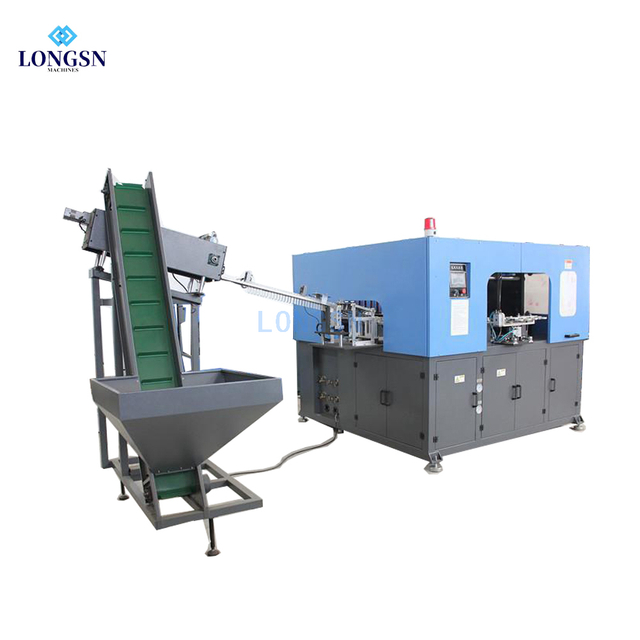
Mechanism: This method uses pre-manufactured preforms. You load these cold plastic tubes into a hopper. The machine feeds them through an intense heating oven. Infrared lamps soften the plastic precisely. The system then stretches and blows the bottle inside the final mold.
Best for: Choose this process for high-speed beverage production. It dominates the bottled water and carbonated soft drink (CSD) markets. Standard packaging relies heavily on this incredibly fast process.
Trade-offs: You need a separate preform supply chain. Alternatively, you must buy separate injection molding equipment. You have less direct control over the preform creation process. Supply chain delays can halt your entire blowing operation.
Comparison of Blow Molding Technologies
| Feature | Single-Stage | Two-Stage |
| Mechanism | Continuous melt, inject, and blow | Reheat cold, pre-made preforms |
| Best Applications | Cosmetics, pharma, custom shapes | Water, CSD, high-volume beverages |
| Tooling Cost | Generally higher and more complex | Generally lower for the blow mold |
| Production Speed | Moderate BPH output | Extremely high BPH output |
| Preform Handling | Scratch-free internal transfer process | Requires external bulk supply handling |
5 Core Evaluation Criteria for Shortlisting Equipment
Use this strict engineering framework to narrow down your vendor options. Do not rely on marketing claims. Evaluate these five core technical pillars rigorously.
Output Capacity and Cavitation
Match the number of mold cavities directly to your desired BPH. A four-cavity mold producing 1,500 bottles per cavity yields 6,000 BPH. Compare this mathematically to an eight-cavity system running slower. Assess the reality of stated machine speeds constantly. Vendors often quote maximum theoretical speeds. You must determine the continuous operational speed instead. A machine running at maximum capacity constantly will wear out much faster. Aim for a comfortable operational buffer to prevent premature mechanical failures.
Energy Efficiency and Resource Consumption
Evaluate servo-motor adoption over traditional pneumatic systems. Servo-driven toggles offer incredibly precise movement control. They significantly reduce overall power consumption. Pneumatic systems exhaust expensive compressed air directly into the atmosphere. Examine the heating oven efficiency closely. Look for optimized infrared lamp configurations. These distribute heat evenly across the preform. High-pressure air recovery systems are also absolutely vital. They capture and reuse exhaust blowing air. This feature drastically lowers your ongoing utility bills.
Changeover Speeds and Usability
Production agility relies entirely on quick changeovers. Assess quick-change mold mechanisms during your evaluation. Toolless adjustments save hours of operational downtime. Look for standardized manifold connections. Quick-release water and air lines speed up the process. Review the HMI (Human-Machine Interface) carefully. Usability directly impacts your operator efficiency. Recipe storage allows for repeatable, error-free setups. Operators should load saved parameters instantly via the touchscreen. This prevents costly manual entry mistakes during shift changes.
Automation and Labor Requirements
Labor shortages continue to plague the manufacturing sector. Automation bridges this widening gap effectively. Evaluate integration capabilities with downstream equipment. Your machine must communicate flawlessly with filling, labeling, and packaging lines. Look for integrated auto-loaders for your preforms. Automated defect-rejection systems catch structural flaws immediately. Cameras scan neck finishes and bottle bases in milliseconds. These features reduce manual inspection requirements completely. They ensure consistent product quality across every batch.
Machine Footprint and Facility Requirements
Consider physical space limitations carefully before purchasing. Measure your available factory floor space accurately. Check the ceiling height for top-loading mechanisms. Extrusion systems often require significant vertical clearance for their accumulators. Verify your factory floor load-bearing capacity. These industrial machines are incredibly heavy. Facility modifications add massive, unexpected expenses to your project. Ensure your current layout accommodates maintenance access panels. Technicians need room to safely pull molds and replace servo drives.
The Hidden Costs: Required Ancillary Equipment
You are not just buying a single machine. You are building a complete, interconnected production cell. Ancillary equipment drives a massive portion of your initial CapEx. It also dictates your ongoing OpEx heavily. Never ignore these secondary systems.
- High-Pressure Air Compressors: These are absolute essentials for PET blowing. You often need 30 to 40 bar of pressure. This force pushes the material into tight mold corners. Compressors represent a major factor in ongoing electrical costs.
- Industrial Chillers: You require robust industrial chillers for mold cooling. Hot plastic must cool rapidly to retain its structural shape. Proper cooling maintains extremely fast cycle times. It prevents bottle deformation upon ejection.
- Air Dryers and Filters: Moisture ruins plastic packaging products. Dryers prevent water and oil from contaminating the blowing process. Clean, dry air guarantees final product integrity and clarity.
- Mold Tooling Costs: Factor in the price of the aluminum or steel molds themselves. Consider their expected production lifespan. Budget carefully for routine tooling maintenance and eventual replacement cycles.
How to Vet Manufacturers and Mitigate Adoption Risks
Never blindly trust glossy vendor brochures or sales promises. Vet your shortlisted manufacturers rigorously. Use these specific protocols to protect your capital investment.
Factory Acceptance Testing (FAT)
Insist on a highly documented FAT protocol. Run this critical test using your specific production molds. Provide your actual raw resin or preforms. Run the machine continuously for at least eight hours. Do this before releasing the final payment. Do it before the equipment ships from their facility. Document every single stoppage or rejected bottle meticulously. This proves the equipment works exactly as promised under realistic conditions.
Service Level Agreements (SLAs) and Support
Evaluate the geographic availability of qualified field technicians. Equipment breakdowns halt your production instantly. You need guaranteed, fast response times to survive. Review the written SLAs carefully. Ensure you understand their emergency support procedures. Clarify remote diagnostic capabilities. Many modern machines allow engineers to troubleshoot software issues remotely via secure connections.
Spare Parts Availability
Avoid machines using proprietary, non-standard mechanical components. Prefer equipment utilizing globally sourced, off-the-shelf parts. Look for industry-standard PLCs and pneumatics. Brands like Siemens, Allen-Bradley, or Festo ensure easy replacements globally. Local sourcing prevents massive downtime during unexpected breakdowns. You should never wait weeks for a basic sensor to ship internationally.
Compliance and Safety
Verify all regional safety standard certifications thoroughly. Look for CE, UL, or CSA marks depending on your region. Review the physical machine guarding protocols. Assess the emergency stop loop architecture. Operator safety must remain your absolute top priority. Non-compliant machinery invites steep regulatory fines. It also creates dangerous working conditions for your staff.
Conclusion
Finding the best equipment remains a complex engineering equation. You must balance your initial CapEx, ongoing OpEx, and required output quality carefully. There is no single perfect machine on the market. There is only the right machine for your specific facility and product line. First, audit your current facility infrastructure immediately. Check your available electrical power and high-pressure air capacity. Next, request customized OEE (Overall Equipment Effectiveness) projections. Get these detailed estimates from two or three shortlisted vendors. Compare them strictly against your established baseline requirements. This disciplined, data-driven approach guarantees a highly profitable equipment investment. It ensures long-term operational success for your manufacturing floor.
FAQ
Q: What is the typical lead time for a custom plastic bottle blow molding machine?
A: Supply chain realities heavily impact delivery schedules. Standard machines often ship within three months. Highly customized equipment typically requires four to six months. Tooling design, rigorous testing, and complex automation integrations extend this timeline. Always confirm delivery dates in your final contract.
Q: Can one machine blow both PET and HDPE bottles?
A: No, they require completely different fundamental technologies. PET relies on stretch blow molding to orient the polymer chains. HDPE utilizes extrusion blow molding. You cannot process both materials on a single machine platform due to these strict mechanical constraints.
Q: What is the average lifespan of commercial blow molding equipment?
A: Commercial blow molding machines typically last 10 to 15 years. Premium brands can exceed 20 years of active service. Achieving this longevity requires strict adherence to preventative maintenance schedules. Routine lubrication, seal replacements, and software updates are absolutely mandatory.
Q: How do I calculate the ROI of upgrading to an all-electric blow molding machine?
A: Compare the electrical consumption of your current pneumatic system against the quoted servo-driven model. Factor in the drastic reduction of high-pressure air usage. Include the financial value of lowered scrap rates. The energy savings usually offset the higher initial CapEx within two years.

 English