Choosing the wrong manufacturing process for plastic packaging directly impacts unit economics. It can severely delay market-readiness timelines and inflate tooling amortization. Manufacturers often face this critical crossroads early in product development. While both core processes handle thermoplastic polymers effectively, they do not serve the same purpose. Their internal mechanics, capital expenditure requirements, and ideal use cases remain fundamentally different. Procurement and engineering teams must understand these distinctions before committing to machinery or tooling. This guide comprehensively evaluates the technical capabilities of both methods. We will analyze capital models, structural outputs, and specific best-use cases to highlight their respective strengths. You will learn exactly how to align your packaging needs with the right technology. Ultimately, you can confidently make an evidence-based production decision for your facility.
Key Takeaways
- Blow molding is the industry standard for creating hollow, thin-walled containers (e.g., water bottles, milk jugs) at high speeds with lower tooling costs.
- Injection molding is strictly required for solid, high-precision components (e.g., bottle caps, threaded necks, and preforms).
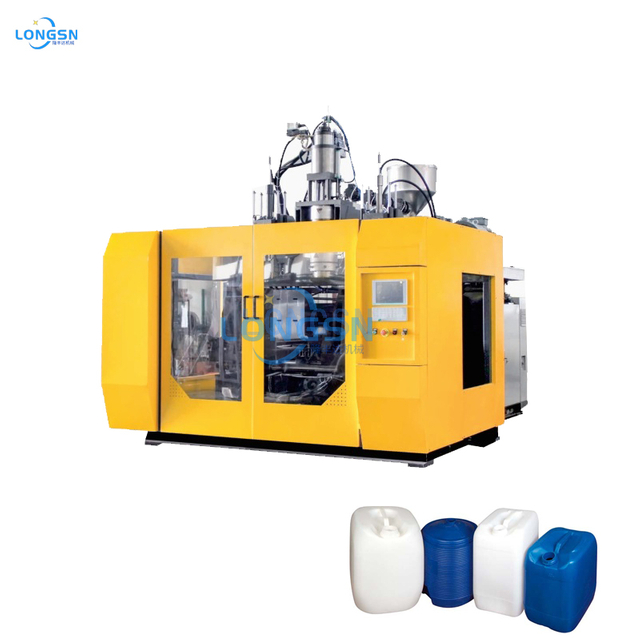
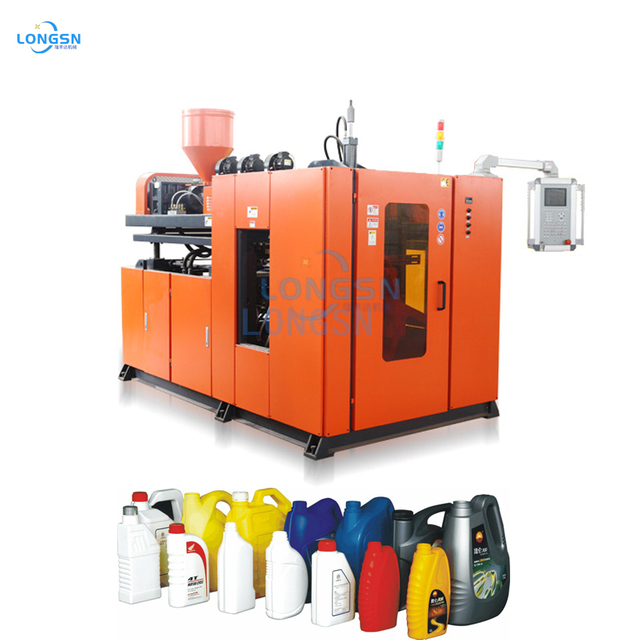
- Procuring a dedicated plastic bottle blow molding machine is the most cost-effective route for scaling hollow container production, whereas injection molding is reserved for complementary closures.
- Many modern bottle manufacturing lines use a hybrid approach (Injection Stretch Blow Molding - ISBM) to combine the precision of injection with the volumetric capacity of blow molding.
Understanding the Core Manufacturing Differences
The Mechanics of Blow Molding
The blow molding process transforms raw polymer into hollow structures. The machine first melts the plastic. It then extrudes this heated material into a hollow tube. Industry professionals call this tube a parison. The equipment drops the parison between two halves of an open metal mold. The mold clamps shut tightly around the plastic. Next, a blow pin enters the top of the parison. It injects compressed air into the center of the soft tube. The air forces the material outward rapidly. The plastic expands and presses against the cold mold cavity walls. The material cools instantly upon contact. Finally, the mold opens to eject the finished part. This method exclusively produces hollow, single-piece geometries.
The Mechanics of Injection Molding
Injection molding takes a entirely different approach to shaping plastic. The machine feeds raw plastic pellets into a heated barrel. A rotating screw melts and mixes the material thoroughly. The system then injects this molten plastic under immense pressure. It forces the liquid into a closed, solid steel mold cavity. The mold remains firmly clamped shut during this phase. The plastic fills every intricate detail of the cavity. Cold water circulates through channels in the mold to freeze the plastic quickly. Once solid, the machine opens the mold and pushes the part out. This process creates solid, thick-walled parts. It delivers exacting dimensional tolerances. You will not find internal voids in these finished pieces.
Head-to-Head Evaluation Criteria
Tooling Costs & CAPEX
Blow molding operates under significantly lower internal pressures. This allows manufacturers to use less expensive aluminum molds. Aluminum is much softer and easier to machine than steel. You achieve a much faster return on investment as a result. This cost efficiency works perfectly for testing custom bottle shapes. It lowers the barrier to entry for new packaging designs.
Conversely, injection molding requires extreme internal clamping forces. Manufacturers must use hardened steel molds to withstand these pressures over time. Machining hardened steel demands highly specialized equipment and labor. This leads to a high initial capital expenditure. You can only justify this major upfront expense through massive production volumes.
Wall Thickness & Dimensional Tolerance
Blow molded items exhibit natural variance in wall thickness. The plastic stretches outward unevenly based on the container geometry. Corners and wide sections often become thinner than straight walls. The process cannot guarantee tight internal tolerances. However, the exterior surface perfectly conforms to the mold cavity.
Injection molding provides uniform wall thickness throughout the part. The process forces plastic into a defined space between a core and a cavity. This ensures highly precise dimensions on all sides. You can create intricate detailing easily. This precision proves crucial for features like leak-proof threading on bottle caps.
Production Speed & Yield
Continuous extrusion blow molding ensures rapid cycle times. The machine extrudes the parison without stopping. You can produce large-volume containers very quickly. Rotary blow molding setups can output thousands of bottles per hour. This speed dominates the beverage packaging industry.
Injection molding features slightly longer individual cycle times. The machine must wait for thick sections of plastic to cool completely. However, engineers design these molds with multiple cavities. A single mold might contain 32 or 64 individual part cavities. This multi-cavity approach yields dozens of parts per cycle.
Material Waste & Scrap
The extrusion process inevitably generates excess plastic. We call this excess material "flash." It appears primarily at the pinch-off points at the top and bottom of the bottle. Operators or automated trimmers must remove this flash after cooling. Fortunately, facilities often recycle this material directly in-line. They grind it up and feed it back into the hopper.
Injection molding operates with remarkable material efficiency. Modern systems use runnerless or hot-runner technologies. These systems keep the plastic molten right up to the part entrance. This eliminates the solid plastic channels connecting the parts. As a result, injection molding produces virtually zero scrap.
Quick Reference: Pros & Cons Comparison
Process Comparison Table
| Evaluation Dimension | Blow Molding | Injection Molding |
| Primary Application | Hollow bottles, jugs, tubes | Caps, solid parts, preforms |
| Tooling Cost | Low to Moderate (Aluminum) | Very High (Hardened Steel) |
| Tolerance Precision | Moderate (Exterior focused) | Exceptionally High |
| Scrap Rate | Moderate (Highly Recyclable) | Low (Near zero with hot-runners) |
| Design Capability | Large internal hollow volume | Complex solid internal geometry |
Practical Identification: How to Tell the Difference
You can easily identify how a plastic part was manufactured by inspecting its surface. Engineering teams use these visual cues to reverse-engineer competitor packaging. Follow these two straightforward rules to determine the production method.
- The Gate Mark Indicator: Injection-molded parts always have a small "gate mark." This looks like a tiny dimple or rough spot on the surface. It shows exactly where the liquid plastic entered the mold cavity. You will typically find it at the center point or along a hidden edge of a solid part.
- The Parting Line and Pinch-Off: Blow-molded bottles display a faint parting line running down the side. This marks where the two mold halves met. More importantly, look at the base of the bottle. You will see a distinct "pinch-off" scar across the bottom. This rough line shows where the mold clamped and sealed the parison shut before inflation.
Decision Framework: Which Method is Right for Your Project?
When to Invest in a Plastic Bottle Blow Molding Machine
Purchasing a plastic bottle blow molding machine makes sense for specific production profiles. You should choose this route if you are manufacturing hollow packaging. Typical examples include beverage bottles, heavy-duty detergent jugs, and cosmetic tubes. Your product likely requires a large internal volume. It also needs relatively thin, lightweight walls to reduce shipping costs. Furthermore, this method helps you minimize initial mold costs. You can test a new custom bottle design without risking massive capital on steel tooling.
When to Choose Injection Molding
Injection molding becomes mandatory for different structural requirements. You must use this method when manufacturing bottle caps, lids, or pump dispensers. It is also the only way to produce PET preforms. These preforms look like thick, solid test tubes. Manufacturers later blow them into full-size bottles. Choose injection molding when the part requires complex, high-tolerance threading. This precision ensures an airtight, leak-proof seal for your packaging.
The Hybrid Solution (ISBM)
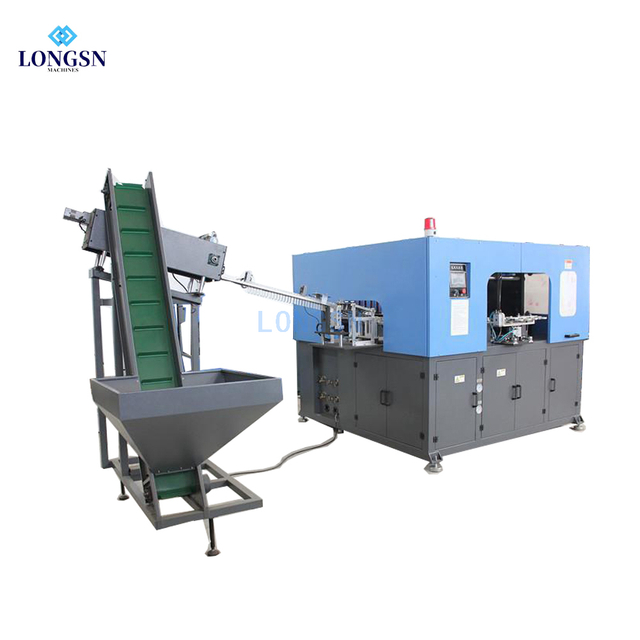
Many modern facilities utilize Injection Stretch Blow Molding (ISBM). This hybrid approach bridges the gap between the two distinct processes. First, the machine injection molds a preform. This step ensures highly precise neck threading. Next, the system reheats this preform. A mechanical rod stretches it lengthwise while high-pressure air blows it outward. The stretching aligns the polymer chains structurally. This greatly improves the strength and barrier properties of the final container. The beverage industry relies heavily on ISBM for producing high-clarity PET water and soda bottles.
Implementation Risks & Buyer Considerations
Procuring new manufacturing equipment requires careful facility planning. You must evaluate several operational risks before signing a purchase order. Pay close attention to your infrastructure and material supply chains.
- Facility Requirements: Evaluate your available floor space carefully. Commercial blow molding equipment requires significant room for operation and maintenance. You must also calculate your compressed air capacity. Blowing plastic demands high-pressure, consistent airflow. Finally, check your cooling water infrastructure. Rapid cooling cycles dictate your overall production speed.
- Material Compatibility: Not all plastics blow mold effectively. High-Density Polyethylene (HDPE), Low-Density Polyethylene (LDPE), and PET serve as ideal candidates. They melt predictably and stretch evenly. However, engineering resins like polycarbonates require highly specific handling. They need precise temperature controls and specialized screw designs.
- Vendor Selection: Choose machinery partners carefully. Look for vendors offering comprehensive integration. They should provide in-line leak testing modules. This prevents defective bottles from reaching your customers. You should also demand automated flash trimming integration. Automating this step reduces labor costs and improves workplace safety.
Conclusion
Choosing between these two manufacturing processes is rarely an "either/or" competition. In reality, they serve complementary roles on the packaging line. Blow molding creates the lightweight, hollow bottle. Injection molding creates the precise, solid cap. You must map the specific geometry and tolerance requirements of your part before sourcing equipment. Hollow designs clearly demand extrusion or stretch blowing. Solid, threaded designs require high-pressure injection. We recommend consulting directly with a tooling engineer early in your design phase. You should also request a comprehensive capacity assessment for your facility to ensure successful implementation.
FAQ
Q: Can you use an injection molding machine to make a hollow bottle?
A: Generally no. Injection molding creates completely solid parts. You cannot produce a hollow bottle directly unless using highly specialized gas-assist techniques. However, you do use injection machines to create preforms. You then transfer these solid preforms to a secondary blowing machine for final inflation.
Q: Which process is more cost-effective for low-volume runs?
A: Blow molding proves much more cost-effective for low-volume production runs. It utilizes aluminum molds instead of hardened steel. Aluminum costs less and machines much faster. This significantly lowers your initial tooling expenses, allowing you to achieve profitability on smaller orders.
Q: What materials are best suited for a plastic bottle blow molding machine?
A: High-Density Polyethylene (HDPE), Polyethylene Terephthalate (PET), and Polypropylene (PP) represent the industry standards. These materials offer excellent durability. They melt cleanly and expand predictably during the blowing phase. Manufacturers rely on them for everything from milk jugs to cosmetic packaging.

 English