Acquiring equipment for packaging manufacturing represents a massive capital expenditure. This investment directly dictates your operational scalability, long-term unit economics, and potential production bottlenecks. You must get this decision right to maintain competitive margins and ensure reliable supply chain independence. Poor equipment selection often leads to production delays and inconsistent packaging quality.
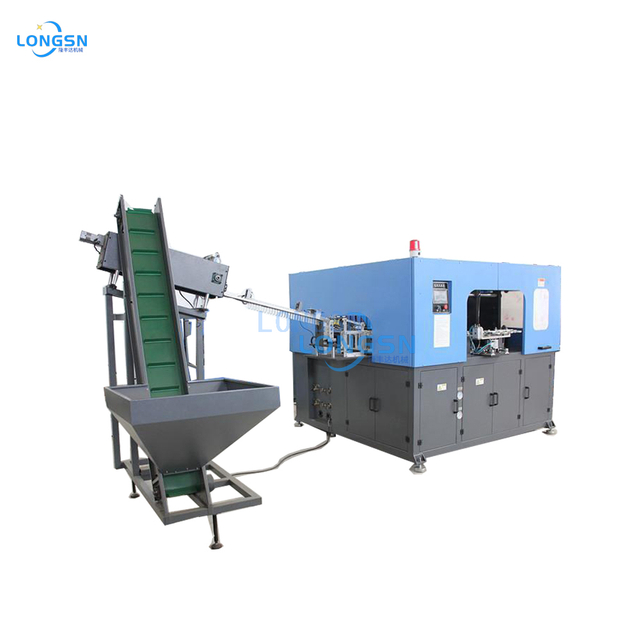
A pet bottle blow molding machine is an advanced manufacturing system designed for container production. It transforms solid polyethylene terephthalate (PET) resin or pre-made preforms into finished, structurally sound containers. The equipment achieves this complex transformation through precisely controlled heat combined with high-pressure air. Modern systems operate at incredible speeds while maintaining micrometer-level precision.
This comprehensive guide moves beyond basic machinery mechanics. We provide a practical commercial evaluation framework tailored for operations directors and procurement teams shortlisting equipment. You will learn exactly how to evaluate, shortlist, and select the ideal production system for your facility. We focus on real-world implementation realities and industry-specific compliance standards.
Key Takeaways
- PET blow molding machines are categorized primarily into single-stage (integrated injection and blowing) and two-stage (separate preform and blowing) systems, each serving distinct production volumes and container types.
- Evaluating a machine requires aligning specific industry requirements (e.g., hot-fill capabilities for beverages, cleanroom compliance for pharma) with machine cavitation and cycle time capabilities.
- Vendor shortlisting should prioritize localized technical support, spare parts availability, and transparent Factory Acceptance Testing (FAT) protocols.
1. The Core Mechanics: How the PET Blow Molding Process Dictates Output
Understanding equipment mechanics helps you make better purchasing decisions. The entire production cycle relies on four distinct thermodynamic and mechanical phases. Flaws in any single phase will compromise your final bottle quality.
- Preform Heating (Conditioning)
- Stretching and Pre-Blowing
- High-Pressure Blowing
- Cooling and Ejection
Preform Heating (Conditioning)
Operators must heat PET preforms to their precise glass transition temperature. This step requires highly advanced infrared (IR) heating systems. Precise thermal profiling ensures uniform material distribution across the entire container body. Heating zones allow operators to adjust temperatures for specific bottle geometries. If heating is inconsistent, the plastic will stretch unevenly. This creates weak spots in the final packaging.
Stretching and Pre-Blowing
Once properly heated, the preform enters the mold cavity. A mechanical stretch rod rapidly extends down into the preform. Low-pressure air simultaneously inflates the soft plastic. This synchronized phase prevents off-center gates at the bottle base. It also stops heavy material pooling at the bottom of the container. Proper mechanical stretching ensures optimal container strength and material orientation.
High-Pressure Blowing
The actual structural forming happens next. High-pressure air forces the stretched plastic outward against chilled mold walls. Compressor sizing for this stage remains a major facility consideration. The air pressure dictates the final shape and transfers all surface details from the mold. Insufficient blow pressure results in poorly defined bottle features and structural weakness.
Cooling and Ejection
The hot plastic must cool instantly upon touching the mold surface. Rapid cooling maintains maximum container clarity. It also locks in the structural integrity of the PET material. Water channels inside the mold tools facilitate this sudden temperature drop. Finally, the machine automatically ejects the finished bottles onto an integrated exit conveyor.

2. Single-Stage vs. Two-Stage Machines: Choosing Your Operational Model
Operations teams must choose between two primary operational frameworks. Your choice depends heavily on your specific product mix, factory space, and volume requirements. Selecting the wrong model will severely limit your production flexibility.
Single-Stage (Injection Stretch Blow Molding - ISBM)
This mechanism melts raw PET resin directly from the hopper. It injects the melted plastic into a preform shape. The machine then transfers it and blows the bottle in one continuous, integrated cycle. The preform never leaves the machine environment.
We highly recommend this configuration for niche, custom, or complex bottle shapes. Cosmetics packaging and pharmaceuticals benefit greatly from ISBM technology. These machines consistently produce completely blemish-free containers. They eliminate preform scratching entirely because bulk transport is unnecessary.
However, you face notable operational trade-offs. Expect significantly higher initial tooling costs for every new mold. Total output volumes remain much lower compared to alternative methods. You also consume a larger floor footprint per single bottle produced.
Two-Stage (Reheat Stretch Blow Molding - RSBM)
This system uses cold, pre-manufactured preforms. You can buy these preforms from external suppliers or make them internally on separate injection machines. The blow molding machine simply reheats and blows these existing preforms into finished bottles.
RSBM works best for high-speed, high-volume commodity production. Bottled water, carbonated soft drinks, and cooking oils rely entirely on this method. It offers massive scalability and lower tooling costs.
The primary trade-offs involve supply chain logistics. You strictly require a reliable preform supply chain to maintain uptime. You might also see minor preform scuffing during bulk transit. Operators must carefully monitor preform quality before loading them into the unscrambler.
Table 1: Single-Stage vs. Two-Stage Equipment Comparison
| Feature | Single-Stage (ISBM) | Two-Stage (RSBM) |
| Process Type | Integrated injection and blowing | Separate reheat and blowing |
| Ideal Applications | Cosmetics, pharma, custom shapes | Water, CSD, commodity beverages |
| Production Volume | Low to Medium | Very High |
| Tooling Complexity | High (Injection + Blow molds) | Lower (Blow molds only) |
| Surface Finish | Blemish-free (no transit scuffing) | Minor scuffing possible |
3. Key Evaluation Dimensions: Framing the Procurement Decision
Procurement teams must evaluate several critical dimensions before signing a purchase order. Relying solely on brochure specifications often leads to disappointing real-world performance.
- Production Capacity & Scalability: Assess machine output logically. Calculate actual capacity based on Cavities per Mold multiplied by Cycle Time. This formula dictates your Bottles Per Hour (BPH). Always factor in planned downtime for mold changes and routine maintenance. Theoretical maximums rarely match daily operational realities.
- Energy and Resource Efficiency: Modern facilities prioritize strict energy reduction. Evaluate air recovery systems carefully during the vendor pitch. Good systems recycle high-pressure blow air. They reuse this captured air for pre-blowing phases or machine pneumatics. You should also analyze IR oven efficiency. Closed-loop heating controls minimize wasted electricity during the preform conditioning phase.
- Versatility & Changeover Times: Many facilities run multiple distinct product SKUs. Look specifically for quick-change mold mechanisms. Tool-less neck handling systems save hours during changeovers. Faster changeover times directly improve your overall machine utilization rates.
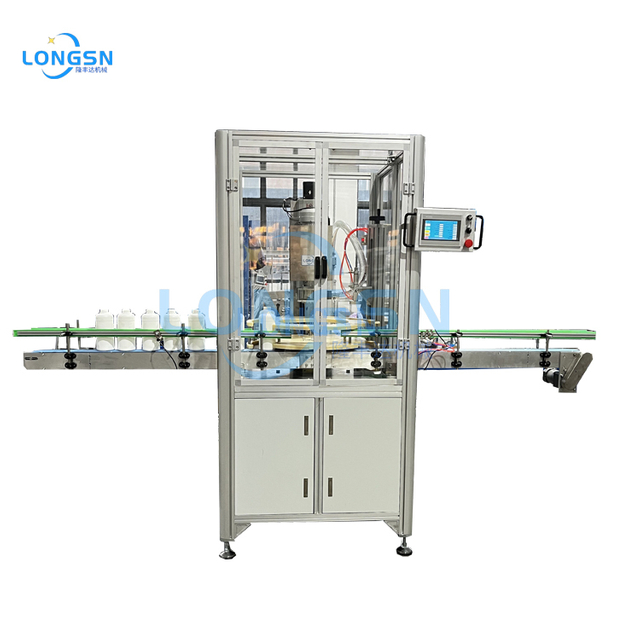
- Automation & Integration (Industry 4.0): Operators need a highly usable Human-Machine Interface (HMI). Automated fault diagnostics drastically reduce troubleshooting time. Consider downstream integration capabilities carefully. Your blow molder must sync flawlessly alongside inline fillers, labelers, and capping machines.
4. Industry-Specific Configurations and Compliance
Different industries demand unique machine configurations. You cannot use a generalized equipment approach for specialized packaging. Regulatory compliance also dictates specific machine features.
Beverage (CSD & Water)
Beverage manufacturers heavily demand lightweighting capabilities. Shaving grams off a water bottle saves millions annually. High-speed rotary configurations dominate this sector due to extreme volume requirements. If your facility produces juices or teas, you absolutely need hot-fill capabilities. Hot-fill heat-setting processes crystallize the PET structure. This prevents the bottles from shrinking or deforming during high-temperature liquid filling.
Food & Edible Oils
Food packaging requires machinery capable of handling wide-mouth jars. Edible oils often need thick-walled containers to prevent oxidation. You must ensure all pneumatic components meet strict FDA guidelines. Food-grade lubricants are absolutely non-negotiable inside the mechanical cabinet. The gripping mechanisms must also handle heavier preforms without slipping or misalignment.
Cosmetics & Pharmaceuticals
These regulated sectors demand ultimate precision over wall-thickness controls. Cleanroom compatibility stands as a primary operational requirement. Machines must feature enclosed blowing zones to prevent particulate contamination. Many pharmaceutical buyers also require broad processing versatility. Your selected machine might need to process advanced PETG materials or recycled PET (rPET) interchangeably.
5. Implementation Realities and Risks
A successful equipment launch requires extensive facility planning. Buyers frequently overlook critical implementation realities. Preparing your factory environment properly prevents delayed commissioning schedules.
Infrastructure Requirements
You must rigorously account for necessary auxiliary equipment. The blow molder cannot function alone. High-pressure air compressors require substantial floor space and heavy structural support. Chillers and mold temperature controllers also need dedicated utility connections. Your facility footprint must easily accommodate these mandatory add-ons. Overlooking auxiliary space requirements is a common project failure point.
Installation & Commissioning Timelines
Standard manufacturing lead times can stretch for several months. Site preparation must happen concurrently to save time. You will need reinforced concrete foundations, adequate electrical drops, and perfectly clean air lines. The Site Acceptance Test (SAT) remains your most critical milestone. Never sign off on final payment until the machine hits guaranteed production speeds continuously.
Maintenance & Operator Reliance
Evaluate component sourcing strategies carefully. Complex proprietary components create major maintenance bottlenecks. Sourcing unique parts internationally causes unacceptable downtime. Non-proprietary, off-the-shelf components offer vastly easier maintenance. Standardized PLCs, common servo motors, and universal pneumatics keep your lines running longer. Train your operators extensively on basic troubleshooting to reduce service calls.
Shortlisting Next Steps
Advise your procurement team to demand strict Overall Equipment Effectiveness (OEE) guarantees in the contract. Request highly detailed utility consumption charts per individual bottle produced. Finally, conduct mandatory reference visits. Seeing operational machines in actual competitor factories quickly validates or disproves vendor sales claims.
Conclusion
Selecting the right PET blow molding machine demands rigorous operational analysis. You must balance upfront capital expenditure against long-term energy efficiency requirements. Facility footprint constraints and exact SKU volume targets must strictly guide your final selection.
Operations teams should finalize their overarching preform strategy first. Decide permanently whether you will make or buy preforms. Map out your exact product mix before requesting any detailed vendor quotes. This clarity prevents expensive specification errors during the engineering phase.
Take action today to streamline your manufacturing process. Contact specialized technical sales engineers for a custom facility capacity audit. Download a dedicated equipment checklist to guide your next internal procurement meeting effectively.
FAQ
Q: What is the average lifespan of a commercial PET blow molding machine?
A: Commercial blow molding machines typically operate reliably for 10 to 15 years. This lifespan depends heavily on consistent preventative maintenance schedules. Routine rebuilds of high-wear mechanical components also extend usable life. Proper operator care prevents premature mechanical failure and maintains strict production accuracy over the decade.
Q: Can a PET blow molding machine process recycled PET (rPET)?
A: Yes, most modern equipment easily processes recycled PET. However, rPET features a darker visual tint and differing thermal properties compared to virgin resin. Operators must make specific infrared heating adjustments. Proper thermal profiling prevents the recycled material from degrading or distributing unevenly during the high-pressure blowing phase.
Q: What is the typical scrap rate for a well-calibrated machine?
A: Standard industry benchmarks indicate a very low scrap rate for optimized systems. A well-calibrated machine typically produces less than 1% to 2% scrap during steady, continuous production. High scrap rates usually point directly to improper heating profiles, compromised preform quality, or sudden mechanical misalignment in the transfer arms.
Q: How much compressed air does the process actually use?
A: Compressed air usage varies significantly based on exact bottle volume and physical design. High-pressure blowing accounts for the vast majority of ongoing utility demands. This final forming stage typically requires 25 to 40 bar of pressure. Efficient modern systems utilize built-in air recovery technology to drastically minimize overall consumption.

 English