Scaling physical products in competitive markets demands high-volume, high-repeatability manufacturing. You cannot scale efficiently without a reliable production method. Manufacturers constantly face tension between high upfront capital expenditures for machinery and steel tooling, and the absolute necessity of achieving low per-unit costs at scale. Choosing the wrong production method or machine specification leads to catastrophic sunk costs. It causes delayed time-to-market and severe quality control failures.
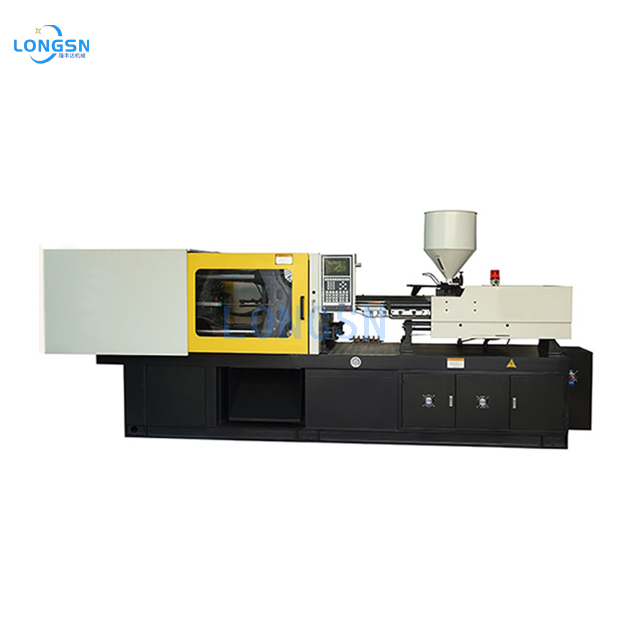
To solve this, engineers and production managers turn to the Injection Molding Machine as the definitive solution for specific high-yield applications. Evaluating whether a product's material, geometry, and volume requirements justify this manufacturing route is your first step. You must match the physical demands of your product with the exact capabilities of the equipment.
Key Takeaways
- Volume Thresholds Dictate Viability: An injection molding machine becomes economically viable only when production volumes are high enough to amortize the initial cost of custom tooling (typically 10,000+ units).
- Industry-Specific Compliance: Modern machines are engineered to meet strict regulatory standards, from cleanroom-certified medical devices to tight-tolerance aerospace components.
- Machine Specification is Application-Dependent: Success relies on matching the application's physical demands (part size, material viscosity) with the correct machine specifications (clamping force, shot size, electric vs. hydraulic).
- Risk Mitigation is Process-Driven: Managing common defects (warping, sink marks) requires precise control over machine parameters like injection pressure, cooling time, and mold temperature.
Success Criteria: When to Specify an Injection Molding Machine
Volume and the Tooling Amortization Curve
You must perform a strict break-even analysis before committing to hard tooling. The initial cost of CNC-machined steel or aluminum molds is substantial. However, once the mold is cut, the operational cost drops to mere pennies per part. You need to define the production volume thresholds where this process outcompetes 3D printing, urethane casting, or CNC machining. Generally, volumes exceeding 10,000 units make tooling amortization highly favorable. If you only need 500 units, cutting a P20 steel tool makes zero sense. You would burn capital on mold base machining, EDM sinking, and polishing that you can never recover.
Scalability tiers vary wildly across the industry. Small-scale benchtop or desktop prototyping machines offer a lower entry cost for niche ventures. Conversely, large-scale industrial platforms are designed for continuous, 24/7 high-volume manufacturing. Multi-cavity molds further impact scaling unit economics. By producing four, eight, or sixty-four parts per cycle, you drastically reduce cycle times and maximize machine utilization. A 32-cavity mold running a 5-second cycle produces over 23,000 parts per hour. That is the scale where this technology dominates.
Tolerance, Precision, and Repeatability Requirements
Modern equipment holds incredibly tight tolerances. Standard applications routinely hit within +/- 0.005 inches. Specialized micro-molding applications can achieve tolerances up to +/- 0.001 inches. Closed-loop control systems in modern equipment ensure shot-to-shot consistency. These systems monitor injection pressure, melt temperature, and screw position in real-time. They automatically adjust parameters to maintain dimensional stability over runs of millions of parts.
When you set up a run, the machine controller tracks the cushion—the small amount of plastic left in front of the screw after the injection phase. If the cushion varies, part dimensions will drift. Modern servo-driven machines hold cushion variations to fractions of a millimeter. This guarantees that part number one million is identical to part number one.
Material Versatility and Complex Geometries
This process handles a vast spectrum of thermoplastics, thermosets, and elastomers. You can mold everything from commodity polypropylene to highly engineered resins like PEEK. The process supports complex geometries that are impossible to machine from solid block. You can integrate undercuts, living hinges, and ultra-thin-walled sections directly into the mold design. This eliminates secondary assembly steps and consolidates part counts.
Consider a snap-fit enclosure. Machining the internal undercut for the snap requires specialized tooling and multiple setups. In a mold, you simply design a sliding cam or lifter. The machine opens, the lifter pulls away, and the complex part ejects ready for use.

High-Stakes Applications by Industry
Automotive Sector: Structural Integrity and Lightweighting
Automotive manufacturers rely heavily on molded components. Applications include dashboards, bumpers, interior trims, lighting housings, and under-the-hood components. The industry is currently shifting toward metal replacement. Engineers use glass-filled nylons (like PA66-GF30) and high-performance polymers to reduce vehicle weight. This directly improves fuel efficiency and extends electric vehicle battery range.
These applications require large-tonnage equipment. You will often see machines ranging from 1,000 to 5,000+ tons of clamping force. They must accommodate massive automotive molds and support sequential valve gating to prevent weld lines on large cosmetic surfaces. When molding a bumper fascia, you cannot inject plastic from a single point. The material would freeze before filling the cavity. Instead, hot runner systems use sequential valve gates, opening one after another to push the melt front smoothly across the massive tool.
Medical Devices: Biocompatibility and Cleanroom Compliance
Medical applications demand absolute perfection. Common products include syringes, surgical instruments, diagnostic vials, implantable components, and soft-touch grips. Traceability and biocompatibility are non-negotiable. You must use medical-grade PEEK, polycarbonate, and other FDA-approved resins while maintaining ISO 13485 compliance.
Cleanroom environments require all-electric machines. ISO Class 7 and Class 8 cleanrooms cannot risk contamination from hydraulic fluids. All-electric drives offer the precise micro-molding capabilities necessary for tiny, life-saving medical components. A hydraulic leak in a cleanroom shuts down production and forces a massive decontamination protocol. Electric machines eliminate this risk entirely.
Aerospace and Defense: Extreme Durability and Precision
Aerospace components face extreme operational environments. Applications include turbine blades, interior cabin panel components, structural brackets, electrical conduit fittings, and bezel assemblies. Weight reduction is critical. Materials must also meet strict flame-retardant performance standards, known as FST (Flame, Smoke, Toxicity) compliance.
Processing engineered resins like PEI/Ultem and PEEK requires high-temperature barrel and screw assemblies. Standard barrels will warp or degrade at the 400°C+ temperatures required to melt these advanced polymers. Advanced process-parameter logging systems are mandatory. You must prove AS9100 quality compliance through rigorous data tracking for every single shot. If an airplane bracket fails, investigators will pull the exact machine data from the day that specific part was molded.
Consumer Electronics: Miniaturization and Thermal Resistance
Consumer electronics demand sleek, functional designs. You will mold smartphone cases, laptop housings, connectors, switches, wearable device enclosures, and internal structural frames. These parts require electromagnetic interference (EMI) shielding materials and advanced thermal management properties.
Cosmetic-grade, defect-free surface finishes must come straight from the mold. High-speed, high-precision machines are essential. They must be capable of micro-molding and handling tight-tolerance thin-wall applications without causing short shots or warping. A laptop housing might have wall thicknesses of 1.2mm over a large surface area. Pushing viscous polycarbonate through that narrow gap requires immense injection speed before the material freezes.
Packaging and FMCG: High-Speed Cycle Times
Fast-moving consumer goods rely on sheer volume. Applications include bottle caps, closures, thin-walled food containers, and cosmetic packaging. Cycle time reduction is the most critical metric here. Saving fractions of a second translates to massive profitability at scale.
Hybrid machines and specialized high-speed packaging machines dominate this sector. They feature rapid injection rates, ultra-fast clamp movements, and advanced cooling systems to eject parts as quickly as physically possible. A standard closure mold might run a 3-second cycle. The machine must open, eject, close, and build tonnage violently fast, millions of times a year.
| Industry | Key Applications | Primary Machine Requirements | Common Resins |
| Automotive | Bumpers, Dashboards, Under-hood parts | High tonnage (1000-5000+ tons), Sequential valve gating | PA66-GF, PP, ABS, PC/ABS |
| Medical Devices | Syringes, Implants, Diagnostic vials | All-electric, Cleanroom certified, Micro-molding capable | Medical PC, PEEK, COC, LSR |
| Aerospace | Brackets, Cabin panels, Conduit fittings | High-temp barrels, AS9100 data logging | PEI (Ultem), PEEK, PPS |
| Consumer Electronics | Laptop housings, Connectors, Wearables | High-speed, Tight-tolerance, Thin-wall capable | PC, ABS, LCP, PC/ABS |
| Packaging | Bottle caps, Thin-wall containers | Hybrid drives, Ultra-fast cycle times, Rapid cooling | PET, PP, HDPE |
Evaluating Machine Specifications for Your Application
Clamping Force (Tonnage) vs. Part Size
You must calculate the required tonnage based on the projected surface area of the part and the material's melt flow index. A highly viscous material requires more pressure to fill the cavity, which in turn requires higher clamping force to keep the mold shut. The basic formula involves multiplying the projected area of the part (in square inches) by a cavity pressure factor (typically 2 to 5 tons per square inch, depending on the resin).
Under-sizing the machine leads to flash. The injection pressure overcomes the clamping force, blowing the mold halves apart slightly and forcing plastic into the parting line. Over-sizing wastes energy and risks damaging the mold through excessive force. Crushing a small mold in a 1,000-ton press will hob the steel and destroy the parting line.
Hydraulic vs. Electric vs. Hybrid Machines
Hydraulic machines are best for high clamping forces and large parts. They offer lower initial equipment costs. However, you must accept trade-offs in higher energy consumption and hydraulic fluid maintenance. You have to monitor oil temperatures, change filters, and deal with inevitable leaks on the shop floor.
Electric machines are ideal for high precision and cleanroom applications. They provide unmatched energy efficiency and repeatability. Servo motors drive every axis independently. You can overlap movements—like ejecting parts while the mold is still opening—to shave time off the cycle. Note that they come with a higher upfront capital cost.
Hybrid machines serve as the middle ground. They combine the raw force of hydraulic accumulators with the precision and energy savings of electric servo drives. They are highly popular for fast-cycling packaging applications where you need massive injection speeds driven by accumulators, but want the energy efficiency of electric screw recovery.
Advanced Capabilities: Multi-Shot, Insert, and Elastomer Molding
Multi-shot (or two-shot) molding allows you to mold multiple materials or colors in a single cycle. You can mold a rigid substrate and immediately apply a soft-touch overmold. The machine features two separate injection units and a rotating platen. The first shot molds the rigid frame. The platen rotates 180 degrees, and the second unit injects the rubberized grip. This eliminates secondary assembly entirely.
Insert molding involves the encapsulation of metal components, like threaded inserts or electronic circuits, within the plastic part for enhanced functionality. Operators or robots place the brass inserts into the mold cavity before the cycle starts. The plastic flows around the knurled brass, locking it permanently in place.
Liquid Silicone Rubber (LSR) and elastomer molding require specialized setups. Applications include seals, gaskets, and flexible medical components. These materials require closed-loop delivery systems and chilled molds to cure the thermoset material properly. Unlike thermoplastics that melt when heated and freeze when cooled, LSR is injected cold and cures into a solid rubber when it hits the heated mold.
Mapping Applications to Top Injection Molding Machine Brands
Matching your application requirements with industry-standard equipment manufacturers is critical for long-term success. Different brands specialize in specific niches. Buying a general-purpose machine for a highly specialized application will bottleneck your production.
- Husky Injection Molding Systems: The industry standard for high-speed packaging, closures, and high-cavitation PET preforms. Their machines are built for relentless, high-speed cycling.
- ENGEL & Arburg: Market leaders in high-precision, all-electric, and hybrid machinery. They are optimized for medical micro-molding, multi-shot consumer electronics, and cleanroom operations. Their tie-bar-less designs offer excellent mold access.
- KraussMaffei & Milacron: Preferred brands for heavy-duty, large-tonnage applications. They excel at producing structural automotive panels and large industrial components.
- Haitian International: Recognized for offering highly reliable, general-purpose standard hydraulic and electric machines for high-volume consumer goods. They provide excellent value for standard molding operations.
Implementation Risks and Mitigation Strategies
Upfront Tooling Costs and Lead Times
Mold fabrication can take 4 to 12 weeks. It can cost tens to hundreds of thousands of dollars. Design flaws discovered post-tooling are catastrophic and will derail your launch schedule. You cannot easily add steel back to a mold once it is cut away.
You must mandate rigorous Design for Manufacturing (DFM) analysis. Use mold flow simulation software before cutting any steel. This software predicts how the plastic will flow, where weld lines will form, and how the part will warp. Utilize rapid prototyping for form and fit testing to validate the design early.
Common Defects and Process Controls
Production yields are easily destroyed by warping, sink marks, flash, short shots, or weld lines. Operators must optimize the process window carefully. You have to balance melt temperature, injection speed, holding pressure, and cooling time.
- Establish the fill time by running short shots to find the optimal injection speed.
- Determine the gate freeze time by weighing parts at different hold times. Once the weight stabilizes, the gate is frozen.
- Optimize cooling time to ensure the part is rigid enough to withstand ejection forces without warping.
- Adjust pack and hold pressures to eliminate sink marks on thick sections.
Emphasize the importance of conformal cooling channels in your mold design to ensure even temperature distribution and prevent warpage. Traditional straight-drilled water lines often miss hot spots in complex geometries.
Supply Chain and Material Sourcing Realities
Material shortages and batch-to-batch resin inconsistencies will halt production. Improper material drying leads to structural failures, such as hydrolysis in PET or Nylon parts. If you mold wet nylon, the moisture turns to steam in the barrel, breaking the polymer chains and resulting in brittle parts.
Establish secondary resin suppliers immediately. Invest in high-quality desiccant dryers. Implement strict incoming material QA processes to verify melt flow indices before the resin ever enters the hopper. Check moisture levels with an analyzer before releasing the material to the production floor.
Conclusion
An injection molding machine is a highly configurable platform that must be matched precisely to your product's volume, material, and geometric demands. You must confirm that your production volume justifies the hard tooling. Select your material based on strict end-use requirements. Determine the required tonnage and precision, then choose the appropriate drive type and specialized equipment manufacturer.
- Engage with a tooling engineer immediately for comprehensive DFM feedback on your CAD files.
- Request a detailed mold flow analysis to identify potential warp or fill issues before cutting steel.
- Contact specialized equipment manufacturers to arrange specific machine capability demonstrations.
- Audit your facility's power and cleanroom capabilities to ensure compatibility with your chosen machine drive type.
FAQ
Q: What is the minimum production volume for an injection molding machine to be cost-effective?
A: While prototype aluminum tooling can be viable for as few as 1,000 parts, traditional steel production tooling typically requires volumes exceeding 10,000 units to properly amortize the initial mold costs and achieve a low per-part price.
Q: How long does it take to build a custom mold?
A: Mold fabrication generally takes between 4 to 12 weeks. The timeline depends heavily on the complexity of the part, the number of cavities, and the type of steel required for the expected production life.
Q: Why would I choose an electric machine over a hydraulic one?
A: Electric machines offer superior precision, repeatability, and energy efficiency. They operate without hydraulic fluids, making them mandatory for cleanroom environments like medical device manufacturing.
Q: What causes sink marks on molded parts?
A: Sink marks occur when thick sections of a part cool and shrink slower than the outer skin. You can mitigate this by maintaining uniform wall thickness in your design and optimizing holding pressure.
Q: Can I mold metal parts using this process?
A: Yes, through Metal Injection Molding (MIM). This uses finely powdered metal mixed with a binder. After molding, the binder is removed, and the part is sintered in a furnace to achieve final density.
Q: What is multi-shot molding?
A: Multi-shot molding injects two or more different materials or colors into the same mold during a single machine cycle. It is commonly used for creating soft-touch grips on rigid plastic tools.

 English