Purchasing an industrial blow molding system is a high-stakes capital expenditure. A misaligned equipment choice easily causes production bottlenecks. It can also lead to excessive scrap rates and inflated energy costs. As manufacturing margins tighten, procurement leads and facility engineers face difficult choices. You can no longer rely solely on brand familiarity when selecting new equipment.
Evaluating modern machinery requires a strategic approach. You must balance upfront capital expenses against long-term operational efficiencies. A cheap initial invoice often hides massive maintenance costs. This guide breaks down the critical technical, operational, and financial frameworks you need. These frameworks help you evaluate and shortlist the right equipment for your specific production line.
We will explore various power configurations and core technical specifications. We will also discuss global supply chain factors that impact your bottom line. By the end of this guide, you will know exactly how to match machine capabilities directly to your output goals.
Key Takeaways
- Align machine specs with part design: Platen size, clamping force, and die head configuration must be dictated by product volume, weight, and material (e.g., PE, PP, PVC).
- Power type dictates operational costs: The choice between fully electric, hydraulic, and hybrid systems heavily influences energy consumption, maintenance downtime, and cleanroom viability.
- Parison control is a non-negotiable for ROI: Advanced wall thickness control systems directly reduce raw material waste and improve part integrity.
- Total Cost of Ownership (TCO) extends beyond the invoice: Global sourcing requires a strict evaluation of localized after-sales support, spare parts availability, and technician dispatch times.
Defining Your Production Baseline and Success Criteria
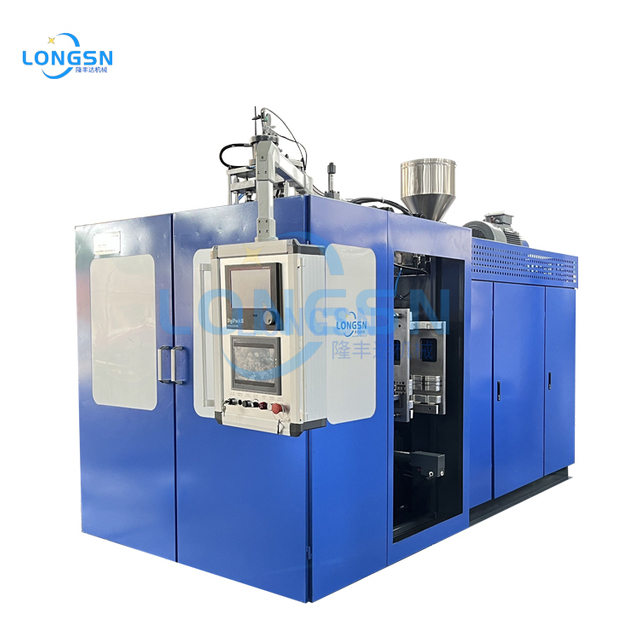
Procuring an Extrusion Blow Molding Machine requires a clear understanding of your daily production targets. You cannot evaluate equipment without first defining what success looks like for your facility. Every technical specification must serve your baseline operational goals.
- Volume vs. Flexibility: You must assess your operational style. Will the machine run a single high-volume SKU continuously? Or do you require frequent mold changes for low-volume, high-mix production? High-volume runs benefit from dedicated single-station setups. High-mix environments demand flexible double-station configurations to minimize changeover downtime.
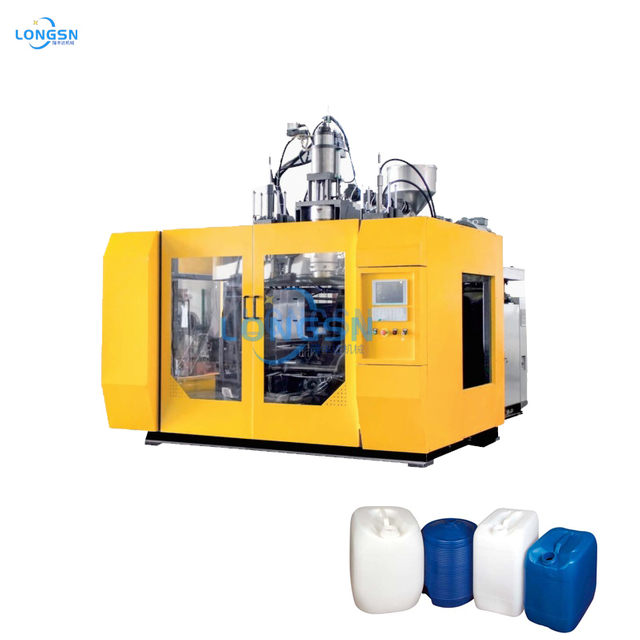
- Material and Output Weight: Different plastic resins require specific screw designs. The length-to-diameter (L/D) ratio must match the material shear requirements. Determine if your application needs a continuous extrusion process. This is ideal for smaller, lightweight bottles. Conversely, heavy industrial parts like jerrycans require an accumulator head system. This prevents heavy parisons from sagging before the mold closes.
- Multi-Layer Requirements: Define your barrier needs early. Does your product require co-extrusion? Chemical containers and food packaging often use EVOH layers. These barrier layers block oxygen and UV light. Co-extrusion processes require complex multi-extruder configurations.
- Success Metrics: Establish clear, undeniable benchmarks. You should define maximum acceptable cycle times. You must also set hard limits on scrap rates. Finally, establish target energy consumption metrics per kilogram of processed resin.
Fully Electric vs. Hydraulic vs. Hybrid Extrusion Blow Molding Machines
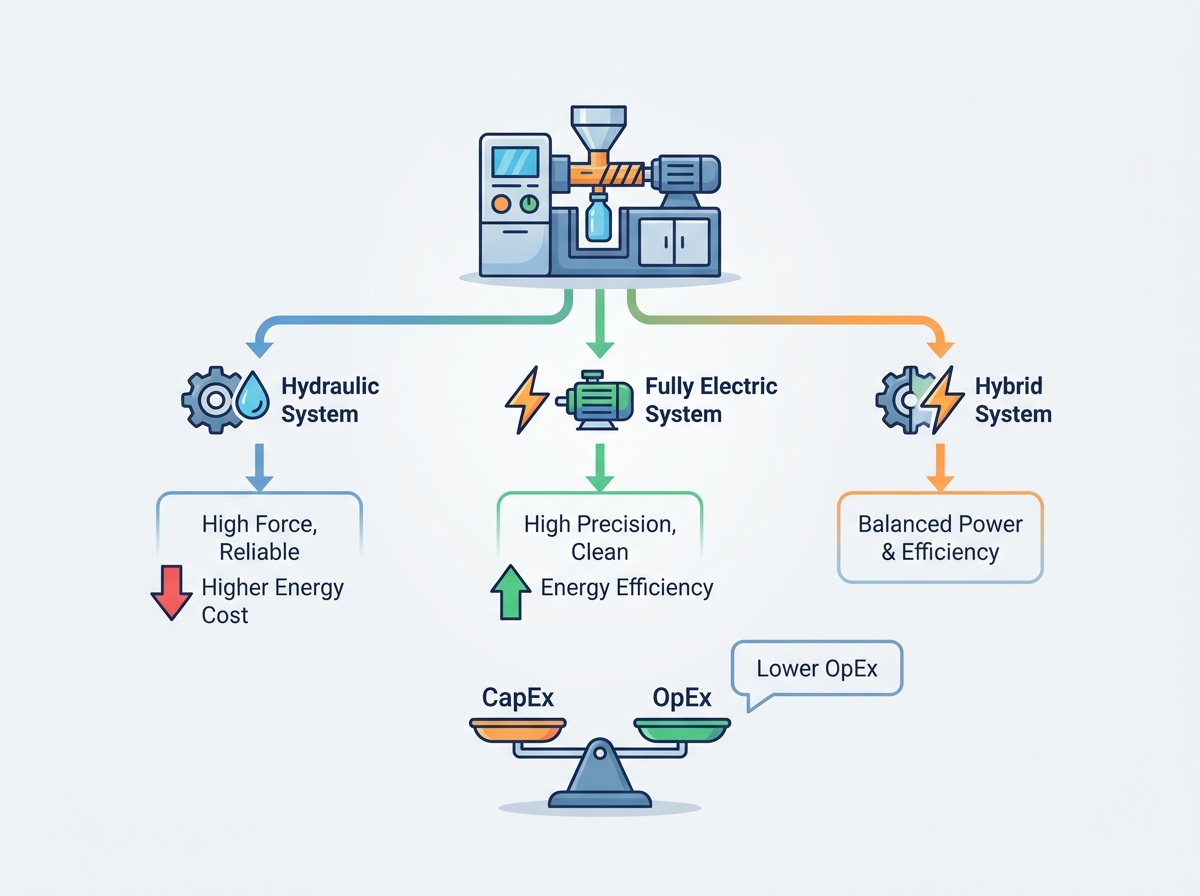
Your choice of power configuration dictates your long-term facility costs. Each system offers distinct advantages depending on your industry requirements. You must align the machine type with your local energy costs and environmental standards.
Hydraulic Machines
Hydraulic machines represent the traditional industry standard. They offer proven reliability and incredible raw power. They deliver superior clamping force for heavy-duty industrial applications. If you manufacture large automotive parts or chemical drums, hydraulics remain highly effective. They also present a lower initial capital expenditure. However, they consume significantly more energy. They also pose a risk of oil leaks. This makes them entirely unsuitable for medical or food-grade cleanrooms. Additionally, hydraulic pumps generate much louder operational noise.
Fully Electric Machines
Fully electric setups represent the pinnacle of modern molding technology. They use advanced servo motors instead of hydraulic oil. This results in up to 40-50% lower energy consumption. Electric machines offer extreme precision and perfect movement repeatability. They boast much faster dry cycle times. Because they eliminate oil mist, they are ideal for ISO-certified cleanroom environments. The main drawback is the higher upfront purchase cost. Furthermore, maintaining servo drives requires highly specialized technical knowledge.
Hybrid Systems
Hybrid setups offer a compelling middle ground. These systems blend hydraulic clamping force with electric carriage movements or extrusion drives. They give manufacturers necessary clamping power without sacrificing all energy-saving benefits. A hybrid machine provides an excellent compromise for facilities upgrading from legacy hydraulic systems.
Power Configuration Comparison
| Feature | Hydraulic | Fully Electric | Hybrid |
| Energy Efficiency | Low | Very High | Medium-High |
| Clamping Force | Excellent | Good | Excellent |
| Cleanroom Viable | No | Yes | Depends on design |
| Upfront Cost | Lowest | Highest | Moderate |
| Maintenance Type | Fluid & Pump checks | Specialized Servo care | Mixed requirements |
Evaluating Core Technical Specifications and Features
You must scrutinize the mechanical heart of the equipment. Overlooking core technical specifications leads to frequent downtime and subpar product quality. A beautiful machine exterior means nothing if the plasticizing unit fails.
- Clamping Force and Platen Size: Do not undersize your equipment. Ensure the clamping tonnage is sufficient to pinch off the parison cleanly. A weak pinch-off leaves plastic flashing and creates weak container seams. You should factor in a 15-20% safety margin. This accommodates future mold expansions without requiring a new machine.
- Die Head Design and Precision: You must evaluate the internal quality of the die head. Poor design leads to material degradation. It causes uneven flow and weak structural walls. Look for highly polished, easy-to-clean designs. Rapid color-change capabilities minimize your operational downtime between product runs.
- Parison Programming Controllers: A robust parison thickness controller is absolutely critical. Look for 100-point systems from reputable brands like Moog. Gravity naturally stretches molten plastic tubes. A controller dynamically adjusts the die gap during extrusion. It allows for targeted material distribution. You can thin out non-structural areas to save expensive resin. Simultaneously, you can reinforce corners and handle stress points.
- Extruder Screw and Barrel Quality: The screw is the engine of your plasticizing process. Check for bimetallic screws and hardened barrels. Standard steel wears down incredibly fast. Hardened alloys resist wear effectively. This is especially vital if you process abrasive regrind materials or Post-Consumer Resin (PCR).
Evaluating Long-Term Operations and Supply Chain Realities
Capital expenditure is only the first step of your financial commitment. A cheaper machine can cost exponentially more in the long run. Inflated energy bills and raw material waste destroy tight manufacturing margins over a 10-year lifespan. You must build a comprehensive operational model. Include exact power consumption metrics and routine maintenance estimates.
Global sourcing introduces significant supply chain risks. Many buyers consider cost-efficient machines from overseas manufacturers. Regions like China offer mature, high-quality manufacturing ecosystems. However, you must demand proof of regional service centers. An affordable machine quickly becomes a massive liability if it breaks down. If spare parts take three weeks to clear international customs, you lose critical production time. Localized support is a mandatory requirement for any overseas purchase.
Standardization of internal components provides massive risk mitigation. Ensure your chosen equipment uses internationally recognized components. Check the PLCs, pneumatics, and hydraulic valves. Brands like Siemens, Festo, and Bosch Rexroth maintain global inventories. Proprietary components create dangerous vendor lock-in. If an obscure sensor fails, you cannot buy a replacement locally. Standardized parts guarantee fast, independent maintenance access.
Automation Integration and Future-Proofing
Modern production facilities rely heavily on interconnected equipment. An isolated blow molding machine creates immediate floor bottlenecks. You must ensure the equipment integrates seamlessly with modern automated systems. Future-proofing your investment protects your competitive edge.
Downstream compatibility is essential. The machine should easily connect with automated deflashing units. It must output parts predictably for inline leak testers. It should also integrate smoothly with robotic packing arms. Bottlenecks rarely occur in the primary extrusion phase. They usually happen downstream. Your machine's software must handshake perfectly with all auxiliary equipment.
Industry 4.0 capabilities lower your troubleshooting costs. Prioritize equipment offering secure remote diagnostics. Factory technicians should be able to log into the machine's PLC remotely. They can diagnose software faults and adjust parameters from across the globe. This eliminates the need for expensive, time-consuming on-site visits for minor programming issues.
Finally, verify compliance and safety standards. The equipment must meet strict regional safety requirements. Look for CE marks if operating in Europe. Ensure OSHA and UL compliance for US operations. Physical guarding, integrated light curtains, and redundant emergency stop protocols protect your workforce from catastrophic injury.
Conclusion
Selecting the right blow molding equipment is an exercise in strict risk mitigation. It also requires a deep focus on cost-per-part optimization. You must look far beyond the initial purchase price to find true value. Aligning technical specifications with your operational baseline guarantees consistent production quality.
Avoid making hasty decisions based strictly on brand names or low quotes. We highly advise requiring prospective vendors to run physical material tests. Send them your specific resin blend and mold design. Demand concrete proof of cycle times and product quality before finalizing any contract.
Your next step is drafting a comprehensive Request for Information (RFI). Explicitly state your required cycle times, energy consumption caps, and local support needs. Use this RFI to filter out incompatible vendors early in your shortlisting process. Taking these precise steps ensures a highly profitable, long-term equipment investment.
FAQ
Q: What is the difference between continuous extrusion and accumulator head blow molding?
A: Continuous extrusion constantly pushes out a parison. It is ideal for small to medium lightweight containers. Accumulator heads store molten plastic inside a chamber. They push it out in one fast, powerful shot. This method is necessary for large, heavy industrial parts. A continuously extruded heavy parison would simply sag under its own weight before the mold closes.
Q: How long should a quality extrusion blow molding machine last?
A: With proper preventive maintenance, industrial machines boast long operational lifespans. High-quality build materials ensure exceptional durability. You can generally expect a lifespan of 15 to 20 years. Routine inspections, lubrication, and timely component replacements maximize this longevity and maintain production precision.
Q: Is a fully electric machine worth the higher upfront cost?
A: Yes, particularly if your production runs 24/7. They are also essential for meeting strict cleanroom standards. Regions with high electricity costs benefit massively from servo technology. The energy savings typically yield a positive return on investment within 3 to 5 years. Reduced maintenance on hydraulic components also accelerates this payback.
Q: How can I reduce material waste in extrusion blow molding?
A: Implement an advanced parison thickness controller. This optimizes material distribution across the entire container. You should also utilize a closed-loop regrind system. This immediately recycles plastic flash back into the main hopper. Finally, ensure your extruder screw is correctly optimized for your specific resin blend.

 English