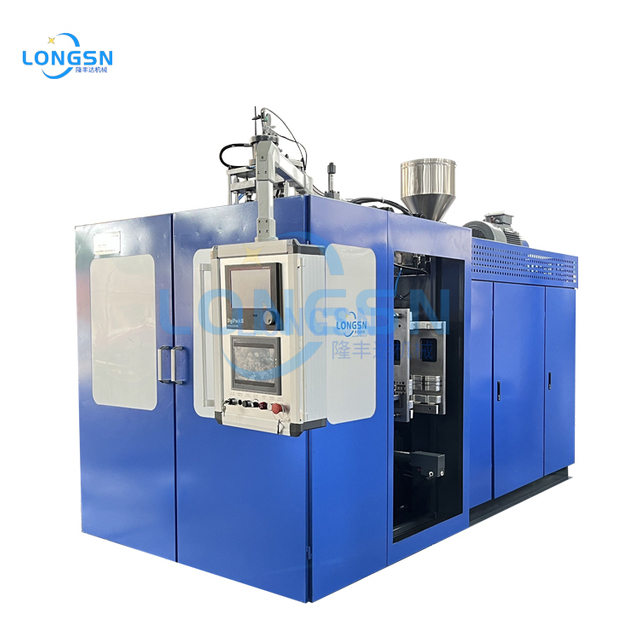
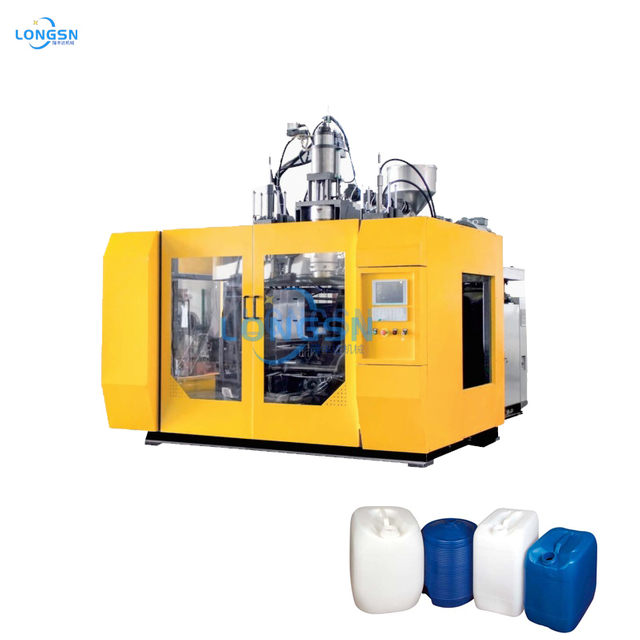
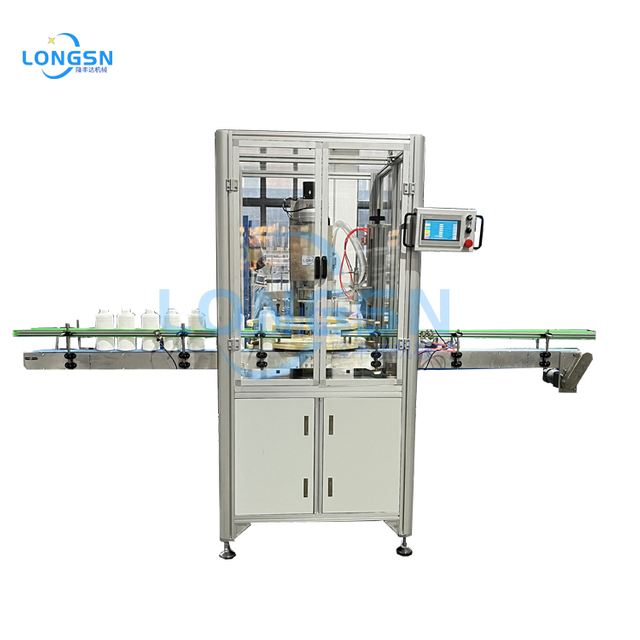
Sourcing an Extrusion Blow Molding Machine represents a major capital expenditure for any business. The initial sticker price rarely reflects the true financial impact of your investment. Buyers must carefully balance upfront costs against long-term operational realities. You must consider cycle times, energy consumption, and raw material compatibility. Relying solely on base pricing often hides expensive future outlays. We built this guide to provide a transparent, criteria-driven framework. It helps you compare equipment prices accurately and systematically. We will help you unmask hidden operational costs effectively. You will learn to calculate true lifecycle expenses without unwelcome surprises. This knowledge protects your profit margins over the equipment's entire lifespan. Read on to master the complexities of equipment pricing and secure the best value for your production floor.
Key Takeaways
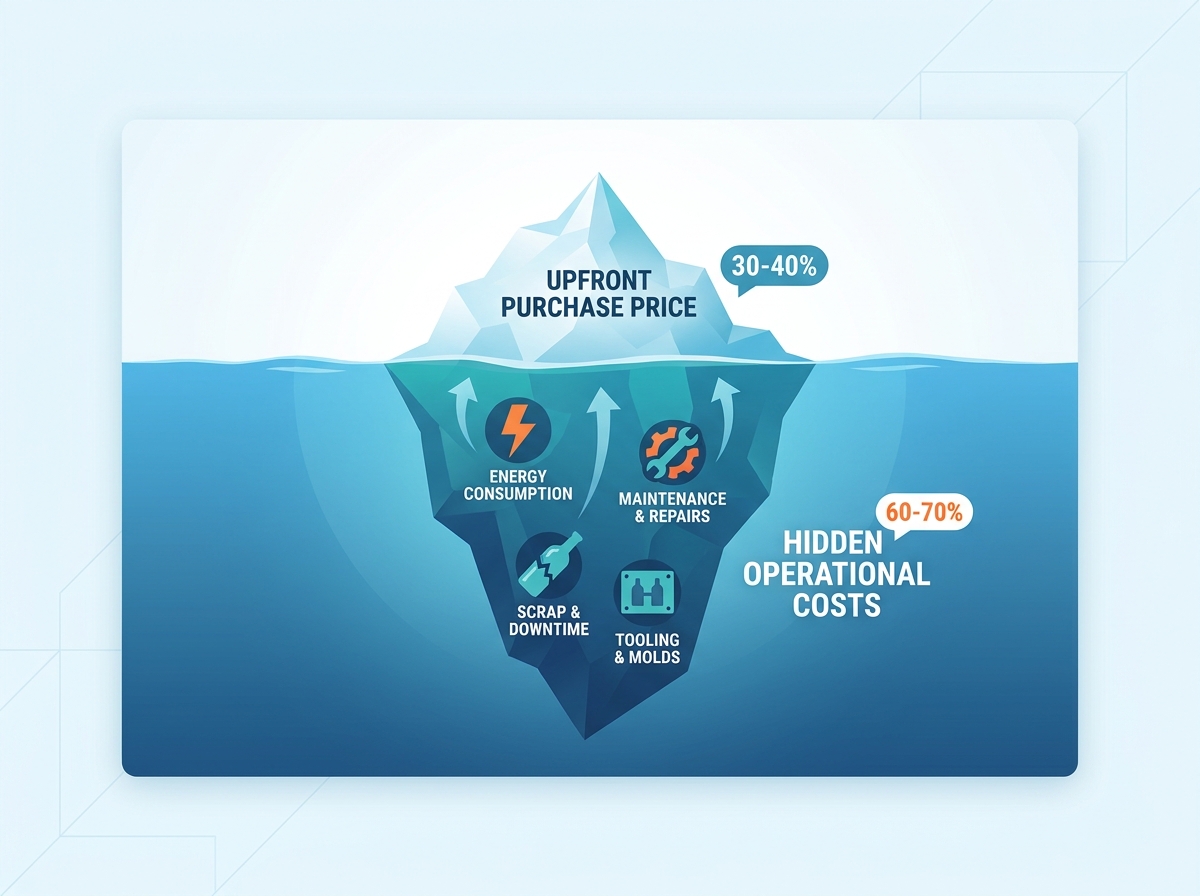
- Upfront vs. Operational Cost: The purchase price typically represents only 30-40% of the machine's Total Cost of Ownership over a 5-year lifecycle; energy and maintenance dominate the rest.
- Core Price Drivers: Clamping force, parison control technology, and automation levels (e.g., single vs. double station) are the primary variables dictating price tiers.
- Application-Specific Variations: Specialized machines (e.g., accumulator head for large water tanks or multi-layer co-extrusion) carry distinct premiums that must be justified by production volume.
- Vendor Due Diligence: A lower baseline price often masks gaps in after-sales support, spare parts availability, and compliance certifications.
The Core Factors Driving Extrusion Blow Molding Machine Prices
Machine Configuration and Stations
You will notice a large price gap between machine configurations. Single-station models offer a lower initial purchase price. They suit newer operations or lower-volume production perfectly. Double-station systems cost significantly more upfront. However, they deliver higher output for high-volume runs. They allow simultaneous cooling and extrusion cycles. This drastically improves your long-term return on investment.
Continuous extrusion machines operate differently than accumulator head models. Continuous extrusion excels at producing small bottles efficiently. The machinery pushes plastic continuously, keeping baseline costs moderate. Accumulator head machines serve heavy industrial needs. They produce large industrial containers and water tanks. These machines store molten plastic before pushing it out rapidly. This complex engineering demands heavier components. Consequently, accumulator head configurations carry a much higher base price.
Automation and Control Systems
Parison wall thickness control directly impacts your equipment budget. Basic machines lack advanced material distribution systems. Advanced servo-hydraulic programmers, like MOOG systems, add substantial upfront cost. However, they reduce resin waste dramatically. They ensure consistent wall thickness throughout complex bottle geometries. This precision saves thousands of dollars in raw materials annually. You recover the initial investment quickly through material efficiency.
Drive technology forms another major price driver. Traditional hydraulic systems remain cheaper upfront. Manufacturers have used them reliably for decades. Unfortunately, they consume massive amounts of electricity. All-electric or hybrid servo systems require a higher initial premium. They use energy only when active. This innovation yields significant energy savings over the machine's lifespan. They also run cleaner and quieter than older hydraulic models.
Clamping Force and Capacity
Clamping force determines the physical scale of your equipment. We measure this force in machine tonnage. Higher tonnage allows you to mold larger, heavier parts. Machine tonnage directly correlates with the physical footprint. It dictates the total steel weight used in manufacturing. Naturally, heavier frames and stronger cylinders increase the base price. You must match the clamping force perfectly to your product dimensions. Over-specifying tonnage wastes capital needlessly. Under-specifying causes mold flashing and poor product quality.
Standard vs. Custom Equipment: A Price-to-Value Breakdown
Standard Off-the-Shelf Models
Standard off-the-shelf models provide excellent value for basic needs. Manufacturers optimize them for standard packaging items. They handle standard HDPE detergent bottles or milk jugs effortlessly. You benefit from a lower capital expenditure immediately. Suppliers keep these models in stock frequently. This results in much faster lead times for delivery. However, standard machines offer limited flexibility. They struggle with complex geometries or specialized resins. If your product design evolves, a standard machine might restrict you.
Application-Specific Customizations
Customizations elevate your capabilities but inflate your budget. Multi-layer co-extrusion systems represent a major investment upgrade. They require adding additional extruders for specific barrier layers. Chemical packaging and food containers often demand these barriers. Each extra extruder requires its own motor and heating zones. This complexity pushes the machine price up significantly. It ensures product safety and extends shelf life, justifying the cost.
Downstream automation integrations also impact your final quote heavily. In-Mold Labeling (IML) systems merge packaging and decoration. Auto-deflashing mechanisms trim excess plastic automatically. Integrating these downstream processes requires expensive robotics and programming. However, this automation offsets manual labor costs completely. You reduce human error and speed up the final packaging line.
Large-scale industrial blow molding carries its own unique price tags. Manufacturing IBC tanks or auto parts demands extreme robustness. Suction blow molding for automotive ducts requires specialized 3D manipulation. These machines need intense structural reinforcements. High-capacity applications utilize oversized accumulators and specialized cooling circuits. These engineering feats command top-tier pricing in the market.
Table 1: Standard vs. Custom Equipment Cost Comparison
| Machine Category | Initial Price Range | Primary Advantages | Typical Applications |
| Standard Off-the-Shelf | Low to Moderate | Fast delivery, easy operation, proven reliability. | Detergent bottles, milk jugs, basic cosmetic containers. |
| Multi-Layer Co-Extrusion | High | Superior barrier properties, material versatility. | Agrochemicals, food packaging, cosmetics. |
| Automated (IML/Deflashing) | Moderate to High | Reduced labor costs, ready-to-ship products. | Branded consumer goods, high-volume retail items. |
| Industrial Accumulator Head | Very High | Massive shot size, structural integrity. | IBC tanks, automotive parts, large water tanks. |
Hidden Costs and Operational Expenses
Energy Consumption (The Silent Margin Killer)
Energy consumption acts as a silent margin killer in manufacturing. You must evaluate the efficiency of the extruder motor carefully. Heating zones also consume massive amounts of power daily. Evaluate quotes based on energy efficiency, not just hardware. Provide a framework for calculating kilowatt-hours per kilogram. You calculate kWh/kg of processed material to benchmark efficiency. This metric reveals the true long-term profitability of the equipment. Over looking energy demands will destroy your profit margins eventually.
Mold Compatibility and Tooling
Machine prices rarely include the actual production molds. Molds require custom engineering for your specific product shape. This tooling represents a substantial separate investment. You must clarify this detail early in the buying process. Machine flexibility also dictates future tooling costs. Consider the ease of mold changes on the shop floor. Quick mold change systems cost more upfront. However, they reduce costly downtime between product runs. Ensure the new machine accommodates your existing tooling inventory seamlessly.
Maintenance, Scrap Rates, and Downtime
Ongoing maintenance heavily influences your lifecycle expenses. You must factor in the cost of regular consumable parts. Extrusion screws, barrels, and heating bands require periodic replacement. High-quality components last longer but cost more initially. Cheap components inflate your operational costs severely over time. They cause higher scrap rates due to inconsistent material flow. They also lead to unplanned downtime. Every hour the machine sits idle costs you money. Prioritize durable parts to maintain steady production volumes.
How to Evaluate Machine ROI Based on Production Volume
Low-to-Medium Volume Scenarios
Different production volumes demand entirely different investment strategies. Low-to-medium volume scenarios prioritize flexibility and agility. Fast changeovers define your success criteria here. You want lower initial capital expenditure to minimize financial risk. We recommend focusing on reliable, standard hydraulic or hybrid machines. They provide steady performance for varied, short runs. You should avoid excessive proprietary automation in these scenarios. Complex robotics take too long to reprogram between small batches.
High-Volume, Continuous Production Scenarios
High-volume operations change the mathematical reality completely. You need continuous, uninterrupted production to meet market demands. Sub-second cycle time reductions yield massive annual output gains. Energy efficiency becomes critical when running twenty-four hours daily. Zero-defect rates are non-negotiable success criteria. We recommend justifying the premium for all-electric machines here. Multi-cavity mold compatibility maximizes output per cycle. Advanced parison control eliminates wasted resin across millions of units. The high upfront cost pays for itself rapidly.
Calculating the Breakeven Point
You must calculate your breakeven point accurately. We suggest outlining a simple but comprehensive mathematical formula. First, isolate the bare Machine Cost and initial Tooling expenses. Next, calculate the Energy per Cycle. Factor in projected Resin Savings from advanced parison controllers. Finally, compare your reduced Labor costs against your Annual Output. This calculation maps your exact timeline to profitability. It prevents emotional purchasing decisions based on flashy features.
Shortlisting Your Supplier: A Due Diligence Checklist
Compliance and Safety Standards
Never compromise on international safety and compliance standards. Verify CE, UL, or relevant regional safety certifications immediately. Regulatory bodies demand these certifications for a reason. They ensure the machinery operates safely under intense pressures and heat. Non-compliant machines from unverified vendors appear cheap initially. However, they carry immense liability risks for your operators. A workplace injury or factory fire easily bankrupts a business. Demand physical proof of all safety certifications before proceeding.
Factory Acceptance Testing (FAT)
Factory Acceptance Testing ensures you get exactly what you ordered. Ensure your contract includes rigorous FAT protocols. You must test the machine using your specific resin grades. You must also run it with your actual production mold. Conduct this testing at the vendor's facility before final payment. This proves the machine hits your promised cycle times. It prevents vendors from shipping flawed equipment to your factory. Never skip this vital quality assurance step.
After-Sales Service and Parts Availability
After-sales support defines the true value of your supplier. Assess their technical support infrastructure thoroughly. Look closely at the specific components they install. Good vendors use standardized, globally available components. Brands like Siemens, Festo, and Rexroth are easy to source anywhere. Bad vendors use obscure, proprietary parts. This creates vendor lock-in and inflated replacement costs later. Standardized parts ensure you can repair your machine locally. It prevents weeks of downtime waiting for overseas shipments.
Conclusion
Evaluating an Extrusion Blow Molding Machine requires rigorous strategic planning. It is an exercise in strict risk management and margin protection. It should never be an exercise in mere price hunting. You must look past the initial invoice to understand true value. We strongly advise buyers to request highly granular quotes. Force vendors to separate the bare machine from control upgrades. Demand separate line items for molds and downstream automation. This transparency allows accurate side-by-side comparisons. Encourage your team to map exact production forecasts first. Build a three-to-five-year projection before initiating any vendor RFQs. This preparation ensures you buy the perfect machine for your future.
FAQ
Q: What is the average price range for a standard extrusion blow molding machine?
A: Standard single-station machines for small bottles generally range from $30,000 to $80,000. Industrial accumulator head machines designed for large water tanks can easily exceed $250,000. These baseline prices fluctuate frequently. Changes in raw material costs and global supply chain dynamics impact final quotes. Always request updated pricing directly from manufacturers.
Q: How does an all-electric blow molding machine compare in price to a hydraulic one?
A: All-electric models typically carry a 20% to 40% price premium upfront. They offset this higher initial expense through massive energy savings. Traditional hydraulic machines consume continuous power. Electric models only draw power during movement. Most high-volume facilities recover this premium via energy savings within 18 to 24 months.
Q: Are molds included in the machine's initial quote?
A: Molds are almost never included in the base machine price. Every mold is bespoke engineering tailored to your specific product design. Suppliers quote tooling costs entirely separately from the machinery. Ensure you request distinct line items for molds to avoid budget overruns.
Q: What is the difference between molding and moulding in supplier catalogs?
A: There is no technical or mechanical difference between the two terms. "Molding" reflects standard American English spelling. "Moulding" represents British and Commonwealth English spelling conventions. This regional variation does not indicate any differences in machinery specifications, quality, or pricing structures.
Q: How long does it take to manufacture and deliver a custom extrusion blow molding machine?
A: Standard off-the-shelf models often ship within 30 to 60 days. Highly customized machines require significantly more time. Adding multi-layer co-extrusion or complex downstream automation extends lead times to three to six months. You must factor this manufacturing timeline into your facility planning schedule.

 English