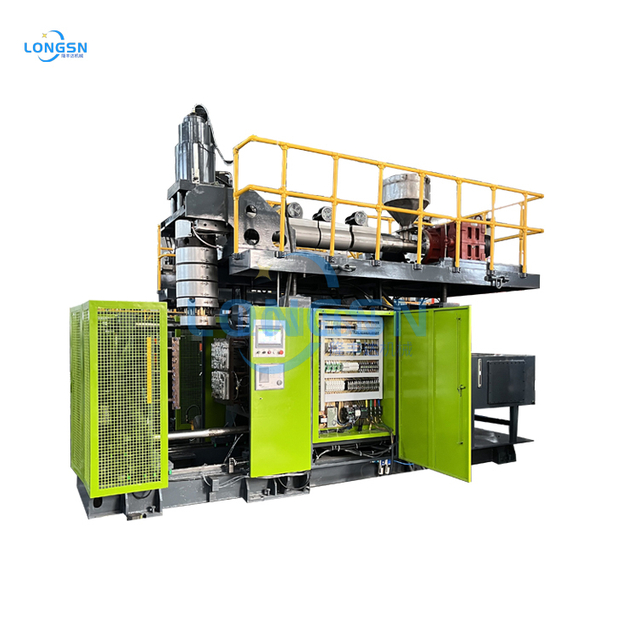
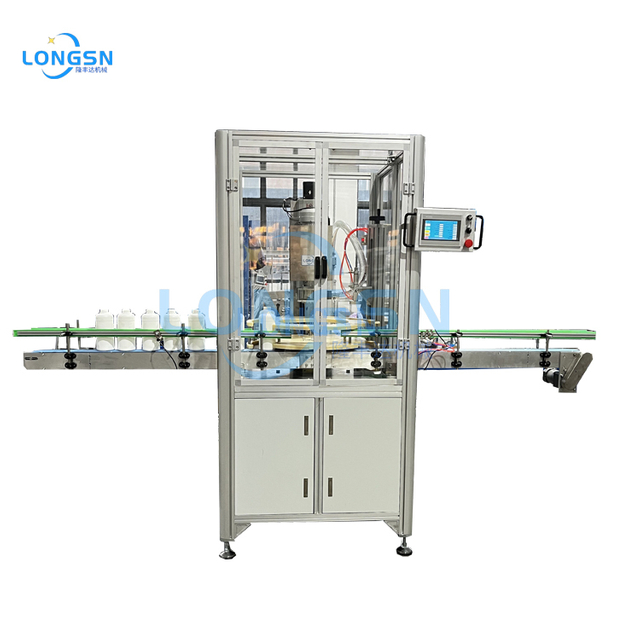
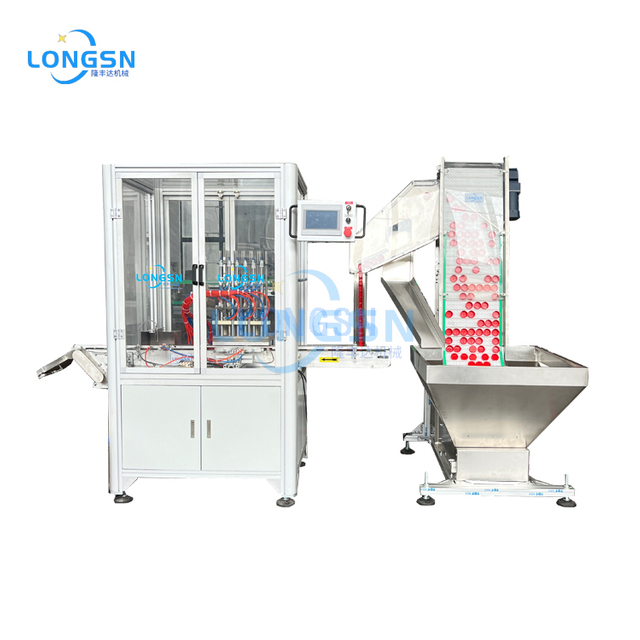
Acquiring a Blow Moulding Machine represents a high-stakes capital expenditure where precision in specification directly dictates long-term manufacturing profitability. A misaligned equipment choice carries severe operational risks. Underspecified machines inevitably cause production bottlenecks, forcing lines to run beyond safe capacity limits and accelerating component wear. Conversely, overspecified or mismatched systems lead to inflated energy consumption, excessive scrap rates, and poor return on investment.
This guide serves as a technical framework for operations directors and procurement teams. You will learn how to evaluate production parameters, compare machine architectures, and confidently shortlist equipment vendors to ensure your manufacturing infrastructure meets exact production demands without unnecessary overhead.
- Production Alignment: Machine selection must begin with exact product specifications (volume, wall thickness, polymer type) rather than baseline machine capacity.
- Technology Trade-offs: The choice between Extrusion (EBM), Injection (IBM), Stretch (SBM), and Co-Extrusion (Multi-Layer) dictates tooling costs, cycle times, barrier properties, and part precision.
- Drive System Economics: All-electric machines offer up to 50% energy savings and cleanroom compliance, whereas hydraulic systems provide superior clamping force for large-scale, heavy-duty applications.
Defining Your Production Requirements (Success Criteria)
Part Volume, Dimensions, and Weight
Calculating maximum part volume across your production spectrum is the foundational step in machine selection. Requirements shift drastically whether you manufacture sub-1 ccm medical vials or large-scale industrial storage containers like 1000L water tanks. Part weight and physical dimensions directly dictate the required accumulator head capacity, shot size, and the overall footprint of the equipment. Accurate calculations prevent the mistake of purchasing a unit incapable of handling your largest molds or wasting capital on unused capacity.
When evaluating part dimensions, you must account for the flash margin. The pinch-off areas at the top and bottom of the container require additional material beyond the net weight of the finished product. For large industrial containers, the accumulator head must hold enough plasticized material to drop the entire parison in seconds, preventing premature cooling or sagging before the mold closes.
Polymer Compatibility and Material Behavior
Different polymers exhibit distinct thermal, rheological, and melt-strength behaviors during processing. Processing High-Density Polyethylene (HDPE) requires different parameters compared to Polyethylene Terephthalate (PET), Polypropylene (PP), Polyvinyl Chloride (PVC), or specialized engineering resins. Your material choice heavily impacts screw design, specifically compression ratios, as well as extruder specifications and cooling time requirements.
| Polymer Type | Melt Strength | Typical Applications | Processing Considerations |
| HDPE | High | Milk jugs, chemical drums, household cleaners | Excellent moisture barrier; requires standard compression screws. |
| PET | Low (requires stretching) | Beverage bottles, clear food containers | Requires thorough drying before processing; high clarity. |
| PP | Medium | Hot-fill containers, medical parts | Higher melting point than HDPE; prone to shrinkage. |
| PVC | High | Cosmetics, industrial chemicals | Heat sensitive; requires low-shear screws to prevent degradation. |
Target Cycle Times and Annual Output Capacity
Translating annual production quotas into required hourly output determines your target cycle times. You must factor in the impact of single-cavity versus multi-cavity molds on machine sizing. Multi-cavity configurations demand higher clamping force and larger platen sizes but significantly increase throughput.
To accurately calculate required cycle times, follow these steps:
- Determine the total annual production requirement (e.g., 5 million bottles).
- Calculate available production hours per year, factoring in planned maintenance, mold changeovers, and shift schedules.
- Divide the annual requirement by available hours to find the required hourly output.
- Divide the hourly output by the number of cavities in the proposed mold to determine the maximum allowable cycle time per shot.
- Add a 10% safety margin to account for unexpected downtime or scrap rates.

Core Types of Blow Moulding Machines (Solution Categories)
Extrusion Blow Molding (EBM) Machines
Extrusion blow molding utilizes either continuous or intermittent extrusion processes to form a parison. This technology offers high versatility and is ideal for producing asymmetrical shapes and large hollow containers, such as chemical drums, automotive ducts, and one-gallon multi-purpose bottles. EBM involves an inherent trade-off: higher scrap rates due to flash generation at the pinch-off points. This requires integrated deflashing mechanisms and regrind systems to maintain material efficiency and feed scrap back into the hopper.
Injection Blow Molding (IBM) Machines
Injection blow molding is a two-step process involving the injection of a preform onto a core pin, followed by blowing the shape in a separate cavity. IBM excels in producing high-precision, flash-free parts with tight neck-tolerance requirements. It is typically used for small volume containers like pharmaceutical bottles and cosmetics packaging. Buyers must account for higher initial tooling costs, as the process requires both injection and blow mold sets, but the elimination of flash often offsets these costs in high-volume runs.
Stretch Blow Molding (SBM) Machines
Stretch blow molding processes are categorized into single-stage integrated systems and two-stage reheat systems. SBM is the standard for high-volume, biaxially oriented PET containers requiring exceptional clarity, mechanical strength, and burst resistance, such as carbonated beverage bottles. The biaxial stretching aligns the polymer molecules, significantly enhancing the physical properties of the final container. Two-stage systems allow for the preforms to be manufactured separately and stored, offering massive output rates during the blowing phase.
Co-Extrusion (Multi-Layer) Blow Molding Machines
Co-extrusion involves extruding multiple polymer layers simultaneously to produce a single parison. This technology is essential for high-performance containers requiring barrier layers, such as pesticide bottles, automotive fuel tanks, and UV-resistant water storage tanks. Operating these machines involves managing the complexity of feedblock design, coordinating multiple extruders, and effectively utilizing regrind materials in intermediate layers to reduce raw material consumption.
Critical Machine Specifications and Evaluation Criteria
Clamping Force, Platen Size, and Tie-Bar Clearance
Calculating the required clamping force depends on the projected area of the part and the internal blowing pressure. Insufficient clamping force results in mold separation, severe flashing, and loss of internal pressure. Platen dimensions and tie-bar clearance strictly limit the maximum mold size, mold thickness, and the feasibility of multi-station or multi-cavity configurations. Ensure these dimensions align with your largest anticipated mold designs, leaving adequate room for water lines and core pull cylinders.
Extruder Capacity, L/D Ratio, and Screw Design
The Length-to-Diameter (L/D) ratio and screw geometry fundamentally affect melt homogeneity, plasticizing capacity, and overall output rates. A standard L/D ratio for polyolefins is typically 24:1 or 28:1. Specialized barrier screws and wear-resistant coatings are critical when processing specific polymers or incorporating high percentages of recycled material. Proper screw design prevents material degradation, minimizes shear heating, and ensures a consistent melt flow to the die head.
Die Head Configuration: Continuous vs. Accumulator Head
Die head selection depends entirely on part size and material. Continuous extrusion is ideal for smaller, heat-sensitive parts where material must flow constantly to prevent degradation. Accumulator heads are essential for large, heavy-duty parts. They store the melted polymer and extrude it rapidly to prevent parison sag, ensuring uniform wall thickness in large containers like 55-gallon drums.
Blowing Pressure, Air Volume, and Mold Venting
Blowing pressure requirements vary significantly; PET stretch blow molding demands high-pressure compressed air (up to 40 bar), whereas standard EBM utilizes low-pressure air (6 to 8 bar). Adequate air volume ensures rapid expansion of the parison against the chilled mold walls. Furthermore, proper mold venting is an absolute engineering requirement. Venting prevents air entrapment, which causes surface defects, burn marks, and poor part replication.
Drive Systems: Hydraulic vs. All-Electric vs. Hybrid
Hydraulic systems offer robust force for large-scale applications but require strict oil temperature management, regular hydraulic oil level checks, and filter replacements. All-electric machines provide precise repeatability, lower ambient noise, zero oil contamination risk, and massive energy savings. Hybrid machines offer a middle-ground approach, combining electric servo-driven extruders for energy efficiency with hydraulic clamping mechanisms for high-tonnage force.
Parison Programming and Wall Thickness Control
Radial and axial parison programming, often utilizing 100-point or 300-point thickness controllers, plays a critical role in maintaining uniform wall thickness. Advanced thickness controllers reduce material waste, prevent thin spots in complex geometries, and improve the structural integrity of the final container. By profiling the parison to match the stretch ratios of the mold, operators can significantly reduce the overall weight of the part without sacrificing top-load strength.
Operational Efficiency and Value Influencing Factors
Energy Consumption and Efficiency Ratings
Evaluating energy consumption requires analyzing the power draw of heating bands, extruders, drive systems, and mold chillers. Operations teams should establish metrics for evaluating kilowatt-hour (kWh) per kilogram of processed polymer. Energy-efficient components, such as servo-driven pumps and insulated heater bands, significantly reduce operational overhead over the lifespan of the equipment.
Tooling, Mold Changeover, and Flexibility
Facilities running high-mix, low-volume production must evaluate the labor, alignment, and downtime costs associated with mold changeovers. Implementing quick-mold-change (QMC) systems, magnetic platens, and modular mold designs drastically reduces downtime. Flexibility in tooling integration ensures the machine can adapt to shifting production schedules without excessive idle time.
Scrap Rates and Material Recovery
Material efficiency heavily influences profitability. You must factor in the efficiency of automated deflashing units, tail-pulling mechanisms, and inline granulators. Efficiently recycling flash back into the hopper reduces raw material consumption and lowers overall production costs. Ensure the regrind ratio does not negatively impact the melt strength or structural integrity of the final product.
Implementation Risks and Operational Readiness
Facility Requirements and Ancillary Equipment
Successful installation requires specific infrastructure. You must verify the capacity of chilled water systems, cooling towers, high-pressure and low-pressure compressed air systems, and adequate power drops. Floor space requirements must account for the machine footprint, clearance for material handling, resin dryers, gravimetric blenders, and safe maintenance access around the perimeter of the equipment.
Daily Operational Protocols and Preventive Maintenance
Establishing standard daily and weekly preventive maintenance schedules prevents catastrophic failures. Safety interlocks, emergency stop systems, and physical barriers are required for operator protection and regulatory compliance.
Standard maintenance protocols include:
- Checking hydraulic oil levels and monitoring filtration systems for particulate buildup.
- Lubricating tie bars, toggle mechanisms, and linear guides.
- Inspecting and cleaning extruder dies to prevent material buildup and die lines.
- Verifying the calibration of parison controllers and thermocouple readings.
- Testing all safety gates and emergency stop circuits before each shift.
Maintenance Logistics and Technical Support
Vendor evaluation must include critical logistics metrics. Assess spare parts availability, local OEM support presence, guaranteed response times, and remote diagnostic capabilities. Reliable technical support minimizes unplanned downtime and ensures rapid resolution of mechanical or software issues. Verify that the vendor uses non-proprietary, off-the-shelf components for items like sensors and valves to avoid supply chain bottlenecks.
Operator Training and Automation Integration
Assess the learning curve associated with PLC and HMI interfaces, as well as parison controllers. Evaluate the machine's capacity for integrating downstream automation. Seamless communication between the blow molding machine and downstream equipment prevents bottlenecks and reduces manual labor requirements.
| Downstream Equipment | Function | Integration Requirement |
| Leak Testers | Identifies micro-holes in finished containers. | Requires synchronized conveyor speeds and reject mechanisms. |
| Weight Checkers | Ensures part weight falls within specified tolerances. | Data feedback loop to adjust parison programming automatically. |
| Flame Treaters | Prepares the surface of polyolefins for label adhesion. | Inline integration before the labeling station. |
| Robotic Packaging | Automates the boxing or palletizing of finished goods. | Requires precise part orientation and high-speed handling. |
Conclusion
Selecting the optimal equipment requires a calculated balance between part geometry, polymer science, and production volume. Narrow your options by first filtering out incompatible machine types, then sizing the clamp and extruder capacity. Finally, compare drive systems based on local energy costs and cleanroom requirements.
To finalize your procurement process, execute the following steps:
- Draft a comprehensive Request for Proposal (RFP) that includes 3D part files, target cycle times, and exact material specifications.
- Request a factory acceptance test (FAT) or trial run using your specific molds and resins.
- Audit the vendor's local service network and spare parts inventory.
- Finalize facility layouts to ensure adequate space for ancillary equipment and maintenance access.
FAQ
Q: What is the average lifespan of a commercial blow moulding machine?
A: With rigorous preventive maintenance and proper operation, commercial equipment typically lasts between 15 and 20 years. Components like screws and barrels require earlier replacement depending on the abrasiveness of the polymers processed and the percentage of regrind used.
Q: How do I calculate the required clamping force?
A: Clamping force is calculated by multiplying the projected area of the molded part by the internal blowing pressure, then adding a safety factor of 10 to 20 percent. This ensures the mold remains completely closed during the blowing phase, preventing flash.
Q: Why is mold venting important in blow molding?
A: Mold venting allows the air trapped between the expanding parison and the mold wall to escape. Without proper venting, trapped air causes surface defects, poor detail replication, burn marks, and structural weaknesses in the final part.
Q: Can one machine process multiple types of polymers?
A: Yes, but it requires changing the extruder screw and adjusting temperature profiles. Different polymers have distinct melt behaviors. A screw designed for HDPE will not efficiently process PET or PVC without causing severe material degradation.
Q: What is the advantage of an accumulator head over continuous extrusion?
A: An accumulator head stores melted plastic and extrudes it rapidly as a large parison. This prevents the parison from sagging under its own weight, which is an absolute requirement when manufacturing large, heavy-duty parts like industrial drums or water tanks.

 English