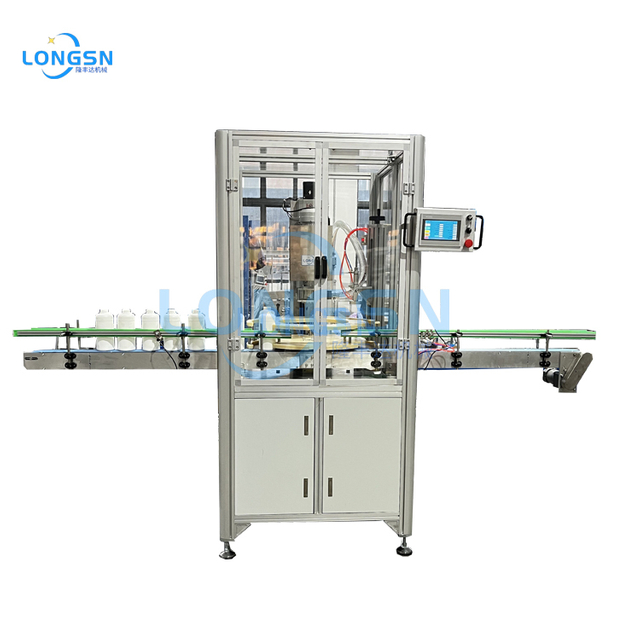
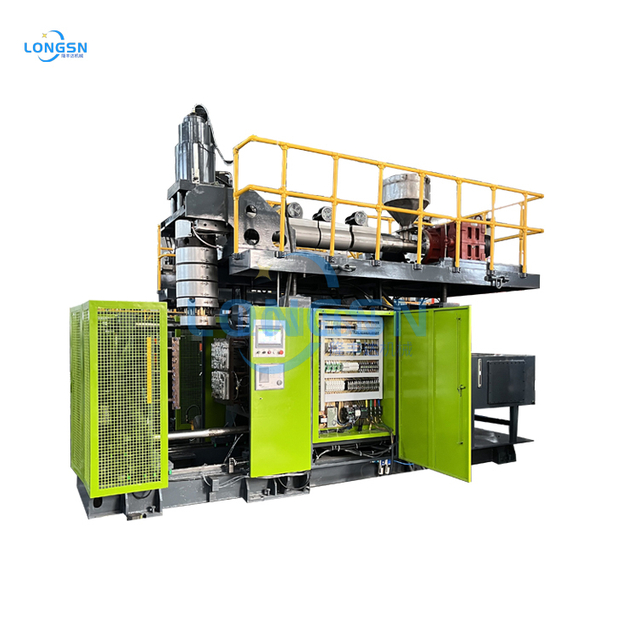
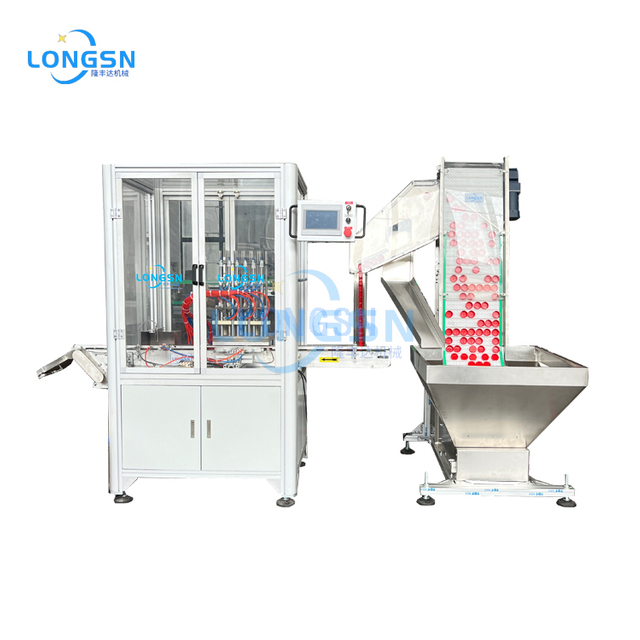
Blow molding machines frequently outpace manual bagging capabilities on the factory floor. This discrepancy creates a severe production bottleneck. Workers constantly struggle to keep pace during high-speed extrusion runs. This imbalance inevitably leads to labor bloat and line inefficiencies. Upgrading your end-of-line packaging setup requires careful financial calculation. You must balance initial capital expenditure against long-term labor savings. You also need to match continuous line speed requirements perfectly. This article provides an objective, decision-stage framework. Operations and procurement teams can use it to evaluate equipment tiers. We will decode common pricing structures for these packaging systems. You will learn how to match technical features to your specific facility realities. This ensures your final investment delivers genuine operational efficiency.
Key Takeaways
- Machine Tiers: Selection hinges on production volume; semi-automatic units solve labor strain for SME runs, while fully automated systems are critical for high-speed, continuous blow molding lines.
- Pricing Reality: Capital costs range from entry-level semi-auto units to six-figure fully integrated systems, heavily influenced by custom infeeds, speed requirements, and automation levels.
- Implementation Focus: Successful deployment requires precise alignment between the bagger's capabilities and the facility’s upstream equipment (e.g., blow molders, leak testers).
1. Defining Your Production Requirements (Business Problem Framing)
You must rigorously define your production needs before evaluating equipment options. The right packaging system solves specific operational bottlenecks. It should never create new constraints on the factory floor.
Matching Upstream Speeds
You must align bagging capacity directly with your upstream equipment. Blow molders operate at very specific Bottles Per Minute (BPM) rates. If your end-of-line system runs slower, containers accumulate dangerously. This causes jams and forces costly machine shutdowns. A high-quality plastic bottle bagging machine matches or exceeds upstream BPM. This continuous flow prevents line bottlenecks entirely. Calculate your maximum peak output carefully. Always add a twenty percent buffer to accommodate future production growth.
Labor Reallocation vs. CapEx
Manual packaging requires intense, repetitive physical effort. Operators face significant ergonomic risks over time. Replacing human labor requires high initial capital. However, automated equipment eliminates recurring manual labor costs. You can shift staff to higher-value operational tasks. Quality control and machine maintenance offer better returns on human capital. This reallocation improves overall plant productivity. It also drastically reduces employee turnover and workplace injury claims.
Format Flexibility Needs
Most companies produce various container shapes and sizes. Different neck finishes dictate different handling requirements. Quick-changeover capabilities become essential for diverse product portfolios. Adjustable lane guides help manage varying container dimensions safely. If you run multiple SKUs daily, prioritize format flexibility. Equipment lacking quick-change features will suffer massive downtime. Production managers must map out every container size before approaching vendors.
2. Solution Categories: Semi-Automatic vs. Fully Automatic
Selecting the right automation tier is your most critical decision. Each category serves vastly different production volumes and facility layouts.
Bagging Machine Category Comparison
| Feature Category | Semi-Automatic Systems | Fully Automatic Systems |
| Target Production Volume | Low to medium batch runs | High-speed, 24/7 continuous runs |
| Operator Requirement | One dedicated operator required | Zero dedicated operators needed |
| Format Changeover | Highly flexible, fast adjustments | Complex, requires precise tooling |
| Initial Capital Investment | Lower upfront cost | Significant upfront investment |
| Footprint Requirements | Compact, fits tight spaces | Large, requires extensive conveyors |
Semi-Automatic Bagging Machines
Target use cases include contract manufacturers and short batch runs. They fit facilities running frequent container format changes perfectly. The operational flow requires human intervention. An operator manually positions the pre-made bag. They initiate the sequence via a foot pedal or push button. The machine then handles accumulation, pushing, and thermal sealing. Pros include lower initial cost and a much smaller footprint. The main con remains operator dependence. Overall speed relies entirely on human pacing and endurance.
Fully Automatic Plastic Bottle Bagging Machines
Target use cases include high-volume, single-format runs. They suit continuous blow molding operations flawlessly. The operational flow is fully integrated from start to finish. Containers move from the conveyor infeed directly to bag forming. These systems typically utilize roll stock film. They seal and outfeed packs requiring zero manual intervention. Pros include maximized throughput and highly standardized pack quality. Cons include significant capital investment. They demand larger floor space and specialized maintenance skills.
3. Core Features to Evaluate for ROI
Equipment features directly impact your daily operational efficiency. You must evaluate these technical components against your specific production goals.
Film Handling (Pre-made Bags vs. Roll Stock)
Pre-made bags offer incredible mechanical simplicity. They eliminate complex cutting and forming mechanisms entirely. However, they carry higher consumable costs per unit. Roll stock tubular film provides much lower material costs. It enables significantly higher automation levels. You must weigh upfront machinery costs against long-term film savings. High-volume producers almost always benefit from roll stock configurations. Smaller operations usually prefer the simplicity of pre-made bags.
Changeover Efficiency
Facilities running multiple SKUs need ultra-fast changeovers. Tool-less adjustments save hours of frustrating downtime. Programmable logic controller (PLC) recipe saving is highly beneficial here. Operators simply select a saved profile on an intuitive touchscreen. The system automatically adjusts specific mechanical parameters. Standardized parts across machine modules also streamline the process. Complex changeovers destroy production schedules. Prioritize intuitive mechanical designs.
Infeed and Accumulation Technology
How the machine groups containers matters immensely. Servo-driven pushers offer remarkably precise motion control. They handle lightweight containers gently. Staggered lanes help nest oddly shaped containers efficiently. Good accumulation technology prevents jamming completely. It ensures tight, uniform packs ready for secure shipping. Poor accumulation leads to loose bags and damaged products. Evaluate the infeed design rigorously during vendor demonstrations.
Sealing Integrity
Thermal sealing mechanisms must operate flawlessly every cycle. High-quality seals keep empty containers sterile during storage. They secure products tightly during rough pallet transit. Look for uniform heat distribution across the entire sealing bar. Advanced systems monitor temperature and pressure continuously. They automatically reject improperly sealed bags. Weak seals cause massive product loss and customer complaints.
4. Decoding Plastic Bottle Bagging Machine Pricing
Understanding pricing structures prevents budget overruns. Capital costs vary widely based on engineering complexity and speed requirements.
Base Model Price Ranges
Base costs fluctuate based on baseline automation levels. Semi-automatic models usually range from $15,000 to $35,000. Entry-level automatic models start around $60,000. High-speed automatic systems often exceed $120,000 easily. These are standard industry averages intended to guide early budgeting. Exact quotes require detailed engineering evaluations. Never assume the base price covers a fully functional production line.
Customization Add-Ons
Standard machines rarely fit perfectly into existing lines. Custom conveyor integration escalates the final invoice quickly. Ionized air rinsers ensure internal container cleanliness before packaging. Specialized leak detector bridges add critical quality control steps. Custom safety guarding and light curtains increase costs further. Each engineering modification increases the total purchase price. You must categorize modifications as either essential or merely preferred.
Hidden Operational Variables
Budgeting requires looking far beyond the equipment sticker price. Factory acceptance testing (FAT) incurs travel and engineering time expenses. Freight and heavy rigging costs add up surprisingly quickly. Installation and on-site commissioning require highly specialized vendor technicians. You should also budget for recommended spare parts kits. Skipping spare parts saves money initially but causes catastrophic downtime later. Factor these variables into your final capital request.
5. Implementation Risks and Facility Considerations
Buying the equipment represents only half the challenge. Installing and operating it safely introduces several facility-level risks.
Footprint and Layout Constraints
Underestimating physical space is a remarkably common mistake. The machine itself takes up significant room. Upstream accumulation conveyors require extensive linear floor space. Operators need safe access zones around moving mechanical parts. Maintenance teams need clearance to open electrical cabinets safely. Draft a precise floor plan before signing any purchase orders. Ensure the equipment fits through your existing factory doors.
Utility Requirements
High-tech automated systems require robust utility connections. Verify stable drops for three-phase electrical power. You also need remarkably clean, dry compressed air. Check specific CFM and PSI requirements beforehand. Weak air pressure causes pneumatic cylinders to fail mid-cycle. Wet compressed air destroys expensive pneumatic valves quickly. Upgrade your facility utilities before the delivery truck arrives.
Adoption Friction
Maintenance teams often face a steep learning curve. Transitioning from mechanical repairs to digital troubleshooting takes time. Diagnosing PLC systems requires entirely new software skills. Servo motor tuning demands specialized electronic knowledge. Plan comprehensive training sessions for your technical staff. Relying entirely on OEM phone support causes unacceptable downtime. Empower your internal teams through structured education.
6. Shortlisting Logic and Next Steps for Procurement
Structuring your procurement process guarantees better vendor matches. A methodical approach prevents emotional or purely price-driven purchasing errors.
Data Gathering
Collect precise documentation before contacting any equipment manufacturers. Gather these specific items:
- Exact container CAD drawings highlighting neck dimensions.
- Current and projected BPM production data.
- Factory floor AutoCAD files showing available space.
- Desired pack matrix configurations (e.g., 5x10 arrays).
- Available electrical and pneumatic utility specifications.
Providing this exact data ensures vendors engineer accurate solutions. Vague requirements produce highly inaccurate price estimates.
Evaluating OEM Credibility
Vet manufacturers thoroughly before engaging in deep negotiations. Look for localized technical support teams. Check their availability of off-the-shelf replacement parts. Ask OEMs to provide active customer reference sites. Visit these sites to see machines running live. Talk to current operators about machine reliability. A credible vendor welcomes rigorous technical scrutiny.
Requesting a Structured Quote
Ask vendors for highly itemized equipment quotes. Separate the base machine costs from custom engineering fees. Request clear pricing for annual preventative service agreements. Demand exact lead time estimates in writing. This structured approach makes comparing multiple proposals much easier. It highlights hidden fees and exposes unrealistic delivery promises quickly.
Conclusion
The best packaging equipment scales directly alongside your facility. It must match specific blow-molding outputs precisely. It should also handle your exact format variability without constant jamming. Prioritize local service availability above all else when selecting vendors. Changeover simplicity matters much more than absolute top-speed metrics. This holds especially true if you handle multiple SKUs daily. Audit your current manual packaging costs today. Gather your container specifications and facility layout drawings. Begin structured OEM conversations to find your ideal automated solution.
FAQ
Q: What is the typical lead time for a custom machine?
A: Lead times depend heavily on supply chain realities. Expect 12 to 24 weeks for final delivery. High automation levels or extensive custom infeeds push this timeline closer to 24 weeks. Standard semi-automatic units usually ship much faster from existing inventory.
Q: Can one bagging machine handle both square and round bottles?
A: Yes, they can handle various container shapes. You will need custom change parts for vastly different geometries. Adjustable lane guides help transition between square and round profiles smoothly. Tool-less adjustments make these switch-overs much faster.
Q: How does roll stock film compare to pre-made bags in terms of operating cost?
A: Roll stock film offers a much lower per-unit material cost. It proves highly economical for massive production volumes. However, the equipment required to form and seal roll stock demands a higher upfront capital investment.
Q: Does the machine require a dedicated operator?
A: Semi-automatic setups require a dedicated operator. They position bags and trigger the sealing cycle manually. Fully automatic systems operate independently. They integrate directly into the continuous line, requiring zero manual intervention beyond occasional film roll replacements.

 English