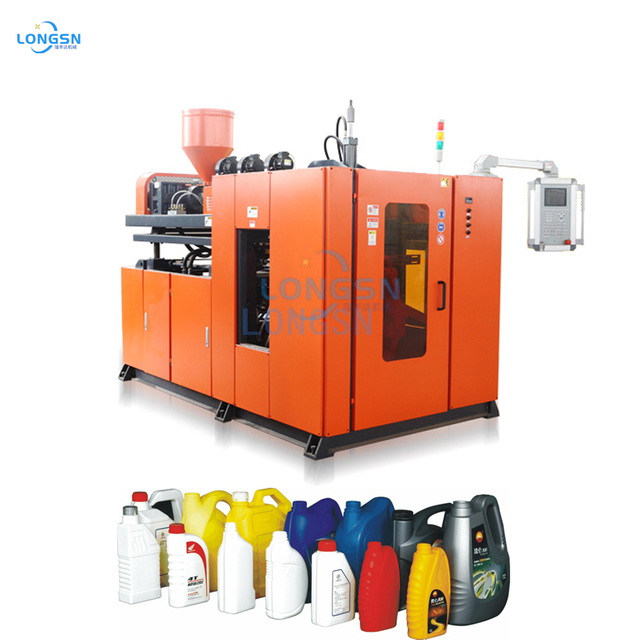
Investing in industrial manufacturing equipment carries incredibly high financial and operational stakes. You are not just buying a piece of metal; you are securing your entire production capacity for years. The purchasing decision requires a careful balance between upfront capital expenditure and long-term operating expenses. Selecting the wrong equipment often leads to severe production bottlenecks, high scrap rates, and excessive energy consumption. These pitfalls make thorough evaluation absolutely critical for your business. This comprehensive guide provides a realistic, evidence-based framework for evaluating different machine types. You will learn how to shortlist credible manufacturers and calculate long-term operating costs accurately. By the end, you will know exactly how to choose the right production setup for your specific facility.
Key Takeaways
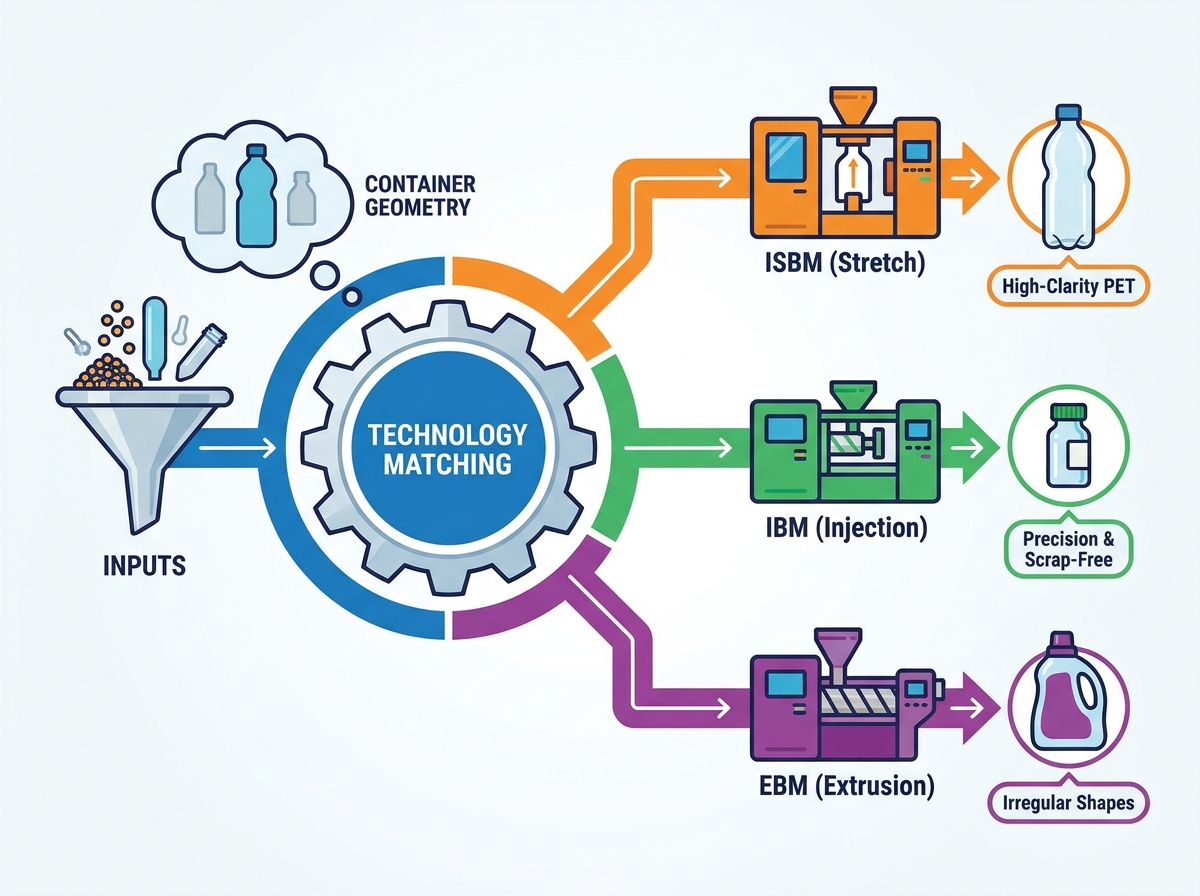
- Technology matching is non-negotiable: Extrusion (EBM), Injection (IBM), and Injection Stretch (ISBM) serve fundamentally different materials and container geometries.
- Base price is a fraction of TCO: Auxiliary equipment, molds, and energy consumption often exceed the initial machine cost over a 5-year period.
- All-electric vs. hydraulic: Upfront premiums for servo-driven or all-electric machines are typically recovered through energy savings and reduced cycle times.
- Vendor vetting requires proof: Prioritize suppliers offering transparent Factory Acceptance Testing (FAT) and guaranteed local spare parts availability.
1. Framing Your Production Requirements
Before purchasing an industrial Blow Molding Machine, you must clearly define your operational parameters. Start by establishing your volume and cycle time metrics. You need exact Bottles Per Hour (BPH) or parts per minute targets. These exact metrics dictate your cavity requirements. If you overestimate your needs, you waste capital on oversized equipment. If you underestimate them, you will struggle to meet delivery deadlines.
Next, evaluate your material compatibility constraints. Different machines handle specific resins better than others. High-density polyethylene (HDPE), polypropylene (PP), PET, and polycarbonate behave differently under heat and pressure. You must match equipment capabilities to your chosen resin. A machine optimized for PET stretching will not successfully extrude HDPE jerry cans.
You must also outline your geometric and structural specifications. Assess your product portfolio closely. Do your bottles need integrated handles? Will you require multi-layer co-extrusion to create specialized chemical barriers? Precise neck finishes also heavily influence your machinery choice. Complex geometries often force you toward specific extrusion or injection platforms.
Finally, carefully assess your existing floor space and infrastructure. Review your plant layout before talking to vendors. Consider strict clean room requirements for medical products. Check your ceiling height if you plan to install tall accumulator heads. You must also guarantee sufficient heavy-duty power and cooling availability to run these massive systems efficiently.
2. Core Blow Molding Machine Technologies: Categorizing Solutions
Understanding the three primary technology categories helps you align equipment with your exact packaging needs. Each process offers distinct mechanical advantages for specific product lines.
Extrusion Blow Molding (EBM)
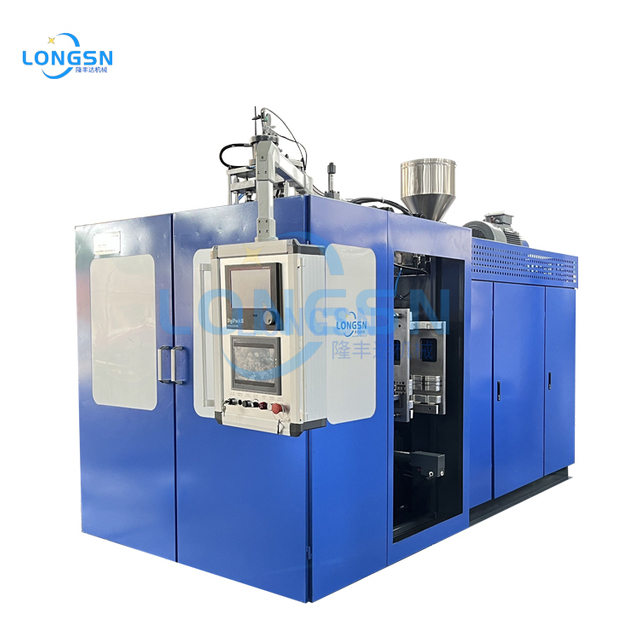
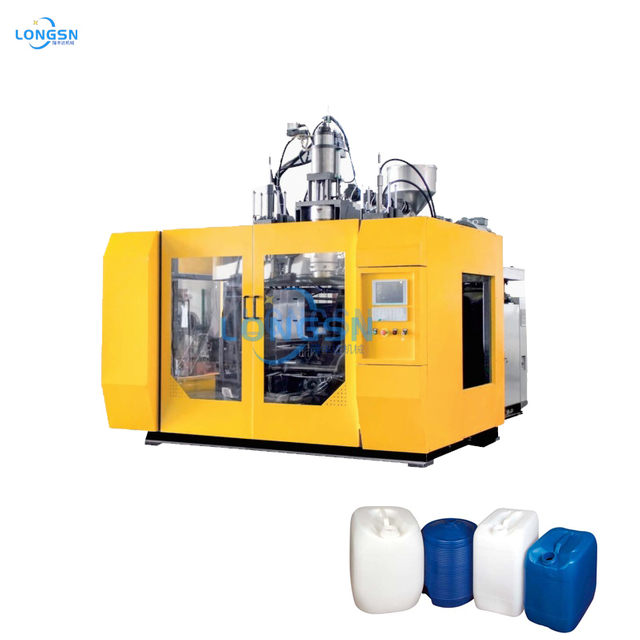
EBM pushes melted plastic into a hollow tube known as a parison. The mold clamps around it, and air blows the plastic into shape. This method is best for irregular shapes, containers featuring hollow handles, and thick automotive parts. When evaluating EBM solutions, you must decide between continuous extrusion and accumulator head designs. Continuous extrusion works beautifully for standard bottles. However, you absolutely need an accumulator head for heavy, large parts like industrial drums to prevent parison sagging.
Injection Blow Molding (IBM)
IBM injects resin over a core pin, then transfers it to a blowing station. This process is best for small, high-precision pharmaceutical and cosmetic bottles. The primary evaluation lens here involves balancing scrap-free production and precise weight control against high tooling complexity. The molds cost significantly more than EBM molds, but the finished parts require zero trimming. This makes IBM highly attractive for high-volume medical applications.
Injection Stretch Blow Molding (ISBM)
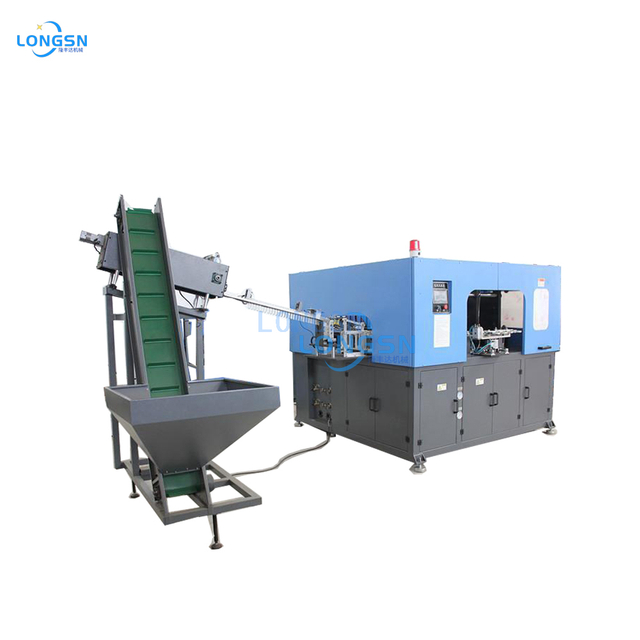
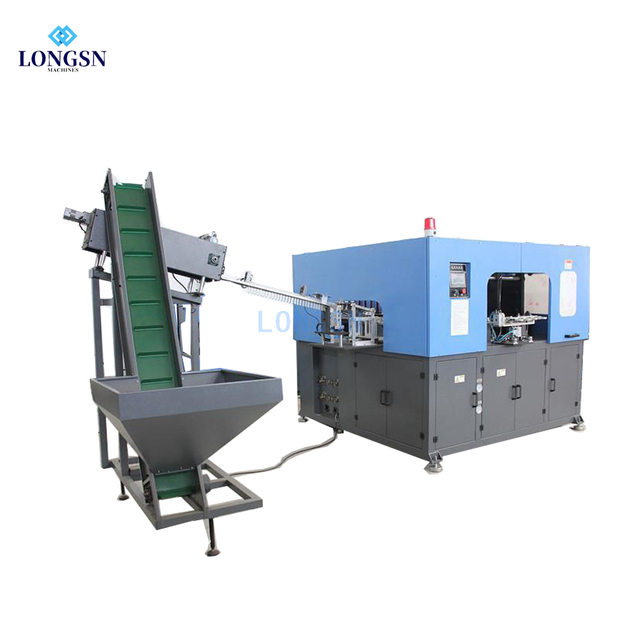
ISBM incorporates an additional stretching rod to orient the plastic molecules. This creates exceptional strength and clarity. It remains the best choice for high-clarity PET containers and carbonated beverage bottles. You must evaluate whether to use a single-step or two-step process. Single-step machines handle injection and blowing in one continuous loop, making them ideal for niche, flexible production runs. Two-step systems separate the processes, utilizing pre-made preforms to achieve the absolute highest output for standardized water or soda bottles.
Technology Comparison Matrix
| Technology Type | Ideal Applications | Primary Advantages | Key Limitations |
| Extrusion (EBM) | Jerry cans, automotive ducts, handled bottles | Low tooling cost, highly versatile | Generates scrap (flash) requiring trimming |
| Injection (IBM) | Pill bottles, high-end cosmetics | Scrap-free, perfect neck finishes | Expensive tooling, limited to smaller sizes |
| Stretch (ISBM) | PET water bottles, carbonated beverages | Unmatched clarity, high mechanical strength | Poor performance with non-PET resins |
3. Evaluating Prices and Operating Expenses
Equipment budgeting extends far beyond the sticker price on the vendor's invoice. You must evaluate both immediate capital requirements and ongoing operational costs to secure a profitable production line.
Base Equipment Cost Ranges
Base equipment costs vary across a massive spectrum. You need to establish realistic baseline expectations early in your sourcing journey. Entry-level, semi-automatic machinery requires a much smaller initial investment. These machines work well for pilot runs or regional startups. Conversely, high-cavity, fully automated, all-electric systems demand premium pricing. However, they deliver superior efficiency, tighter tolerances, and faster cycle times.
Tooling and Mold Investments
Tooling investments represent a major portion of your upfront capital. Mold costs fluctuate wildly based on cavitation counts and material selection. Aluminum molds cost less and cool quickly, but they wear out much faster in high-volume environments. Hardened steel molds cost substantially more but survive millions of cycles without degradation. You must factor complete tooling expenses into your initial budget immediately to avoid project delays.
Auxiliary Equipment Realities
Auxiliary equipment realities often surprise inexperienced buyers. A bare Blow Molding Machine cannot operate in a vacuum. You need a complete ecosystem to run production smoothly. Make sure you budget for the following required systems:
- Industrial chillers to rapidly cool molds and maintain cycle times.
- High-pressure and low-pressure air compressors for machine actuation and bottle blowing.
- Automated leak testers to guarantee product integrity before shipping.
- Auto-def flashers and granulators to process and recycle scrap material immediately.
- Resin dryers and material handling vacuums for consistent material feed.
Calculating Operating Expenses (OpEx)
You must accurately forecast your long-term operating expenses. Daily energy consumption drives a significant portion of your overhead. Routine maintenance parts, lubrication, and filter replacements also add up steadily. Furthermore, you must estimate your expected scrap and reject rates. Even a two percent increase in rejected bottles can destroy your profit margins over a five-year lifecycle. Tracking these operational costs ensures your pricing models remain competitive.
4. Key Evaluation Dimensions for Equipment Selection
Selecting the perfect machinery requires analyzing several technical dimensions beyond basic output numbers. Use these four evaluation lenses to compare different manufacturers effectively.
- Drive Systems (Hydraulic vs. Servo-Hydraulic vs. All-Electric): You must evaluate the trade-off between traditional hydraulics and modern electric setups. Hydraulic systems offer a lower upfront cost and immense clamping force. However, they consume more electricity and risk oil leaks. All-electric models provide incredible precision, clean-room compatibility, and unmatched energy efficiency. Servo-hydraulic systems offer a middle ground, providing strong force with better energy modulation than standard hydraulics.
- Controls and HMI (Human-Machine Interface): Assess the underlying Programmable Logic Controller (PLC) framework. Industry standards like Siemens or Allen-Bradley guarantee easier troubleshooting and better integration with downstream packaging equipment. A highly intuitive HMI flattens the operator learning curve. Look for control systems that offer remote diagnostic capabilities, allowing engineers to troubleshoot issues without traveling to your facility.
- Scalability and Modularity: Determine if the equipment can grow with your business. Ask vendors if the machine accommodates future mold changes easily. Evaluate whether it can handle varying container sizes without requiring a total system overhaul. Modular platforms allow you to add automation upgrades, like robotic part takeout or inline labeling, long after the initial installation.
- Compliance and Safety: Never compromise on operator safety. Verify strict adherence to regional safety standards, such as OSHA in the United States or CE marking in Europe. Scrutinize the mechanical and electrical locking mechanisms on all safety gates. Additionally, evaluate noise reduction features. High-pressure air exhausts cause severe hearing damage, so proper mufflers and acoustic enclosures are mandatory.
5. Implementation Risks and Vendor Shortlisting Logic
Even the best equipment fails if the vendor lacks reliable post-sale execution. You must scrutinize the manufacturer just as harshly as you scrutinize their machinery.
Service Level Agreements (SLAs) and Support
Scrutinize the vendor's local technician presence carefully. A manufacturer based overseas might offer excellent pricing, but their support model could ruin you. Ask for their average lead time regarding critical spare parts. If a specialized servo motor fails, waiting three weeks for international shipping will halt your production entirely. Prioritize vendors offering domestic parts hubs and guaranteed 24-hour response times.
The FAT (Factory Acceptance Test) Protocol
Establish strict performance guarantees before authorizing shipment. The Factory Acceptance Test (FAT) serves as your primary leverage. Demand continuous run tests at the quoted BPH using your exact resins and molds. Do not accept a short, 15-minute demonstration. A rigorous FAT exposes overheating issues, flash removal problems, and software bugs while the machine still sits on the vendor's floor.
Installation and Commissioning Timelines
Account for realistic delivery lead times. Global supply chain constraints frequently delay complex industrial machinery. Furthermore, calculate your rigging and freight costs early, as moving heavy equipment requires specialized contractors. Finally, clarify the duration of vendor-led operator training. Your staff needs sufficient hands-on time alongside the commissioning engineers to learn maintenance protocols properly.
Next-Step Actions
Move from casual browsing to issuing a structured Request for Quote (RFQ). A vague inquiry yields a vague price. Your RFQ must include detailed technical drawings, specific material spec sheets, and firm target output rates. Providing comprehensive data forces vendors to quote accurate, comparable systems. It also quickly weeds out suppliers who lack the engineering depth to handle custom projects.
Conclusion
Purchasing production machinery represents a major infrastructure investment, not a simple commodity purchase. Your decision impacts facility layout, daily utility bills, and product quality for decades. We strongly advise buyers to prioritize machine reliability, vendor transparency, and long-term operating costs over the lowest base price.
Before initiating vendor outreach, you should audit your current utility capacities to ensure you have the power and cooling required. Finalize your product designs and 3D models so manufacturers can provide accurate mold quotations. By approaching this purchase methodically, you protect your capital and position your manufacturing floor for sustainable, high-speed success.
FAQ
Q: What is the typical lead time for a custom blow molding machine?
A: Lead times generally range from 12 to 24 weeks depending on system complexity. Standard single-station machines ship faster, while highly customized, multi-layer co-extrusion systems require extensive engineering and extended manufacturing timelines.
Q: Is it worth buying a refurbished or used blow molding machine?
A: Used machines offer cost savings for simple, low-volume production. However, they often feature outdated PLCs, lack energy-efficient servo drives, and come without warranties. Proceed only if you have robust in-house maintenance expertise.
Q: How long does a blow molding mold typically last before needing replacement?
A: Mold lifespan depends on the construction material. Aluminum molds typically last between one and two million cycles. High-quality hardened steel molds can endure well over five million cycles before requiring significant refurbishment.
Q: What is the difference between single-step and two-step ISBM?
A: Single-step ISBM performs injection and blowing on the same machine, offering flexibility for niche bottles. Two-step ISBM requires pre-made preforms that are reheated and blown, providing much higher output rates for standardized containers.
Q: Can one machine run different types of plastics?
A: Sometimes, but it is rarely optimal. Extruder screws and die heads are heavily optimized for specific resin melt indexes. While some machines handle minor material variations, switching between vastly different polymers like PET and HDPE usually requires different equipment.

 English