Purchasing industrial manufacturing equipment represents a significant capital expenditure that shapes long-term unit economics and production capabilities. When evaluating a Blow Moulding Machine, operations managers face the challenge of matching specific production requirements—such as part geometry, material characteristics, and volume—with the correct machine architecture. Over-investing in unnecessary capacity wastes capital, while under-specifying critical features creates production bottlenecks and limits future scalability.
This guide provides a technical evaluation framework designed to help operations managers and procurement teams compare machine types, baseline capabilities, and implementation realities. By understanding the core mechanics, tooling requirements, and operational demands of different systems, you can make an informed decision that aligns with your manufacturing goals, facility constraints, and production targets.
- Machine selection dictates unit cost: The choice between Extrusion, Injection, and Stretch blow moulding directly impacts tooling expenses, cycle times, and material waste.
- Baseline capital expenditure varies widely: Entry-level or small-scale machines differ significantly in capability and footprint compared to high-capacity, automated systems.
- Tooling costs offer a competitive advantage: Blow moulding molds are generally less expensive than injection molding molds due to lower operating pressures, though they remain higher than rotational molding tooling.
- Operational expenses extend beyond the sticker price: Energy consumption, cooling infrastructure, and automated deflashing capabilities are critical factors in long-term profitability.
Framing the Decision: Success Criteria for Blow Moulding Operations
Defining Production Volume and Cycle Time
Calculating required throughput determines the scale of the equipment needed and directly influences the machine architecture you select. Cycle time limitations dictate the necessary number of cavities and machine heads. High-volume production demands multi-cavity configurations and faster cooling systems to meet output targets without compromising part quality. When evaluating cycle times, you must account for the entire process: extrusion or injection, blowing, cooling, and ejection.
To accurately define your production volume requirements, consider the following operational metrics:
- Calculate the net output required per shift, factoring in planned maintenance and typical scrap rates.
- Determine the cooling time required for your specific wall thickness, as this usually represents the longest phase of the cycle.
- Evaluate the dry cycle time of the machine to understand the mechanical limits of the clamping and transfer systems.
- Assess the capacity of downstream equipment, such as trimmers and leak testers, to ensure they do not bottleneck the primary machine.
Part Complexity and Wall Thickness Tolerances
The geometry of the final product limits machine options and dictates the necessary control systems. Asymmetrical shapes, integrated handles, and dual-wall configurations require specific processing capabilities, such as moving mandrels or specialized mold actions. Managing wall thickness tolerances ensures structural integrity and minimizes material usage, which directly impacts unit costs.
Parts with deep draws or sharp corners require advanced parison programming to prevent thinning and ensure uniform strength. You must evaluate the machine's ability to control material distribution dynamically during the extrusion or injection phase. Failure to maintain tight tolerances leads to increased scrap rates, higher material consumption, and potential product failures in the field.
Material Compatibility Requirements
Mapping the processing characteristics of key resins is essential for selecting the right machine configuration. High-Density Polyethylene (HDPE), Polyethylene Terephthalate (PET), Polypropylene (PP), Polyvinyl Chloride (PVC), and Low-Density Polyethylene (LDPE) each behave differently under heat and pressure. You must match the machine's screw design, including the L/D ratio and compression ratio, and the heating profile to specific polymers. This prevents thermal degradation and ensures melt homogeneity.
For example, processing PVC requires a specialized screw and barrel metallurgy to resist corrosion and manage shear-sensitive degradation. Conversely, PET processing demands precise temperature control to prevent crystallization and maintain clarity. Understanding these material-specific requirements ensures you specify a machine capable of delivering consistent melt quality.
| Polymer | Common Applications | Processing Considerations | Typical Machine Type |
| HDPE | Milk jugs, chemical drums, household cleaners | Excellent melt strength, easy to extrude, requires good cooling | Extrusion Blow Moulding (EBM) |
| PET | Water bottles, carbonated beverages, cosmetics | Moisture sensitive (requires drying), precise temperature control needed | Injection Stretch Blow Moulding (ISBM) |
| PP | Medical containers, hot-fill bottles, automotive parts | Higher melting point, prone to shrinkage, good clarity if processed correctly | EBM, ISBM, IBM |
| PVC | Industrial containers, clear non-food packaging | Shear sensitive, requires corrosion-resistant screw/barrel, strict thermal limits | EBM |

Types of Blow Moulding Machines: Technical Approaches and Trade-offs
Extrusion Blow Moulding (EBM) Machines
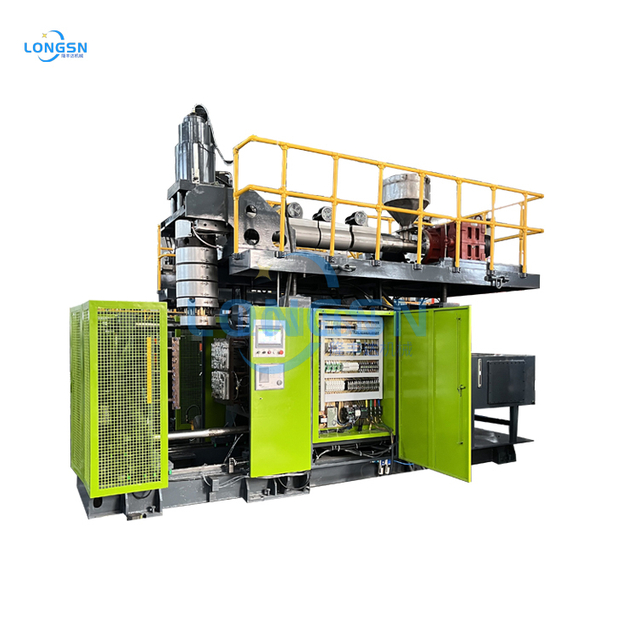
The extrusion process involves forming a molten polymer parison, which is then captured by a mold and inflated. Continuous extrusion works best for smaller, heat-sensitive materials and high-speed production of containers under 5 liters. In this setup, the extruder runs continuously, and the molds shuttle back and forth to capture the parison. Accumulator head systems are crucial for large, heavy parts like drums, automotive panels, and fuel tanks, where the parison must be quickly extruded to prevent sag and uneven wall thickness.
EBM is ideal for high-volume production of hollow objects such as milk jugs, chemical drums, and automotive fluid reservoirs. The trade-offs include higher scrap rates due to flash, which requires secondary trimming operations. However, tooling costs are generally lower compared to injection processes, making it a versatile choice for a wide range of industrial and consumer packaging applications.
Injection Blow Moulding (IBM) Machines
IBM operates in a three-stage process: injection molding the preform onto a core rod, blowing the preform in the blow mold cavity, and ejecting the finished part. This method is ideal for small, high-precision containers like medical vials, cosmetic bottles, and pharmaceutical packaging that require exact neck finishes and zero-scrap production. The injection phase allows for precise control over the neck geometry, which is critical for sealing requirements in medical and cosmetic applications.
The primary trade-offs include higher initial tooling costs because the process requires both an injection mold and a blow mold. Additionally, IBM is limited to smaller part sizes and cannot produce geometries with integrated handles. The mechanical complexity of the indexing head also requires rigorous maintenance to ensure consistent alignment and prevent core rod deflection during the injection phase.
Injection Stretch Blow Moulding (ISBM) Machines
ISBM involves the vertical stretching of the preform using a stretch rod prior to and during high-pressure blowing to achieve biaxial molecular alignment. Single-stage systems perform injection and blowing in the same machine, saving floor space, maintaining thermal energy, and preventing preform damage. Two-stage systems inject preforms on one machine, cool them, and later reheat and blow them on a separate high-speed machine.
ISBM is ideal for carbonated beverage bottles, water bottles, and wide-mouth jars requiring high clarity, high tensile strength, and superior gas barrier properties, primarily using PET. Trade-offs include high initial capital equipment cost. Two-stage processes also require significant floor space, storage for preforms, and secondary heating infrastructure. The biaxial orientation achieved in ISBM significantly improves the mechanical properties of the container, allowing for lightweighting without sacrificing performance.
Technical Side-by-Side Comparison: EBM vs. IBM vs. ISBM
| Feature | EBM | IBM | ISBM |
| Primary Polymers | HDPE, PP, PVC | PP, HDPE, PS | PET, PP |
| Part Size Range | Large/Industrial | Small/Micro | Small-to-Medium |
| Neck Finish Precision | Moderate | Exceptionally High | High |
| Scrap Rate (Flash) | High/Requires Recycling | Zero/Scrapless | Minimal/Zero |
| Relative Tooling Cost | Low-to-Medium | High | Very High |
Blow Moulding Machine Cost Analysis: CapEx and OpEx
Base Machine Capital Expenditure
Small-scale and entry-level machines typically offer single-station setups, lower clamping force under 10 tons, basic PLC controls, and manually loaded preforms or basic single-cavity extrusion. These systems are suitable for prototyping, low-volume specialty runs, or operations with limited floor space. Mid-range production systems feature dual-station shuttles, multi-cavity configurations, proportional hydraulic valves, and basic parison programming, providing a balance between output capacity and capital investment.
High-capacity and industrial machines drive higher capital requirements with advanced features designed for continuous, high-speed operation. These include multi-layer co-extrusion up to 6 or more layers, multi-cavity rotary wheels, all-electric servo-driven clamping systems, and integrated leak-testing and packaging capabilities. The investment in these advanced systems is justified by significantly higher throughput, reduced labor requirements, and tighter process control.
Tooling and Mold Economics
Blow moulding mold costs are significantly cheaper than injection molding due to lower operating pressures. Aircraft-grade aluminum (7075-T6) provides excellent heat transfer and is easy to machine, making it suitable for mid-to-high volume EBM runs. Beryllium copper inserts are critical in high-wear areas like pinch-offs and neck rings where rapid heat dissipation is required. Tool steel is necessary for high-wear areas in high-volume IBM and ISBM runs despite slower thermal conductivity.
Mold lifespan and maintenance directly impact operational economics. Cooling channel calcification reduces heat transfer efficiency, extending cycle times and affecting part quality. Regular maintenance of pinch-off edges is required to ensure clean trimming and prevent excessive flash. Factoring in the cost of replacement inserts and routine mold refurbishment is essential for accurate long-term financial planning.
Hidden Operational Costs
Energy consumption heavily impacts operational costs. Evaluate the power draw of continuous extruders, preform reheat ovens, high-pressure air compressors, and hydraulic versus all-electric clamping systems. Scrap material handling involves costs for granulating equipment, colorant dosing, and labor for manual deflashing if not fully automated. Compressed air infrastructure requires dedicated high-pressure compressor packages, air filtration, and drying systems to maintain required air quality.
To minimize operational expenses, consider implementing the following strategies:
- Install variable frequency drives (VFDs) on extruder motors and hydraulic pumps to reduce energy consumption during idle or low-demand phases.
- Implement closed-loop cooling systems to minimize water usage and maintain consistent mold temperatures.
- Automate scrap recovery with in-line granulators that feed regrind directly back into the material handling system.
- Regularly audit compressed air systems for leaks, as high-pressure air generation is one of the most energy-intensive aspects of the process.
Core Features to Evaluate During Procurement
Clamping Force and Platen Size
Calculate required clamping force based on the projected area of the part, plastic material viscosity, and blowing pressure. Insufficient clamping force leads to mold separation during the blowing phase, resulting in excessive flash and out-of-tolerance parts. Platen dimensions and tie-bar spacing must accommodate multi-cavity mold integration and allow for efficient mold changes. Ensure the daylight opening is sufficient for the deepest parts you intend to produce.
Extruder Configuration and Parison Control
Screw and barrel metallurgy is vital for long-term reliability. Bi-metallic barrels and specific L/D ratios are necessary for processing abrasive or corrosive polymers like PVC or heavily filled resins. Multi-point parison programming dynamically adjusts parison thickness during extrusion. This reduces material usage, eliminates thin spots on corners, and improves top-load strength by placing material exactly where it is needed.
Automation and Secondary Operations Integration
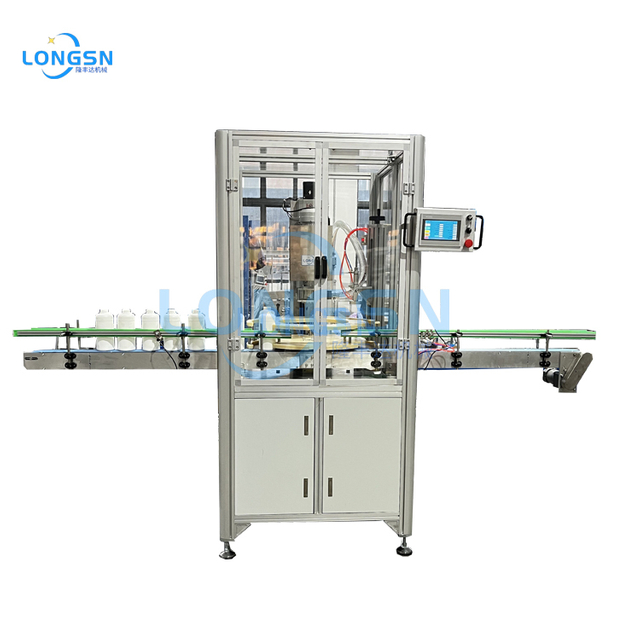
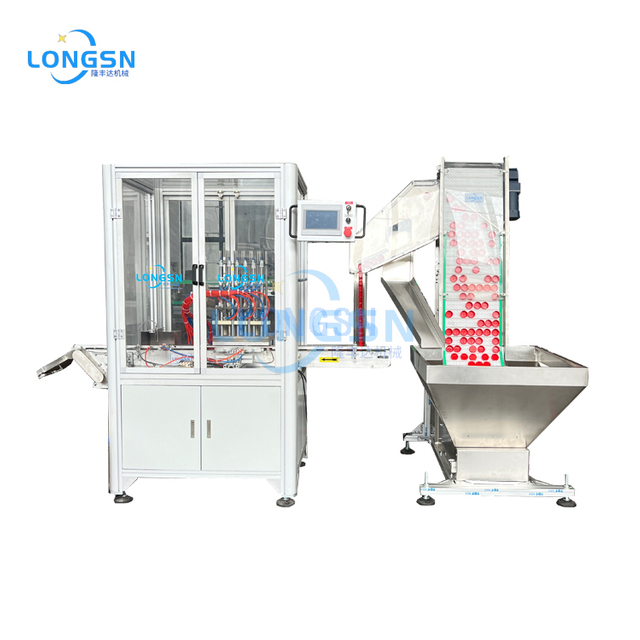
In-machine processing capabilities, such as in-line deflashing systems, neck-trimming stations, and take-out robots, streamline production and reduce reliance on manual labor. Downstream automation integrates leak testing, flame treating, optical camera inspection systems, and automated palletizing to minimize cycle time variance. Evaluating a machine's ability to interface seamlessly with these secondary systems is critical for achieving high overall equipment effectiveness (OEE).
Implementation Risks and Mitigation Strategies
Facility Infrastructure Requirements
Proper facility preparation is critical for a successful installation. Pneumatic and cooling utilities must meet the specific chilled water flow rates and pressure requirements of the selected machinery. Ensure electrical infrastructure can handle the peak load demands of extruders and heating systems to prevent operational downtime. Inadequate cooling capacity is a common bottleneck that forces operators to extend cycle times, negating the output advantages of high-speed machinery.
Mitigate implementation risks by conducting a thorough site audit prior to equipment delivery. Verify that floor loading capacities can support the weight of the machine and molds. Plan for adequate clearance around the equipment for maintenance access, mold changes, and material handling. Establishing a comprehensive preventative maintenance schedule from day one ensures the equipment operates within specified parameters and extends its functional lifespan.
Conclusion
Selecting the right equipment requires a thorough evaluation of production needs, technical specifications, and facility capabilities. Define your production volume and cycle time requirements before reviewing machine options. Assess material compatibility and part complexity to narrow down the choice between EBM, IBM, and ISBM. Finally, calculate the operational expenses, including tooling, energy, and secondary automation, to ensure long-term profitability.
- Audit your current facility infrastructure to verify cooling, electrical, and pneumatic capacities.
- Define exact part geometries and material specifications to determine the required machine architecture.
- Request dry cycle times and energy consumption data from manufacturers during the evaluation phase.
- Develop a comprehensive preventative maintenance plan for molds and auxiliary equipment.
FAQ
Q: What determines the cycle time of a blow moulding machine?
A: Cycle time is primarily determined by the cooling rate of the plastic, part thickness, mold material thermal conductivity, and the efficiency of the machine's cooling system. Faster heat dissipation allows for quicker part ejection.
Q: Why is parison programming important?
A: Parison programming controls the wall thickness of the extruded plastic tube, ensuring uniform material distribution, reducing waste, and improving the structural integrity of the final part by preventing thin spots.
Q: Can one machine process multiple types of plastics?
A: While some machines handle different resins, optimal performance requires specific screw designs, L/D ratios, and heating profiles tailored to the thermal properties and shear sensitivity of a particular polymer.
Q: What is the advantage of an all-electric clamping system?
A: All-electric systems offer higher precision, lower energy consumption, and cleaner operation compared to hydraulic systems. They eliminate the risk of oil leaks, making them ideal for medical and food-grade production environments.
Q: How do tooling costs compare between EBM and ISBM?
A: EBM tooling is generally less expensive due to lower operating pressures and simpler mold designs. ISBM requires highly precise, robust molds capable of withstanding high stretch and blow pressures, increasing initial costs.
Q: What role does the L/D ratio play in extrusion?
A: The Length to Diameter (L/D) ratio of the extruder screw determines the residence time of the polymer. A higher ratio provides better mixing and melt uniformity, which is critical for processing complex or blended resins.

 English