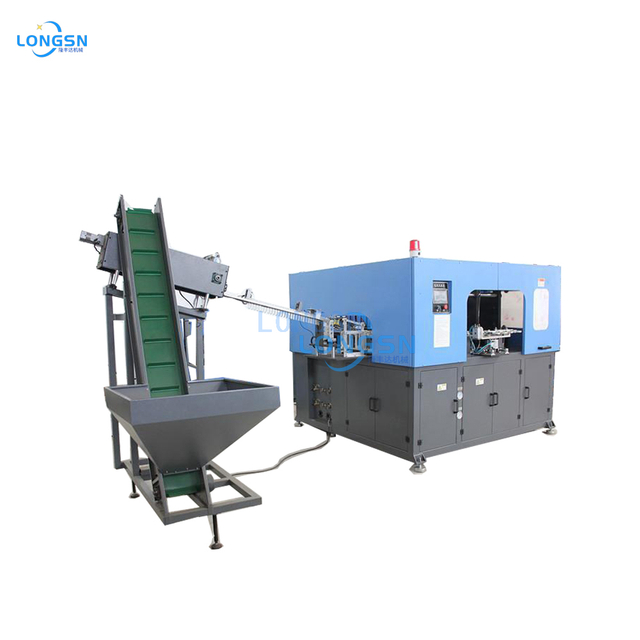
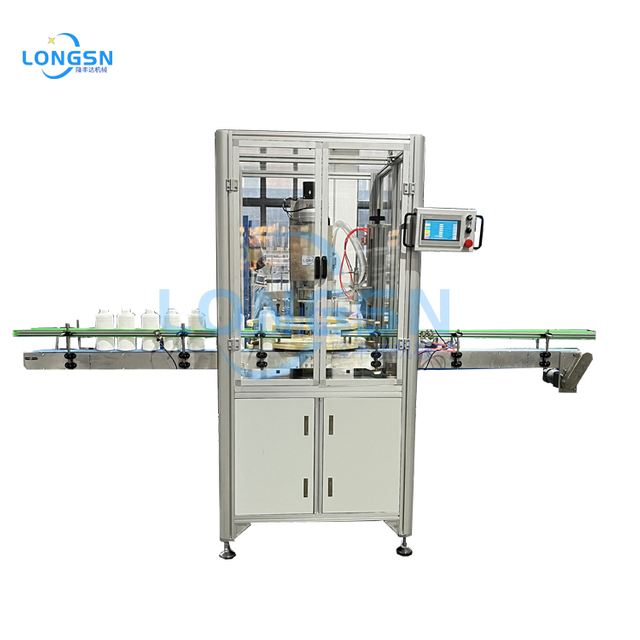
Sourcing a pet bottle making machine is a high-stakes capital expenditure. It directly impacts production bottlenecks on your factory floor. It also shapes unit economics and long-term operational scalability. Plant managers and packaging procurement heads often face a tough transition. Many beverage startup founders move from outsourced packaging to in-house production. Others must upgrade legacy manufacturing lines safely. We designed this guide to help you navigate these complex decisions.
You need an evidence-based, vendor-neutral evaluation framework. Our goal is to move you beyond standard specification sheets. We focus heavily on hidden operational expenses, production realities, and long-term asset viability. You will discover practical ways to match your equipment investments to real-world capacity demands.
Key Takeaways
- Match automation to volume: Semi-automatic machines preserve upfront cash for startups, but fully automatic systems drive lower per-unit costs at volumes exceeding 2,000 bottles per hour (BPH).
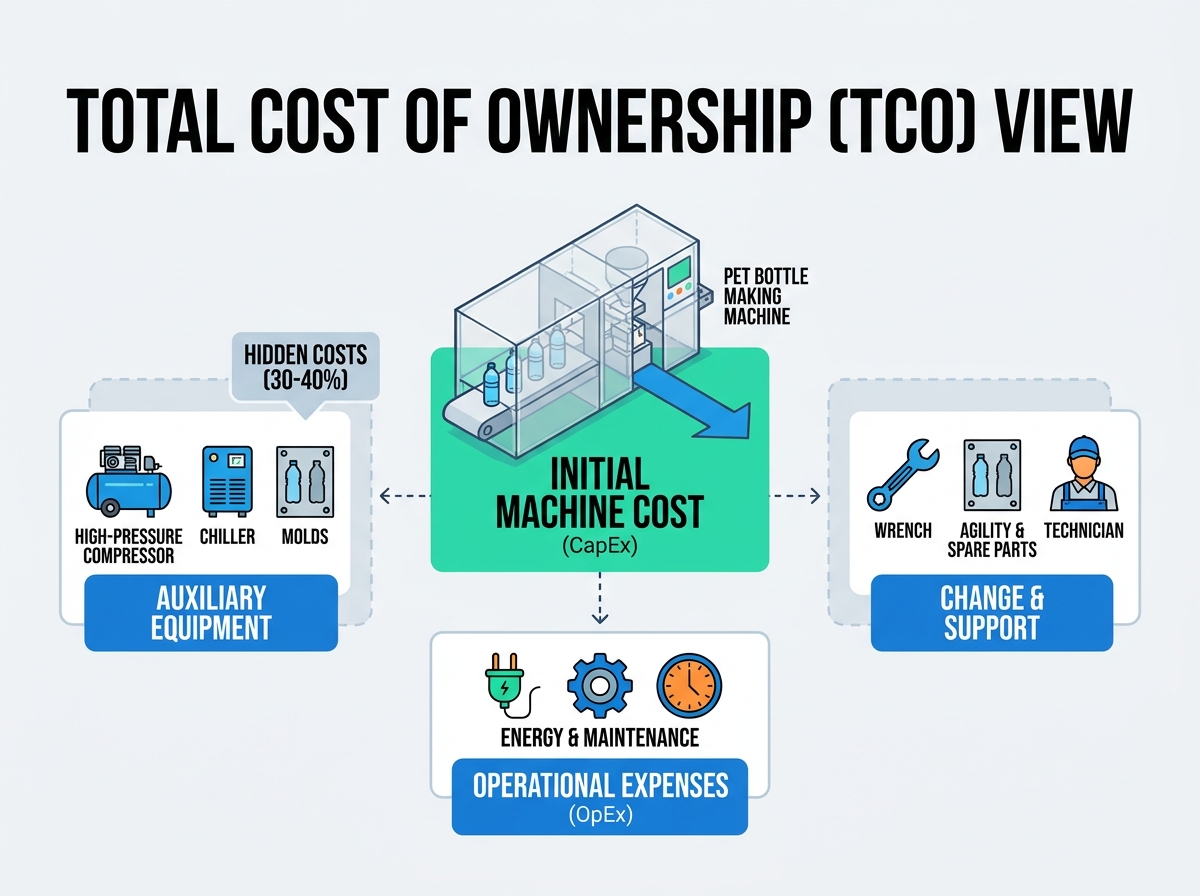
- Evaluate hidden auxiliary costs: The sticker price of the machine is only part of the investment; high-pressure air compressors, chillers, and molds often account for up to 30-40% of the total initial outlay.
- Factor in changeover agility: A machine's value heavily relies on how quickly operators can swap molds for different bottle shapes and neck finishes without extended downtime.
- Assess vendor support infrastructure: Long-term ROI depends strictly on regional spare parts availability, technician response times, and initial commissioning quality.
Defining Your Production Success Criteria and Capacity
Over-specifying your machinery ties up critical capital unnecessarily. Under-specifying your equipment causes severe fulfillment bottlenecks. You must strike a careful balance between current demand and future growth. Plant operators frequently struggle when they misunderstand actual production constraints.
Bottles Per Hour (BPH) and Cavity Count
You must calculate your true required BPH accurately. Never rely solely on a vendor's theoretical maximum output. Machinery rarely runs at perfect speed in a real production environment. You should factor in 85-90% Overall Equipment Effectiveness (OEE). This buffer accounts for operator breaks, routine maintenance, and minor jam clearances. If you need 4,000 bottles daily, calculate your hourly requirement based on actual functional shift hours. Cavity count directly dictates output. More cavities mean higher speeds but require larger compressors and more expensive molds.
Linear vs. Rotary Systems
Manufacturers generally offer two distinct equipment architectures. You must choose between linear and rotary configurations based on your output goals.
System Architecture Comparison Chart
| Feature | Linear Machines | Rotary Machines |
| Ideal Output Range | Small-to-medium (Up to 10,000 BPH) | High-speed continuous (10,000+ BPH) |
| Maintenance Complexity | Easier to maintain, accessible parts | Complex, requires specialized technicians |
| Mold Flexibility | Highly flexible for frequent SKU changes | Rigid, designed for uniform production |
| Initial Investment | Lower upfront capital requirement | Significantly higher initial investment |
Automation Levels in a PET Bottle Making Machine
Automation drastically changes your daily operational dynamics. You must analyze core differences in labor dependency, output consistency, and error rates. High automation reduces manual errors. However, it requires a skilled technical team to maintain the equipment.
Fully Automatic vs. Semi-Automatic Models
You have two primary paths when selecting your pet bottle making machine automation level. Each path serves entirely different business models.
- Semi-Automatic Systems: These require operators to load heated preforms into the blowing molds manually. They work best for low-volume startups. They also suit companies producing highly customized specialty bottles. Facilities located in regions benefiting from extremely low labor costs often prefer these models.
- Fully Automatic Systems: These seamlessly integrate the preform unscrambler, heating oven, and blowing station. They minimize human contact throughout the process. This integration proves essential for strict hygiene standards in beverage lines. Fully automatic systems provide the only viable route for scaling massive operations.
Implementation Reality
Purchasing automatic systems introduces a steep technical learning curve. Modern equipment relies on Programmable Logic Controller (PLC) software. Operators cannot simply push a button and walk away. They must understand heating profiles, air pressure timing, and mechanical synchronization. We highly recommend sending your lead operators to specialized PLC training before equipment delivery.
Hidden Operational Expenses and Asset Efficiency
Long-term profitability relies strictly on daily operational efficiency. It rarely depends on the initial purchase price alone. Shifting your focus from initial CapEx to ongoing OpEx uncovers the true financial impact of your machinery.
Energy Consumption
Blow molding requires massive electrical power. Infrared preform heaters draw heavy energy loads continuously. Air recovery systems can help mitigate this expense. They recycle high-pressure blow air back into the system for secondary tasks. You should actively look for systems utilizing servo-motor-driven toggles. Servo motors consume significantly less energy than purely pneumatic mechanisms. They only draw power when moving, whereas pneumatic systems constantly leak small amounts of compressed air.
Auxiliary Equipment Reality Check
Your main machine represents only a fraction of the necessary infrastructure. You must build a complete ecosystem to run the facility effectively. This ecosystem typically includes:
- High-pressure air compressors: Blowing rigid plastic requires 30 to 40 bar of pressure. These specialized compressors cost tens of thousands of dollars.
- Industrial chillers: Molds get incredibly hot during production. Chillers circulate cold water through the molds to prevent bottle deformation upon ejection.
- Low-pressure compressors: Standard machine pneumatics require standard 8 to 10 bar pressure to move cylinders and transfer arms.
Mold Flexibility and Changeover Costs
You must address the time required to change out molds. Bottling plants rarely run a single SKU forever. Standardized mold mounting systems severely reduce downtime during shape changes. Traditional bolts take hours to loosen and align. Modern quick-change mold mechanisms allow operators to swap bottle designs in under forty minutes. This speed keeps your production line running profitably.
Preform Compatibility and Supply Chain Integration
A blow molding machine works merely as a shaping tool. It remains entirely dependent on the preforms fed into its oven. Poor-quality preforms create defective bottles, regardless of your machine's quality.
In-House Injection Molding vs. Sourcing
Many plant managers debate manufacturing their own preforms. Buying a separate injection molding machine requires massive capital. It makes sense only when you surpass a specific volume threshold. If you consume millions of preforms monthly, in-house injection saves shipping costs. However, smaller operators should rely on established external suppliers. Outsourcing preforms shifts the burden of resin procurement and moisture control away from your team.
Neck Size and Weight Limitations
You must ensure your equipment matches your specific packaging requirements. Machines feature specific oven pitch distances. They also use specialized mandrel sizes to hold the preforms. Advise your engineering team to verify these dimensions. Your equipment must accommodate your exact preform neck finishes. Common sizes include 28mm PCO for carbonated drinks or 38mm for juices. Wide-mouth jars require entirely different heating profiles. Heavy preforms need longer heating times, which slows down your overall BPH.
Financial Structuring: CapEx vs. Leasing Models
Manufacturing startups often struggle with cash flow. Equipment financing and leasing trends have grown significantly in the packaging sector. You must choose a financial structure supporting your operational goals.
When to Buy
Purchasing equipment outright works best under specific conditions. You should buy when you have highly predictable volume demands. Established cash flow makes capital expenditure easier to absorb. Outright ownership also provides long-term asset depreciation benefits for your tax strategy. Buying makes perfect sense for custom bottle designs requiring proprietary machinery modifications.
When to Consider Leasing or Equipment Financing
Financial flexibility keeps startups alive. You should consider leasing when proving out a new beverage line. It preserves your cash runway for marketing and ingredient sourcing. Leasing also mitigates the serious risk of technological obsolescence. If a faster, more efficient model launches in three years, leasing allows you to upgrade seamlessly.
Risk Assessment
Leasing often protects against upfront liquidity drains. However, it involves strict maintenance compliance. Lenders demand routine servicing using authorized technicians. Leasing also results in higher long-term payouts compared to upfront cash purchases. You must weigh these financing premiums against your immediate need for working capital.
Evaluating Vendor Trustworthiness and Post-Sales Support
A shiny specification sheet rarely guarantees reliability. You must rigorously vet a machinery manufacturer's claims. Poor vendor support destroys production schedules and ruins client relationships.
Factory Acceptance Testing (FAT)
You must insist on a recorded Factory Acceptance Test (FAT). The vendor should run your specific preforms and molds at their facility. Do this before making your final payment and authorizing shipment. A successful FAT proves the equipment handles your exact bottle weight and design flawlessly.
Spare Parts and PLC Components
We strongly recommend verifying component sourcing. The machine should use internationally recognized, non-proprietary electronics. Check for brands like Festo, Siemens, or Schneider. Proprietary control boards force you to buy expensive replacements directly from the manufacturer. Globally recognized components ensure local replacement availability within hours instead of weeks.
Commissioning and Training
Assess whether the vendor provides comprehensive on-site installation. Delivering a machine solves only half the problem. The vendor must supply experienced engineers to calibrate the oven and blowing stations. They should conduct deep operator training and offer ongoing remote troubleshooting support. A vendor unwilling to support commissioning generally produces inferior equipment.
Conclusion
Selecting the right blow molding system requires disciplined evaluation. You must align the machinery with your realistic volume projections. Factor in local energy constraints and your team's current operational skillset. Avoid purchasing excessive capacity you cannot utilize effectively.
Focusing strictly on the lowest sticker price often leads to catastrophic downtime. Poor machine efficiency inflates daily operational expenses rapidly. A lack of accessible spare parts will keep your production line halted for weeks.
We encourage you to map out your true BPH requirements today. Audit your facility's power capacity and compressed air capabilities thoroughly. Request detailed operational expense projections from your shortlisted vendors. Never settle for basic, simplistic price quotes.
FAQ
Q: What is the standard lifespan of a commercial PET bottle making machine?
A: A well-maintained machine typically lasts 10 to 15 years. Lifespan depends heavily on operational hours and routine maintenance. Running a machine 24/7 accelerates wear on pneumatic cylinders and toggles. Most accounting departments use a 7-to-10-year standard depreciation cycle for financial planning.
Q: Can a single machine blow both small water bottles and large oil containers?
A: Usually, no. Drastic volume changes exceed a single machine's mechanical limits. The cavity pitch and machine stroke dictate the maximum bottle diameter. Small water bottles and 5-liter oil containers require entirely different machine classes, varying oven distances, and different blowing pressures.
Q: Do I need a cleanroom environment for my blow molding machine?
A: It depends entirely on your industry. Standard bottled water or soft drinks rarely require strict cleanrooms, just sanitary environments. However, dairy products, sensitive juices, and pharmaceuticals demand high-level cleanroom environments. These facilities strictly control airborne particulates to prevent contamination inside the freshly blown bottles.
Q: How much space is required for a complete PET blow molding production line?
A: You must account for more than just the main unit. A full line requires space for the high-pressure compressor, chillers, air tanks, and output conveyors. You also need significant square footage for safe preform storage and operator movement. Plan for at least three times the footprint of the machine itself.

 English