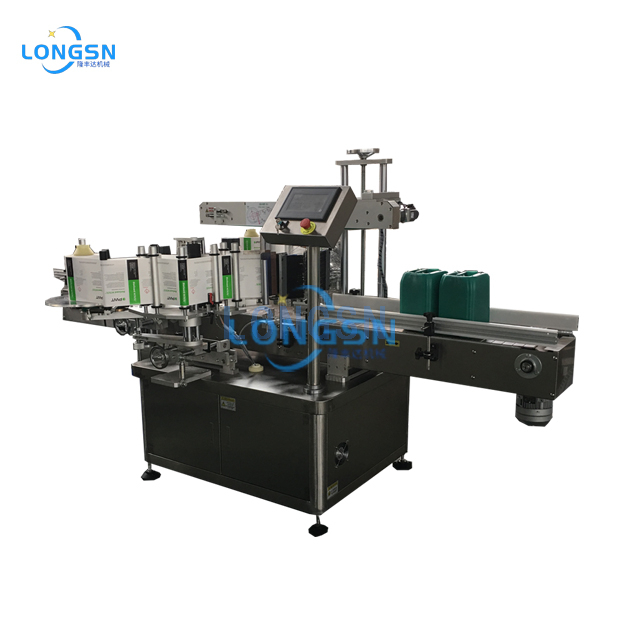
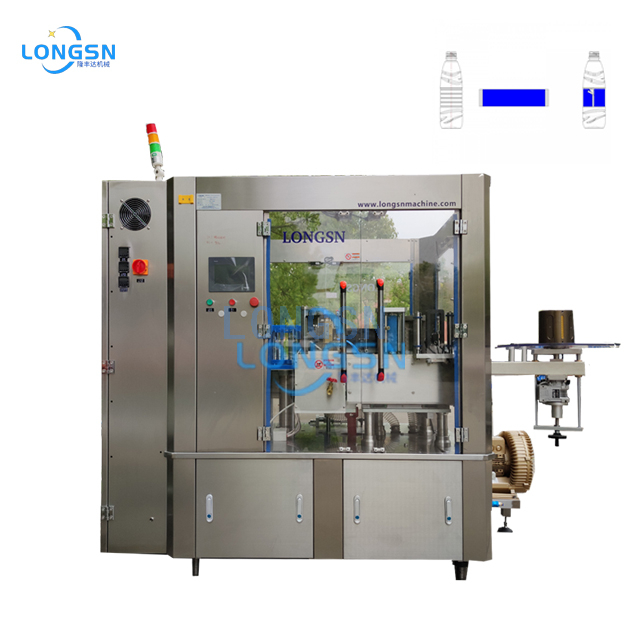
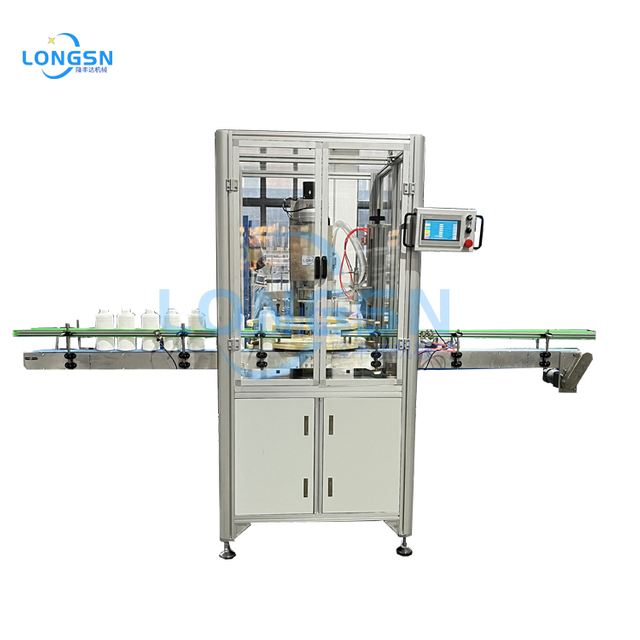
Scaling product output is only profitable if packaging lines can keep up. A mismatched labeler creates immediate production bottlenecks. Poor label application slows down your entire high-speed operation and ruins your product presentation. Moving from manual or semi-automatic setups to an Automatic Bottle labeling machine requires aligning equipment capabilities with specific operational realities. You must plan this upgrade carefully.
Before requesting quotes or committing to a vendor, establish a rigorous evaluation framework. We will explore how throughput, container geometry, and integration limits impact your selection. You will learn exactly how to match machine specifications to your facility's unique demands. By understanding these core mechanical and operational principles, you can build a reliable, highly efficient packaging line.
Key Takeaways
- Throughput dictates technology: Match machine speed (Bottles Per Minute - BPM) to your slowest production line component, building in a 20-30% buffer for growth.
- Geometry is a primary constraint: Round, oval, square, and tapered bottles require fundamentally different handling and label application mechanisms.
- Changeovers drive hidden costs: For facilities running multiple SKUs, evaluate equipment based on tool-less adjustment capabilities and memory presets.
Defining Baseline Production and Speed Targets
Determining your required machine speed goes far beyond reading a vendor's specification sheet. You must calculate a realistic throughput that accounts for daily operational realities. Equipment manufacturers often quote theoretical maximum speeds. These theoretical numbers assume perfect conditions, flawless label webs, and zero upstream interruptions. However, sustained operational throughput looks very different. Micro-stops, roll changes, and operator fatigue constantly chip away at your maximum output.
To calculate a realistic Bottles Per Minute (BPM) target, follow these critical steps:
- Identify your current filler and capper speeds.
- Calculate your Overall Equipment Effectiveness (OEE) target.
- Factor in the time required for average label roll changes.
- Add a 20% to 30% performance buffer for future volume increases.
Line synchronization serves as the backbone of an efficient packaging line. You must assess how the labeling machine will pace with existing equipment. Fillers and cappers usually dictate the main cadence of the line. Your labeling module should seamlessly match this rhythm. Accumulation tables play a vital role here. They act as a buffer between the capper and the labeler. If the labeler pauses for a roll change, the accumulation table gathers the incoming bottles. This prevents the entire upstream process from shutting down.
You must also define your production variables. Decide if your facility requires a dedicated high-volume line or a flexible high-mix system. Dedicated lines run a single product at blistering speeds. They require minimal adjustments and maximize output. High-mix environments handle frequent product swaps. In these facilities, operators change bottle shapes and label sizes multiple times a shift. A high-mix system demands modularity and rapid changeover capabilities to remain efficient.
Assessing Container Geometry and Label Formats
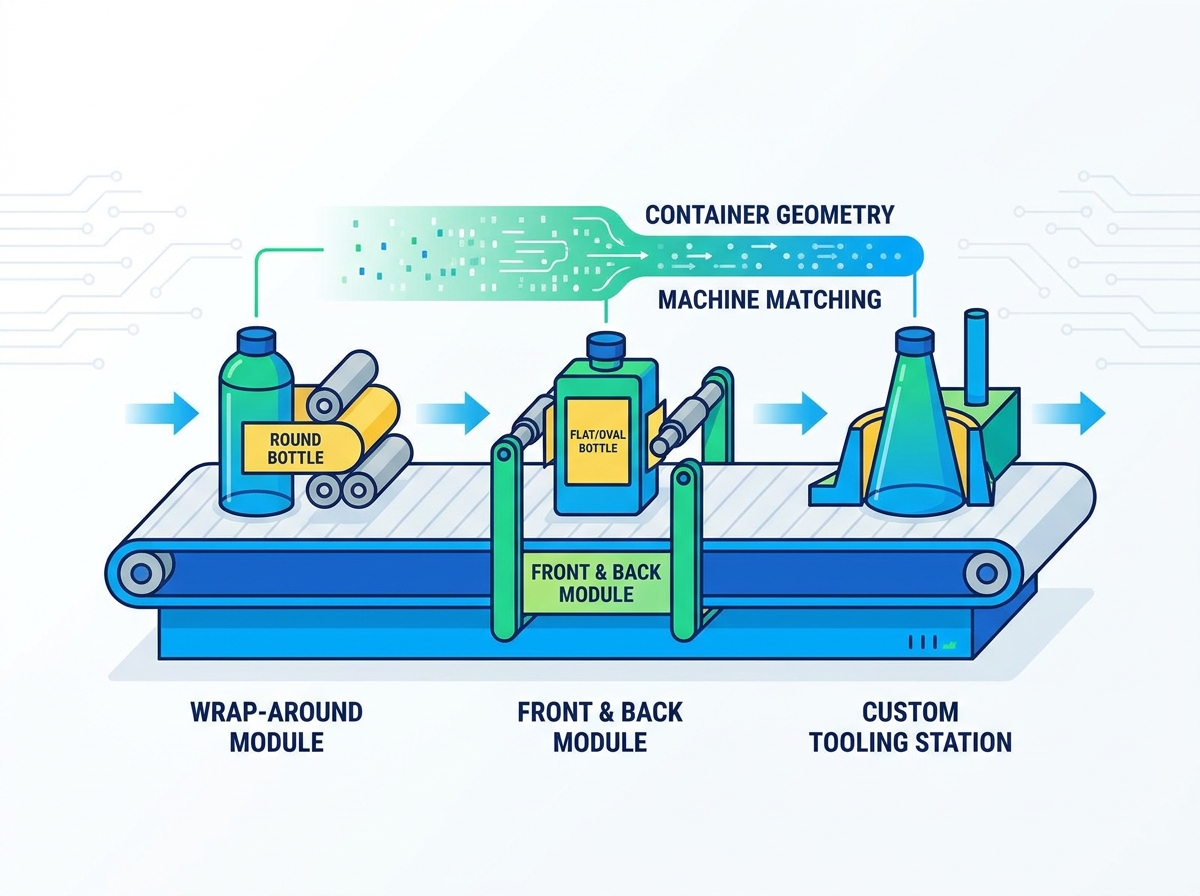
Container geometry directly limits your technology options. A machine built for round bottles will fail spectacularly when fed square containers. You must analyze your packaging portfolio before selecting application mechanisms. Each shape presents unique handling challenges on a moving conveyor.
- Cylindrical/Round: These require wrap-around labeling modules. Roller or belt-style wrappers spin the bottle to apply the label smoothly.
- Flat, Oval, or Square: These require front-and-back or multi-panel configurations. You need precision alignment mechanisms to ensure labels sit flush.
- Tapered/Custom: Irregular shapes demand custom tooling. You may need puck systems to stabilize the bottle as it moves through the application station.
Table 1: Container Shape and Module Compatibility
| Container Shape | Primary Module Required | Stabilization Needs | Typical Speed Capacity |
| Standard Round | Wrap-around belt | Standard side rails | Very High (up to 500+ BPM) |
| Flat / Oval | Front-and-back tamp | Overhead hold-down belt | Medium to High |
| Square | Corner-wrap wiping | Product pacing wheels | Medium |
| Tapered | Angled peel plates | Custom pucks | Low to Medium |
Beyond the bottle shape, label specifications dictate machine compatibility. You must evaluate the machine against your specific web widths and core sizes. Check the maximum roll diameter the machine can hold. Larger rolls mean fewer operator interventions. Label materials also change the game. Standard paper labels behave predictably. BOPP (Biaxially Oriented Polypropylene) labels stretch under high tension. Clear-on-clear labels create a "no-label" look but require specialized optical sensors to detect the gaps between labels.
Adhesion and surface tension introduce another layer of complexity. Container materials react differently to pressure. Glass bottles provide a rigid surface. You can apply high pressure during the wipe-down phase. Squeezable PET bottles flex under pressure. If the wipe-down mechanism pushes too hard, the bottle deforms, causing severe label wrinkling. You must test your specific bottle materials on the machine to configure the correct application pressure.
Integration, Footprint, and Line Compatibility
Physical space constraints often blindside project managers. You cannot just measure the machine's static footprint. You must measure the total operational envelope. Operators need enough clearance to load heavy label rolls safely. Maintenance teams require access panels to replace drive belts and lubricate moving parts. Material staging also consumes floor space. You need room nearby to stage incoming label rolls and empty core bins.
Common Mistake: Failing to account for aisle traffic. If forklifts cannot pass the newly installed equipment safely, you will face severe logistical and safety hazards.
Conveyor integration requires detailed engineering reviews. You have two primary paths. First, you can mount a labeling head over an existing conveyor. This saves space but relies on the existing conveyor's stability. Any vibration in the old conveyor transfers directly to the labeling process, causing skewed labels. Second, you can purchase an integrated, standalone chassis with its own drive system. This provides maximum stability and precision. The standalone option isolates the application process from upstream vibrations.
Upstream and downstream handshakes keep the entire line synchronized. Control systems rely on Programmable Logic Controllers (PLCs) to communicate fault states. If the labeler runs out of labels, it must immediately send a fault signal upstream. This signal tells the filler and capper to pause. Without this handshake, the upstream equipment will continue pushing unlabelled bottles into a stalled machine. This creates massive product crashes, broken glass, and prolonged downtime.
Mechanical Reliability and Changeover Efficiency
The core drive system dictates the long-term precision of your equipment. When comparing drive systems, you generally choose between stepper motors and servo systems. Stepper motors offer a cost-effective solution with standard accuracy. They work well for medium-speed lines running consistent products. However, stepper motors run in an open loop. They cannot correct themselves if they miss a step due to mechanical resistance.
Servo-driven systems provide higher precision. They utilize closed-loop feedback. The motor constantly monitors its exact position and adjusts on the fly. Servo systems excel in high-speed, continuous runs. They prevent gradual label drift over long shifts. For complex applications or high-speed lines, servo drives deliver superior reliability.
Changeover mechanics separate adequate machines from exceptional ones. You want quantifiable, repeatable changeover processes. Prioritize machines equipped with scaled handwheels and digital position indicators. When an operator switches from a 500ml bottle to a 1-liter bottle, they should not rely on guesswork. They should turn the handwheel to exact, documented numerical settings. This eliminates trial and error. Repeatable mechanics minimize expensive downtime between SKUs.
Sensor tolerances often make or break an application. Photoelectric sensors easily detect opaque paper labels. They look for the contrast between the label and the backing web. However, clear labels on a clear backing web confuse standard sensors. For clear-on-clear applications, you must specify ultrasonic sensors. These sensors detect the minute thickness difference between the backing web alone and the backing web with a label. Evaluating sensor capabilities upfront prevents continuous misfires during production.
Vendor Evaluation and Equipment Reliability
Avoiding the "cheap machine" trap requires looking beyond the initial purchase order. Poorly manufactured equipment creates severe operational disruptions. You must contrast initial savings against the daily impact of unexpected line downtime. When a cheap labeling head loses calibration, label skewing occurs immediately. Skewed labels destroy your brand presentation on the retail shelf. Furthermore, high reject rates throttle your production schedule and waste valuable packaging materials. Prioritize robust mechanical construction over aggressive discounting.
After-sales support determines your long-term success. Require vendors to provide clear Service Level Agreements (SLAs). You need to know exactly how quickly they will respond to critical breakdowns. Ask about typical lead times for standard wear parts. Peel plates, drive belts, and wipe-down rollers wear out over time. If a vendor cannot ship these parts within 24 hours, your line will sit idle. Remote troubleshooting capabilities also provide immense value. Vendors with remote PLC access can diagnose software faults in minutes, saving you days of waiting for a technician.
Compliance and documentation require strict vetting, especially in regulated industries. For food, beverage, or pharmaceutical applications, standard equipment often fails safety audits. Verify the availability of washdown-rated enclosures. NEMA 4 or IP65 ratings ensure the machine can withstand rigorous cleaning protocols without short-circuiting. Additionally, request Installation Qualification and Operational Qualification (IQ/OQ) validation documentation. These standardized documents prove the machine meets regulatory requirements before it ever touches your product.
Conclusion
Selecting the right equipment requires systematic evaluation and engineering discipline. It is an integration exercise, not a simple catalogue purchase. Your decision impacts the efficiency of your entire packaging line.
- Define realistic speeds: Always calculate sustained throughput targets using OEE metrics rather than theoretical maximums.
- Match the geometry: Ensure your machine module specifically aligns with your round, flat, or tapered container shapes.
- Prioritize quick changeovers: Insist on digital indicators and tool-less adjustments to minimize downtime in high-mix environments.
- Demand robust support: Vet vendors based on their remote troubleshooting capabilities and guaranteed wear-part availability.
Your immediate next step is to draft a standardized User Requirement Specification (URS) document. Detail your exact bottle dimensions, label roll specifications, and sustained speed targets in this document. Use this URS to initiate vendor site audits and request rigorous Factory Acceptance Tests (FAT) before finalizing any agreement.
FAQ
Q: What is the practical difference between a semi-automatic and an automatic bottle labeling machine?
A: The core difference lies in operator dependency. A semi-automatic labeler requires an operator to manually load and unload each container per cycle, capping throughput at 15 to 30 bottles per minute. Automatic systems integrate directly into continuously moving conveyors. They eliminate manual loading, enabling sustained speeds ranging from 50 to over 500 bottles per minute.
Q: How do I prevent label skewing on automatic machines?
A: Preventing skewing requires strict container control. You must ensure proper container spacing using gating wheels or feedscrews. Implement rigid overhead hold-down belts to stabilize the bottle during application. Finally, ensure the peel plates are perfectly aligned with the container's trajectory to maintain consistent label placement.
Q: Can one machine handle both round and flat bottles?
A: Yes, but it requires a modular system, often called a universal labeler. This equipment features both wrap-around stations for round bottles and side-tamp modules for flat bottles. While versatile, these systems require a significantly larger footprint and demand more complex changeover procedures between runs.
Q: What is the typical lead time for a fully automatic labeling system?
A: Standard configurations generally require 4 to 8 weeks for manufacturing and testing. However, highly customized systems involving specialized product handling, custom pucks, or complex PLC integration can extend lead times from 12 to 20 weeks. Always confirm FAT schedules early in the purchasing process.

 English