Inefficient packaging processes create severe operational bottlenecks across manufacturing and distribution centers. Product damage, excessive labor requirements, and compromised presentation directly impact facility output. Scaling production becomes nearly impossible when end-of-line packaging fails to match upstream throughput. Relying on manual wrapping or obsolete equipment slows down entire operations. It leads to dimensional weight inefficiencies, compromised product integrity, and hazardous warehouse handling conditions.
Facilities need reliable, automated solutions to eliminate these packaging constraints. An industrial Shrink Wrapping Machine serves as a primary capital investment for automating end-of-line packaging. This equipment transforms unpredictable manual labor into a standardized, high-speed operation. We will evaluate applications, calculate return on investment metrics, and select the right machine architecture for specific facility requirements.
- Scalable Automation: Shrink wrapping machines transition packaging from a labor-intensive bottleneck to a predictable, high-throughput automated process.
- Versatile Applications: Beyond basic retail display, these systems are critical for tamper-evident sealing, multi-packing, and weatherproofing heavy industrial goods.
- Equipment Architecture Dictates Throughput: The choice between L-bar sealers, side sealers, and continuous motion machines must align strictly with required Products Per Minute (PPM) and product dimensions.
- Warehouse Safety and Organization: Tight, transparent, and secure polymer seals dramatically reduce product loss, stabilize stacked goods, and improve facility safety compared to strap-based or manual alternatives.
What is a Shrink Wrapping Machine and How Does It Work?
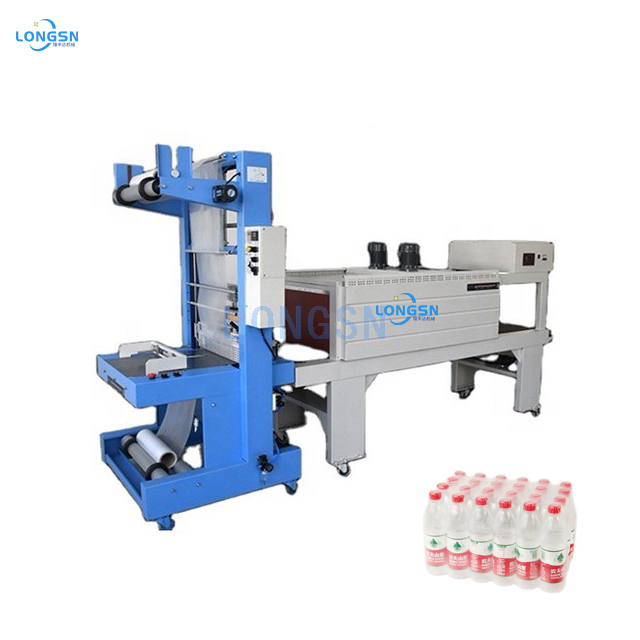
A shrink wrapping machine is industrial packaging equipment designed to apply polymer plastic film around a product or bundle. The system seals the film to create a fully enclosed bag. It then applies controlled thermal energy to the package. This heat forces the film to contract and conform tightly to the product's exact geometry. The result is a secure, transparent, and durable protective layer that enhances both security and aesthetics.
Core Mechanics: Film Application, Sealing, and Heat Tunnels
The shrink wrapping process relies on three distinct operational phases. Each phase requires precise calibration to ensure a flawless final package. Operators must synchronize these stages to prevent bottlenecks and material waste on the production floor.
The Staging Phase
Operators or automated conveyors feed the product into a folded film web. Centerfold film is the most common material utilized during this stage. The machine aligns the product precisely within the film pocket. Automated systems use advanced photoelectric sensors to detect product edges. This ensures the film dispenses at the exact length required. Proper staging prevents mechanical jams and ensures uniform film distribution around the item. In high-speed facilities, pacing conveyors separate products to maintain consistent gaps before they enter the film web.
The Sealing Phase
Once staged, the machine must enclose the product completely. Heated sealing blades or wires cut and fuse the film simultaneously. This creates a completely enclosed, clean bag around the product. Temperature control remains critical during this phase. If the blade is too hot, it burns the polymer and creates weak spots. If it is too cold, the seal breaks during the shrinking phase. High-quality machines utilize PTFE-coated sealing bars. This specialized coating prevents the melted plastic from sticking to the equipment and degrading the seal quality. Pneumatic cylinders often drive the sealing jaws to ensure consistent pressure across the entire seal length.
The Shrinking Phase
The sealed product immediately transfers into a heat tunnel. This tunnel uses either forced-air convection or radiant heat technology. The thermal energy activates the polymer memory of the film. The plastic contracts uniformly across all axes. Conveyor speed and tunnel temperature must work in perfect synchronization. A perfectly calibrated shrink phase eliminates wrinkles, dog ears, and surface burns. It results in a glass-like finish that tightly grips the product. Baffles inside the tunnel direct airflow to specific areas of the package, ensuring even contraction on irregularly shaped items.
Shrink Wrap vs. Stretch Wrap
Procurement teams often confuse shrink wrapping with stretch wrapping. They serve entirely different logistical purposes. Shrink wrap uses heat to contract film around individual items or small bundles. It provides surface protection, structural stability, and aesthetic presentation. Stretch wrap relies on mechanical tension. Machines stretch a highly elastic plastic film around bulk, palletized loads. You use stretch wrap to secure heavy pallets for transit. You use shrink wrap to protect and display individual retail or bundled products.

Industrial Applications: Where Shrink Wrapping Machines Drive Value
Different industries leverage shrink wrapping technology to solve unique packaging challenges. The versatility of the equipment allows facilities to adapt the process to strict regulatory and logistical demands. From food safety to construction logistics, automated wrapping provides tailored solutions.
Food and Beverage
The food and beverage sector relies heavily on this technology for safety and distribution. Facilities use FDA-approved polyolefin films for direct food contact. Shrink wrapping provides essential tamper-evident packaging. Consumers can instantly see if a product seal is broken. The tight seal also extends shelf life by reducing oxygen exposure. Multi-packing represents another major application. Facilities bundle water bottles, canned goods, and boxed items into uniform cases. This eliminates the need for corrugated cardboard trays and reduces overall packaging weight.
Pharmaceuticals and Cosmetics
Strict compliance and contamination prevention drive packaging decisions in pharmaceuticals and cosmetics. An automated Shrink Wrapping Machine creates secure, tamper-proof seals. These seals protect brand integrity and ensure consumer safety. The transparent film allows barcodes and regulatory information to remain visible for scanning. It prevents dust and moisture from compromising sensitive medical devices or high-end cosmetic cartons during transit and warehouse storage. Cleanroom environments often utilize specialized stainless steel wrappers to meet sanitation standards.
Construction and Heavy Materials
Heavy industry requires rugged packaging solutions. Construction material manufacturers use heavy-gauge polyethylene film to bundle bulky items. Bricks, ceramic tiles, drywall stacks, and lumber require robust stabilization. Shrink wrapping these materials provides critical weatherproofing for outdoor storage. The tight polymer layer prevents shift-induced breakage during transport. It ensures flatbed transport stability, replacing dangerous metal strapping that can snap or damage the product edges. We frequently see this application in lumber yards where moisture protection is mandatory.
E-commerce and Logistics
Fulfillment centers face constant pressure to optimize shipping metrics. Shrink wrapping directly reduces dimensional weight (DIM weight). Corrugated boxes add unnecessary bulk and require internal dunnage like bubble wrap or packing peanuts. Wrapping products in thin, durable film minimizes the overall package footprint. The film also protects products from dust, dirt, and moisture during last-mile delivery. This protection drastically reduces return rates caused by transit damage. Automated print-and-apply labelers easily integrate with these wrappers to streamline the shipping process.
Core Benefits: Evaluating the ROI of a Shrink Wrapping Machine
Investing in automated packaging equipment transforms facility operations. The return on investment extends far beyond simple labor reduction. It fundamentally improves how products are stored, shipped, and presented to the end user.
Throughput and Labor Efficiency
Transitioning from manual bagging and sealing to automated machinery yields immediate throughput gains. Manual packaging is slow, inconsistent, and prone to operator fatigue. A semi-automatic or fully automatic machine standardizes the cycle time. Automation allows facilities to reallocate headcount to higher-value tasks. Products Per Minute (PPM) increases dramatically. A single automated line can often replace three or four manual packaging stations, clearing production bottlenecks instantly.
Material Cost Reduction and Space Optimization
Traditional packaging relies heavily on corrugated boxes and void fill. Replacing bulky boxes with thin-gauge polyolefin or polyethylene films slashes per-unit packaging material usage. Film rolls take up a fraction of the storage space required for flat-packed boxes. This optimizes physical storage space in crowded warehouse environments. Lighter packaging also reduces the gross weight of shipments. This reduction yields further efficiencies across the entire supply chain.
Product Presentation and Brand Integrity
Retail success depends heavily on shelf appeal. High-clarity, transparent shrink films deliver a premium, untouched look to the end consumer. The tight wrap protects printed graphics on the primary packaging from scuffing. It allows barcode scanning directly through the wrap, streamlining retail inventory management. The glossy finish enhances the visual vibrancy of the product, signaling quality and cleanliness to the buyer.
Warehouse Safety and Stack Stabilization
Tightly wrapped products fundamentally improve workplace safety. Loose items create tripping hazards and unstable pallets. Shrink wrapping secures irregular stacks into solid, manageable units. It replaces hazardous packaging methods. Sharp metal strapping can cause severe lacerations when cut. Splintering wooden crates pose puncture risks. Polymer film eliminates these dangers while maintaining superior load integrity during forklift handling.
Tamper-Evident Security and Product Loss Prevention
Risk mitigation is a critical function of modern packaging. Shrink wrapping ensures end-users and retailers can immediately identify compromised goods. If a package is opened or tampered with, the film cannot be seamlessly reapplied. This visual evidence is critical for liability reduction. It minimizes product loss and theft during complex distribution cycles. Secure packaging builds trust across the entire supply chain.
Types of Shrink Wrapping Machines: A Decision Framework
Selecting the correct machine architecture dictates the success of the packaging line. Equipment must match the physical dimensions of the product and the required production speed. Understanding the mechanical differences prevents costly procurement mistakes.
I-Bar and L-Bar Sealers
I-Bar and L-Bar sealers serve low-to-medium volume operations. An I-Bar sealer has a single sealing blade, requiring multiple passes to enclose a product. An L-Bar sealer features two blades forming a right angle. It seals the open sides of centerfold film in a single motion. These machines operate manually or via pneumatic cylinders. They are highly suitable for smaller, uniform products. However, their stop-and-go nature limits maximum throughput.
Side Sealers and Continuous Motion Machines
High-speed, high-volume environments require side sealers or continuous motion machines. Side sealers create a continuous seal along the length of the product. This architecture accommodates products of infinite length, making it ideal for items like baseboards or rolled textiles. Continuous motion machines eliminate the stop-and-go bottleneck. The sealing head moves in tandem with the product on the conveyor. This uninterrupted flow maximizes Products Per Minute and ensures smooth handling of unstable items.
Shrink Tunnels: Convection vs. Radiant
The heat tunnel is the engine of the shrink process. Forced-air convection tunnels blow heated air evenly across the product. This provides uniform heat distribution, making it ideal for standard products and polyolefin films. Radiant heat tunnels use infrared heating elements. They transfer heat directly to the film without blowing air. Radiant tunnels excel in heavy-duty applications using thick polyethylene films, or when packaging lightweight items that might blow around in a convection tunnel.
Fully Automatic vs. Semi-Automatic Systems
Facilities must balance upfront capital expenditure against long-term labor requirements. Semi-automatic systems require an operator to stage the product and initiate the sealing cycle. They are efficient but limit maximum throughput. Fully automatic systems integrate directly into upstream conveyor lines. Photo-eyes detect the product, and the machine handles staging, sealing, and shrinking without human intervention. Fully automatic systems require higher initial investment but deliver superior output in high-volume, multi-shift operations.
| Machine Type | Volume Capacity | Footprint | Best Use Case |
| L-Bar Sealer (Manual) | Low (5-10 PPM) | Compact | Startups, bakeries, low-volume retail packaging. |
| L-Bar Sealer (Automatic) | Medium (15-30 PPM) | Moderate | Standardized boxed goods, medium manufacturing runs. |
| Side Sealer | High (30-60+ PPM) | Large | Products of infinite length, varied SKU sizes. |
| Continuous Motion | Very High (60-100+ PPM) | Large | High-speed food/beverage lines, printing facilities. |
Technical Evaluation Dimensions: How to Choose the Right Equipment
Procuring a shrink wrapping system requires a strict technical evaluation. Guesswork leads to equipment bottlenecks or wasted capital on unnecessary features. Facility managers must analyze specific production metrics before engaging vendors.
Throughput Requirements (PPM)
Calculate your current and projected Products Per Minute accurately. Evaluate peak seasonal demand, not just average daily volume. Under-specifying equipment creates immediate bottlenecks, forcing lines to shut down while the wrapper catches up. Over-buying ties up capital needlessly. Match the machine's continuous operating speed to your upstream production rate, building in a 20% buffer for future growth.
Product Dimensions and Changeover Times
Machine adjustability dictates operational flexibility. Define the maximum width, length, and height of your largest SKU. Ensure the machine's sealing jaw and tunnel opening can accommodate these dimensions with clearance. Evaluate changeover times carefully. Look for systems with tool-less adjustments, digital recipe memory, and hand-wheel guides to minimize downtime between batches.
Film Compatibility and Gauge Selection
Machines must handle specific film substrates based on the application. Polyolefin (POF) is the standard for retail display. It offers high clarity, low odor, and strong seals. Polyethylene (PE) is thicker and tougher. It is mandatory for heavy industrial bundling and multi-packing beverages. PVC is an older film type. PVC emits corrosive chloride gas when heated. This gas degrades machine components and requires strict environmental ventilation. Ensure your machine's sealing technology matches your required film type.
Footprint, Power Requirements, and Facility Integration
Physical installation realities often dictate machine selection. Measure your available floor space, accounting for infeed and outfeed conveyors. Heat tunnels draw massive amounts of electricity. Verify your facility can supply the necessary 3-phase power, typically 220V or 480V. Single-phase power is rarely sufficient for industrial heat tunnels. Plan the upstream and downstream conveyor integration to ensure smooth product hand-offs without dead zones.
Implementation Risks and Mitigation Strategies
Deploying industrial packaging equipment introduces specific operational risks. Proactive management ensures maximum uptime and consistent packaging quality. Ignoring these risks leads to premature equipment failure and material waste.
Maintenance Overhead and Wear Parts
Shrink wrapping machines rely on consumable wear parts. PTFE-coated sealing blades degrade over time. Conveyor belts stretch or fray. Heating elements in the tunnel eventually burn out. Establish a strict preventative maintenance schedule. Clean the sealing blades daily to prevent polymer buildup. Maintain an on-site inventory of critical spare parts. Waiting for a replacement heating element can shut down a production line for days.
| Component | Maintenance Action | Frequency |
| Sealing Blades | Wipe down with non-abrasive cloth to remove polymer residue. | Daily |
| PTFE Tape | Inspect for burns or tears; replace if compromised. | Weekly |
| Conveyor Belts | Check tracking alignment and tension. | Monthly |
| Pneumatic Filters | Drain moisture traps and check air pressure regulators. | Monthly |
Operator Training and Safety Protocols
Operating high-heat, moving machinery requires rigorous safety protocols. Heat tunnels reach temperatures exceeding 350°F (175°C). Sealing jaws operate with high pneumatic pressure. Implement comprehensive operator training. Mandate the use of emergency stop protocols. Ensure safety guards and interlocks remain active at all times. If running PVC films, guarantee proper facility ventilation to exhaust noxious fumes away from the operator station.
Inconsistent Shrink Quality
Poorly calibrated machines produce unacceptable packaging. Dog ears, burn holes, and loose wraps ruin product presentation. Troubleshoot these issues systematically to restore package integrity.
- Verify Tunnel Temperature: Ensure the heat output matches the specific melting point and gauge of the selected polymer film.
- Calibrate Conveyor Speed: Adjust the transit time so the film receives enough thermal energy to shrink without burning.
- Inspect Perforation Wheels: Clear any polymer buildup from the pins to ensure air can escape the package during contraction.
- Check Airflow Baffles: Direct the forced air precisely at the bottom and sides of the product for an even shrink.
- Align Film Rollers: Ensure the film web feeds straight into the staging area to prevent uneven tension on the seal.
Conclusion
An industrial shrink wrapping machine represents far more than a simple packaging tool. It is a strategic asset designed to reduce per-unit material usage, ensure product security, and improve warehouse safety. By automating the end-of-line packaging process, facilities can scale production effortlessly and eliminate labor-intensive bottlenecks. The right equipment guarantees that your products reach the end consumer in pristine condition, protected from environmental damage and tampering.
Begin your selection process by defining strict operational parameters. Document your maximum product dimensions, calculate your required Products Per Minute, and determine the optimal film substrate for your application. Use these metrics to shortlist equipment architectures, choosing between L-bar sealers for standard items or continuous motion systems for high-speed demands.
Take immediate action to upgrade your packaging line:
- Conduct a comprehensive facility audit to measure available floor space and verify 3-phase power availability.
- Request a sample wrap test from equipment manufacturers using your actual products and preferred film.
- Map out your upstream and downstream conveyor integration to ensure seamless automated product flow.
- Establish a preventative maintenance schedule and order backup wear parts before installation.
FAQ
Q: What is the difference between a shrink wrapping machine and a stretch wrapper?
A: A shrink wrapping machine applies a loose plastic film around an individual product or small bundle, then uses heat to contract the film tightly. This provides surface protection and aesthetic appeal. A stretch wrapper uses mechanical tension to stretch elastic film around large, heavy, palletized loads to secure them for bulk transit.
Q: How do shrink wrapping machines improve safety in warehouse environments?
A: They tightly secure loose items, preventing them from falling and creating tripping hazards. Shrink wrapping eliminates the need for sharp metal strapping or splintering wooden crates. It also minimizes dust and moisture exposure, creating stable, stackable units that are safer for forklift operators to handle and store.
Q: What type of plastic film is used in shrink wrapping machines?
A: The three primary films are Polyolefin (POF), Polyethylene (PE), and PVC. POF is highly transparent and ideal for retail display. PE is thicker and used for heavy industrial bundling and multi-packing. PVC is less common today due to the corrosive and toxic fumes it emits when heated.
Q: Can a shrink wrapping machine handle multiple product sizes?
A: Yes. Most machines feature adjustable sealing jaws, infeed guides, and tunnel settings. Side sealers are particularly versatile, as they can accommodate products of infinite length. Quick, tool-less changeover capabilities allow operators to switch between different SKU sizes efficiently during a single shift.
Q: How long do the heating elements and sealing blades last?
A: The lifespan of wear parts depends heavily on cycle counts and maintenance. With daily cleaning and proper temperature calibration, PTFE-coated sealing blades can last several months to a year. Heating elements in the shrink tunnel typically last one to three years, depending on the operational hours and vibration levels.
Q: Does shrink wrapping protect against moisture and dust?
A: Yes. Because the sealing process creates a fully enclosed polymer bag before the heat shrinks it, the final package is highly resistant to environmental contaminants. This fully sealed enclosure protects sensitive products from moisture, dust, and dirt during warehouse storage and last-mile delivery.
Q: What are the power requirements for a shrink tunnel?
A: Shrink tunnels require significant electrical power to generate and maintain high heat. Industrial tunnels almost always require 3-phase power, typically at 220V or 480V. Standard 110V single-phase outlets are generally insufficient for anything other than very small, entry-level tabletop machines.

 English