Scaling hollow plastic part production presents significant operational risks. Manufacturers face immense pressure to select equipment capable of maximizing output while minimizing downtime. Navigating these risks requires understanding the core capabilities of your manufacturing equipment.
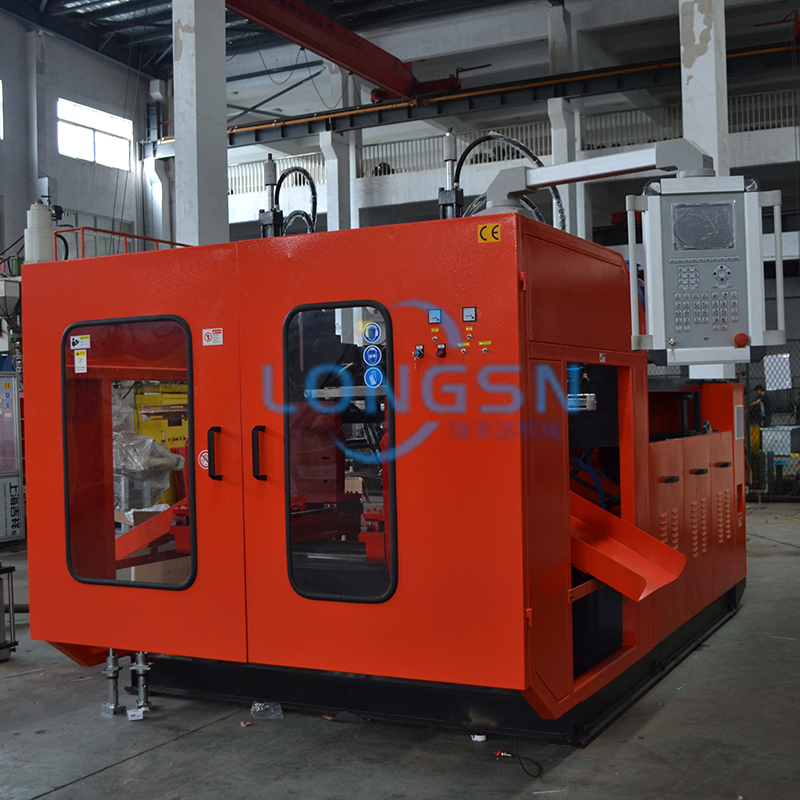
A Blow Moulding Machine is a specialized system used to form hollow plastic parts. It works by inflating a heated plastic tube inside a precise mold cavity. Misaligning this machinery with your specific geometry or volume demands leads to severe production bottlenecks.
This guide provides a technical and commercial evaluation of these systems. Procurement and engineering teams will learn how to align machine specifications with production volumes. You will discover exactly how to evaluate different architectures, part geometries, and industry compliance standards for your facility.
Key Takeaways
- Technology Alignment: Selecting between Extrusion (EBM), Injection (IBM), and Stretch Blow Moulding (ISBM) dictates wall thickness consistency, tool life, and cycle times.
- Expanded Utility: Modern machines support multi-layer co-extrusion and engineered resins, enabling applications far beyond standard consumer packaging (e.g., automotive ducting, medical reservoirs).
- Alternative Checks: Blow moulding is optimal for high-volume, thin-walled hollow parts; however, rotational or injection molding may offer better ROI for low-volume or highly complex solid geometries.
The Core Mechanics: How Blow Moulding Actually Works
Understanding the standard operational phases helps teams troubleshoot production issues. You do not need a degree in polymer physics to grasp these mechanics. The process breaks down into three distinct stages.
Plasticization and Formation
The cycle begins by melting the raw polymer. An extruder screw shears and heats the plastic resin until it reaches a molten state. The machine then forms this material into a starting shape. Extrusion systems create a continuously hanging tube called a parison. Injection systems create a solid, test-tube-like shape called a preform. Both methods prepare the plastic for immediate expansion.
Clamping and Inflation
Once the parison or preform is ready, two mold halves clamp around it. The machine secures the mold tightly. A blow pin then introduces high-pressure compressed air into the center of the hot plastic. The air forces the material outward against the chilled walls of the mold cavity. Wall thickness distribution depends heavily on precise air pressure control. It also relies on consistent mold temperatures. If pressure fluctuates, you will see thin spots or structural weaknesses in the final part.
Cooling and Ejection
Cooling is the critical phase dictating your overall cycle time. The plastic must solidify before the mold opens. You must integrate auxiliary chilling systems to circulate cold water through the mold walls. Without adequate chilling, parts often deform or warp upon ejection. Faster cooling equals higher hourly output. Once the part solidifies, the mold opens, and the machine ejects the finished product.
Types of Blow Moulding Machines: Choosing the Right Architecture
Buyers must match the machine type to their specific business problem. Production scale and part geometry dictate the correct architecture. Using the wrong system leads to massive inefficiency.
| Machine Type | Best Applications | Key Advantage | Primary Trade-off |
| Extrusion (EBM) | Chemical drums, fuel tanks | Lower initial tooling costs | Higher scrap rates requiring flash removal |
| Injection (IBM) | Cosmetic bottles, medical vials | Zero flash, perfect neck finish | Higher tooling costs (two mold sets) |
| Stretch (ISBM) | PET water and soda bottles | Highest strength-to-weight ratio | Complex machinery requiring skilled operators |
Extrusion Blow Moulding (EBM)
EBM systems are the workhorses of the packaging industry. They excel at producing large parts and asymmetrical shapes. You can easily manufacture chemical drums, watering cans, and automotive fuel tanks. EBM also supports multi-layer barriers. This allows you to sandwich recycled plastic between layers of virgin material.
However, EBM carries specific trade-offs. It inherently produces scrap, known as flash, at the top and bottom of the part. You must remove this flash and feed it back into a grinder. Despite higher scrap rates, EBM offers lower initial tooling costs compared to injection-based methods. The molds are simpler and cheaper to machine.
Injection Blow Moulding (IBM)
IBM is ideal for small, high-precision containers. It dominates the market for medical pill bottles and cosmetic packaging. The process injects plastic onto a core pin to form a preform, which then transfers to a blowing station.
The biggest advantage of IBM is precision. It produces zero flash, meaning you have no scrap to regrind. It also creates highly consistent, perfectly threaded neck finishes. The primary trade-off is cost and size constraint. IBM is restricted to smaller geometries. It also requires higher tooling capital because you need two separate sets of molds: one for injecting the preform and one for blowing the final shape.
Injection Stretch Blow Moulding (ISBM)
ISBM systems manufacture high-clarity PET containers. You see these products every day as water and soda bottles. The process mechanically stretches the preform longitudinally before inflating it. This bi-axial stretching aligns the polymer molecules.
This alignment delivers the highest structural strength-to-weight ratio possible. You can create incredibly thin, lightweight bottles that withstand internal carbonation pressure. The trade-off is operational complexity. These machines require highly skilled operators. Managing the precise thermal profiling of the preform demands strict process control. A variation of just a few degrees will ruin the batch.
Industrial Uses and Applications: Beyond the Plastic Bottle
Many buyers associate blow moulding exclusively with consumer packaging. However, the technology serves highly complex, compliance-heavy industries. Understanding these niche applications expands your perspective on machine capabilities.
Automotive and Aerospace
Manufacturers rely on this process to produce HVAC ducting, fluid reservoirs, and lightweight structural components. Metal replacement is a massive trend in automotive design. A Blow Moulding Machine used here must support engineering-grade resins like Polyamides (Nylon). These materials require higher melt temperatures and specialized extruder screws. Your machine must also deliver exceptionally high clamping forces to hold the molds shut during high-pressure inflation.
Medical and Pharmaceutical
The medical sector demands extreme precision and cleanliness. Common applications include sterile fluid bags, pill bottles, and diagnostic equipment housings. When evaluating equipment for this sector, prioritize cleanroom-compliant designs. We strongly recommend all-electric machines over hydraulic ones. Electric machines eliminate the risk of hydraulic fluid leaks, making them much easier to validate for ISO cleanroom standards.
Industrial Packaging
Heavy-duty chemical transport requires robust packaging. Intermediate Bulk Containers (IBCs) and UN-rated chemical drums are prime examples. The evaluation lens here focuses on barrier properties. Machines must feature multi-layer co-extrusion capabilities. You often need three to six layers to ensure UV resistance and prevent aggressive chemicals from permeating the plastic shell.
Key Evaluation Criteria: Sourcing the Right Machine
Evaluating vendor claims requires a strict decision-stage framework. You must look past the spec sheet and understand how the components impact daily production.
Hydraulic vs. All-Electric Drives
Drive systems dictate the machine's speed, cleanliness, and power consumption. Hydraulic systems provide massive raw clamping power. They often carry a lower initial purchase price. However, they are noisy and require messy oil changes.
All-electric machines represent the modern standard. They utilize servo motors to drive movements. They offer superior precision, repeatability, and cleanroom compatibility. While their initial cost is higher, they eliminate oil maintenance and run significantly quieter.
Automation and Integration Readiness
Your machine must communicate with downstream equipment. Evaluate the control architecture carefully. Can it easily integrate with auto-deflashing units? Does it support inline leak testing stations? Ensure the vendor provides open communication protocols. Seamless conveyor integration is essential for reducing manual labor and maintaining high throughput.
Control Systems and Scalability
A sophisticated Programmable Logic Controller (PLC) is non-negotiable. Look for systems featuring real-time parison programming. This technology adjusts the thickness of the extruded tube as it drops. It allows you to place more plastic in high-stress corners and less plastic in flat side walls. This optimizes material usage and reduces part weight. Additionally, prioritize machines with remote diagnostic capabilities. Remote access allows technicians to troubleshoot software issues without an expensive site visit.
Implementation Risks
Vendors often highlight machine capabilities while omitting hidden operational realities. A successful deployment requires planning for secondary requirements and ongoing maintenance.
Auxiliary Equipment Dependency
A machine cannot operate in a vacuum. It represents only one part of a larger production cell. You must budget for and integrate several critical secondary systems:
- High-Pressure Air Compressors: You need consistent, moisture-free compressed air to inflate the parts.
- Water Chillers: Rapid mold cooling requires industrial-grade chillers and cooling towers.
- Material Handling Systems: Vacuum loaders, resin dryers, and volumetric blenders ensure a steady supply of prepared plastic.
- Granulators: In EBM setups, you need grinders to immediately recycle flash and scrap.
Energy Consumption
High-pressure air generation and continuous heating and cooling are highly energy-intensive. Traditional hydraulic pumps run continuously, wasting power during idle phases. You should carefully evaluate the power draw of the system. Specifying a servo-driven hydraulic system or an all-electric architecture dramatically reduces energy consumption.
Tooling Lifecycle and Maintenance
Mold wear directly impacts product quality. EBM molds are often machined from aluminum because it offers excellent thermal conductivity. This helps parts cool faster. However, aluminum wears out quicker than steel. You must plan for mold refurbishment. Address the necessity of skilled technicians. Calibrating parison extrusion profiles requires deep process knowledge. You need trained staff to manage changeovers and minimize production downtime.
Blow Moulding vs. Alternative Processes
Before committing to equipment, perform a final sanity check. Ensure another manufacturing process is not structurally or financially superior for your specific part.
Vs. Rotational Molding
Rotational molding (rotomolding) works best for massive, thick-walled tanks. It uses cheaper, lightweight molds. The process rotates heated resin slowly, creating virtually stress-free parts. However, rotomolding suffers from extremely long cycle times. Blow moulding wins decisively on cycle time and high-volume unit production. If you need thousands of parts per week, rotomolding is too slow.
Vs. Injection Molding
Injection molding forces molten plastic into a solid cavity under extreme pressure. It is required for solid parts or items featuring complex internal geometries. It creates highly detailed, rigid structures. Conversely, blow moulding is strictly for hollow objects. It is the only logical choice when maintaining a uniform external shell is your primary design priority.
Conclusion
Purchasing the right equipment is a delicate balance between part geometry, volume requirements, and material science. You must carefully align your production goals with the specific mechanical capabilities of EBM, IBM, or ISBM systems. Ignoring auxiliary equipment needs or process limitations will derail your manufacturing efficiency.
We advise buyers to prioritize vendors who demonstrate transparency. Look for partners offering transparent energy consumption calculations. Demand pre-purchase mold trials to verify cycle times before final sign-off. Ensure the vendor maintains a robust local service network for spare parts and technical support.
To move forward successfully, take the following steps:
- Consult with a dedicated tooling engineer to review your part designs for process suitability.
- Request detailed machine specifications, focusing heavily on clamp tonnage and extruder output.
- Run a pilot production test using your specified resin to validate cycle times and structural integrity.
FAQ
Q: What materials can be processed in a blow moulding machine?
A: These machines process standard commodity plastics like High-Density Polyethylene (HDPE), Polyethylene Terephthalate (PET), and Polypropylene (PP). They can also handle engineering resins such as Polycarbonate and Nylon. Remember, your material choice dictates the required extruder screw design and heating band specifications.
Q: What is the typical lifespan of a blow moulding mold?
A: Aluminum molds, which are common in EBM due to superior thermal conductivity, wear faster than steel alternatives. Lifespans generally range from hundreds of thousands to several millions of cycles. The exact duration depends heavily on the abrasiveness of the selected plastic material.
Q: At what production volume does purchasing a blow moulding machine become profitable?
A: EBM machines can be highly viable at volumes of 10,000 to 50,000 units per year, depending on the part's size and market value. Conversely, high-speed ISBM systems typically require production runs in the millions of units to justify the higher machinery and tooling capital expenditure.

 English