In the highly competitive world of bottling, margins are often razor-thin. A sudden 1-2% drop in line efficiency might seem negligible on paper, but it can translate to tens of thousands of dollars in lost revenue annually. For decision-makers, the pressure to reduce operational costs while maintaining output quality is constant. Legacy equipment often exacerbates this challenge, suffering from high energy consumption, inconsistent bottle quality such as scuffing or dents, and slow changeovers that kill production agility.
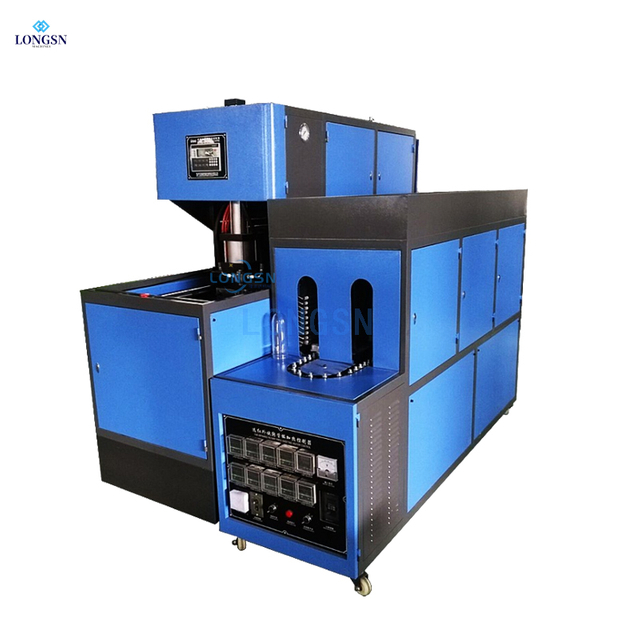
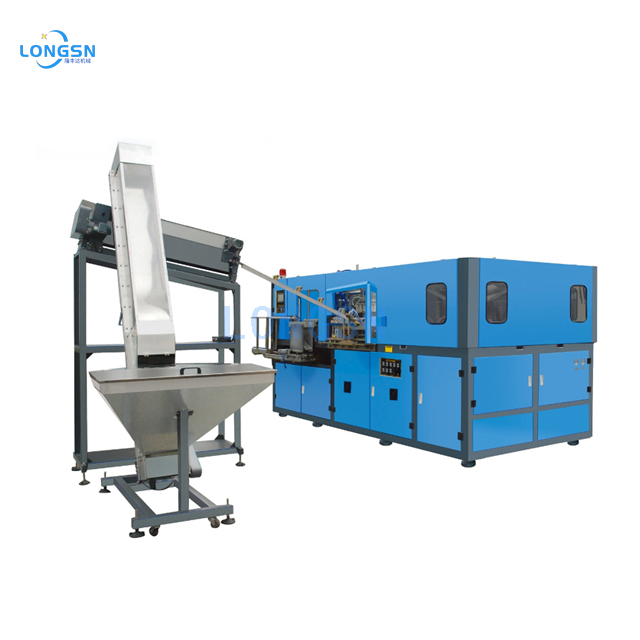
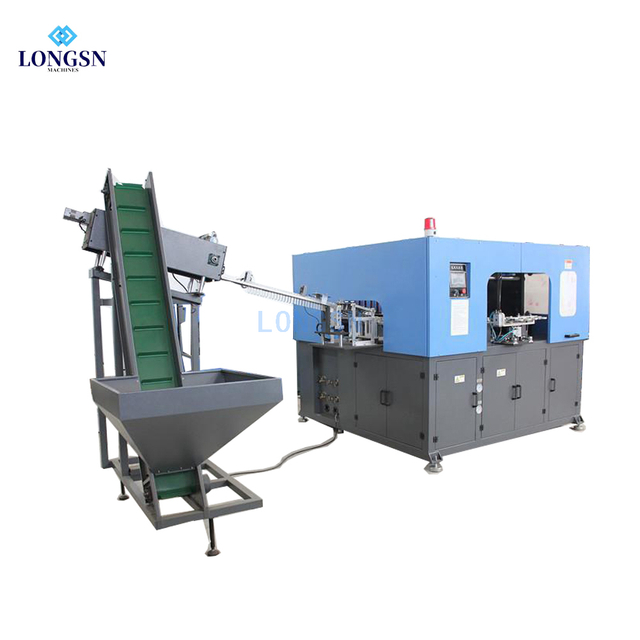
The solution lies in the strategic shift toward advanced manufacturing technologies. Modern production lines are increasingly relying on the precision and intelligence of a Fully Automatic Pet Stretch Blow Molding Machine. These systems utilize servo-driven precision and AI-assisted heating to eliminate waste and optimize throughput. This guide moves beyond basic definitions to evaluate operational impact, Total Cost of Ownership (TCO), and the critical technical features required for a high-efficiency production line.
Key Takeaways
Energy as OpEx: Energy consumption often represents >30% of operational costs; modern servo-driven systems can reduce this by up to 40% compared to hydraulic legacy units.
Precision Equals Savings: High-stability clamping and smart heating profiles are essential for lightweighting and processing rPET without defects.
The Hidden Variable: Machine speed means nothing without operator competence; training and simplified HMI are critical for maintaining OEE.
Decision Framework: Evaluate machines based on TCO (including maintenance and scrap rates), not just the initial purchase price.
The Business Case: Why Efficiency Metrics Make or Break Profitability
Efficiency in plastic bottle manufacturing is no longer just about speed; it is about the sustained cost per unit. When you analyze the primary variable costs in a bottling plant, energy consumption consistently tops the list. It often accounts for a massive portion of the operating budget. Therefore, reducing the kilowatts consumed per bottle is the fastest route to improving margins.
Energy Consumption & Sustainability
The modern manufacturing landscape demands a reduction in carbon footprints. Technology plays a pivotal role here. Variable Frequency Drives (VFD) and optimized infrared heating systems are key tech drivers lowering the cost-per-bottle. Unlike older systems that run at full power constantly, VFDs adjust motor speed to match demand. This dynamic adjustment prevents energy waste during idling or low-load phases. Furthermore, meeting sustainability goals is easier when your equipment is compatible with recycled PET (rPET), which requires specific processing capabilities to maintain clarity and strength.
Scrap Rate & Quality Consistency
Rejected bottles represent a double loss: you lose the material cost and the energy used to process it. High scrap rates destroy profitability. Common physical defects include "finish damage" from aggressive preform handling and "surface dents" caused by unstable ejection. These defects often stem from poor line flow or outdated mechanical handling. Eliminating these errors requires machines that handle preforms gently and eject bottles with precision. A scrap rate reduction from 2% to 0.5% significantly impacts the bottom line over a fiscal year.
Speed vs. Stability Trade-off
We must reframe the concept of "High Speed." It is not just about the theoretical Cycle Time listed in a brochure. True speed is sustained throughput without jams. A machine might cycle quickly, but if it jams every hour, your overall efficiency plummets. Consider a 128-cavity system or rotary setup capable of 2000 BPH per cavity. This immense output must be balanced against your downstream packing capacity. If your filler or labeler cannot keep up, the blow molder stops, wasting energy and disrupting the thermal stability of the process.
Evaluating Machine Architectures: Single-Stage vs. Two-Stage Systems
Selecting the right architecture depends entirely on your product mix and production volume. Understanding the strategic fit between single-stage and two-stage processes is the first step in equipment selection.
Defining the Strategic Fit
The Single-Stage (Hot Cycle) process integrates injection and blowing into one machine. This method retains heat from the injection phase, making it energy efficient for specific applications. It is best suited for specialty shapes, smaller production runs, and containers requiring flawless aesthetics. Since preforms are not stored or tumbled in bins, surface blemishes are minimized.
Conversely, the Two-Stage (Cold Cycle) process is the industry standard for high-volume beverage production. It separates preform manufacturing from blowing. This allows for immense scalability. You can produce preforms in one location and blow them in another, offering logistical flexibility. For most high-speed beverage lines, the two-stage approach provides the necessary throughput.
The "Fully Automatic" Advantage
Automation is the dividing line between modern efficiency and legacy labor costs. A Fully Automatic Pet Stretch Blow Molding Machine eliminates manual preform loading. This drastically reduces contamination risks, as human hands never touch the preforms inside the hopper.
Advanced integration features are also critical. High-quality automatic loaders utilize "soft-drop" technology. This prevents preforms from nicking each other as they move from the hopper to the unscrambler. Even microscopic nicks on a preform can lead to blowouts under high pressure, causing machine downtime. Automation ensures consistent handling that manual loading simply cannot match.
Scalability Considerations
Your business stage dictates your capital expenditure (CAPEX) strategy.
Startups and SMEs: Purchasing preforms from a third party and investing in a dedicated Two-Stage machine lowers initial CAPEX. You avoid the high cost of injection molds and resin handling systems.
Enterprise: Large-scale operations benefit from vertical integration. Owning both injection and blowing processes allows for maximum margin control and supply chain security.
Critical Technical Features for High-Performance Blow Molding
When evaluating technical specifications, look beyond the shiny exterior. The internal components determine the longevity and efficiency of the machine.
Servo-Driven vs. Pneumatic/Hydraulic
The industry is decisively moving toward all-electric servo designs. Servo motors offer precision control over the stretching rod speed (axial stretching). This precision results in better material distribution, creating stronger, lighter bottles.
Efficiency is another major benefit. Servo motors consume energy only when moving. In contrast, hydraulic pumps must idle to maintain pressure, constantly drawing power. Over a year, the electricity savings from servo systems can be substantial.
| Feature | Servo-Driven System | Hydraulic/Pneumatic System |
|---|
| Energy Efficiency | High (Consumes power only on demand) | Low (Continuous pump idling) |
| Precision | Micron-level accuracy | Subject to fluid/air fluctuations |
| Maintenance | Low (Clean operation) | High (Oil leaks, seal replacements) |
| Noise Level | Low | High |
Advanced Clamping Systems
Blowing a PET bottle requires high pressure, often up to 40 bar. This pressure exerts tremendous force on the mold. If the clamping system is weak, the mold halves will separate slightly. This creates a "parting line" expansion, resulting in flash (excess plastic) and rejected bottles.
You should evaluate machines based on criteria like "Dual-side clamping with integrated cast mold plates." This structure provides immense stability. It ensures the mold stays perfectly closed during the high-pressure blow phase, guaranteeing dimensionally accurate bottles.
Smart Heating & Ventilation
Heating is where the science of material distribution happens. Zoned heating allows operators to control temperature profiles for complex bottle shapes. For example, oval or flat containers require different heat penetration than round bottles.
Energy recovery is another critical feature. Advanced systems recycle high-pressure exhaust air. Instead of venting this air into the atmosphere, the machine redirects it to power low-pressure pneumatic cylinders used for clamping or stretching. This recycling loop drastically cuts air compressor usage.
Quick Mold Change (QMC) Technology
In a market that demands variety, downtime is the enemy. Quick Mold Change (QMC) technology reduces downtime from hours to minutes during SKU changeovers. Look for tool-less release systems and modular mold designs. These features allow operators to swap molds efficiently, keeping the line running and the warehouse stocked with the right products.
The Operational Reality: Implementation, Training, and Line Integration
Buying the machine is only half the battle. Integrating it into your workflow is where success is defined.
The "Man-Machine" Synergy
Even the best machine fails without skilled operators. The synergy between human intelligence and machine precision is vital. Training protocols must emphasize "Simulation-Based Learning" and "Defect Analysis." Operators need to distinguish between heating issues (e.g., pearlescence) and stretching issues (e.g., off-center gates). Competence here directly improves Overall Equipment Effectiveness (OEE).
Downstream Compatibility
A machine does not operate in a vacuum. Line flow logic is essential for preventing "back pressure" jams on conveyors. A high-speed machine blowing 20,000 BPH is useless if the filler can only handle 15,000 BPH. The blow molder will constantly start and stop, wasting energy.
Digital twins and sensors are modern solutions to this problem. Using impact sensors (smart bottles) to monitor forces during ejection and transport helps reduce "surface scuffing." This data allows engineers to fine-tune conveyor speeds and guide rails to protect the bottle finish.
Maintenance & Diagnostics
Reactive maintenance is costly. Predictive maintenance is the goal. IoT-enabled PLCs alert operators to voltage irregularities or pressure drops *before* a failure occurs. Furthermore, your spare parts strategy matters. Prioritize machines that use standard components (e.g., Festo, Siemens) over proprietary "black box" parts. Standard parts ensure you can source replacements quickly, ensuring long-term uptime.
Calculating ROI and Total Cost of Ownership (TCO)
Smart buyers look beyond the sticker price. The true cost of a machine is calculated over its operational lifecycle.
Beyond the Sticker Price
The distinction between CAPEX (Capital Expenditure) and OPEX (Operational Expenditure) is crucial. A cheaper machine might save money upfront. However, if it uses inefficient heating lamps, the electricity bill over three years can exceed the price difference of a premium machine. Efficiency pays for itself.
Material Savings (Lightweighting)
The machine plays a huge role in "Lightweighting." Precision stretching allows for thinner walls without compromising top-load strength.
Consider this calculation: Saving just 1 gram of resin per bottle on a line producing 10 million bottles a year equals 10,000 kg of resin saved. At current resin prices, this is a significant ROI driver. Only high-precision servo machines can achieve this consistency.
Scrap Reduction ROI
Scrap is direct profit leakage. Reducing scrap rates from 2% to 0.5% directly impacts the bottom line. It saves resin, energy, and labor. This reduction is often achievable simply by upgrading to stable, modern clamping and heating systems.
Vendor Support Metrics
Finally, evaluate the vendor. After-sales support is part of the product. Check for local technician availability and remote diagnostic capabilities. If the machine goes down, how fast can they log in remotely to diagnose the PLC? Speed of support equals speed of recovery.
Conclusion
Efficiency in PET manufacturing stands on a tripod of Energy Efficiency (Servo/Heating), Process Stability (Clamping/Automation), and Operational Readiness (Training/Maintenance). To secure profitability, you must address all three.
When selecting a Fully Automatic Pet Stretch Blow Molding Machine, demand proof of TCO. Request reference checks for specific resin types, especially if you plan to run rPET. Validate cycle times under load, not just in dry cycles. We encourage you to audit your current energy-per-bottle costs today. Knowing your baseline is the first step toward a more profitable, sustainable future.
FAQ
Q: What is the difference between single-stage and two-stage PET blow molding?
A: Single-stage molding integrates the injection of the preform and the blowing of the bottle into one continuous process within a single machine. It is ideal for specialty shapes. Two-stage molding separates these processes: preforms are made on an injection machine first, then cooled and transferred to a separate blow molding machine later. This method is the standard for high-volume beverage production due to its scalability and speed.
Q: How much energy can a servo-driven blow molding machine save?
A: Servo-driven machines can save between 30% and 40% in energy costs compared to traditional hydraulic or pneumatic systems. This is because servo motors consume electricity only when they are actively moving or applying force, whereas hydraulic pumps must idle continuously to maintain system pressure, wasting significant energy during the cooling or handling phases of the cycle.
Q: Can existing machines handle rPET (Recycled PET) preforms?
A: Not always efficiently. While the mechanical blowing process is similar, rPET absorbs heat differently than virgin PET. To handle rPET effectively, machines need specific heating profiles (often requiring zoned infrared heating) and potentially adjusted process parameters. Older machines with basic heating controls may produce bottles with varying wall thickness or visual defects when running high percentages of recycled material.
Q: What is the ideal cycle time for a fully automatic machine?
A: There is no single "ideal" time as it varies by cavity count and bottle volume. However, high-performance rotary machines can achieve speeds of 2,000 to 2,400 bottles per hour (BPH) per cavity for standard small-format water bottles. Linear machines typically run slower per cavity but are easier to maintain. The goal is to match the cycle time to your downstream filler capacity to avoid stop-start inefficiencies.
Q: How does "lightweighting" impact machine selection?
A: Lightweighting requires extreme precision. As you remove material to make the preform lighter, the process window becomes smaller. The machine must have highly accurate servo stretching and robust clamping to distribute the thinner plastic evenly without tearing or creating weak spots. Older or less precise machines cannot handle lightweight preforms without causing high scrap rates or top-load failures.

 English