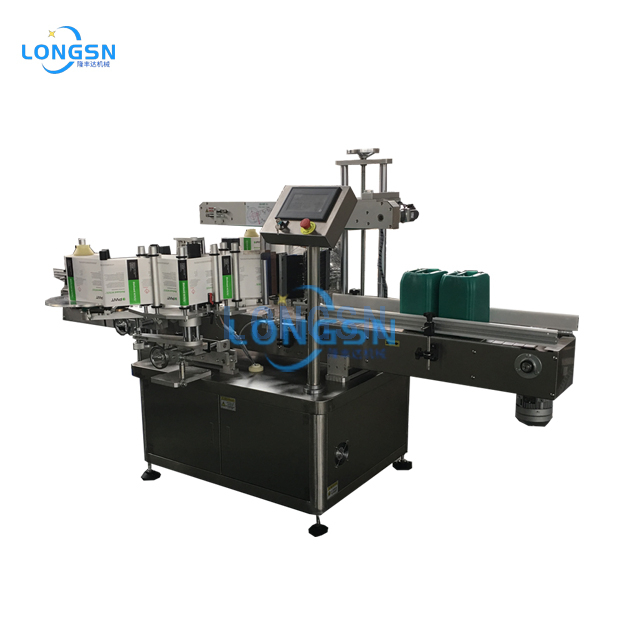
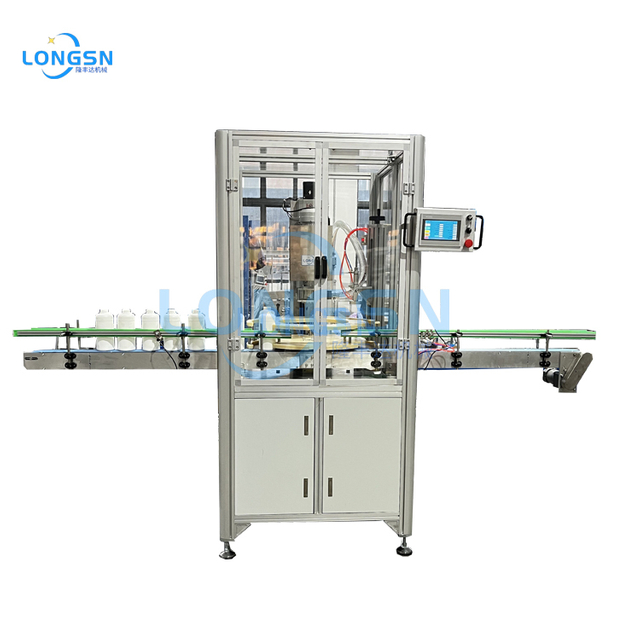
Navigating the packaging equipment market frequently leads to major buyer frustration. You quickly notice a massive price variance across available models. Budgeting accurately for a new bottle labeling machine feels impossible without a clear standard. You should not simply hunt for the absolute lowest price. Instead, you need to match your capital expenditure directly to your specific production volumes, container types, and operational goals. Buying the wrong equipment costs you much more over time. This guide demystifies the complex pricing tiers across the industry. We will expose hidden implementation costs you might otherwise miss. Finally, we provide a definitive framework for evaluating various vendor quotes. You will learn exactly how to budget for your next production line upgrade.
Key Takeaways
- Tabletop & Manual Units: Typically range from $500 to $3,000, suitable for startups processing under 20 bottles per minute (BPM).
- Semi-Automatic Machines: Fall between $3,000 and $10,000, offering precision for medium-volume runs (20–50 BPM) requiring an operator.
- Fully Automatic Inline Systems: Range from $10,000 to $50,000+, designed for enterprise-level scaling, complex label applications, and seamless integration into existing conveyor lines.
- Total Cost of Ownership (TCO): Initial purchase price is only one factor; changeover times, maintenance, and custom tooling often dictate the true long-term cost.
1. Core Cost Drivers: Why Pricing Varies So Widely
Production Speed and Capacity (BPM)
Equipment pricing scales exponentially alongside your speed requirements. A machine running at 20 Bottles Per Minute (BPM) operates under low physical stress. Moving up to 150 BPM requires vastly superior engineering. Manufacturers must install robust servo motors to handle rapid acceleration. The machine structure requires heavier materials to prevent vibrations. Even minor vibrations cause label skewing at high speeds. Upgrading throughput demands faster, more sensitive photoelectric sensors. You pay a premium for the physical stability required for high-speed accuracy.
Label Application Complexity
Applying a single wrap-around label onto a perfectly cylindrical bottle remains simple. This standard application represents the lowest cost tier. Conversely, complex container geometries drive prices upward. Front-and-back labeling requires dual applicator heads. Top-and-bottom applications need specialized conveyor gaps. Neck labeling on beverage bottles demands high-precision orientation modules. Each unique application angle requires dedicated mechanical components. If you run square, oval, or tapered containers, expect a higher baseline price.
Material and Build Quality
Construction materials significantly impact the final invoice. Budget machines often utilize cheaper plastics or standard aluminum extrusions. High-end equipment relies on 304 or 316-grade stainless steel. Aircraft-grade aluminum components provide exceptional durability under continuous use. Pharmaceutical and food industries mandate strict sanitation compliance. Meeting FDA and GMP requirements requires seamless welds and specialized wash-down ratings. Upgrading to an IP65 water-resistant rating adds thousands to the equipment cost. You are paying for long-term reliability and regulatory peace of mind.
Control Systems and Sensors
Basic labelers use simple mechanical switches and rudimentary stepper motors. These components keep entry-level prices highly attractive. Scaling up introduces programmable logic controllers (PLCs) and color touchscreens. Premium units feature closed-loop servo motors for microscopic application adjustments. Sensor technology also dictates price jumps. Standard sensors easily read opaque paper labels. If you use transparent film labels, you must upgrade to capacitive or ultrasonic sensors. These specialized sensors add considerable expense but prevent continuous misreads.

2. Price Tiers Aligned with Production Volume
Table 1: Equipment Price Tiers and Application Scenarios
| Equipment Tier | Estimated Price Range | Typical Output (BPM) | Best Suited For |
| Entry-Level Tabletop | $500 – $3,000 | 10 – 20 BPM | Craft producers, startups, R&D labs |
| Semi-Automatic | $3,000 – $10,000 | 20 – 50 BPM | Medium-volume scaling operations |
| Fully Automatic Inline | $10,000 – $50,000+ | 50 – 300+ BPM | High-volume enterprise facilities |
Entry-Level Tabletop Labelers ($500 – $3,000)
Target Audience: Small businesses, craft beverage producers, and R&D testing labs often start here. You need a solution better than hand-applying labels, but you lack the budget for automated lines.
Capabilities: These units utilize manual hand-cranks or simple foot-pedal operations. They generally handle single wrap-around labels on standard round bottles. A focused operator can typically output 10 to 20 BPM. They provide a massive step up from entirely manual labeling.
Limitations: You remain heavily reliant on dedicated manual labor. If an operator works too quickly, placement inconsistencies emerge. Bubbles and wrinkles occur if the tension mechanism fails. These machines rarely handle tapered or square containers.
Semi-Automatic Labeling Machines ($3,000 – $10,000)
Target Audience: Scaling operations need better accuracy and speed. You might lack the floor space for a massive conveyor line. This tier balances mechanical precision against operator involvement.
Capabilities: An operator physically loads the bottle into a jig. The bottle labeling machine then automatically spins and applies the label perfectly. These machines easily support date-coding and batch-printing integrations. You can expect a steady output of 20 to 50 BPM. The machine handles the delicate application work, eliminating human error.
Limitations: You still must pay a dedicated operator to stand at the station. This labor requirement limits your maximum daily throughput. Integrating these machines into an automated filling line remains impossible.
Fully Automatic Inline Systems ($10,000 – $50,000+)
Target Audience: High-volume manufacturers, contract packagers, and large enterprise facilities rely on these systems. You need continuous, uninterrupted packaging operations.
Capabilities: These systems feature seamless conveyor integration. They offer zero-downtime continuous operation. Advanced features include multi-label application and automatic bottle alignment. Motorized spacing wheels ensure perfect gaps between containers. High-speed setups deliver outputs ranging from 50 to well over 300 BPM.
Limitations: Fully automatic systems require significant floor space. You must hire professionals for installation and calibration. Swapping between vastly different bottle shapes requires longer changeover times. Your maintenance team needs adequate training to troubleshoot PLC errors.
3. Beyond the Sticker Price: Hidden Costs and Implementation Risks
Custom Tooling and Format Parts
Irregular bottle shapes create immediate hidden costs. Square bottles, tapered jars, or oval shampoo containers cannot roll freely. Vendors must engineer custom star-wheels to secure these shapes. Specialized molds hold unique containers firmly in place during application. Custom applicator heads add thousands of dollars to the initial invoice. You must budget for these format parts for every unique bottle shape you process.
Installation, Calibration, and Training
Many buyers ignore the logistical costs of heavy machinery. Freight shipping for a large inline system easily costs several thousand dollars. Factory technician travel expenses for on-site commissioning represent another major line item. The vendor must properly calibrate the machine to your exact factory environment. Furthermore, internal staff require comprehensive training. Dedicated training hours cost money but prevent catastrophic user errors later.
Changeover Downtime
Every minute your machine stops running costs you lost revenue. Switching between a 12-ounce bottle and a 32-ounce bottle requires mechanical adjustments. You must swap label rolls and adjust guide rails. Cheaper machines require wrenches and specialized tools for every adjustment. Premium machines feature tool-less changeovers using quick-release levers. Tool-less designs cost much more upfront. However, they save thousands in labor downtime over the equipment lifespan.
Maintenance and Spare Parts Availability
Imported, heavily discounted machines look attractive on paper. They carry massive implementation risks regarding spare parts. If a proprietary sensor fails, you might wait weeks for international shipping. Your entire production line stops during this delay. Domestic support and readily available wear parts offer immense value. Paying a higher initial price for accessible maintenance ensures continuous factory uptime.
4. A Decision Framework for Shortlisting Vendors
Define Success Criteria First
Never look at vendor quotes without establishing internal benchmarks. You must outline specific operational goals. Common success criteria include:
- Reducing daily labor hours spent on packaging.
- Eliminating label wrinkling and skewing entirely.
- Hitting a strict daily production quota of 10,000 units.
- Accommodating three different bottle sizes within one shift.
Prioritize your absolute requirements. Share these precise goals with vendors so they quote the appropriate tier.
Demand Proof of Concept
Never sign a purchase order based on a catalog photograph. You must send your exact bottles and label rolls to the manufacturer. Demand a video-documented test run. This proof of concept reveals immediate engineering red flags. The vendor must prove the machine handles your specific adhesive and container material. If a vendor refuses a test run, walk away immediately.
Evaluate Factory Acceptance Testing (FAT)
Enterprise buyers rely heavily on Factory Acceptance Testing. The vendor must provide comprehensive FAT protocols before the machine ships. You travel to their facility to witness the machine running at full speed. It must meet the promised BPM and accuracy specifications continuously. FAT protects you from accepting a flawed machine onto your factory floor. Insist on a documented FAT clause in your purchasing contract.
Compare Overall Value, Not Just Line-Item Price
Evaluate the comprehensive package each vendor offers. Vendor A might quote $15,000. They include a two-year warranty, on-site installation, and overnight spare parts delivery. Vendor B quotes $9,000. They offer no installation support, a 90-day warranty, and international shipping delays. Vendor B carries immense long-term downtime risks. You must evaluate the warranty coverage and support infrastructure alongside the sticker price.
Conclusion
The right labeling equipment serves as an investment in throughput and consistency, not merely a line-item expense. Budgeting requires a deep understanding of production speeds, custom tooling needs, and material quality. Avoid the temptation of heavily discounted imported models if they lack reliable domestic support. Align the machine's capabilities strictly with your current and 24-month projected production volume. Future-proofing your line prevents costly premature upgrades.
Take action today by mapping out your exact production requirements. Outline your bottle dimensions, required BPM, and specific label types. Gather physical samples of your containers. Reach out to reputable manufacturers to request a targeted, custom quote based on your actual operational data.
FAQ
Q: Can I save money by purchasing a used bottle labeling machine?
A: Yes, but proceed with caution. Verify the availability of spare parts immediately. Always request a live demonstration using your own containers. Assess if the machine can be successfully recalibrated for your specific bottle dimensions. Older machines often lack modern sensor upgrades.
Q: Do labelers handle both glass and plastic bottles?
A: Most machines can accommodate both materials. However, lightweight empty plastic bottles often pose challenges. PET bottles require top-hold down belts to prevent them from spinning or tipping during automatic labeling. Adding these stabilizing belts may affect the final equipment price.
Q: How much should I budget for annual maintenance?
A: Typically, plan for 3-5% of the machine’s purchase price annually. This budget covers consumable wear parts like drive belts, rubber rollers, and sensors. Preventative maintenance costs fluctuate depending on your daily run hours and factory environment.

 English