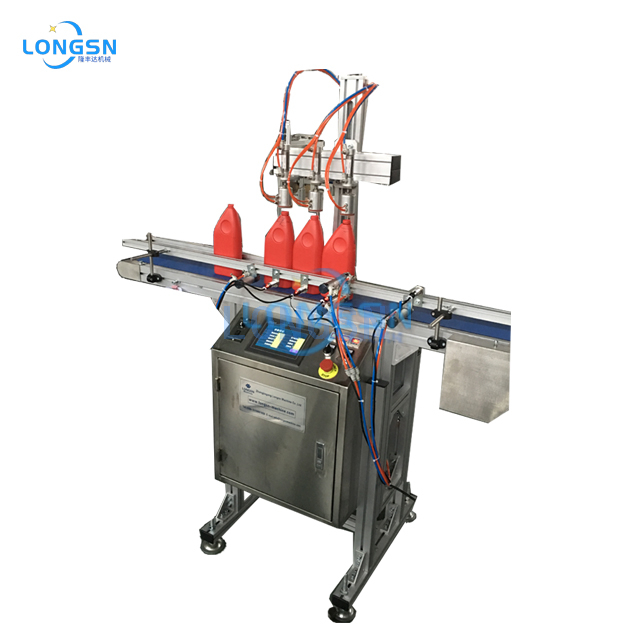
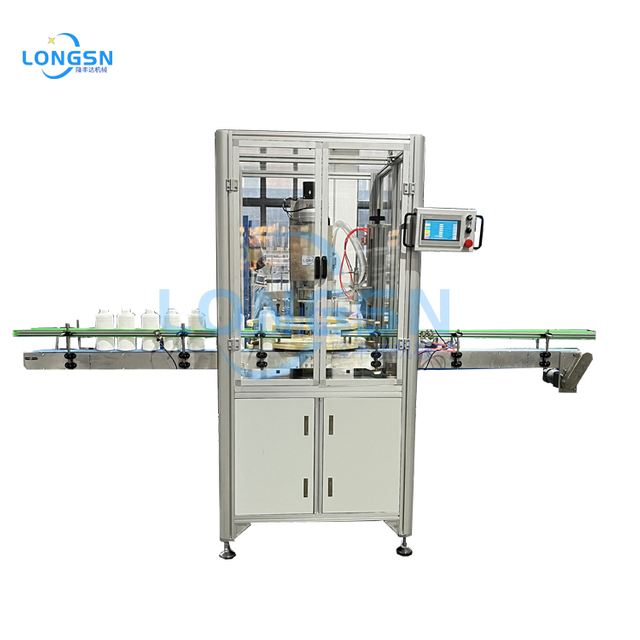
Investing in leak testing infrastructure represents a high-stakes capital expenditure for any manufacturing facility. You cannot afford to guess when protecting your product quality. We designed this guide to demystify the pricing spectrum of leak detection technology. It exposes hidden implementation expenses and provides a clear framework for evaluating your return on investment. Our objective remains vendor-neutral throughout this discussion. You will quickly learn why the most expensive system does not automatically fit every production line. We will explore key cost drivers, compare core technologies, and outline actionable steps for your vendor evaluation process. By understanding these variables, you can select the right equipment to safeguard your brand reputation and bottom line.
Key Takeaways
- The upfront cost of a bottle leak test machine ranges significantly based on automation level, testing method (e.g., pressure decay vs. trace gas), and throughput requirements.
- True cost of ownership extends beyond the sticker price; buyers must account for custom tooling, calibration routines, and integration downtime.
- Evaluating equipment should prioritize verifiable ROI metrics: scrap reduction, false-reject minimization, and regulatory compliance risk mitigation.
What Drives the Price of a Bottle Leak Test Machine?
Testing Methodology and Sensitivity
Required leak limits directly dictate the technology you must purchase. Engineers measure these limits in microns or standard cubic centimeters per minute (sccm). Basic pressure decay sensors handle standard testing for shampoo or detergent containers. These basic sensors keep initial costs relatively low. However, highly sensitive methods carry a significant premium. Mass extraction technology, for example, detects microscopic defects in sterile medical packaging. Achieving this high sensitivity requires advanced pneumatics and specialized valving. Consequently, the more sensitive the required test, the higher the baseline equipment price.
Degree of Automation and Throughput
Throughput requirements serve as the largest variable in equipment pricing. Manual or semi-automatic benchtop units offer an affordable entry point. Operators load these units by hand, testing perhaps five to ten bottles per minute. They work perfectly for low-volume laboratory settings or spot-checking. Conversely, fully automated inline rotary machines require massive capital expenditure. These systems synchronize directly into your production line. They handle hundreds of bottles per minute without human intervention. The complex servo motors, PLC programming, and high-speed handling mechanisms required for automation drive costs upward.
Compliance and Data Integrity (21 CFR Part 11)
Operating in regulated industries like pharmaceuticals or food and beverage introduces strict software requirements. The FDA enforces 21 CFR Part 11 guidelines to ensure digital record authenticity. Adding these compliance features significantly increases the price of a bottle leak test machine. Manufacturers must build robust software capable of secure data logging, audit trails, and multi-level user access controls. You are paying for software engineering, rigorous validation documentation, and long-term data security frameworks. Standard industrial models lack these costly, highly specialized software suites.
Tooling and Customization
Standard cylindrical bottles rarely require custom engineering. Unique bottle geometries change this equation entirely. Angled necks, asymmetrical bodies, and flexible walls present major handling challenges. Vendors must design bespoke sealing heads to fit these unique shapes. They also must fabricate custom holding fixtures to stabilize the container during pressurization. This bespoke engineering drives up the initial purchase price. Best practice suggests finalizing your container design before ordering equipment. Last-minute geometric changes often result in expensive tooling redesigns.
Cost vs. Capability: Comparing Core Leak Testing Technologies
Selecting the right technology involves balancing budget constraints against necessary capabilities. Each core methodology presents distinct financial tiers and operational trade-offs.
Comparison Chart: Core Leak Testing Technologies
| Technology | Cost Tier | Best Application | Key Trade-offs |
| Pressure / Vacuum Decay | Low to Medium | Standard rigid and semi-rigid bottles; high-speed inline testing. | Sensitive to environmental temperature changes; limited by physical expansion of the container. |
| Trace Gas Detection | High to Premium | Micro-leaks in sterile pharmaceutical vials or high-value chemical containers. | High ongoing consumable gas costs; complex maintenance requirements. |
| Force Decay (Strain Gauge) | Medium | Flexible packaging and certain thin-walled bottles. | Requires highly specific mechanical calibration per individual bottle type. |
Pressure Decay and Vacuum Decay
Pressure decay remains the industry standard for most consumer packaging. It operates by injecting air into the container, sealing it, and measuring pressure loss over time. This technology occupies the low to medium cost tier. It excels at high-speed inline testing for rigid and semi-rigid containers. However, you must watch out for environmental factors. Temperature fluctuations on the factory floor can skew pressure readings. Additionally, highly flexible bottles may expand under pressure, creating false leak readings.
Trace Gas Detection (Helium/Hydrogen)
Trace gas detection offers unmatched accuracy for critical applications. The system fills the container with a safe gas mixture, often helium or hydrogen, and sniffs for escaping molecules. It belongs in the high to premium cost tier. Pharmaceutical companies rely on this for sterile vials. While the initial capital expenditure is high, the ongoing operational expenses present the real financial hurdle. Consumable gas costs accumulate quickly. Furthermore, maintaining the delicate mass spectrometers requires highly specialized technicians.
Force Decay (Strain Gauge)
Force decay testing measures the physical deflection of a container under vacuum. It sits comfortably in the medium cost tier. This method proves exceptionally useful for flexible packaging and thin-walled containers. Instead of measuring internal pressure, sensors measure the exterior expansion force. Common mistakes occur when operators fail to recalibrate the strain gauges after changing bottle types. Every distinct container shape requires a highly specific mechanical calibration profile.

The Hidden Costs of Implementation and Ownership
Integration and Line Modifications
The sticker price never reflects the final installation bill. Retrofitting an existing conveyor system to accommodate a new inline tester requires expensive engineering. You might need to alter conveyor heights, adjust line speeds, or install new reject mechanisms. Upstream and downstream machinery must communicate seamlessly via PLC protocols. If your current blow molding or filling equipment uses outdated communication protocols, integration costs will spike rapidly.
Changeover Tooling
Running multiple bottle SKUs on a single line multiplies your tooling expenses. You must purchase different sealing heads, gripper pads, and star wheels for every unique container. Storing these parts securely requires organized inventory management. Furthermore, complicated changeovers increase machine downtime. Time spent swapping mechanical parts equals lost production revenue. Smart buyers evaluate how quickly operators can execute tooling changeovers without needing specialized hand tools.
Calibration and Maintenance SLAs
Adhering to ISO and ASTM standards requires strict calibration routines. You must purchase certified master leaks—precision-engineered orifices that simulate exact leak rates. Operators use these daily to verify machine accuracy. Beyond daily checks, annual Original Equipment Manufacturer (OEM) calibration services add recurring expenses. Preventative maintenance agreements ensure optimal performance but require annual budget allocations. Ignoring these service level agreements (SLAs) often leads to catastrophic, unexpected downtime.
Operator Training and False Rejects
Human error drains profits quietly but consistently. Poorly trained staff misinterpret machine warnings and incorrectly load containers. More importantly, improper machine setup leads to high false-reject rates. A machine ejecting perfectly good product bleeds money from your operation daily. Investing in comprehensive operator training minimizes these losses. We recommend filming the OEM training sessions to create an internal video library for onboarding future machine operators.
Calculating ROI on Your Bottle Leak Test Machine Investment
Cost of Poor Quality (COPQ)
You should frame equipment pricing directly against the financial impact of defective products. Cost of Poor Quality (COPQ) includes retailer chargebacks, logistical return costs, and expensive product recalls. Leaking products damage secondary packaging and ruin pallets during transit. Beyond direct financial penalties, brand damage causes long-term revenue loss. Consumers quickly abandon brands after experiencing leaking household chemicals or spoiled beverages. A reliable bottle leak test machine acts as an insurance policy against these catastrophic downstream failures.
Labor Reallocation
Transitioning from manual water-bath testing to automated systems provides immediate financial relief. Submerging bottles in water relies entirely on subjective human observation to spot bubbles. It is labor-intensive, slow, and destructive to the tested product. Automated, non-destructive testing eliminates this subjective guesswork. You can reallocate operators from tedious manual inspection to higher-value quality assurance tasks. This shift immediately reduces overhead labor expenses.
Scrap and Material Recovery
Catching defects early saves substantial material costs. Faster leak detection placed immediately after the blow-molding machine identifies process deviations instantly. If a mold pinches improperly, the tester flags the error within seconds. This prevents the production of thousands of defective units before technicians fix the root cause. You save raw resin, energy, and subsequent filling costs by destroying empty bad bottles rather than full ones. Early detection forms the cornerstone of a rapid return on investment.
How to Shortlist Vendors and Finalize Your Evaluation
Demand Proof of Concept (PoC)
Never sign a purchase order blindly. Reputable vendors will always perform a Proof of Concept (PoC). Send them a batch of your actual sample bottles, including known good products and intentional defectives. The vendor should run these through their equipment to establish baseline testing metrics. They must prove they can achieve your required sccm or micron limits at your target line speed. If a vendor hesitates to test your specific geometry, eliminate them from your shortlist.
Assess Service Geography and Responsiveness
Machine breakdowns halt entire production lines. When evaluating vendors, investigate their service geography. Determine where their closest dispatch technicians reside. A vendor located across the globe might offer a cheaper machine, but waiting three days for an emergency technician will erase those savings. Additionally, prioritize vendors offering secure remote diagnostic support. Remote PLC access allows engineers to troubleshoot software glitches instantly, saving thousands in potential downtime losses.
Review Warranty and Spare Parts Availability
Always scrutinize the fine print regarding warranties and wear parts. Certain components, like pneumatic valves, O-rings, and urethane seals, degrade naturally over time. Ask the vendor for a transparent price list covering these standard consumables. Check their average lead time for replacement shipments. A robust warranty should cover major electronic and mechanical failures for at least the first operational year. Maintain critical spare parts on your own shelf to further insulate your facility from supply chain delays.
Conclusion
The financial impact of a bottle leak test machine extends far beyond the initial purchase order. You must account for tooling customization, integration engineering, and ongoing maintenance to grasp the real operational cost. To move forward, audit your current scrap rates and carefully define your acceptable leak thresholds. Engage stakeholders from both your quality and production teams to align on exact throughput needs. Finally, utilize vendor baseline testing to validate performance before committing capital, ensuring your new equipment truly protects both your product and your profit margins.
FAQ
Q: What is the average price range for a standalone bottle leak test machine?
A: Prices vary drastically based on automation. Entry-level, manual benchtop units typically range from $5,000 to $15,000. Fully automated inline rotary systems start around $40,000 and can exceed $150,000 for high-speed, multi-head configurations. Exact pricing requires detailed scoping of your bottle geometry and production speed.
Q: How often does a leak tester need to be calibrated?
A: Industry standards mandate daily verification. Operators should use certified master leaks at the start of every shift to confirm sensor accuracy. Additionally, you should schedule a formal, comprehensive calibration by the manufacturer or a certified third party annually to maintain ISO compliance.
Q: Are non-destructive testing methods always more expensive?
A: Yes, the initial capital costs for non-destructive automated systems are higher than manual water baths. However, the elimination of destroyed product yields a rapid ROI. Saving thousands of bottles per month from destructive testing offsets the upfront equipment premium quickly.
Q: Can one machine test multiple bottle sizes?
A: Yes, modern automated machines easily handle multiple bottle sizes. However, doing so requires purchasing specific change parts or tooling sets for each unique SKU. You must factor the cost of these custom sealing heads and handling fixtures into your initial budget.

 English