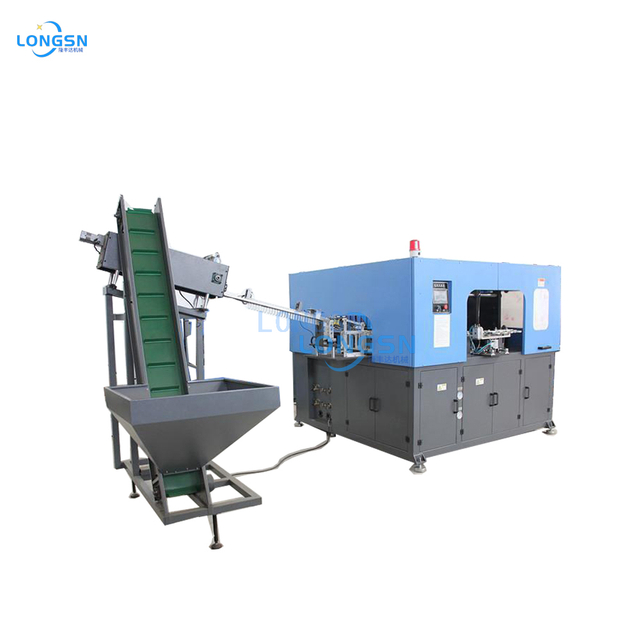
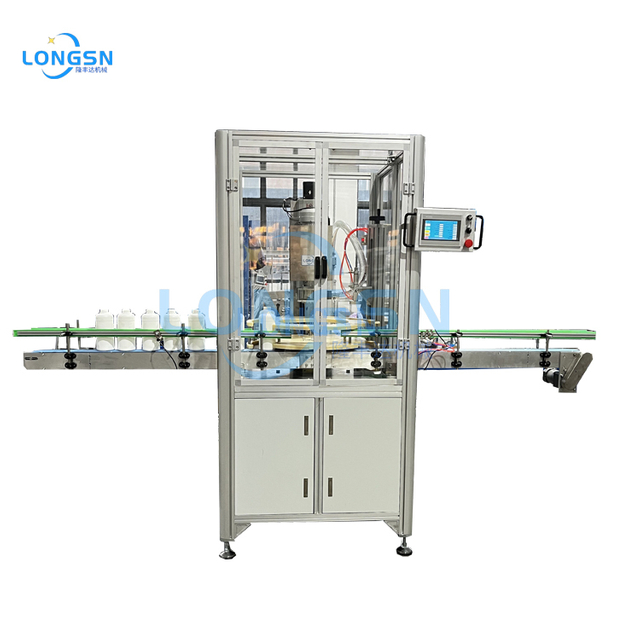
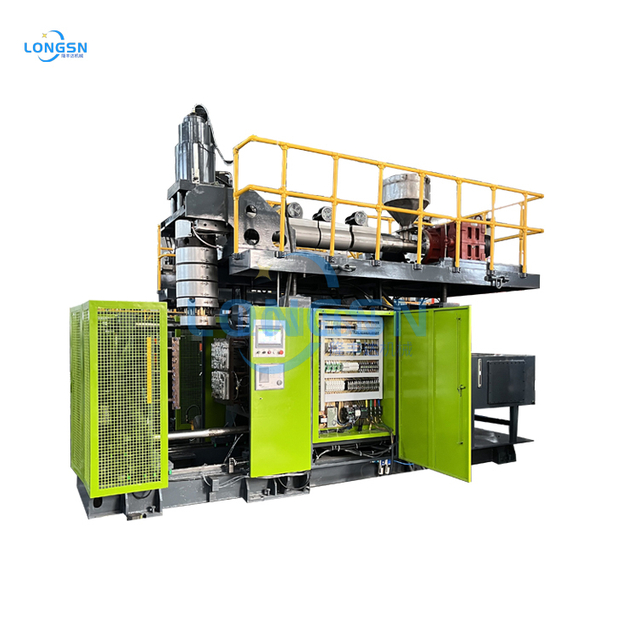
For manufacturing facilities and packaging startups, investing in a pet bottle blow molding machine is a high-stakes capital expenditure. Misaligning machine specifications with production goals directly leads to bottlenecks, excessive scrap rates, and inflated energy costs. The purchasing decision goes beyond simply comparing theoretical Bottles Per Hour (BPH) metrics on a brochure. It requires matching exact machine architecture, such as single-stage or two-stage systems, with your specific container designs, production volumes, and facility constraints. This guide strips away marketing claims to provide a hard-numbers framework for evaluating PET blow molding equipment. You will learn how to parse critical technical specifications and uncover the true financial impact of auxiliary components. We will also explore practical implementation strategies and E-E-A-T backed risk mitigation steps, ensuring your equipment delivers reliable operational yield from day one.
Key Takeaways
- Architecture Dictates Application: Two-stage machines dominate high-volume standard beverage production, while single-stage machines offer superior cosmetic control for custom cosmetics and pharmaceuticals.
- True Costs Exceed the Base Machine: Auxiliary equipment—specifically high-pressure air compressors and chillers—often adds 30% to 50% to the initial machine purchase price.
- Theoretical vs. Operational Yield: Equipment should be evaluated on sustained operational yield (OEE) rather than peak theoretical BPH, factoring in mold changeover times and maintenance intervals.
- Energy Consumption is the Primary Opex: Look for machines with air recovery systems and servo-driven stretching, as energy makes up the largest ongoing operational cost.
Single-Stage vs. Two-Stage: Choosing the Right Production Model
Many buyers struggle to pick the correct machine architecture. You must align your choice directly to your product type. Your production model dictates operational efficiency. Choosing incorrectly guarantees persistent manufacturing hurdles.
The Two-Stage (Stretch Blow Molding) Approach
This method separates preform manufacturing from the blowing process. The machine utilizes pre-manufactured PET preforms. It heats these preforms in an infrared oven. Next, it stretches and blows them into their final shapes.
This approach is ideal for high-volume production. Beverage companies use it extensively for water, carbonated soft drinks (CSD), and edible oils. It offers massive scalability. You can purchase preforms in bulk from specialized regional suppliers. This eliminates the need to melt raw resin on-site.
However, noticeable limitations exist. You must manage a complex supply chain for preforms. You also have limited ability to control the preform's initial thread quality. Preforms tumble together in bulk shipping boxes. This tumbling causes minor surface scratching. If a preform arrives physically defective, the blown bottle will inevitably fail.
The Single-Stage (Injection Stretch Blow Molding) Approach
Single-stage systems combine plastic injection and blowing into one unit. The machine injects raw PET resin to create the preform. It then blows this hot preform into a bottle within the exact same cycle.
This method is ideal for high-value, custom-shaped containers. Cosmetic brands and pharmaceutical companies prefer it heavily. Wide-mouth jars also rely on this technology. It ensures zero surface damage. The bottle forms entirely from scratch internally. There is no preform transport to scratch the delicate plastic surface.
The primary limitations involve capital costs. You will face a higher initial machine cost per output unit. Single-stage systems also yield a lower total BPH compared to two-stage systems. Maintenance requires dual expertise in both injection molding and blow molding.
Production Architecture Comparison Chart
| Feature Focus | Two-Stage Process | Single-Stage Process |
| Core Process | Heats and blows pre-made preforms. | Injects resin, then blows immediately. |
| Ideal Application | Water, CSD, high-volume standard bottles. | Cosmetics, pharma, zero-defect bottles. |
| Cosmetic Quality | Good, but prone to micro-scratches. | Excellent, pristine surface finish. |
| Primary Limitation | Requires reliable preform supply chain. | Higher initial cost, lower BPH limits. |
Critical Technical Specifications to Evaluate
Evaluating machine specs requires looking beyond standard brochure numbers. You need reliable, continuous output. Minor specification details dictate major production outcomes.
Production Capacity (BPH/Cavitation)
Always compare theoretical output against guaranteed continuous yield. Manufacturers often advertise peak theoretical speeds. Real-world operations rarely sustain these peaks. Evaluate the equipment based on Overall Equipment Effectiveness (OEE). Factor in weekly mold changeover times. Routine maintenance intervals also reduce your actual output.
You must also evaluate cavitation limits carefully. Machines range from simple 2-cavity models to massive 24-cavity rotaries. Check the maximum bottle volume permitted per cavity. A 6-cavity machine might produce 500ml bottles effortlessly. It might struggle or fail entirely when running 2-liter designs.
Clamping Force and Mold Compatibility
Clamping force secures the mold closed during high-pressure blowing. It is typically measured in tons. Insufficient clamping force causes severe quality issues. It directly leads to visible parting lines on the finished bottle. These blown bottles will frequently fail subsequent pressure tests.
Verify the maximum mold thickness parameters. Also, check the exact mold stroke dimensions. You want to ensure future container designs can fit safely. If your opening stroke is too short, wide bottles simply will not eject properly. This causes jams and machine faults.
Heating System Efficiency
Heating preforms consumes massive amounts of electricity. Look for closed-loop infrared heating systems. These advanced systems automatically compensate for ambient temperature fluctuations. They keep preform heating highly consistent across varying factory conditions.
Evaluate the oven's active neck-cooling capabilities. The bottle's threaded neck must remain cold. If the neck heats up, thread deformation occurs rapidly. Deformed threads lead to leaking caps and entirely ruined batches. Best practices dictate using dedicated water-cooled rails to protect the neck finish.
Pneumatic and Servo Control Systems
High-pressure blowing relies entirely on valve quality. Look for internationally recognized pneumatic components. Brands like Festo or SMC represent industry standards. They ensure high uptime and localized parts availability globally. Cheap valves leak pressure and ruin consistency.
Servo-driven stretching is another critical mechanical feature. It provides significantly better wall-thickness distribution. It drastically outperforms purely pneumatic stretching cylinders. Servo motors give operators exact, repeatable control over the internal stretch rod speed. This saves material and strengthens the bottle.
The True Cost of a PET Bottle Blow Molding Machine
Budgeting requires looking far past the base sticker price. Capital expenditure involves many moving mechanical parts. You must anticipate the entire production ecosystem.
Base Machine Pricing Tiers (Estimates)
We can divide production equipment into three primary pricing tiers.
- Semi-Automatic Machines: These offer a low entry cost. They are perfect for startups or very short custom runs. However, they carry a massive labor dependency. Operators must manually load hot preforms into the molds.
- Fully Automatic Linear Machines: These represent a sensible mid-tier investment. They provide the absolute best balance of cost and output. Most regional beverage producers rely on linear machines for steady, scalable growth.
- Fully Automatic Rotary Machines: These require an immense capital expenditure. They are built exclusively for enterprise-level, ultra-high-speed production. Multinational beverage plants use these for maximum throughput.
The Hidden Costs: Auxiliary Equipment
Auxiliary equipment drastically impacts your final procurement budget. Do not ignore these mandatory additions.
- High-Pressure Air Compressors (30-40 Bar): This is a strict, non-negotiable requirement. PET blowing requires intense air pressure to form corners. The compressor is often the most expensive auxiliary component you will buy.
- Water Chillers: Your molds need constant, aggressive cooling. Chillers circulate cold water through the solid mold blocks. This freezes the PET instantly, maintaining rapid cycle times and preventing plastic sticking.
- Air Dryers & Filters: High-pressure compressors naturally generate moisture. Moisture in the high-pressure air ruins bottle clarity instantly. It also compromises internal machine pneumatics. Refrigerated air dryers eliminate this risk entirely.
Tooling and Mold Costs
Base machine prices rarely include comprehensive mold sets. You must accurately factor in custom mold manufacturing. Industry standards utilize aviation-grade aluminum or hardened stainless steel. Aluminum transfers heat faster for better cooling. Stainless steel lasts significantly longer under heavy use.
Each unique bottle design requires a separate, costly mold set. Complex textures or custom brand engravings increase these costs further. Always quote your molds alongside the initial machine purchase.
Implementation Considerations and Operational Risks
Installing the equipment requires strict facility preparation. You must plan for physical utility and safety needs. Poor planning causes delayed commission dates.
Facility and Infrastructure Requirements
High-pressure air piping requires specific industrial safety ratings. You absolutely cannot use standard PVC pipes. Your facility layout must accommodate secure, rigid seamless metal piping. Welded stainless steel is the preferred standard.
Assess your industrial power availability early. Heating ovens draw significant instantaneous electrical current. A typical fully automatic pet bottle blow molding machine will spike power usage during its cold startup phase. Verify your local electrical grid can handle these massive amperage loads without dropping voltage.
Compliance and Safety Standards
Verify regional safety certifications before sending any deposit. Look for CE marks if operating within Europe. Check for UL listings or OSHA compliance in North America. Non-compliant machines invite heavy fines and facility shutdowns.
Ensure the presence of vital safety interlocks. Light curtains around moving clamp components are mandatory. They instantly stop the machine if an operator reaches inside the danger zone. This prevents catastrophic crushing injuries during operation.
Operator Training and HMI Usability
Complex, proprietary PLCs (Programmable Logic Controllers) pose major financial risks. If a custom proprietary board fails, your downtime extends for weeks. You will be stuck waiting for factory shipments.
Standardized PLCs drastically lower the operator training barrier. Industrial brands like Siemens, Allen-Bradley, or Mitsubishi are ideal choices. Local automation technicians already understand them perfectly. This intuitive usability keeps your lines running smoothly across multiple shifts.
Vendor Shortlisting Logic and Next Steps
Choosing a supplier involves intense, methodical vetting. Never buy based purely on the lowest initial quote. Cheap hardware always exacts a heavy toll later.
How to Compare Manufacturer Quotes
Demand a highly detailed Bill of Materials (BOM). Review the core components line by line. A cheap machine often hides off-brand electronics. It may use unhardened steel toggle parts that wear out quickly.
Ask for stringent Factory Acceptance Test (FAT) protocols. Will the vendor run your specific molds before shipping the unit? A rigorous FAT proves the machine actually works. It saves you from painfully debugging equipment on your own factory floor. Send your exact resin or preforms for this test.
Evaluating Warranty and Post-Sale Support
Clarify the exact difference between "parts warranties" and "service warranties." A parts warranty just mails you a broken valve eventually. A service warranty sends a qualified technician to install it correctly.
Assess the vendor's local technician availability. Check their spare parts inventory in your specific country or region. Waiting on overseas shipping for a tiny pneumatic sensor destroys operational profitability.
Next Step
Develop a clear container specification sheet today. Include the exact bottle weight, neck finish dimensions, and target BPH. Detail the precise liquid being filled. Have this comprehensive sheet ready before initiating vendor RFQs (Requests for Quote). This prevents endless emails and misaligned machine sizing.
Conclusion
Purchasing a pet bottle blow molding machine is a complex ecosystem investment. It is not a simple, standalone transaction. Success requires balancing your initial capital costs smartly. You must deeply consider the physical realities of auxiliary equipment and massive energy consumption. Long-term maintenance needs also play a critical role in daily profitability.
Take action by finalizing your specific bottle design first. Lock in your exact production volume requirements for the next three years. Finally, consult directly with local equipment engineers. Ask them to run a localized ROI calculation based strictly on your facility's specific utility and power costs.
FAQ
Q: What is the average lifespan of an automatic PET bottle blow molding machine?
A: A high-quality automatic machine typically lasts 10 to 15 years under normal operation. Lifespan depends heavily on strict adherence to maintenance intervals. The toggle mechanisms and pneumatic valves require regular lubrication and seal replacements. Machines running continuous 24-hour shifts will experience hardware wear faster than those running single shifts. Routine overhauls extend structural longevity significantly.
Q: Can a single machine produce both small water bottles and large 5-liter jugs?
A: Generally, no. Machines are constrained by their maximum mold stroke and cavity spacing. A machine designed for fast 500ml bottles lacks the physical opening distance to eject a 5-liter jug. Furthermore, the infrared heating oven profiles are optimized for specific preform thicknesses. Trying to heat massive preforms in a small oven causes uneven material distribution.
Q: What is a normal scrap rate during PET bottle production?
A: A well-maintained, dialed-in automatic system should maintain a scrap rate under 1% to 2%. High scrap rates usually indicate underlying mechanical problems. Common causes include uneven oven heating, moisture in the high-pressure air supply, or degraded pneumatic valves. Substandard preform quality from external suppliers also drastically inflates your daily rejection metrics.
Q: Why is a high-pressure air compressor required?
A: Standard factory air systems operate around 8 bar. Stretch blow molding relies on aggressive physics to force thick plastic into intricate mold corners. This process strictly requires 30 to 40 bar of pressure. Without this immense force, the PET cannot properly form the structural base or complex surface details. Specialized high-pressure compressors are mandatory for this application.

 English