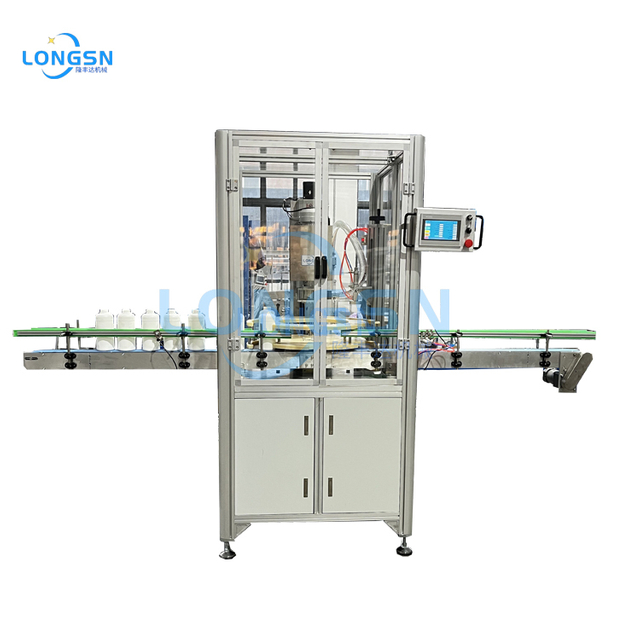
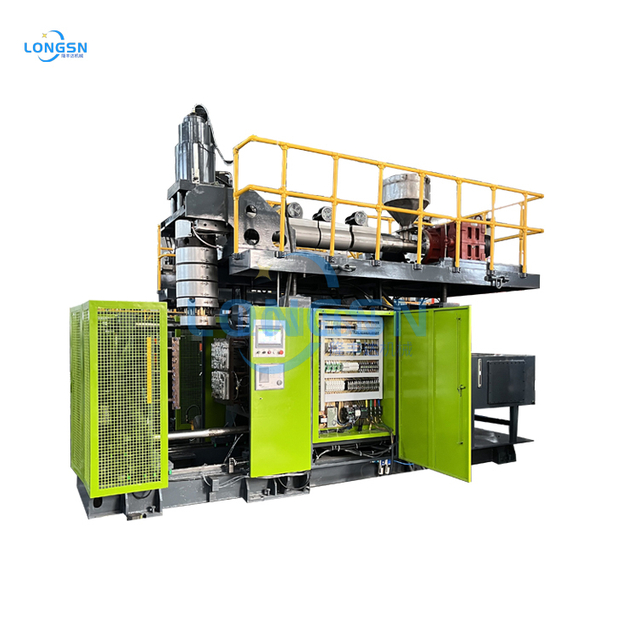
Unscheduled downtime destroys your production margins. High scrap rates in blow molding processes eat away at profitability rapidly. A malfunctioning bottle trimming machine acts as an immediate, severe bottleneck. Inconsistent trimming disrupts all downstream processes. Poor deflashing and uneven neck cutting cause critical downstream failures. It often creates micro-leaks during the fluid filling process. It compromises capping seals, directly leading to rejected product batches. Addressing these defects promptly is vital for your facility output. We provide an evidence-based diagnostic framework for these exact challenges. You will learn to troubleshoot immediate mechanical issues effectively today. Maintenance engineers can stabilize production lines using these tested methods. Production managers will discover how to evaluate equipment lifecycles objectively. We guide you from stressful reactive fixes to proactive reliability. You will master standardizing quality control protocols across your packaging floor.
Key Takeaways
- Symptom-Based Diagnostics: Most trimming defects stem from blade dullness, misalignment, or upstream blow molding variances.
- Pneumatic & Sensor Checks: Intermittent jamming is frequently tied to inconsistent air pressure or degraded optical sensors failing to index bottles correctly.
- Maintenance Protocol: Transitioning from reactive fixes to a strict blade and belt lifecycle management schedule reduces unexpected stoppages by improving Overall Equipment Effectiveness (OEE).
- The Upgrade Threshold: If a machine requires constant recalibration to maintain tolerances, or if scrap rates exceed acceptable baseline metrics, investing in automated, servo-driven trimming solutions often yields a higher long-term ROI than continuous repairs.
Diagnosing Trimming Defects and Quality Inconsistencies
Poor cut quality increases scrap rates significantly across the production floor. It causes downstream rejection during quality control or automated filling operations. You must identify mechanical root causes quickly. This preserves product integrity and protects your bottom line.
Issue: Rough, Jagged, or Angled Neck Cuts
Uneven blade wear causes rough edges along the plastic rim. Incorrect blade angles disrupt the clean slicing motion completely. Loss of tension in the cutting mechanism allows blade deflection. This deflection creates slanted or angled bottle necks.
Inspect rotary or guillotine blades carefully under bright lighting. Look for micro-abrasions on the delicate cutting edge. Verify the alignment of the cutting head systematically. Use precision feeler gauges to confirm clearance specifications. Replace blades rather than re-sharpening them. This ensures you maintain strict manufacturer tolerances. Resharpened blades often alter the cutting geometry slightly.
- Best Practice: Implement a strict blade inspection routine every single shift. Early detection of micro-abrasions prevents batch-wide neck defects.
Issue: Incomplete Tail or Dome Removal (Deflashing Failure)
The pneumatic cylinder may lack adequate stroke length for complete removal. Upstream blow molding variances also play a major role here. Variations in bottle wall thickness prevent uniform flash removal. Thick spots resist the cutting mechanism entirely.
Check pneumatic pressure gauges first during your troubleshooting process. Monitor them closely for pressure drops during peak cycle times. Audit your blow molding parameters next. Ensure consistent flash thickness before adjusting the trimmer mechanism. Adjusting the cutter to accommodate bad molding creates compounded errors.
- Common Mistake: Cranking up pneumatic pressure to force a stubborn cut. This damages cylinders and accelerates mechanical wear rapidly.
Issue: Plastic Shavings and Particulate Contamination
Dull blades tear the plastic rather than slicing it cleanly. This tearing action generates microscopic plastic shavings. Static electricity worsens this problem significantly during dry conditions. Static causes shavings to cling tightly to the bottle interior.
Upgrade your blade material immediately to solve edge degradation. Carbide-tipped blades offer superior edge retention and much cleaner cuts. Install static eliminators at the cutting station right away. Calibrate your vacuum extraction systems to pull debris away effectively. Clean the vacuum filters daily to maintain maximum suction power. You must keep the internal bottle volume completely contaminant-free.

Addressing Mechanical Jams and Cycle Interruptions
Frequent micro-stops degrade line efficiency dramatically over a standard shift. Resolving jamming requires isolating mechanical syncing from electrical control failures. You must approach cycle interruptions systematically to restore flow.
Issue: Bottles Misaligning in the Cutting Station
Worn indexing starwheels fail to hold bottles securely during indexing. Stretched timing belts disrupt synchronized mechanical movements. Faulty photoelectric sensors trigger actions at the wrong exact moment. This causes bottles to crush inside the cutter tooling.
Inspect starwheel pockets for excessive physical wear regularly. Replace them if you notice any play or slippage. Clean all sensor lenses using approved isopropyl alcohol wipes. Verify sensor sensitivity thresholds match the bottle color accurately. Check the conveyor drive belt for proper physical tension. Ensure synchronous timing aligns perfectly alongside the cutter head operation.
Follow this exact procedure to recalibrate alignment safely:
- Lock out power to the machine entirely for safety.
- Manually rotate the drive assembly to the true home position.
- Center a sample bottle perfectly within the starwheel pocket.
- Adjust the photoelectric sensor bracket until it registers the bottle.
- Run a slow-motion test cycle to verify flawless synchronization.
Issue: Scrap Ejection Failures (Flash Accumulation)
A physically blocked chute prevents scrap from exiting the station. Weak ejection air blasts fail to push heavy flash away. Mechanical stripper failure leaves scrap attached to the tooling directly. This accumulation jams the next incoming bottle instantly.
Clear all physical blockages safely before restarting the motor. Test the solenoid valves controlling the ejection air blast manually. Confirm they open fully and rapidly upon command. Ensure the scrap conveyor operates at a proportionate speed. It must keep pace alongside the machine output rate. Check airline fittings for subtle pressure leaks routinely. Small leaks reduce ejection force considerably over time.
Preventative Maintenance: Standardizing Reliability
Break-fix operational models destroy productivity across your manufacturing facility. Shifting to proactive maintenance stabilizes OEE metrics immediately. It extends the functional asset lifespan considerably while protecting profit margins.
Establishing a Wear-Part Replacement Schedule
Track cycle counts rather than calendar days for accurate tracking. This dictates precise blade, belt, and seal replacement intervals. Calendar days ignore production volume fluctuations completely. Document the baseline performance of all new machine parts. Use this specific data to set objective degradation limits. Replace components before they impact product quality directly. Preventative replacement costs much less than scrapped product batches.
Component Lifecycle Standards
| Component Type | Tracking Metric | Replacement Threshold |
| Rotary Cutting Blades | Cycle Count | 1.5 Million Cuts |
| Timing Belts | Operating Hours | 4,000 Hours |
| Pneumatic Seals | Actuation Count | 3 Million Cycles |
| Optical Sensors | Calibration Checks | When sensitivity drops 20% |
Lubrication and Pneumatic Care
Maintain the main air preparation unit diligently every single week. This includes the Filter, Regulator, and Lubricator elements. Moisture in pneumatic lines causes premature cylinder wear rapidly. It creates erratic cutting force during crucial deflashing operations. Drain water traps daily to protect internal valve structures. Specify food-grade lubricants where strict regulatory compliance is required. Beverage or pharmaceutical packaging lines mandate these specific formulations exclusively.
Operator Training and Changeover SOPs
Standardize tooling changeovers for different bottle sizes meticulously. Document exact procedures for changing neck diameters and heights. This prevents alignment errors caused by operator variance across shifts. Use visual aids like color-coded tooling sets for clarity. Implement shadow boards for all essential changeover tools. Consistent training ensures every shift performs setups identically. Uniform setups guarantee uniform product quality.
When to Troubleshoot vs. When to Upgrade Your Bottle Trimming Machine
Decision-makers must evaluate ongoing maintenance costs objectively. You must weigh daily scrap losses against new capital expenditure. Sometimes, repairing old equipment wastes valuable engineering resources.
The Sunk Cost of Legacy Equipment
Evaluate your replacement parts availability carefully before committing funds. Sourcing obsolete PLC components increases downtime risk substantially today. Custom-machined mechanical parts require excessively long lead times. Calculate the true financial cost of scrap production weekly. The machine may fail to hold tight tolerances consistently anymore. Variations exceeding +/- 0.2mm ruin downstream capping operations entirely. The cost of wasted resin justifies equipment replacement quickly. Downstream bottlenecks also drain labor resources heavily during sorting.
Evaluating Modern Trimming Solutions
Compare servo systems versus aging pneumatic technology objectively. Servo-driven machines offer much higher cutting precision inherently. They provide unmatched repeatability across millions of rapid cycles. They feature significantly lower energy consumption compared to pneumatics. Modern equipment features IoT sensors natively built into the frame. These sensors enable powerful predictive maintenance programs instantly. They offer easier integration alongside upstream stretch blow molding machines. You can execute automated changeovers via simple HMI recipes.
Shortlisting Next Steps
Define acceptable ROI timeframes for new equipment clearly upfront. Aim for an 18 to 24-month return period generally. Base this financial calculation on direct labor reduction primarily. Include the financial savings from scrap minimization too. Factor in the increased throughput capabilities of modern units. Document these specific metrics before contacting equipment vendors. Build a solid, evidence-based business case for facility upgrades.
Conclusion
Mastering trimming equipment maintenance requires a highly structured strategy always. Facilities must isolate mechanical wear, pneumatic shifts, and sensor glitches systematically. Proactive care extends the operational life of aging assets effectively. However, you must track scrap metrics relentlessly against modern industry benchmarks.
- Audit Your Data: Review your current OEE metrics to identify hidden micro-stops.
- Standardize Protocols: Implement cycle-based part replacement rather than reactive repairing.
- Assess Tolerances: Measure neck cut deviations weekly to catch blade degradation early.
- Evaluate Upgrades: Compare your scrap costs against the efficiency of modern servo-driven units.
Take decisive action today by auditing your internal maintenance protocols. Contact an engineering specialist to evaluate your current packaging line directly. Determine whether a targeted retrofit or full machine replacement provides the optimal operational path forward.
FAQ
Q: Why is my bottle trimming machine leaving a burr on the bottle neck?
A: Burrs typically indicate severe blade dullness or improper cutting clearance. If the blade fails to slice cleanly, it tears the plastic instead. Inconsistent bottle temperatures coming from the upstream blow molder also cause burring. Ensure your cutting gaps match manufacturer specifications perfectly. Maintain a consistent resin temperature profile before trimming.
Q: How often should cutting blades be replaced on a standard production line?
A: Replacement intervals depend heavily on cycle counts and specific resin types. Trimming rigid PET requires more frequent blade changes than softer HDPE. Avoid using fixed calendar timelines for maintenance. Instead, track the exact number of cuts performed. Document degradation patterns to establish a data-driven replacement schedule.
Q: Can poor blow molding cause trimming issues?
A: Yes. Uneven wall distribution directly impacts the trimmer mechanism. Excessive flash thickness forces the blades to cut unevenly. The trimming station cannot correct upstream molding defects. It merely amplifies them. Audit your blow molding parameters regularly. Ensure uniform plastic distribution to execute a clean, uniform cut consistently.
Q: What is the advantage of upgrading to a servo-driven trimming machine?
A: Servo-driven trimming machines offer remarkably precise speed control. They guarantee perfectly synchronized indexing for every bottle. Servos drastically reduce overall compressed air consumption. They also provide immediate fault diagnostics directly via the HMI interface. This reduces troubleshooting time and minimizes unscheduled line stops significantly.

 English