Manufacturers face a constant commercial dilemma. You must balance the heavy capital expenditure of new equipment against the potential downtime risks of the secondary market. A used machine can reduce your initial investment significantly. It also lets you bypass long factory lead times. However, buying blind carries massive risks. Treating a purchase as an "as-is" gamble often leads to inverted returns. Integration failures and obsolete components will quickly erase any upfront savings.
You need a structured approach to evaluate used equipment properly. This article provides a vendor-agnostic, technical framework. We will guide you through assessing hidden expenses. You will learn how to vet suppliers effectively. Our goal is to ensure a safe, scalable implementation for your facility. By following these steps, you can confidently integrate pre-owned hardware into your production line. Proper due diligence separates a profitable asset from a maintenance nightmare.
Key Takeaways
- Match Specs to Outcomes: Never buy based on price alone; verify extruder capacity, tie-bar spacing, and clamping force align with your specific mold and resin requirements.
- Audit Control Systems: Mechanical parts can be machined, but obsolete PLC controls (Programmable Logic Controllers) can render a machine unserviceable.
- Demand Documentation: Maintenance logs, original OEM manuals, and software backups are non-negotiable for a secure purchase.
- Factor in Rollout Expenses: Decommissioning, rigging, shipping, and installation often add substantial margins to the final cost of a used machine.
Defining Success: Framing Your Production Requirements
Before browsing equipment listings, you must establish hard baselines. Buying an over-specced or under-specced system directly impacts unit economics. You should focus entirely on your production outcomes. Identify exactly what your facility needs to produce daily.
Machine Type vs. Application
Different applications require entirely different mechanical frameworks. You must clearly delineate between the core processing methods. Extrusion Blow Moulding (EBM) works best for HDPE containers. Injection Blow Moulding (IBM) delivers high precision for medical and cosmetic packaging. Stretch Blow Moulding (SBM) is the standard for PET bottles. Choosing the wrong processing method guarantees project failure.
Application Comparison Chart | Process Type | Ideal Resin | Common Applications | Primary Advantage |
| Extrusion (EBM) | HDPE, PP | Detergent jugs, industrial drums | High versatility for handleware |
| Injection (IBM) | LDPE, PP | Pharmaceutical bottles, cosmetics | Scrap-free production, exact neck finish |
| Stretch (SBM) | PET | Water bottles, carbonated beverages | Exceptional clarity, high structural strength |
Capacity and Tooling Compatibility
You cannot force existing molds into incompatible hardware. Define your required cycle times and shot sizes clearly. Measure your current tooling dimensions. Verify the daylight opening and platen layout of the target machine. A mismatch here requires expensive custom adapter plates. Sometimes, incompatible tie-bar spacing prevents mold installation entirely. Always request the exact platen drawings from the seller before committing.
Resin Flexibility
Modern sustainability goals demand flexibility. Confirm if the used barrel and screw configuration can handle your chosen plastics. Many older systems struggle processing post-consumer recycled (PCR) resins. Recycled materials often introduce impurities. These impurities cause excessive wear and shear in older screw profiles. You should ask the previous owner what resins they processed. If they only ran virgin materials, running PCR might require a complete screw redesign.
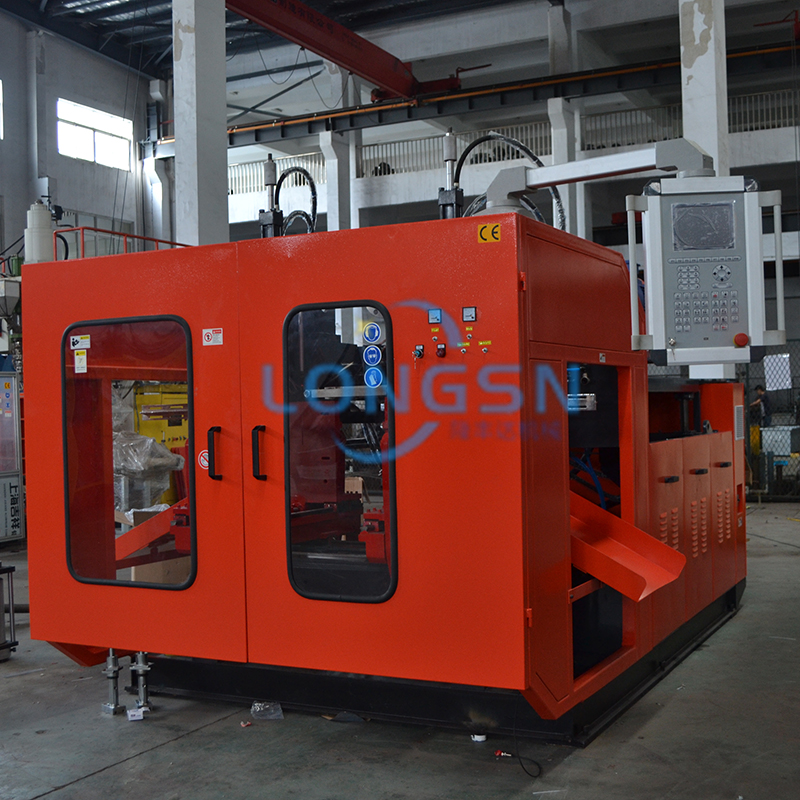
Critical Technical Inspection Points for Blow Moulding Machines
Thorough evaluation forms the core of any risk mitigation strategy. We strongly advise hiring an independent technician. An outside expert provides an unbiased health check. If you lack in-house expertise, this step is non-negotiable.
Extruder and Screw Wear
The extruder functions as the heart of your equipment. You must measure the barrel clearance precisely using a bore gauge. Look for deep scoring along the flight lands. Excessive wear leads to inconsistent melt temperatures. Temperature variation causes severe material degradation. Consequently, your facility will suffer from high scrap rates. Ask the technician to pull the screw if possible. Visual inspection reveals carbon buildup and plating degradation.
Hydraulic Systems and Clamping
Hydraulic health dictates production consistency. Inspect the entire machine for weeping cylinders. Check for degraded or brittle hoses. You must test the clamping force consistency under operating pressure. Uneven clamping causes plastic flash along the parting line. This leads directly to defective parts and wasted material. Listen for unusual pump cavitation noise during dry cycling. Cavitation usually indicates severe internal pump damage or fluid contamination.
Pneumatics and Calibration
Air systems control the final part formation. Assess the condition of all blow pin assemblies. Test the proportional valves for immediate response times. Sluggish valve response causes uneven wall distribution in the final container. Verify the air filtration units. Poorly maintained filters allow moisture into the pneumatic cylinders. Internal moisture causes rapid corrosion and unexpected valve failure during production runs.
The PLC Obsolescence Trap
Control systems often represent the biggest hidden risk. Identify the exact make and model of the control interface. Pre-2010 proprietary controllers frequently lack replacement parts. Furthermore, manufacturers may no longer offer software support. If the screen fails, you cannot simply buy a generic replacement. Obsolete electronics usually force a costly full-system retrofit. Always check the secondary market for spare I/O cards before purchasing older equipment.
Follow this numbered inspection sequence:
- Power up the control panel and check for active fault codes.
- Dry-cycle the clamp to verify smooth, shudder-free movement.
- Measure heater band resistance to identify burnt-out zones.
- Inspect the parison head for signs of severe plastic leakage.
- Verify the hydraulic oil temperature remains stable during operation.
Assessing Machine History and Documentation Reliability
Treat this purchase like buying a used commercial aircraft. The logbooks hold as much value as the hardware itself. Missing documentation drastically increases your operational risk. You should walk away if the seller refuses to provide operational records.
Maintenance and Rebuild Logs
You must request proof of routine preventative maintenance. Ask for detailed fluid change records. Review past component rebuilds carefully. A well-maintained Blow Moulding Machine will have a comprehensive service history. If the previous owner replaced the screw recently, ask for the invoice. Documented rebuilds extend the realistic lifespan of the equipment. Conversely, zero records suggest a run-to-failure maintenance culture.
Essential records to request:
- Annual calibration certificates for pressure transducers.
- Hydraulic fluid analysis reports showing particle counts.
- Invoices for major component replacements.
- Shift-level daily inspection checklists.
Manuals and Schematics
Proper documentation enables efficient troubleshooting. Ensure all electrical schematics are present and legible. You also need the hydraulic routing diagrams. Original OEM manuals must accompany the machine. Without these crucial documents, troubleshooting becomes a massive guessing game. Your maintenance team will waste hours tracing wires. Missing schematics make safe electrical lock-out tag-out procedures nearly impossible.
Software Backups
Never ignore the digital assets. Verify the availability of the operational software. You must secure copies of the parameter backups. If the PLC battery dies during transport, the machine loses its memory. Without a backup file, reprogramming the sequence logic takes weeks. Demand a physical copy of the logic program on a modern storage drive. Test the backup file to ensure it opens properly.
Sourcing Channels: OEM Refurbished vs. As-Is Resellers
Different procurement routes carry different risk profiles. You must balance your budget against your tolerance for unexpected downtime. Understanding the seller's motivation helps you negotiate better terms.
OEM Factory Refurbished
Buying directly from the original manufacturer offers high trust. However, this route demands a higher upfront cost. The OEM usually strips the machine down to the bare frame. They replace wear items and update safety compliance systems. You benefit from guaranteed parts availability. Factory refurbished units often include limited warranties. This path makes sense for high-volume production lines requiring maximum uptime.
Commercial Equipment Brokers & Dealers
Brokers provide a moderate risk option. They aggregate equipment from various plant closures. You must verify the broker's reputation through industry references. Always insist on inspecting the equipment under power. Dry cycling reveals mechanical flaws hidden during static inspections. If you are buying internationally, request comprehensive video evidence. The video must show the machine running an actual cycle, not just powering on.
Direct from Plants / Auctions ("As-Is")
Auctions offer the lowest upfront cost. However, they carry maximum risk. You purchase decommissioned machinery with absolutely zero guarantees. Sometimes, plants cannibalize parts from idle machines before the auction. You must perform strict due diligence. Bring your own mechanic to inspect the asset before bidding. Assume you will need to replace all seals, hoses, and heater bands immediately. Factor these replacements into your maximum bid limit.
Sourcing Channel Risk Matrix | Channel | Upfront Cost | Mechanical Risk | Warranty | Best For |
| OEM Refurbished | High | Low | Often Included | Critical production paths |
| Reputable Dealer | Moderate | Moderate | Negotiable (30 days) | Standard capacity expansion |
| "As-Is" Auction | Low | High | None | Facilities capable of rebuilds |
Implementation Risks and Hidden Expenses
You must calculate the actual cost to get the machine running. The list price represents only a fraction of the total expense. Ignoring rollout realities destroys project budgets quickly.
Logistics and Rigging
Transporting industrial machinery requires specialized planning. Factor in the costs of heavy machinery movers. You will need flatbed transport and heavy-duty forklifts. If sourcing internationally, account for customs fees and port delays. Improper rigging can twist the machine frame permanently. Always hire insured, professional riggers. Verify they have experience handling top-heavy plastics processing equipment. Securing the load properly prevents catastrophic transit damage.
Facility Requirements
Your target facility must support the newly acquired equipment. Verify the plant has sufficient electrical amperage. A large extruder draws massive current during startup. Check your chilled water capacity. Inadequate cooling increases cycle times dramatically. You also need robust compressed air infrastructure. Ensure your compressors can deliver consistent pressure. Drops in air pressure cause incomplete part formation and excessive scrap.
Upgrades and Safety Compliance
Older machines rarely meet modern safety standards. You may require immediate investments in physical safety guarding. Installing light curtains protects your operators from pinch points. Many facilities upgrade to energy-efficient servo-drives during installation. These upgrades help meet current OSHA/CE compliance standards. They also align with modern ESG goals by reducing power consumption. Do not skip safety upgrades to save money; workplace injuries cost far more.
Conclusion
Purchasing a used Blow Moulding Machine offers substantial rewards if managed correctly. Your shortlisting logic must follow a rigid sequence. First, define your specific production specs. Second, demand comprehensive maintenance documentation. Third, thoroughly inspect the control systems and mechanical wear items. Finally, calculate the true implementation expenses, including logistics and facility upgrades.
Take action by building a standardized inspection checklist for your team. Prepare your facility utility specifications in advance. Initiate contact only with vetted, reputable dealers who allow under-power inspections. Approaching the secondary market with this disciplined framework ensures you secure reliable hardware. You will avoid costly downtime and achieve a highly profitable production rollout.
FAQ
Q: What is the realistic lifespan of a commercial blow moulding machine?
A: A well-maintained steel frame can easily last over 30 years. However, wear components require regular replacement. Screws and barrels typically last 5 to 10 years depending on resin abrasiveness. Electronic components and PLC systems generally face obsolescence after 15 years, requiring major control upgrades.
Q: Can I retrofit an older used blow moulding machine with a new PLC?
A: Yes, retrofitting is common and highly effective. You replace the obsolete proprietary controller with modern, non-proprietary hardware. This secures future software support and parts availability. However, retrofitting requires extensive re-wiring and custom programming. Weigh the upgrade expense against the remaining mechanical life of the machine.
Q: How do I verify the clamp tonnage on a used machine?
A: You must use a calibrated load cell during an under-power inspection. Place the load cell between the platens. Engage the clamping mechanism fully. Compare the load cell reading to the manufacturer's rated specification. Significant deviations indicate worn toggle pins, stretched tie-bars, or failing hydraulic cylinders.
Q: Is it safe to buy a machine that has been sitting idle?
A: Buying idle machinery carries elevated risks. Hydraulic seals dry out and crack over time. Barrels develop internal rust if not purged correctly before shutdown. Electronic components suffer from moisture ingress. You must plan for a thorough, careful recommissioning process. Always flush fluids and replace critical seals before running production.

 English