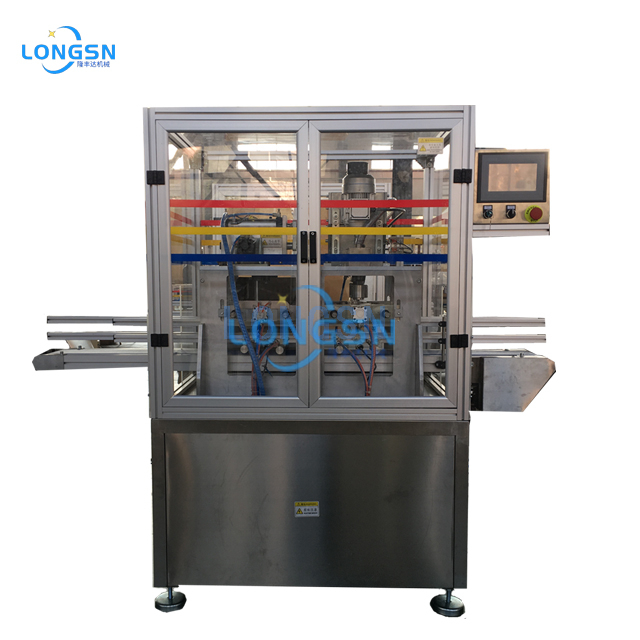
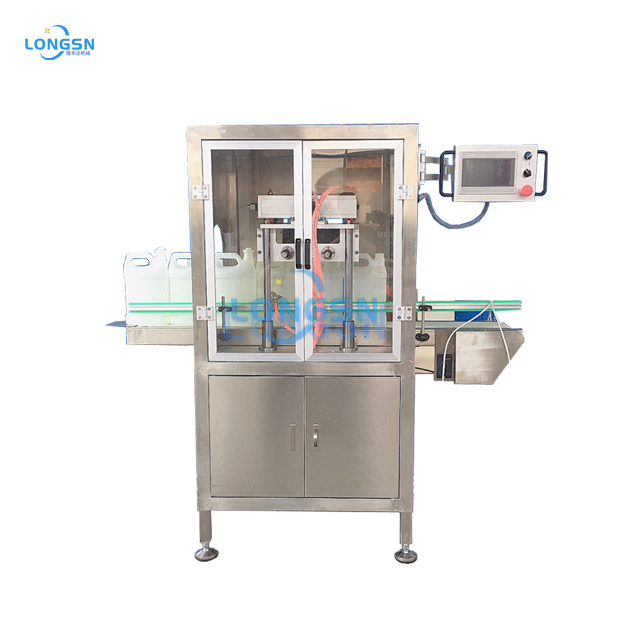
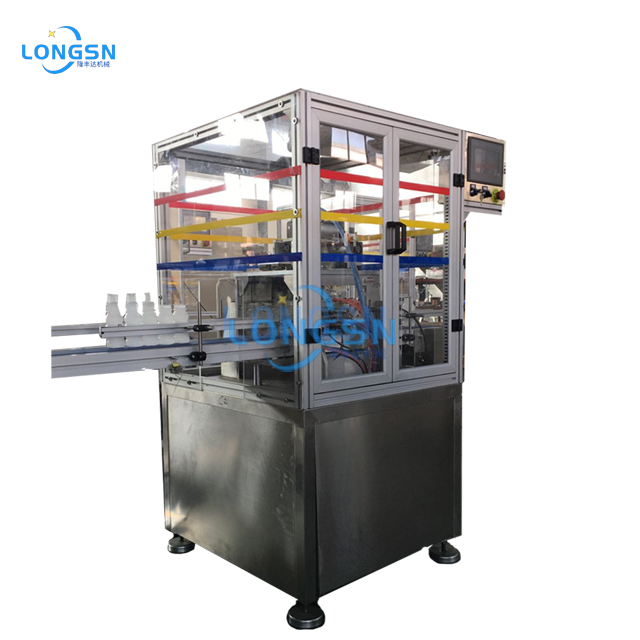
Processing plastic bottle waste without specialized equipment creates a massive operational bottleneck. Facilities face severe logistical hurdles when dealing with whole bottles due to storage constraints, transport inefficiencies, and intensive manual handling. The core problem lies in matching specific output requirements—such as precise PET flake size, minimal fines generation, and maximum volume reduction—with the correct mechanical cutting technology. You must balance equipment capabilities against your daily processing efficiency. You must distinguish a plastic bottle cutting machine, which focuses on recycling, shredding, and stripping, from machinery designed for bottle making, such as blow molding and extrusion lines. This guide provides a technical evaluation framework to help facility managers, recycling plant operators, and commercial upcyclers select the right equipment based on throughput, material specifications, and mechanical reliability.
- Output Specifications Dictate Machine Type: The choice between a shredder, granulator, or strip cutter depends entirely on required end-product dimensions, acceptable fines percentages, and moisture limits.
- Blade Metallurgy is the Primary Cost Driver: Wear resistance and maintenance intervals for cutting knives directly impact long-term operational costs and machine uptime.
- Throughput vs. Footprint Trade-offs: High-capacity processing requires significant floor space, power infrastructure, and integrated dust/noise mitigation systems.
- Downstream Quality Demands Pure Output: Success depends on the machine's ability to minimize PVC/polyolefin cross-contamination, manage moisture, and handle pre-sorted color profiles.
- Intent Matters: Commercial buyers must strictly differentiate between industrial volume-reduction machinery and low-volume commercial upcycling tools to avoid severe under-specification.
Clarifying Your Application: Intent, Specifications, and Machine Types
Clarifying Buying Intent: Bottle Cutting vs. Bottle Making
Buyers often confuse size-reduction equipment with manufacturing hardware. You must separate the process of size reduction from bottle production. Size reduction involves cutting, shredding, or granulating existing plastic waste into manageable pieces. Bottle production involves extrusion blow molding to create new containers from raw resin. Establish the distinction between high-volume industrial recycling and specialized commercial upcycling. Industrial recycling produces uniform flakes or regrind for secondary markets. Commercial upcycling cuts bottles into continuous strips or specific shapes for localized reuse. If your goal is to break down waste, you need cutting equipment. If your goal is to form a container, you need molding equipment.
Advanced Output Quality Specifications
Moisture control plays a massive role in processing efficiency. The cutting process dictates downstream drying requirements and storage safety. Wet granulation introduces water during cutting to reduce friction and wash the material. Dry granulation relies entirely on mechanical shear, which increases static and dust. Analyze how your chosen method affects the final moisture content of the flakes. Wet systems require downstream centrifugal dryers or thermal drying systems to bring moisture levels below 1% before bagging. Dry systems avoid the water treatment hassle but require aggressive dust collection vacuums.
Polymer contamination ruins entire batches of recycled PET. You must address the strict thresholds for PVC (polyvinyl chloride) and PO (polyolefin) contamination in cut PET flakes. Machine design assists in maintaining purity by preventing material stagnation in the cutting chamber. Screen geometries and rotor speeds must optimize the separation of labels and caps from the core PET material. When PVC passes through a high-speed granulator, it shatters differently than PET. If your machine generates too much heat, PVC can degrade and release hydrochloric acid gas, which corrodes the cutting chamber and ruins the PET batch.
Color separation directly impacts the layout of your cutting line. Evaluate how sorting requirements impact upstream stages. Processing color-sorted flakes requires rigorous pre-sorting integration. A mixed-color stream allows for bulk feeding but lowers the value of the final output. Your cutting equipment must integrate seamlessly with optical sorters or manual picking stations. Feeding a mixed batch into a granulator means you will spend heavily on downstream optical flake sorters to separate the clear PET from the green or blue fragments.
Volume reduction prepares materials for efficient transport. Evaluate machines designed solely to puncture or rough-cut bottles. These units eliminate trapped air before baling. They do not produce uniform flakes. They simply maximize bale density and reduce transport logistics. A simple shaft with piercing teeth can pop the bottles, allowing a baler to compress the plastic into dense, stackable blocks without the bottles bursting back open.
PET flake production requires precision engineering. Machines intended to produce clean, uniform flakes for secondary manufacturing must meet strict tolerances. Buyers demand exact dimensions and strict dust limits. Your equipment must feature sharp blades, optimized rotor speeds, and precise screen apertures to meet these stringent industry standards. Flakes destined for fiber spinning or food-grade packaging cannot contain micro-fines, as these burn during the extrusion process and cause black specks in the final product.
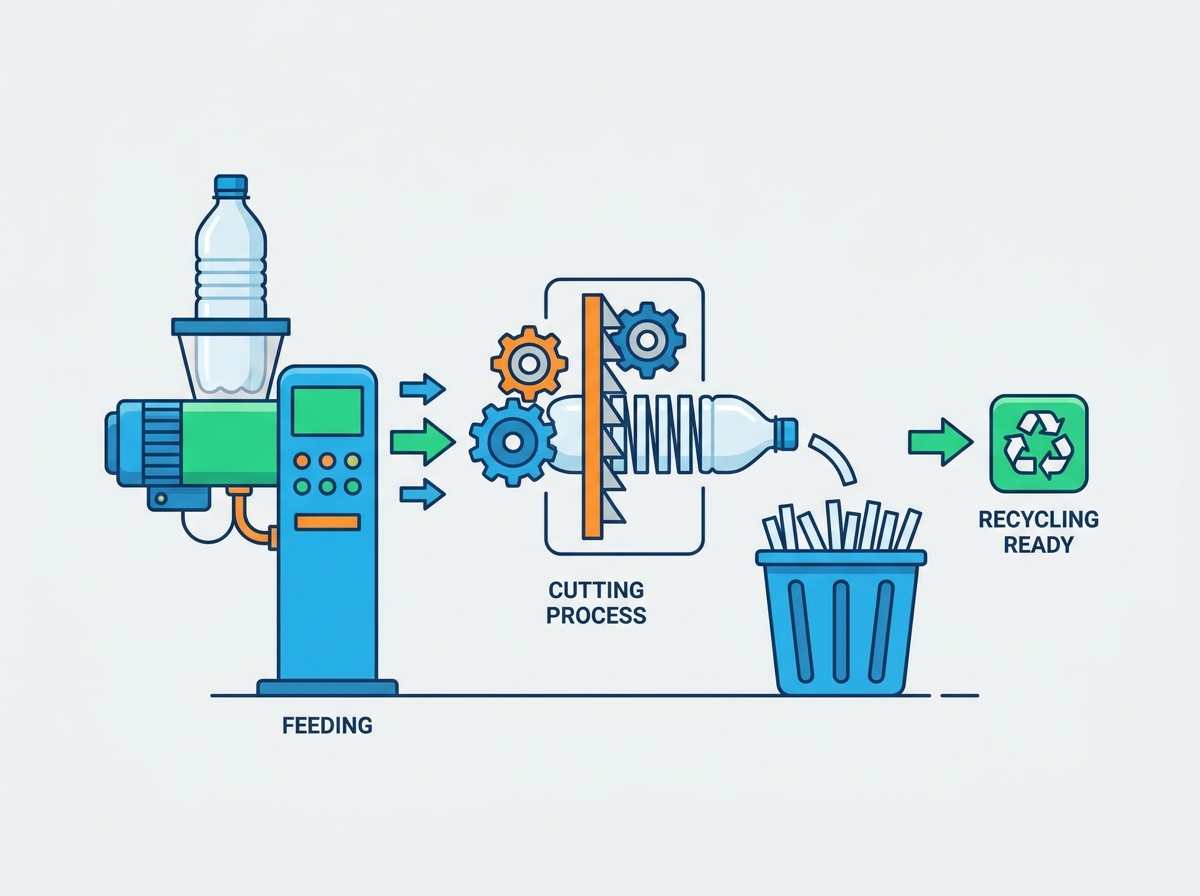
Core Types of Plastic Bottle Cutting Machines
Single-Shaft Shredders
Single-shaft shredders excel at rough volume reduction. They handle highly contaminated or mixed-density plastic bales with ease. The mechanism utilizes low-speed, high-torque cutting against a stationary stator blade. A hydraulic ram pushes the material against the spinning rotor. This design proves ideal for the primary reduction of whole, unflattened bottles. It resists jamming when encountering thick plastics or hidden debris. Operators use single-shaft machines to break apart tightly bound bales before sending the loose material down the line. The heavy rotor mass provides the inertia needed to power through dense clumps of plastic without stalling the motor.
Double-Shaft / Multi-Shaft Shredders
Double-shaft shredders deliver high-throughput primary size reduction. They process dense bottle bales rapidly. The mechanism features intermeshing cutting discs that pull material through the chamber. These machines operate at very low speeds with massive torque. They are highly resistant to jamming and self-clearing under heavy loads. They strip and tear bottles into large, irregular strips suitable for secondary granulation. Unlike single-shaft models, double-shaft shredders do not typically use a screen. The width of the cutting blades determines the final strip size. This makes them incredibly fast but unsuitable for producing a finished, uniform flake.
Plastic Granulators (Crushers)
Plastic granulators handle secondary processing to achieve precise, uniform flake sizes. Manufacturers require specific dimensions, typically between 10mm and 15mm, for PET sheet and fiber production. The mechanism uses high-speed open rotor or staggered rotor designs. Screens mounted below the rotor dictate the final output size. Material remains in the cutting chamber until it is small enough to pass through the screen mesh. Granulators run at high RPMs, creating a scissor-like cutting action. This high speed generates significant noise and requires robust blade maintenance to prevent the plastic from melting or smearing against dull knives.
Precision Strip & Filament Cutters
Precision strip cutters serve niche commercial upcycling applications. They convert PET bottles into 3D printing filament or binding strips. Low-volume artisan workshops rely on these tools. The mechanism features guided blade systems for continuous, single-bottle processing. Manual, entry-level, and DIY strip cutters require constant operator attention. Automated commercial strip-to-filament lines offer consistent tension and heating to reshape the cut strips into usable filament. These machines process one bottle at a time, making them irrelevant for industrial recycling but highly valuable for localized, small-scale manufacturing.
| Machine Type | Primary Function | Speed & Torque | Ideal Output | Contamination Tolerance |
| Single-Shaft Shredder | Rough volume reduction | Low Speed / High Torque | Large irregular pieces (40mm+) | High (Handles tramp metal well) |
| Double-Shaft Shredder | Bale breaking and tearing | Very Low Speed / Extreme Torque | Long strips and torn chunks | Very High (Self-clearing) |
| Granulator (Crusher) | Precision sizing | High Speed / Medium Torque | Uniform flakes (10mm - 15mm) | Low (Metal destroys blades) |
| Strip Cutter | Upcycling into filament | Variable Speed / Low Torque | Continuous thin strips | Zero (Requires clean bottles) |
Technical Evaluation Dimensions: Features to Outcomes
Throughput Capacity and Feed Mechanism
You must calculate realistic operational capacity in kilograms per hour. Do not rely solely on manufacturer peak claims. Peak claims often represent ideal conditions with perfectly sorted, high-density materials. Real-world capacity depends on bottle density, feeding consistency, and screen size. Evaluate manual gravity chutes versus automated conveyor belts. Force-feed hoppers maintain consistent throughput by actively pushing light bottles into the cutting rotor. Automated feeding prevents bridging and maximizes rotor engagement. If you feed whole, capped bottles into a gravity hopper, they tend to bounce on top of the rotor. A force-feed system or a heavy hydraulic ram eliminates this bouncing, forcing the plastic into the cutting path and stabilizing your hourly yield.
Blade Metallurgy and Geometry
Material selection for blades determines wear resistance and lifespan. Evaluate common metallurgies like D2 steel, SKD-11, and tungsten carbide inserts. D2 steel offers good toughness for general plastics. SKD-11 provides superior wear resistance for abrasive PET. Assess rotor geometries such as V-cut, scissor cut, and chevron designs. A scissor cut concentrates shear force, improving energy efficiency. Optimized geometry reduces fines generation and prevents material from bouncing inside the chamber. A V-cut rotor pulls material toward the center of the cutting chamber, preventing plastic from jamming against the sidewalls and reducing wear on the bearing housings.
Screen Mesh Size and Fines Control
Screen geometry and aperture size dictate the percentage of usable flakes versus waste dust. A smaller aperture increases retention time, leading to more fines. A larger aperture increases throughput but produces oversized flakes. The importance of quick-change screen mechanisms cannot be overstated. Drop-down screen cradles minimize downtime during size changes or routine cleaning. Proper screen maintenance ensures consistent output quality. When processing PET, a 12mm screen typically yields the best balance between throughput and acceptable flake size. If the screen blinds or clogs, the material stays in the chamber too long, turning into useless dust.
Drive Systems and Overload Protection
Assess motor power and torque requirements for your specific material. Processing rigid PET requires different torque profiles than thicker HDPE bottles. Evaluate direct drive versus belt-driven systems. Belt drives offer shock absorption during sudden jams, protecting the motor shaft. Direct drives provide maximum power transmission but require robust overload clutches. Automatic reverse-on-overload features prevent mechanical failure when the rotor encounters uncrushable objects. A heavy flywheel on the rotor shaft helps maintain momentum during heavy cutting loads, reducing the amperage spikes on the electric motor and stabilizing power consumption.
Operational Efficiency and Maintenance
Processing Efficiency
Analyzing kilowatt-per-ton processing metrics reveals true operational efficiency. High-speed granulators consume more energy and generate more dust. Low-speed shredders consume less energy per ton for primary reduction. Staging your reduction process often yields better efficiency. Using a shredder before a granulator reduces the load on the high-speed motor. This dual-stage approach optimizes energy consumption and improves flake quality. Pushing whole bales directly into a massive granulator requires a massive motor. Breaking the bale with a low-horsepower shredder first allows you to use a smaller, more efficient granulator for the final sizing.
Maintenance Accessibility
Downtime mitigation relies on easy maintenance access. Evaluate the labor hours associated with blade sharpening, gap adjustment, and screen replacement. Machines with hydraulic hopper openings reduce access time from hours to minutes. Hydraulic screen cradles allow operators to clear jams safely and quickly. Accessible rotor designs ensure technicians can set blade gaps accurately. Proper gap settings prevent material smearing and excessive friction. Setting the gap between the rotary and stationary blades to exactly 0.2mm ensures a clean scissor cut. If the gap widens to 0.5mm, the machine will tear the plastic rather than cut it, spiking your energy use and ruining the flake quality.
Follow these standard procedures for safe and efficient screen maintenance:
- Isolate all power sources and engage the mechanical rotor lock before opening the cutting chamber.
- Actuate the hydraulic cylinder to lower the screen cradle and remove the perforated mesh.
- Clean the screen tracks thoroughly to ensure the new screen seats perfectly flush against the housing.
- Install the replacement screen and verify clearance between the mesh and the rotating knives.
- Raise the cradle, secure the locking pins, and disengage the rotor lock before restoring power.
Implementation Risks and Mitigation Strategies
Material Contamination and Jamming
Undetected metal caps, aluminum rings, or tramp metal will destroy cutting blades. This risk causes catastrophic downtime and ruins expensive knife sets. Integrating magnetic cross-belt separators removes ferrous metals before they reach the cutting chamber. Metal detectors on the feed conveyor can halt the belt when non-ferrous metals pass. Specifying machines with automatic reverse-on-overload features protects the rotor from sudden jams. Even a single steel bolt hidden inside a bottle bale can shatter a hardened SKD-11 blade. Installing a heavy-duty magnet over the feed conveyor is a mandatory step for any industrial cutting line.
Dust and Fines Generation
High-speed cutting creates microplastics and airborne dust. This violates safety compliance and reduces usable yield. Dry cutting generates static electricity, causing dust to cling to the flakes. Specifying wet granulation systems mitigates this risk. Cutting with water injection cools the blades and washes the flakes. The water suppresses dust instantly and begins the cleaning cycle simultaneously. Wet systems extend blade life by reducing thermal degradation. The water acts as a lubricant, allowing the blades to slice through the tough PET polymer without overheating. You must plumb the machine correctly to handle the continuous water flow and manage the resulting slurry.
Operator Safety and Noise Compliance
Industrial cutting equipment generates severe noise and presents pinch-point hazards. Exceeding local decibel limits results in compliance violations. Manual feeding introduces significant safety risks. Mandating soundproof enclosures around the cutting chamber reduces noise to acceptable levels. Anti-flyback hopper designs prevent plastic shards from ejecting toward the operator. Safety limit switches and strategically placed emergency stop integrations ensure the machine cannot operate while open. A high-speed granulator processing PET can easily exceed 100 decibels. Heavy soundproofing panels and staggered hopper baffles keep the noise contained and protect the operators on the floor.
Conclusion
The optimal machine features a rotor design and screen configuration that perfectly match your required output specs, contamination tolerance, and throughput goals. Narrow your choices by first defining your end-product, whether that is a rough shred or a uniform flake. Calculate your required kilograms per hour realistically based on your feeding method. Compare blade maintenance protocols and accessibility features across different models to ensure you can keep the machine running efficiently.
- Define your exact output specifications, including flake size and acceptable fines percentage.
- Calculate your realistic daily throughput requirements based on actual feeding methods.
- Request material testing by sending sample bales to the manufacturer for proof of concept.
- Demand a guaranteed fines-percentage and moisture-control metric in writing.
- Specify hydraulic access features to minimize future maintenance downtime.
FAQ
Q: What is the difference between a plastic bottle cutting machine and a bottle making machine?
A: A cutting machine is size-reduction recycling equipment used to shred or granulate waste plastic into flakes. A bottle making machine uses extrusion or blow molding to manufacture new plastic containers from raw resin.
Q: What is the difference between a plastic bottle shredder and a granulator?
A: A shredder operates at low speeds with high torque for primary rough reduction of whole bottles or bales. A granulator operates at high speeds for secondary precision sizing, producing uniform flakes.
Q: How often do the blades on a plastic bottle cutting machine need sharpening?
A: Sharpening intervals depend on material and blade metallurgy. Abrasive materials like PET dull blades faster than HDPE. High-quality SKD-11 blades typically require sharpening every 40 to 60 hours of continuous operation.
Q: Can one machine process both PET water bottles and heavy HDPE detergent jugs?
A: Yes, but it requires adjustable blade gaps, interchangeable screen sizes, and sufficient motor torque. Processing mixed plastics efficiently often requires different rotor speeds and feed rates.
Q: What is wet granulation and do I need it for cutting plastic bottles?
A: Wet granulation injects water into the cutting chamber. It reduces friction, cools the blades, suppresses dust, and pre-washes the plastic. It is highly recommended for processing PET to improve flake quality.
Q: How do I minimize the percentage of fines when cutting plastic bottles?
A: Keep blades sharp and maintain the correct blade gap. Use the optimal screen aperture size for your target flake dimension. Avoid overfeeding the machine, which causes material to bounce and shatter.
Q: What safety features are mandatory for industrial plastic bottle cutters?
A: Mandatory features include safety limit switches on all access doors, anti-flyback flaps in the hopper, multiple emergency stop buttons, and soundproof enclosures to meet noise compliance standards.

 English