Shattered glass, jagged plastic edges, and wasted inventory continuously plague modern production lines. Investing in the wrong equipment inevitably leads to skyrocketing scrap rates. It also creates frustrating operational bottlenecks. We frequently see high failure rates when buyers fundamentally misunderstand the mechanics of their chosen materials. Glass demands precise surface scoring. You must follow this immediately with thermal shock to separate the bottle cleanly. Plastic requires sheer physical force. You achieve this through high-tension steel blades or motorized shear cutting. You simply cannot treat these materials the same way. This guide offers a transparent, BS-free breakdown of the top-performing equipment available today. We organize our robust recommendations by material type, production volume, and long-term mechanical reliability. You will learn exactly what to look for when scaling up your daily workflow. Let us help you find the right setup to minimize waste and maximize your output.
Key Takeaways
- Material dictates machinery: Glass requires carbide scoring wheels and thermal isolation; plastic requires high-tension steel blades or motorized shear trimming.
- The "perfect cut" myth: Manual machines require a significant learning curve; factor in a 10-15% initial waste rate during onboarding.
- Scale determines ROI: Hobbyist kits cost under $50 but fail at scale, whereas commercial trimming machines optimize for throughput and blade longevity over initial price.
- Safety is a primary differentiator: Top-tier machines feature integrated dust management and shatter-guards.
Our Evaluation Criteria for Bottle Trimming Equipment
Testing Methodology
We refuse to blindly trust basic manufacturer claims. Our testing methodology borrows directly from rigorous industrial product testing standards. We evaluate every single machine based on real-world stress tests. We avoid purely controlled laboratory environments. We push these tools to their physical breaking points. We want to see exactly where they fail under pressure.
We follow a strict evaluation sequence for every unit:
- Initial unboxing, calibration, and assembly time tracking.
- Baseline accuracy assessment using standard 750ml glass wine bottles.
- High-speed testing using 500ml PET plastic bottles.
- Continuous 100-cut stress tests to monitor structural flexing.
- Blade degradation analysis under high-magnification lenses.
Build Quality & Stability
A solid metal chassis is absolutely non-negotiable for serious work. Flimsy plastic frames flex significantly under continuous pressure. This minor flexing causes uneven scoring lines. Ultimately, this ruins your expensive bottles. We explicitly look for multi-roller systems. They must feature at least three high-density polyurethane rollers. Three contact points safely secure the bottle. They completely prevent lateral slippage during rotation. Without this stability, your score line will never align perfectly.
Blade & Scoring Wheel Durability
We meticulously measure the replacement frequency required over 1,000 continuous cuts. Tungsten carbide wheels easily outperform standard alloy alternatives across all glass tests. Cheaper metal alloys dull incredibly quickly. They require constant swapping mid-shift. Frequent blade changes disrupt your workflow. They irritate your operators and slow down production. For plastic cutting, high-carbon steel blades offer the best resistance against abrasive PET polymers.
Operational Safety
We evaluate each model rigorously for modern safety features. Ergonomic grips effectively reduce hand fatigue during extended shifts. Micro-debris shields protect your operators from dangerous flying splinters. Predictable tensioning systems prevent accidental shattering. They achieve this by strictly limiting the maximum applied pressure during rotation.
Evaluation Framework for Trimming Equipment
| Evaluation Criterion | Glass Requirements | Plastic Requirements | Impact on Workflow |
| Chassis Stability | Rigid metal, multi-roller | Heavy-duty base mount | Prevents uneven cuts and slippage |
| Cutting Mechanism | Tungsten carbide wheel | High-carbon steel shear | Determines edge cleanliness |
| Safety Features | Shatter guards, grips | Blade enclosures | Reduces workplace injuries |
Top Glass Bottle Trimming Machines for Precision Cuts
The Premium/Commercial Pick
High-volume prosumers desperately need consistency and reliability. You need a machine explicitly built for continuous daily use. The absolute best commercial units feature motorized rotation bases. They utilize premium diamond-coated scoring wheels. A motorized base applies incredibly consistent scoring pressure every single time. Outcome reliability drastically improves when you remove human error. Mechanical rotation speed beats manual turning effortlessly. This remarkable consistency delivers excellent results for small businesses selling repurposed glassware. You waste fewer bottles overall. You spend much less time sanding bad breaks.
The Best Manual/Hobbyist Pick
Beginners and hobbyists often prefer manual setups for their affordability. We highly recommend adjustable, multi-roller manual cutters. They offer a very small workbench footprint. They feature incredibly easy setup processes. You can quickly adjust the backstop plate for different bottle shapes. They handle standard wine bottles easily. They also accommodate thick craft beer and square liquor bottles. Look for models offering accessible thumbscrews for rapid adjustments.
Crucial Drawback Warning
We must clearly state a vital physical reality. No glass trimmer actually "cuts" through the glass directly. They simply score the outer surface tension. All glass trimmers require a secondary thermal shock process. You must alternate pouring nearly boiling water and ice water over the score line. Afterward, you must sand the raw edges completely smooth. Use silicon carbide sandpaper for the best finish. These machines do not automate those final, crucial separation steps.

Top Plastic Bottle Trimming Machines for Repurposing and B2B
The Industrial/High-Volume Pick
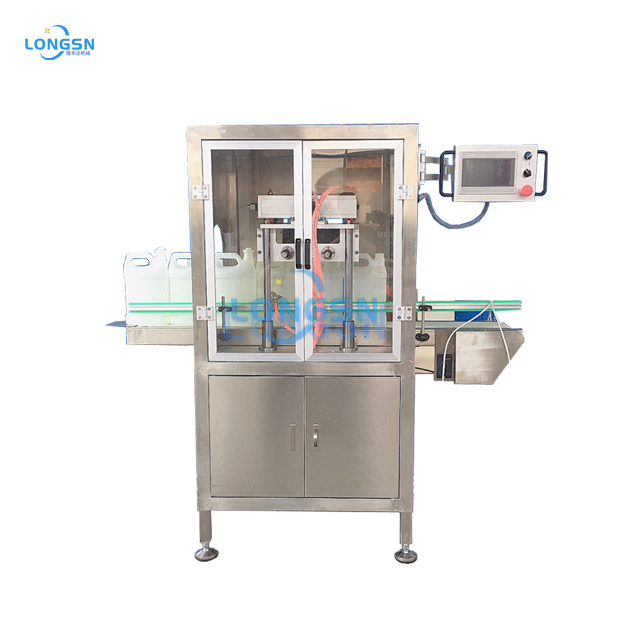
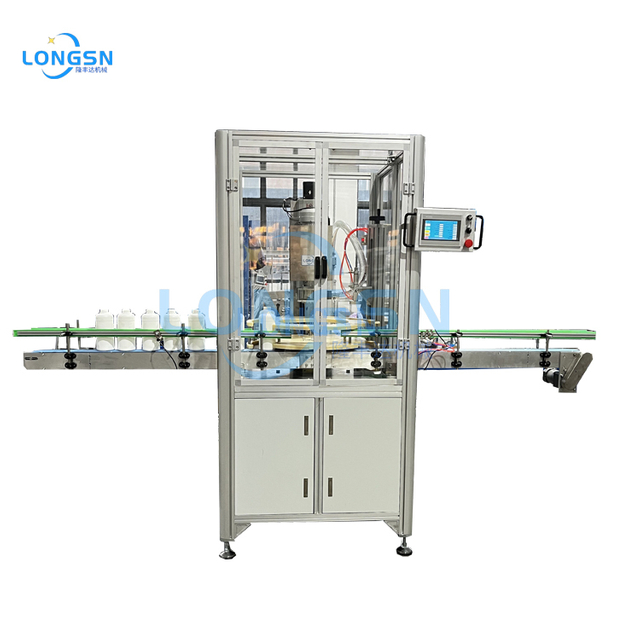
Commercial recycling plants require heavy-duty processing solutions. Large-scale manufacturing facilities face similar demanding requirements. Semi-automatic and fully automatic trimmers completely dominate this industrial space. Motor endurance remains the most critical performance metric here. Top industrial models easily maintain extreme throughput rates. They process thousands of bottles per hour without overheating. They must offer seamless compatibility with dense plastics like PET and thick HDPE. If you are upgrading your facility's output, investing in a robust bottle trimming machine ensures continuous operation. It actively prevents frequent motor burnouts. Modern servo-driven models provide highly precise neck cutting capabilities. This precision radically reduces downstream processing errors.
The Best Upcycling/Stringing Tool
Smaller craft operations often focus heavily on creative upcycling. Manual tools exist specifically to turn discarded plastic bottles into filament. They slice the plastic into high-tensile string. Portability acts as a major advantage for these handheld devices. They often feature simple wooden or aluminum bodies. However, blade sharpness strictly dictates your ultimate success. They struggle significantly when encountering thicker plastic walls. Pay close attention to the base and neck areas. Keep your specific bottle thickness limitations firmly in mind before starting.
Implementation Reality
Plastic cutting involves highly unique, often unexpected frustrations. Operators frequently experience annoying tension loss in plastic trimmers. Hardware vibrates loose during continuous operation. Blades dull much faster than aggressive marketing materials admit. You must schedule regular maintenance windows. Plan for swift blade swaps during shifts. Prepare to sharpen or replace your steel blades frequently. Dull blades cause jagged, unusable cuts and ruin your materials.
Common Implementation Risks & Safety Considerations
The Operator Learning Curve
Applying perfectly even pressure sounds incredibly easy in theory. In practice, it demands significant muscle memory. You need precise tactile feedback to succeed. Real user feedback highlights a steep learning curve for most beginners. We strongly recommend buying cheap, empty bottles purely for practice sessions. Do not start learning on your premium inventory.
- Expect to ruin your first ten bottles during practice.
- Listen for a consistent "scratching" sound.
- Avoid applying pressure that causes loud crunching noises.
- Maintain a firm but relaxed grip to avoid micro-fractures.
Micro-Debris Management
Cutting industrial materials invariably generates hazardous microscopic waste. Micro-glass dust and sharp plastic shavings pose serious health risks. Inhaling these invisible airborne particles causes severe respiratory issues. We highly recommend implementing strict personal protective equipment (PPE) protocols. Always wear N95 respirators in your shop. Use ANSI-rated cut-resistant Kevlar gloves at all times. Keep your primary workspace heavily ventilated. Wipe down all surfaces with damp cloths daily.
Thermal Shock Failures
Jagged glass edges constantly frustrate new users. Many operators incorrectly blame their scoring machine for a bad break. Uneven heating and cooling actually remains the leading cause of jagged edges. If you rush the thermal shock process, the rigid glass fractures unpredictably. Take your time pouring the hot and cold water. Pour it precisely over the score line. Never overlap your original score line. An overlapped line ruins the clean break point entirely.
Decision Framework: Matching the Machine to Your Output Needs
Low Volume (<50 units/week)
Hobbyists and small craft shops operate safely at lower volumes. For your specific needs, manual scoring kits remain the most pragmatic solution. They represent an acceptable, entry-level approach for weekend projects. Your daily output stays much slower. However, your initial capital investment stays comfortably low. You can afford to spend ten minutes perfecting a single beautiful bottle. Focus on mastering your technique rather than rushing the process.
Commercial Volume (>500 units/week)
Businesses processing hundreds of units face entirely different operational challenges. Motorized, industrial trimmers become absolutely essential at this demanding stage. They protect your tight profit margins by minimizing daily scrap rates. Furthermore, automation effectively reduces repetitive strain injuries. Your valuable workers stay safe and productive. You simply cannot rely on manual labor for high-volume shearing tasks. Scaling your operation requires serious mechanical infrastructure.
Conclusion
The ideal trimming setup relies entirely on your core material and production scale. Glass demands precision surface scoring and careful thermal shock management. Plastic requires relentless shearing power and consistently sharp steel blades. Hobbyists can easily succeed with simple manual rigs. Commercial entities, however, must embrace automation to survive. We highly advise you to carefully audit your monthly bottle volume today. Document your exact material types before making any rapid purchases. Consolidate your volume data and assess your physical workspace. Implement rigorous safety protocols before plugging anything in. Move forward with procurement only when your throughput numbers dictate a clear operational need.
FAQ
Q: Can a single bottle trimming machine cut both plastic and glass?
A: No. Glass requires surface scoring to facilitate a thermal break. Plastic requires physical shearing or slicing. Attempting to use one machine for both materials will instantly ruin the material. It will also permanently destroy your cutting blade.
Q: How often do the cutting wheels or blades need replacing?
A: Standard tungsten carbide wheels generally last roughly 500 to 800 cuts. This depends heavily on your glass thickness. High-carbon plastic blades may need regular swapping every 200 cuts depending on the PET density.
Q: Why does my glass bottle shatter instead of breaking cleanly?
A: Two main culprits cause shattering. Applying too much physical pressure creates invisible micro-fractures in the glass. Alternatively, overlapping the score line ruins the clean break point. A single, consistent score line works best.
Q: Do I need a motorized machine for a small craft business?
A: If you produce more than 50 finished pieces a week, yes. A motorized base prevents severe operator fatigue. It drastically lowers the error rate and keeps your production schedule highly predictable.

 English