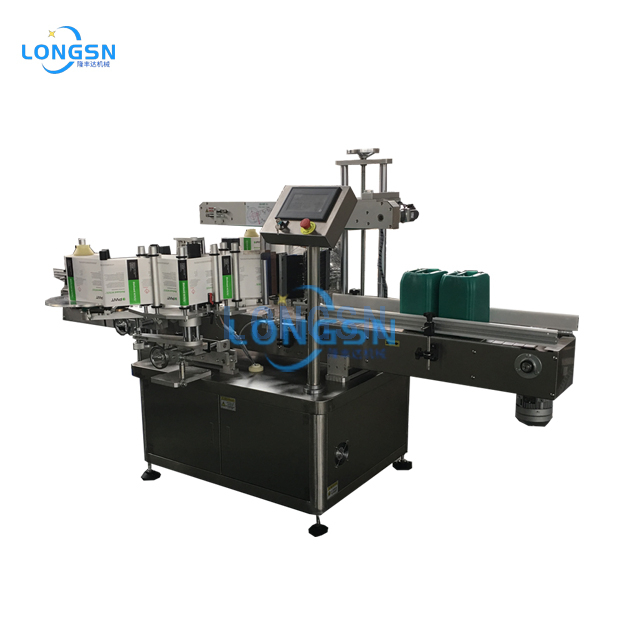
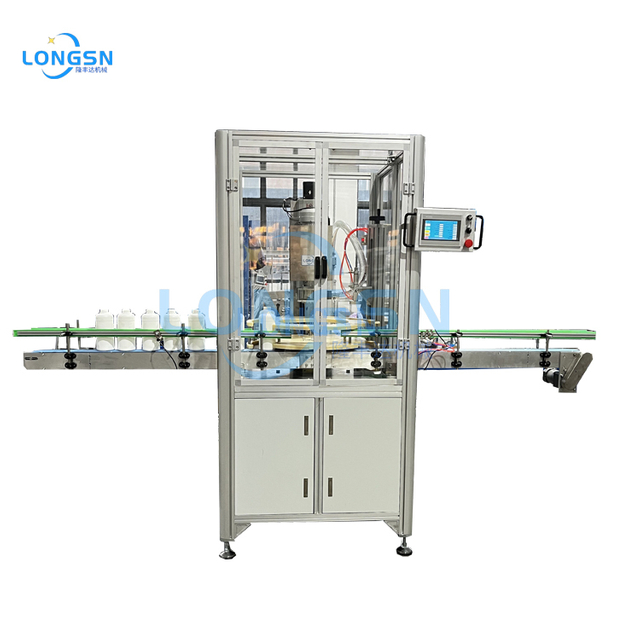
Production bottlenecks often stem from packaging inefficiencies across the manufacturing floor. Label application remains a primary culprit for slowed throughput. It also creates inconsistent product branding. Startups often rely on manual applicators due to a low barrier to entry. Hand application requires zero mechanical setup. However, manual methods struggle to compete over time. They cannot match the rapid scalability of automated systems. They also fail to deliver the flawless consistency of machine application. Choosing the right bottle labeling machine is about much more than raw speed. It involves smart labor reallocation. It also requires meeting strict output quality requirements. Manual processes hide expenses in daily operations. Automated systems bring those expenses under tight control. In this article, you will learn how to identify the hidden expenses of manual labeling. We will explore the core advantages of automation. We will also reveal the exact operational thresholds indicating it is time to upgrade your line.
Key Takeaways
- Manual labeling is cost-effective for micro-runs but scales poorly due to hidden labor costs and rising error rates.
- Automatic bottle labeling machines standardize placement accuracy, drastically reducing rework and material waste.
- The decision to upgrade should be triggered by specific operational thresholds: exceeding 500-1,000 units per shift, chronic labeling inconsistencies, or labor constraints.
- Successful implementation requires assessing current floor space, container variety, and existing conveyor integration, not just the upfront machine cost.
The Hidden Costs and Limitations of Manual Labeling
Many startups begin their journey with manual labeling. It seems exceptionally cheap at first glance. You only buy rolls of stickers and pay an employee. However, hidden costs quickly emerge as production volumes grow. Manual processes create invisible leaks in your operational budget.
- Labor Dependency: Manual application requires constant human effort. You pay direct hourly wages for every single labeled product. Output volume directly relies on human endurance. Physical fatigue sets in rapidly over an eight-hour shift. As workers get tired, their application speed drops significantly. A worker might label 10 units per minute at 8:00 AM. By 3:00 PM, that speed often drops to five units. This inconsistency makes production planning nearly impossible. Repetitive strain injuries also become a serious liability.
- Inconsistent Placement: Crooked, wrinkled, or bubbling labels severely hurt your brand image. Retail buyers notice poor packaging instantly on store shelves. Consumers often associate sloppy labels with low-quality products. Human hands cannot guarantee perfectly straight placement every time. Eye-balling the alignment leads to a staggered, messy appearance on display shelves. Your product looks unprofessional compared to automated competitors.
- Rework and Material Waste: Scrapped containers become recurring operational leaks. Ruined labels quietly drain your packaging budget. When a sticker goes on crooked, you face two bad choices. You either ship a substandard product or you fix it. Fixing it requires peeling off the mistake. You waste valuable time cleaning off sticky residue. Then you reapply a brand new sticker. This rework doubles the labor cost for a single unit. It also doubles your consumable material expenses.
- Opportunity Cost: Tying up personnel in repetitive tasks limits your business growth. They cannot focus on higher-value production duties. You miss opportunities to assign them to critical quality control roles. They could be managing palletizing, inventory, or packing stations instead. When humans act like machines, your facility loses its strategic flexibility.
Core Advantages of an Automatic Bottle Labeling Machine
Upgrading to an automated system completely transforms your production floor. You replace human guesswork with absolute mechanical certainty. Machines perform repetitive motions flawlessly.
- Predictable Throughput: Human speeds fluctuate wildly throughout the day. Machine cycles remain relentlessly constant. Automation delivers a predictable output rate. Depending on the model, automation handles 50 to over 150 bottles per minute. High-speed rotaries can push past 300 units per minute. You can calculate exactly how long a batch will take. You can schedule shipping logistics with absolute confidence. Unpredictable throughput becomes a problem of the past.
- Precision and Repeatability: Roller systems and sensor triggers guarantee exact placement. Mechanical alignment maintains an incredibly tight tolerance. Good machines place stickers within a +/- 1mm margin of error. A bottle labeling machine uses wipe-down rollers to smooth out edges. This eliminates unsightly air bubbles. It prevents wrinkles on clear film labels. This precision is crucial for retail-ready aesthetics. Consistent placement ensures all bottles look identical on a store shelf.
- Labor Reallocation: Automation does not just eliminate floor jobs. It heavily reduces your per-unit labor cost. You scale your output massively without increasing headcount. Staff can manage the machine instead of doing the tedious grunt work. One operator can oversee an entire packaging line. This shift elevates your workforce from manual laborers to skilled technicians. They monitor the web tension and replenish material rolls.
- Data and Integration: Modern packaging systems offer seamless line synchronization. They connect directly with your existing filling and capping equipment. Advanced units feature integrated thermal transfer printers. These printers handle inline batch coding. They print expiration dates and lot numbers directly onto the web. This prevents you from running a separate coding process. The machine logic controllers track exact output numbers for your daily reporting. Optional vision systems can even inspect and reject faulty labels automatically.
Manual vs. Automatic: Key Evaluation Dimensions
Choosing between manual and automated systems requires a comprehensive operational review. You must look beyond just the purchase price.
Volume and Scalability
Manual: This method is ideal for early R&D projects. You can use it effectively for seasonal product testing. It suits niche operations producing under 500 units per week. The low volume makes the high labor time acceptable.
Automatic: These systems are built for continuous, rigorous shifts. They handle high-volume SKUs effortlessly. You absolutely need them during rapid growth phases. They absorb massive order spikes without requiring overtime pay.
Initial Capex vs. Long-Term Value
Manual: You enjoy a very low upfront financial barrier. Handheld applicators or simple jigs cost almost nothing. However, variable labor costs remain persistently high. Every extra unit costs you exactly the same amount of human time.
Automatic: You face a much higher upfront capital expenditure. Installing a full conveyor system requires a dedicated budget. Yet, you achieve a drastically lower cost-per-bottle over a three to five-year lifecycle. The machine pays for itself by eliminating continuous hourly wages.
Footprint and Facility Requirements
Manual: You only need a simple tabletop footprint. There are virtually zero utility requirements. Semi-auto versions might just plug into a standard 110v wall outlet. They are highly portable across your facility.
Automatic: You must dedicate permanent inline floor space. The equipment requires specific industrial power drops. Many pneumatic units also need a clean compressed air supply to operate tamp pads or rejection gates.
Changeover Flexibility
Manual: You get instant changeover between disparate bottle shapes. No complex tools or wrenches are required. A worker simply picks up a different container and applies the sticker.
Automatic: You must perform precise mechanical adjustments. Sensor calibration takes valuable time when switching between round, square, or tapered sizes. Guide rails require tweaking. You must thread the new web properly. However, modern PLCs store configuration recipes. These digital recipes make routine automatic changeovers much faster once programmed.
Table: Operational Comparison of Labeling Methods
| Evaluation Dimension | Manual Application | Automated Systems |
| Volume Suitability | Micro-runs, R&D, seasonal testing | High-volume shifts, rapid growth |
| Cost Structure | Low upfront, high ongoing labor | High initial capex, low cost-per-unit |
| Facility Needs | Tabletop, standard 110v power | Dedicated floor space, industrial utilities |
| Changeover Speed | Instantaneous, zero tools needed | Requires mechanical & sensor adjustments |
| Placement Accuracy | Highly variable, prone to human error | Consistent, +/- 1mm tolerance typical |

Defining Your Operational Threshold: When to Make the Switch
Timing your equipment upgrade perfectly prevents costly production disasters. You must recognize the specific operational triggers demanding automation.
The Volume Trigger
You should carefully track the total time spent on manual application. Spending more than 20 hours a week indicates transition readiness. This metric proves human physical limits are holding you back. If your team cannot keep up with incoming sales orders, you have crossed the threshold. Exceeding 500 to 1,000 units per shift is a clear signal to automate.
The Quality Trigger
Major retail partners demand zero-tolerance for misaligned labels. Pharmaceutical and food safety compliance standards require absolute perfection. A missing barcode can result in a massive retailer chargeback. When human errors threaten your compliance standing, you must automate immediately. Consistent presentation is mandatory for surviving in competitive retail environments.
The Bottleneck Trigger
Upstream processes like automated filling and capping operate very quickly. If they must stop to accommodate your manual label application, you have a severe bottleneck. Your expensive filler sits idle while workers struggle to apply stickers. Automation removes this pacing constraint. It allows your entire production line to run at maximum rated capacity.
The Semi-Automatic Compromise
You might not need a fully automated inline conveyor system quite yet. Semi-automatic tabletop labelers act as a valid mid-tier solution. They offer extreme mechanical precision for businesses lacking massive volume. An operator places the container in a roller jig. A foot pedal triggers the application. This bridges the gap between hand application and full automation.
Implementation Realities: Risks and Rollout Lessons
Deploying a new bottle labeling machine requires careful planning and engineering. Follow these four crucial rollout lessons to avoid common facility pitfalls.
- Container and Label Compatibility: Automatic machines require highly specific web tension. The backing paper liner quality must withstand high pulling speeds without snapping. Sensor compatibility is absolutely non-negotiable. For example, clear film labels require specialized ultrasonic sensors to trigger correctly. Standard photoelectric sensors look right through clear materials and fail to stop the web.
- Line Integration: Never purchase equipment without calculating conveyor height first. You must check the directional product flow. Assess pacing constraints with your existing upstream equipment. A mismatched conveyor speed will cause endless product jams. You need variable speed drives to synchronize the hand-off points perfectly between machines.
- Operator Training: Automated systems demand a significant mindset shift on the floor. Staff must transition from manual laborers to skilled machine operators. They need to understand complex web threading paths. They must learn sensor tuning techniques. Basic maintenance protocols are essential. Without proper training, operators will constantly fight the machine instead of optimizing it.
- Maintenance Requirements: Preventative maintenance schedules protect your return on investment. You must clean adhesive buildup off the rollers regularly. Checking drive belts prevents unexpected mid-shift downtime. Proper mechanical care extends the life of your equipment. Neglecting these tasks leads to crooked application and frequent web snapping.
Conclusion
Shifting from manual to automatic application represents a massive operational investment. It guarantees structural consistency across your entire product line. Automation boosts your packaging speed exponentially. It ensures long-term operational efficiency by minimizing material waste. You stop throwing away ruined packaging. You free your workforce to tackle complex quality assurance tasks.
Calculate your current cost-per-labeled-bottle today. Audit your weekly throughput volume to see exactly where you stand. Identify the hidden labor leaks draining your packaging budget. Acknowledge when upstream fillers outpace your manual applicators.
Request a custom return-on-investment analysis for your specific facility. Ask for sample testing on a specific bottle labeling machine using your actual containers. Consult with an equipment specialist to finalize your upgrade strategy and secure your market advantage.
FAQ
Q: Can an automatic bottle labeling machine handle both round and square bottles?
A: Yes, but it requires the correct machine configuration. Wrap-around applicators are specifically designed for round containers. Front and back panel labelers apply stickers to flat surfaces like square bottles. Advanced systems feature modular stations to handle both shapes on the same packaging line.
Q: What is the typical ROI period for an automatic labeler?
A: A realistic ROI period ranges from 8 to 18 months. This timeline depends heavily on your local labor rates and daily production volume. High-volume facilities running multiple shifts usually see the fastest return on their capital equipment investment.
Q: Do I need a special type of label roll for automated machines?
A: Yes, automated machines require highly specific roll configurations. You must match the core size and outer diameter limits of the equipment. The unwind direction must align with the applicator head. Some machines also require gap or timing marks on the liner.
Q: What happens if I have tapered or uniquely shaped containers?
A: Tapered containers present unique application challenges. You often need custom tooling to hold the bottle completely steady. Specialized trunnion rollers help guide the label smoothly onto an angled surface. Always request factory sample testing to verify the machine handles your exact shape.

 English