Transitioning from manual or semi-automatic operations to a fully automated packaging line is a high-stakes capital expenditure. Facilities eventually reach a point where scaling up simply by adding more hands becomes impossible. You face a constant tension between increasing production throughput and managing severe labor constraints, strict quality control standards, and unplanned downtime. Resolving these challenges requires a shift in perspective. Successful automation demands viewing the procurement of a Bottle Packing Machine not just as a standalone equipment purchase, but as a system-wide integration project. In this guide, you will learn how to identify your operational breaking points and select the right equipment for your specific liquid and container types. We will walk you through a clear, five-step roadmap for implementation while highlighting common risks to avoid. You will walk away ready to evaluate vendors and future-proof your production line.
Key Takeaways
- Automation readiness depends on specific throughput bottlenecks, not just general production volume.
- Selecting the right bottle packing machine requires aligning liquid viscosity, container geometry, and facility footprint.
- Vendor evaluation must prioritize changeover times, PLC integration capabilities, and Total Cost of Ownership (TCO) over initial CapEx.
- Mitigating implementation risk requires rigorous Factory Acceptance Testing (FAT) and upfront operator training.
1. Recognizing the Breaking Point: When to Invest in a Bottle Packing Machine
Every growing production facility hits an operational threshold. At this breaking point, manual labor or legacy equipment actively limits revenue generation. You might notice bottlenecks forming at the capping station. Perhaps pallet shipments face delays because the packing team cannot keep up. Identifying this threshold is the first step toward modernization.
Throughput vs. Labor Costs
Labor shortages continue to challenge manufacturing environments. Relying on manual workers for repetitive packing tasks limits your scalability. Automating these workflows presents a massive operational advantage. You can reallocate line workers from tedious sorting tasks to quality assurance or supervisory roles. This shift reduces repetitive strain injuries. It also optimizes your workforce utilization. A reliable Bottle Packing Machine operates continuously without fatigue, stabilizing your shift outputs.
Quality and Consistency Deficits
Manual packaging inherently introduces human error. These errors often translate directly into product rework or compliance failures. Common consistency deficits include:
- Inconsistent fill levels causing regulatory weight discrepancies.
- Improper torque application on screw caps leading to leaks.
- Misaligned labels damaging brand presentation.
- Contamination risks resulting from excessive human contact.
Automated systems utilize precision sensors. They apply exact torque, measure precise fluid volumes, and reject defective units automatically. This standardization virtually eliminates costly rework.
Establishing Success Criteria
You must establish clear baseline metrics before engaging equipment vendors. Vague goals lead to poor equipment alignment. Define your expectations using industry-standard metrics. Determine your desired Bottles Per Minute (BPM) based on peak season demand. Calculate an acceptable scrap rate threshold. Most importantly, define your target Overall Equipment Effectiveness (OEE). OEE factors in availability, performance, and quality. Knowing these numbers ensures you procure a system built for your actual needs.
2. Solution Categories: Mapping Your Bottle Packing Equipment Needs
No single piece of equipment suits every facility. You must match the machinery to your specific product characteristics, facility layout, and container varieties. Understanding available solution categories prevents costly misalignments.
Modular vs. Monoblock Systems
Facilities typically choose between modular inline systems and monoblock rotary machines. Modular systems treat filling, capping, and labeling as separate, independent stations connected by conveyors. Monoblock systems combine these functions into one compact, rotating chassis. Below is a chart comparing the two approaches.
| Feature | Modular Inline Systems | Monoblock Rotary Systems |
| Footprint | Requires extended linear floor space. | Highly compact, ideal for tight spaces. |
| Scalability | Easy to add or swap individual stations. | Fixed configuration; difficult to expand. |
| Throughput Speed | Best for low to medium speed operations. | Designed for ultra-high-speed production. |
| Maintenance | Accessible; easy to isolate faults. | Complex; requires specialized technicians. |
Matching Machine to Product Viscosity
Fluid dynamics heavily dictate your filling mechanism. You cannot use the same filler for spring water and peanut butter. Free-flowing liquids perform best with gravity or overflow fillers. These systems ensure a cosmetically level fill across all transparent bottles. Conversely, high-viscosity pastes require piston fillers. Piston systems use volumetric cylinders to push thick products forcefully into the container. Selecting the wrong filling principle guarantees inconsistent volumes and excessive machine wear.
Container and Closure Variability
Your chosen bottle material and cap type directly dictate necessary mechanical handling. Glass bottles require gentle handling and distinct star wheels to prevent shattering. PET or HDPE plastic bottles are resilient but can easily crush under excessive capping top-load pressure. Cap types also introduce complexity. A standard continuous thread screw cap needs a spindle or chuck capper. A snap-on cap requires a press-belt system. Pump dispensers often require complex robotic sorting bowls. You must detail every container variation to ensure the machine can handle them safely.
End-of-Line Integration
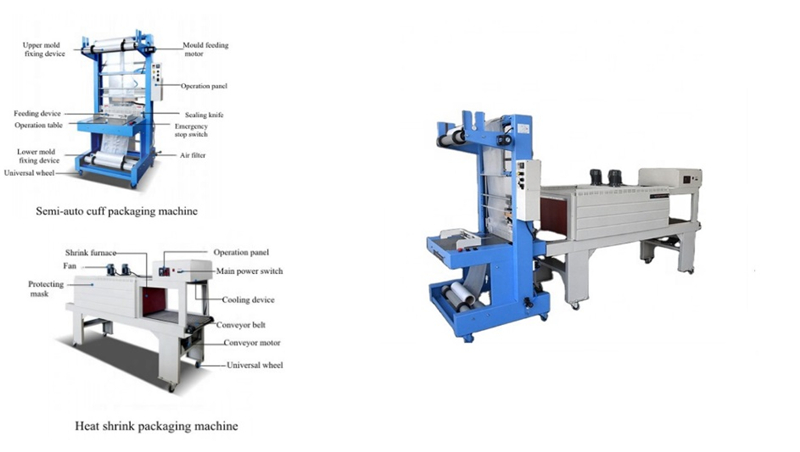
Bottling is only one segment of the packaging loop. You must consider downstream operations for a fully automated process. Once sealed and labeled, bottles need secondary packaging. Case packing machines group bottles and load them into cartons. Palletizing robots stack these cartons. Shrink-wrapping stations secure the pallets for transport. Planning for end-of-line integration ensures your new packing machine does not outpace your shipping department.
3. The 5-Step Roadmap to Automate Your Bottle Packing Process
Procuring a Bottle Packing Machine requires rigorous project management. Skipping steps often leads to integration failures and missed production targets. Follow this five-step roadmap to ensure a seamless transition.
Step 1: Conduct a Line Audit and Define Bottlenecks
Never automate blindly. Map your current process meticulously. Observe a full production shift to identify the primary constraint. Is the filler waiting on the capper? Are workers struggling to manually apply labels straight? Pinpointing the exact bottleneck ensures you invest capital where it yields the highest return.
Step 2: Document Product and Environmental Specs
Compile a comprehensive dossier of your operational realities. This document dictates the engineering standards required for your machinery. You must capture several critical data points:
- Liquid pH and Corrosivity: Highly acidic liquids require specialized 316L stainless steel or titanium contact parts.
- Washdown Requirements: Food and pharmaceutical applications mandate GMP and FDA compliance. This often requires IP65 or IP69K-rated washdown capabilities.
- Facility Dimensions: Measure exact ceiling heights, door clearances, and available floor space to ensure the machine physically fits in the building.
Step 3: Source and Specify the Right Bottle Packing Machine
Use your audit and specification documents to engage vendors. Match your operational requirements directly against machine capabilities. Decide whether standard configurations meet your needs or if custom tooling is necessary. Standard machines ship faster and carry proven track records. Custom machines solve unique geometrical challenges but require longer lead times. Prioritize vendors offering robust, standardized solutions with minor custom adaptations.
Step 4: Execute Factory Acceptance Testing (FAT)
Never accept delivery without a successful Factory Acceptance Test. Mandate rigorous testing at the vendor’s site. You must supply your actual bulk product, bottles, and caps. Testing with water or substitute containers provides false confidence. Run the machine at full speed. Verify the BPM targets. Measure the defect rates. Ensure the equipment meets all safety and performance criteria before you sign the shipping release.
Step 5: Phased Installation and Site Acceptance Testing (SAT)
Schedule deployment strategically during planned facility downtime. A phased installation prevents total production halts. Once installed, conduct the Site Acceptance Test (SAT). The SAT mirrors the FAT but takes place in your environment. It ensures upstream accumulation tables and downstream conveyors pace correctly. Calibrating the entire line prevents bottlenecks from simply shifting to a different machine.
4. Evaluating Vendor Capabilities: Beyond Basic Equipment Specs
Hardware represents only half of the automation equation. Vendor capability dictates how smoothly the equipment operates over the next decade. Look past the shiny steel and evaluate the engineering logic and support infrastructure.
Toolless Changeover Engineering
Production agility relies on rapid changeovers. Evaluate how quickly the equipment switches between distinct SKUs. Transitioning from a 500ml round bottle to a 1L square bottle should not take hours. Leading manufacturers engineer toolless changeover systems. Operators use quick-release levers, color-coded spacers, and digital dial indicators instead of wrenches. Toolless designs empower floor operators to execute changeovers safely without waiting for specialized maintenance mechanics.
Control Systems and PLC Integration
The brain of your automated line is the Programmable Logic Controller (PLC). Proprietary control systems lock you into a single vendor for software updates and troubleshooting. Always ensure the machine utilizes non-proprietary, standard PLCs. Brands like Allen-Bradley or Siemens represent the gold standard. Standardized PLCs allow seamless communication with your existing Supervisory Control and Data Acquisition (SCADA) networks or ERP systems. This connectivity enables real-time data tracking and remote performance monitoring.
SLA and After-Sales Support
Even the best machines experience wear and tear. Assess the vendor's Service Level Agreement (SLA) before committing. A domestic spare parts inventory is crucial for minimizing downtime. Ask for guaranteed technician response times. Furthermore, prioritize vendors offering remote diagnostic capabilities. Modern machines feature secure VPN routers. These routers allow off-site engineers to log into the PLC, diagnose sensor faults, and push software patches instantly, saving days of physical travel time.
5. Common Implementation Risks and How to Mitigate Them
Transitioning to automated packing involves inherent risks. Recognizing these pitfalls early allows your engineering team to implement effective countermeasures.
The "Island of Automation" Trap
Upgrading a single machine without viewing the whole line creates an "Island of Automation." If your new filler operates at 100 BPM but your legacy capper handles only 50 BPM, you gain no actual throughput. You must calculate necessary accumulation space. Installing rotary accumulation tables or buffer conveyors prevents upstream backups and downstream starvation. Balanced pacing ensures the entire line flows continuously.
Underestimating Material Variance
Automated systems demand highly standardized inputs. Slight variations in bulk bottle manufacturing cause significant issues. For example, excess plastic flashing on bottle threads easily jams automated cap sorters. Glass bottles with uneven bases will tip over on high-speed conveyors. Mitigate this risk by strictly auditing your material suppliers. Define tight tolerance specifications for all incoming packaging materials to ensure they remain machine-compatible.
Operator Adoption Friction
Deploying advanced servo-driven machinery often intimidates floor staff. If operators do not understand the equipment, they cannot troubleshoot minor faults. This leads to excessive maintenance calls for simple issues. Mitigate adoption friction through comprehensive, upfront training. Require the vendor to provide hands-on training during the SAT. Develop clear, photo-heavy Standard Operating Procedures (SOPs) for daily cleaning, lubrication, and basic fault clearing.
6. Shortlisting and Next Steps for Procurement
Moving from research to procurement requires structured evaluation. Creating a strategic shortlist ensures you partner with experts capable of delivering reliable automated solutions.
Building the Vendor Shortlist
Filter Original Equipment Manufacturers (OEMs) based on proven track records within your specific sector. An OEM specializing in corrosive industrial chemicals might struggle with the sanitary requirements of food and beverage packaging. Request case studies and customer references relevant to your industry. A vendor's past success in similar environments serves as a strong indicator of future performance.
Preparing for the Consultation
Vendors need precise information to propose accurate solutions. Enter the consultation fully prepared. Compile updated CAD drawings of your facility layout. Gather physical sample containers and closures for every SKU you intend to run. Most importantly, draft a detailed User Requirement Specification (URS) document. The URS outlines every mechanical, electrical, and environmental requirement the machine must satisfy.
Actionable Next Step
Before requesting machine proposals, book a technical line audit with an automation engineer. Map your current shift schedules, analyze your manual labor hours, and calculate your target production speed. Establishing these baseline metrics enables you to objectively evaluate vendor proposals against your actual production needs.
Conclusion
Automating your bottle packing process is a profound operational transformation. It breaks through manual throughput limits, standardizes product quality, and optimizes workforce deployment. Viewing the integration of a Bottle Packing Machine as a holistic project guarantees better alignment between your hardware and your production goals. Careful upfront planning protects your investment over the long term. Prioritize machine flexibility, demand rigorous testing protocols, and secure robust vendor support. By executing the strategic roadmap outlined above, you position your facility for sustained growth and operational excellence. Take the first step today by auditing your line and defining your most critical production bottlenecks.
FAQ
Q: How much floor space does an automated bottle packing machine require?
A: Space requirements vary significantly based on the layout and machine type. Monoblock rotary systems feature a highly compact footprint suitable for tight facilities. Modular inline systems demand extended linear space. You must also factor in extra floor space for upstream accumulation tables, connecting conveyors, and operator walkways.
Q: What is the typical ROI timeline for an automated bottling line?
A: Most facilities target a standard 12-to-24-month payback period. This timeline is driven by immediate reductions in manual labor hours, decreased product waste, and substantially higher shift throughput. Calculating your specific timeline requires measuring your current manual scrap rates against projected automated production speeds.
Q: Can one machine handle multiple bottle sizes and shapes?
A: Yes, modern systems handle high variability. They utilize specialized change parts, adjustable guide rails, and programmable servo motors. However, handling extreme variations introduces a trade-off. Greater flexibility often requires more complex changeover processes, which temporarily increases planned machine downtime between product runs.
Q: Do I need to halt production to install a new automated packing line?
A: Not entirely. Careful project management allows for phased installations. Facilities often schedule physical deployments over weekends or during planned holiday shutdowns. While a brief pause is necessary for final mechanical integration and Site Acceptance Testing (SAT), a well-executed plan prevents prolonged operational disruptions.

 English