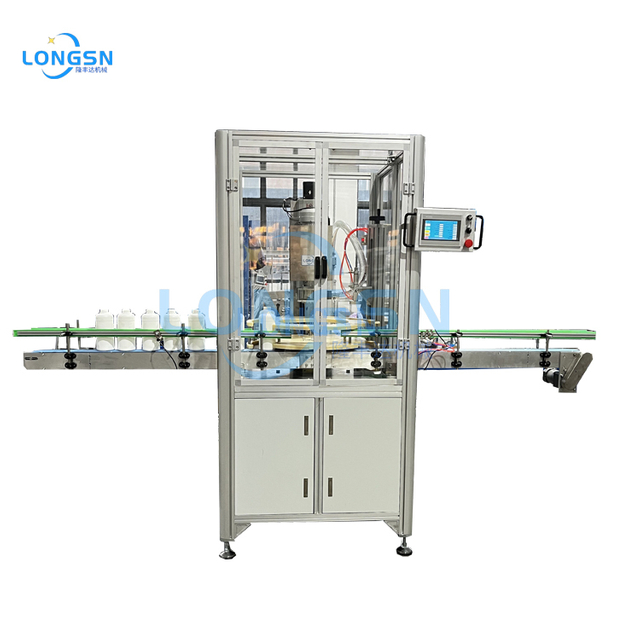
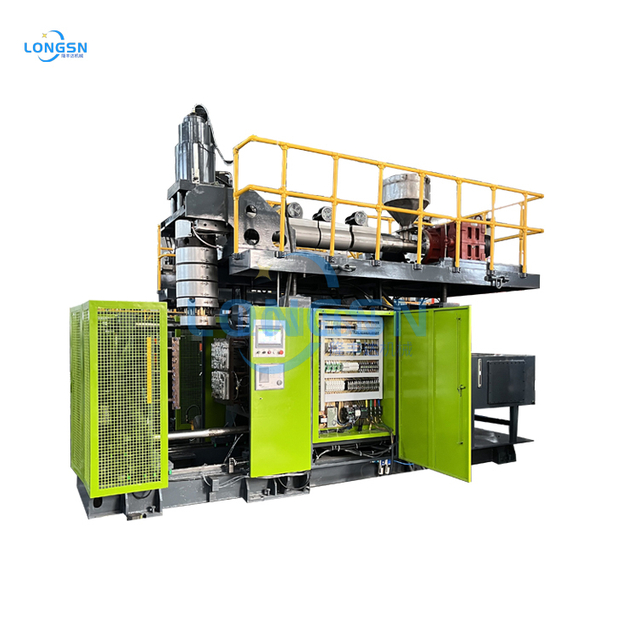
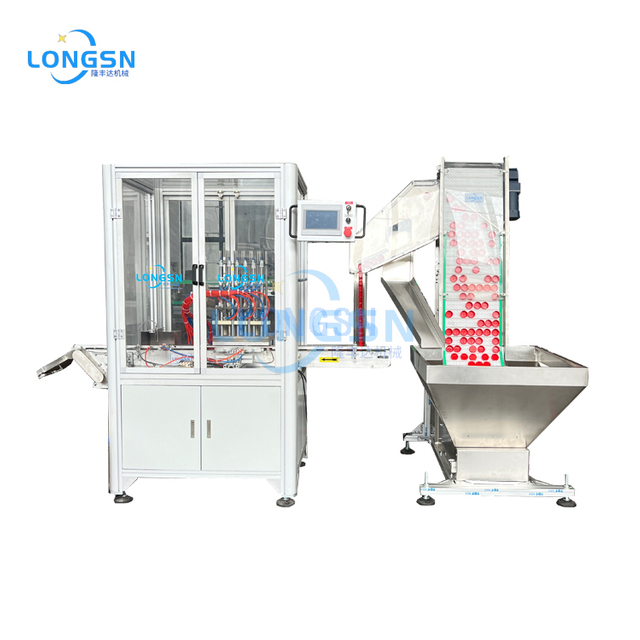
The packaging sector is rapidly shifting. Consumers now demand wide-neck jars and secure wad-sealed bottles. This shift exposes a critical gap in standard blow molding processes. Two-stage blow molders often struggle to produce perfectly flat neck finishes. You need exact dimensions for zero-leakage mandates. Microscopic imperfections cause immediate seal failures. Addressing this requires specialized equipment. Selecting the right machinery means balancing line speeds, cutting precision, and strict contamination control. Plastic dust can ruin an entire production batch. This article offers a vendor-neutral framework for plant managers and packaging engineers. We will explore how to evaluate trimming technology effectively. You will learn to mitigate integration risks seamlessly. Finally, we provide strategies to validate equipment performance before you commit to significant capital expenditure. We aim to equip you with the knowledge needed to optimize your production lines.
Key Takeaways
- Integrating a purpose-built bottle neck trimming machine is essential for wide-neck PET and wad-sealing bottles where standard two-stage blow molders fall short.
- Procurement evaluation must prioritize chip extraction capabilities, tool-less changeovers, and blade lifecycle predictability over raw maximum speed.
- Real-world implementation success relies heavily on synchronized conveyor hand-offs and rigorous Factory Acceptance Testing (FAT) with production-grade preforms.
The Business Case: Framing the Production Problem
Production Bottlenecks in Two-Stage Manufacturing
Traditional two-stage blow molding presents distinct limitations. Manufacturers often encounter bottlenecks when handling wide-mouth jars and specific threaded profiles. In a standard process, the preform neck remains unchanged during blowing. This works perfectly for standard beverage bottles. However, it fails when product designs demand custom wide-neck openings. Standard molds cannot achieve the crisp, flat rim required for advanced sealing. You often face secondary trimming as an unavoidable reality. Attempting to force standard equipment to perform these tasks lowers throughput. It also increases machine wear and drives up energy consumption.
The Cost of Imprecision
Imprecision carries a high financial burden. Microscopic variations in neck flatness lead directly to induction wad-sealing failures. When a rim is uneven, the induction seal cannot bond uniformly. This creates microscopic gaps. Moisture enters the container, and product spoilage accelerates rapidly. Downstream recalls damage brand reputation severely. Retailers penalize suppliers for leaking shipments. You must view cutting accuracy not as a luxury, but as a strict compliance requirement. A variation of just a few micrometers can compromise an entire production run. Investing in high-precision trimming prevents these costly downstream failures.
Defining Success Criteria
You must establish baseline metrics before evaluating any new equipment. Overall Equipment Effectiveness (OEE) serves as your primary benchmark. A high-quality trimming system should elevate your line's OEE by reducing unplanned downtime. Scrap recovery rates also matter immensely. Look for systems capable of cleanly separating the dome from the bottle for easy recycling. Dimensional tolerance consistency is your most critical metric. You should measure this in micrometers. Equipment must consistently deliver ultra-flat profiles across millions of cycles. Establishing these strict criteria ensures you select machinery aligned with actual production goals.

Real-World Applications Across Key Industries
Food & Beverage (Wide-Neck PET)
The food and beverage industry increasingly relies on wide-neck PET containers. Consumers prefer lightweight, shatterproof alternatives to glass jars. Manufacturers are shifting toward distinct "blow and trim" methodologies. This approach allows you to blow a standard preform into a wide-body shape. A bottle neck trimming machine then slices the dome off precisely. This creates a clean wide-neck opening. Crucially, this method does not compromise the structural rigidity of the PET jar. You can maintain vertical crush strength for stacking while delivering a premium consumer experience.
Pharmaceuticals & Agrochemicals (Wad-Sealing Bottles)
Agrochemical and pharmaceutical sectors face stringent regulatory packaging demands. They require hermetic wad-sealing to prevent any chemical leakage or moisture ingress. Achieving this seal demands ultra-flat rim profiles. Even the slightest burr or dip on the bottle neck will compromise the safety seal. Specialized trimming technology guarantees this perfectly planar surface. It ensures that induction foils bond flawlessly across the entire 360-degree rim. You protect end-users from hazardous chemical exposure. You also protect sensitive pharmaceutical compounds from degrading due to ambient humidity.
Cosmetics & Personal Care
Cosmetics brands compete heavily on packaging aesthetics. Premium consumer packaging often features complex neck geometries. Brands use unique bottle shapes to stand out on crowded retail shelves. These designs require exceptionally clean, burr-free finishes. Any rough edges under the pump or cap degrade the user experience. Trimming machines in this sector must handle thick-walled plastics and complex curves flawlessly. They must leave a mirror-smooth cut that feels intentional and premium. Equipment precision directly influences how consumers perceive the brand's overall quality and value.
Evaluating Technological Approaches (Solution Categories)
Standalone vs. Integrated Systems
You must decide between standalone units and integrated systems. Integrated blow-and-trim systems link the trimmer directly to the blow molder. These are best for dedicated, high-volume wide-neck lines running a single product. They offer unmatched speed and footprint efficiency. Conversely, standalone trimming units provide maximum flexibility. They are ideal for facilities running multiple bottle formats. You can feed bottles from various existing blow molders into a single standalone trimmer. This flexibility supports high-mix production environments perfectly.
Kinematic Architecture
Understanding kinematic architecture is vital for proper sourcing. Rotary trimming mechanisms handle high-speed, continuous production effortlessly. Bottles enter a spinning carousel where rotating blades slice the necks seamlessly. This suits high-volume round bottles perfectly. Linear or indexing trimmers operate differently. They pause the bottle momentarily for the cutting action. This slower, highly precise method is ideal for complex shapes or non-round containers. You must match the kinematic design to your specific bottle geometry and throughput needs.
System Architecture Comparison Chart
| Architecture Type | Best Suited For | Speed Capability | Footprint |
| Integrated Blow-and-Trim | Dedicated, high-volume lines | Extremely High | Compact |
| Standalone Rotary | High-mix, round bottle formats | High | Moderate |
| Standalone Linear (Indexing) | Complex geometries, asymmetrical jars | Medium | Large |
Cutting Mechanisms & Patent Innovations
Cutting mechanisms dictate the final finish quality. Traditional friction or spin trimming relies on blade sharpness and rotational speed. While effective for soft plastics, it can struggle with brittle materials. Advanced patent innovations now include heated-blade technology. Heated blades slice through plastics like PET smoothly. This minimizes micro-fractures in brittle plastics. Laser-assisted cutting is also emerging for specialized medical applications. These advanced mechanisms reduce mechanical stress on the bottle. They ensure a pristine, particle-free edge ready for immediate sealing.
Decision Dimensions: Sourcing a Bottle Neck Trimming Machine
Features-to-Outcomes (Precision)
When evaluating equipment, map specific machine features directly to production outcomes. Spindle stabilization is a perfect example. A rigid, vibration-free spindle guarantees the blade hits the exact same vertical mark every time. Automated height adjustments further refine this precision. These features translate directly into dramatically reduced reject rates at your capping station. Precision is not just a specification on a brochure. It is the exact mechanism by which you achieve a guaranteed hermetic seal and eliminate costly product rework.
Scalability & Changeover Efficiency
Modern production facilities run multiple SKUs daily. You must assess the viability of multi-diameter tool-sets. If a machine requires three hours to switch bottle sizes, it destroys your OEE. Emphasize the strict requirement for tool-less changeovers. Operators should be able to swap guide rails and cutting heads using quick-release mechanisms. High-mix, low-volume production runs depend entirely on rapid changeovers. Scalability means your equipment adapts to next year's bottle designs without requiring a completely new machine.
Compliance & Hygiene Integration
Hygiene is non-negotiable in food and pharmaceutical packaging. A cutting process naturally generates plastic dust and static-charged shavings. You must rigorously analyze vacuum and chip extraction systems. A modern bottle neck trimming machine must demonstrably remove these static-charged shavings. It must integrate ionized air blowers to neutralize static cling. High-capacity vacuums then extract the debris instantly. This multi-stage extraction is required to meet FDA and GMP food-grade compliance. Failure here results in rejected batches and failed quality audits.
Implementation Realities and Adoption Risks
Line Synchronization Risks
Integrating new equipment often exposes line synchronization issues. Mismatched speeds cause major production headaches. If the blow molder outfeed runs faster than the trimmer, bottles will jam. If the trimmer outpaces downstream leak detectors, you risk false rejects. You must ensure seamless conveyor hand-offs. Advanced systems utilize variable frequency drives (VFDs) and smart sensors. These allow the machines to communicate and auto-modulate their speeds. Addressing these synchronization risks early prevents constant line stoppages and operator frustration.
Maintenance & Consumables
You must maintain a realistic view of operational maintenance. Blades are consumables. They wear down based on plastic hardness and production speed. Dull blades cause microscopic tears rather than clean cuts. This instantly degrades seal integrity. Ask vendors for realistic blade sharpening intervals and replacement costs. Document the exact operational impact of blade wear on cut quality. Establish a proactive maintenance schedule rather than waiting for reject rates to spike. Planned consumable replacement is always cheaper than unplanned downtime.
Operator Dependency
High operator dependency introduces significant risk. Older machines require frequent manual recalibration using hand tools and gauges. This introduces human error into a micrometer-level process. You need machines equipped with PLC-driven recipe management. An operator simply selects "500ml Wide Neck" on a touchscreen. The machine automatically adjusts blade height and spindle speed via servo motors. Reducing human intervention minimizes setup errors. It ensures identical cut quality regardless of which operator is working the shift.
Shortlisting Logic & Next-Step Actions
Structuring the Factory Acceptance Test (FAT)
A rigorous Factory Acceptance Test ensures the equipment meets your standards before shipment. Never rely solely on vendor-supplied sample bottles. You must demand continuous-run tests using your specific preforms and actual materials. Plastics behave differently based on ambient temperature and wall thickness variations. Run the machine at maximum rated speed for several hours. Monitor the cut quality dynamically. If the machine cannot handle your specific wall thickness variance during the FAT, it will fail on your production floor.
Vendor Validation Questions
Ask highly specific questions to separate qualified vendors from mere box-shippers. Vague answers indicate a lack of engineering depth. Use these targeted questions during your initial vendor meetings:
- What is the guaranteed micrometer tolerance for neck flatness on our specific polymer blend?
- How exactly does your extraction system handle internal static chips clinging to the bottle walls?
- Can you demonstrate a complete, tool-less changeover between two different bottle diameters in under 15 minutes?
- How many production hours can we expect from standard blades before requiring sharpening or replacement?
- Does the machine's PLC interface seamlessly with our existing downstream leak detection equipment?
Conclusion
The right bottle neck trimming technology transforms your packaging line. It shifts operations from high-rejection variability to predictable, high-yield output. Relying on outdated or imprecise cutting methods guarantees induction seal failures and product spoilage. By prioritizing kinematic precision, tool-less changeovers, and robust chip extraction, you safeguard your brand's quality.
We encourage you to audit your current scrap rates immediately. Analyze the rejections happening at your capping and sealing phases. Gather data on downtime caused by manual changeovers. Use this hard data to build a compelling business case for an equipment upgrade. Engaging vendors with a structured FAT and clear validation questions will ensure your next capital investment delivers flawless performance.
FAQ
Q: Can a standard bottle neck trimming machine handle both PET and HDPE materials?
A: Yes, but it requires specific adjustments. PET is brittle, demanding high-speed cutting to prevent micro-cracking. HDPE is softer, requiring varied blade geometries to avoid melting from excessive friction. You must configure spindle speeds and blade angles based on the exact polymer. Modern machines utilize PLC controls to swap these cutting parameters instantly.
Q: What is the typical ROI period for integrating an automated blow-and-trim system?
A: You can usually expect a return on investment within 12 to 18 months. This rapid ROI stems directly from severe scrap reduction and minimized manual labor costs. Automated trimming drastically reduces induction sealing failures. You recover usable material while actively preventing costly downstream product spoilage and retail recalls.
Q: How do trimming machines ensure zero plastic dust contamination?
A: High-end equipment pairs localized vacuum extraction with ionized air blowers. Static electricity causes plastic shavings to cling stubbornly to bottle walls. Ionized air neutralizes this static charge instantly. A high-pressure vacuum then safely removes the detached chips. This multi-step process guarantees compliance with stringent food and pharmaceutical hygiene standards.

 English