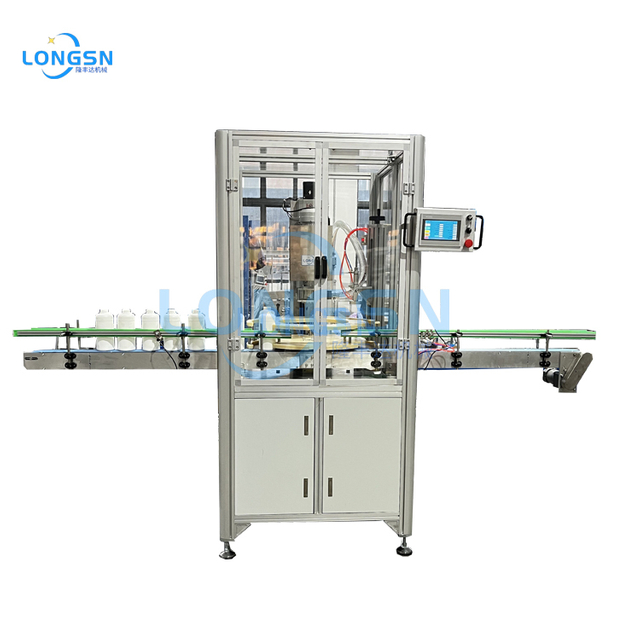
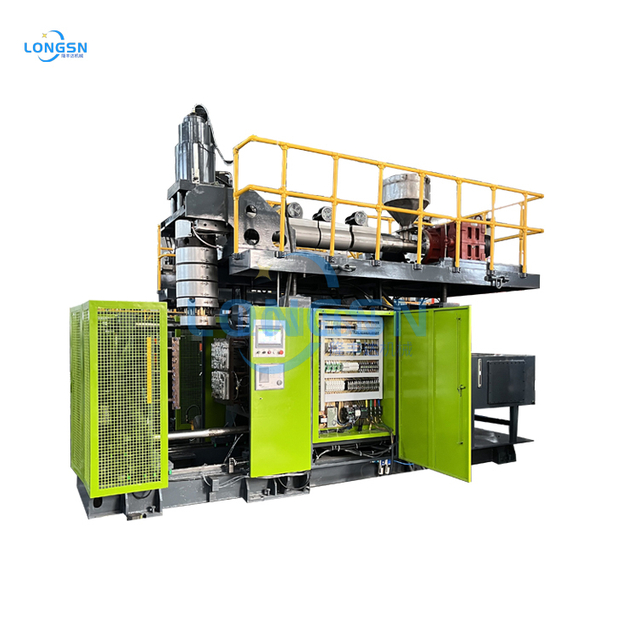
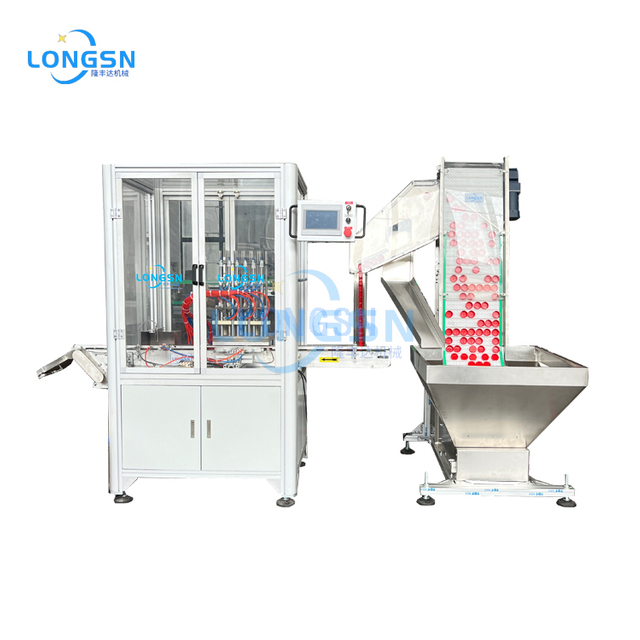
Inefficient trimming in extrusion blow molding lines creates severe production bottlenecks. Poor cutting processes leave unacceptable micro-leaks on containers. They raise scrap rates significantly across the board. These precise defects cause frustrating downstream capping failures. This wastes valuable resin and halts packaging operations entirely. Upgrading your equipment requires balancing high throughput against exact cutting precision. You also need to guarantee minimal maintenance downtime. Choosing the right machinery ensures seamless integration into your current production line. A smart equipment choice prevents unexpected operational headaches down the road. This guide explores the essential evaluation criteria. You will learn how to select commercial-grade equipment effectively. We cover cutting mechanisms, throughput synchronization, tooling flexibility, and safety. These practical insights help you make a highly informed procurement decision today.
Key Takeaways
- Precision over raw speed: High bottles-per-minute (BPM) specs are irrelevant if the machine leaves burrs or compromises the neck finish sealing surface.
- Changeover efficiency dictates ROI: Equipment must accommodate varied neck diameters and bottle heights with minimal tooling changes to support multi-SKU operations.
- Standardized components matter: Opt for machines utilizing off-the-shelf PLCs, drives, and pneumatics to mitigate supply chain risks during maintenance.
- Integrated scrap management is non-negotiable: Efficient extraction of moils (domes) prevents downstream jams and supports immediate regrind/recycling loops.
1. Cutting Mechanisms and Neck Finish Precision
Evaluating the cutting approach is your first major step. Spin trimmers function by rotating the bottle against a heated or stationary blade. This specific method generally provides a cleaner finish for circular necks. Punch or guillotine methods force a blade linearly through the plastic. We see guillotine designs occasionally crush lightweight bottles during the stroke. Spin trimmers prevent this crushing effect entirely. They distribute the cutting force evenly around the circumference. You get a perfect circular cut every time.
Cutting Mechanism Comparison
| Feature | Spin Trimming | Guillotine / Punch |
| Cut Quality | Excellent for circular necks | Prone to minor burrs |
| Force Distribution | Even rotational pressure | Direct linear impact |
| Defect Risk | Low crushing risk | Higher risk for thin walls |
Verifiable tolerance data remains absolutely critical. The machine must guarantee a burr-free, flat sealing surface. A smooth surface prevents liquid leakage after final capping. Rough cuts create tiny gaps under the cap liner. You should ask vendors for specific case studies. They need to prove their equipment maintains tight tolerances. This must hold true even during high-speed continuous runs. Common mistakes include ignoring the flatness spec during machine trials. Always measure the trimmed neck using digital calipers.
Verify the blade design and temperature controls carefully. These elements must match your specific polymers perfectly. Common materials include HDPE, PP, and PET. High-density polymers require incredibly robust blades. Improper temperature control causes melting at the cut site. It can also cause micro-fracturing or stress whitening in rigid plastics. Stress whitening weakens the neck structure significantly. Evaluate your exact resin type during equipment testing. Do not rely on generic material demonstrations.

2. Throughput Capacity and Line Synchronization
Your trimmer must process units exceptionally fast. A bottle neck trimming machine must comfortably exceed your blow molder's maximum output. This capacity buffer prevents unexpected production bottlenecks. If the blow molder surges, the trimmer catches up easily. We recommend a trimming speed capacity at least twenty percent higher than molding speeds. This gives operators breathing room during sudden line fluctuations.
Look for Variable Frequency Drives in the control panel. Seek out servo-driven components throughout the design. These systems allow trimming speeds to scale automatically. They adjust continuously based on upstream flow variations. Smart sensors detect line pressure accurately. The equipment then speeds up or slows down smoothly. This prevents pile-ups on the primary conveyor belt. Traditional single-speed motors cause constant jamming issues.
Evaluate the star-wheel mechanisms carefully. Timing screw mechanisms also need close inspection. Bottles must be indexed flawlessly into the cutting zone. Perfect indexing prevents crushing before the blade engages. Misalignment ruins the container instantly. Servo-driven timing screws offer the absolute best indexing precision. They keep lightweight bottles perfectly stable during the cut. Smooth outfeed handling prevents freshly cut bottles from tipping over.
3. Tooling Flexibility and Changeover Downtime
Assess the exact range of neck diameters the machine accepts. Consider bottle heights and diverse geometric shapes. The equipment should handle round, square, and oval containers easily. Production lines rarely run a single SKU forever. Your equipment must adapt swiftly to changing market demands. A rigid machine limits your future business opportunities.
Fast changeovers maintain your Overall Equipment Effectiveness effectively. Prioritize vendors offering quick-release mechanisms. Look for brilliantly color-coded change parts. Recipe-driven PLC setups save massive amounts of time. Operators just select a screen recipe to adjust heights. Target changeover times strictly under twenty minutes. This keeps production flowing smoothly across multiple shifts.
Rapid Changeover Best Practices
- Select the new bottle recipe on the main PLC interface.
- Swap the color-coded star-wheels using quick-release levers.
- Adjust the cutting head height via the automated servo control.
- Run a short five-bottle test batch to verify neck tolerances.
Be highly skeptical of restrictive machine designs. Some models require expensive, proprietary change parts. Minor bottle variations should not require entirely new OEM tooling. Flexible equipment uses adjustable guide rails instead. Open tooling designs save significant operational headaches over time. You can often 3D print simple open-tooling pucks in-house. This cuts down on waiting weeks for vendor shipments.
4. Scrap Extraction and Regrind Integration
Investigate the severing mechanics thoroughly. Once the top is cut, it must leave the cutting zone immediately. Gravity drops alone are entirely insufficient. They are highly prone to static-cling jams. Plastic domes stick stubbornly to metal chutes. This causes rapid backups into the sensitive cutting head. Active ejection pushes the scrap away forcefully.
Active extraction is absolutely crucial for modern lines. A reliable bottle neck trimming machine features active pneumatic ejection. Vacuum extraction immediately routes scrap away from the line. These systems blow or suck the dome cleanly into a secondary channel. This prevents domes from falling onto the factory floor. Clean floors prevent workplace tripping hazards.
Effective Scrap Management Strategies
- Monitor the vacuum pressure daily to ensure optimal suction.
- Clean the exhaust filters weekly to maintain consistent airflow.
- Inspect the pneumatic ejector pins for physical wear monthly.
- Replace worn pins immediately to prevent sudden line blockages.
Verify the scrap chute integration completely. It should connect directly into your facility's granulator system. Direct regrind integration minimizes manual material handling. It drastically reduces contamination risks for your resin. Clean domes go straight back into the main hopper. This closed loop maximizes your raw material usage continuously. Sustainability efforts rely heavily on efficient closed-loop scrap recovery.
5. Maintenance Realities and Upkeep
Blades are your primary standard consumables. Ask vendors for empirical data on replacement intervals. This is known as mean time between replacements commonly. Base this on your exact plastic material. Operators must easily access the cutting zone. They need to swap blades safely and quickly. Complex blade swaps cause unnecessary machine downtime. Simple locking mechanisms speed up this vital maintenance task.
Blade maintenance dictates your cut quality directly. Dull blades create excess friction against the plastic neck. This friction melts the polymer instead of cutting it cleanly. We recommend keeping at least three spare blades onsite. Train your operators to recognize stress whitening immediately. This visual cue tells them the blade is dull. They should swap the blade before micro-leaks occur.
Essential Preventative Maintenance Tasks
- Lubricate the primary drive bearings using the automated interface.
- Inspect the vacuum extraction hoses for hidden plastic blockages.
- Measure the cutting blade gap using precise feeler gauges.
- Wipe down the optical sensors to ensure flawless indexing.
Inspect the equipment's Bill of Materials thoroughly. The machine must use globally recognized automation parts. Look for dependable brands like Allen-Bradley, Siemens, or Festo. Avoid vendor-specific replacement parts at all costs. Non-proprietary parts mitigate frustrating supply chain risks. You can buy them locally during an emergency breakdown. This keeps your production line running without overseas shipping delays.
Food, beverage, and pharma applications require strict hygiene. Verify the equipment's official IP rating. An IP65 or higher rating ensures safe washdowns. Centralized, automated lubrication systems are highly recommended. They deliver precise grease amounts to bearings automatically. This reduces manual preventative maintenance tasks heavily. It also prevents premature bearing failure due to human error.
6. Safety Standards and Compliance
High-speed machinery poses severe physical risks constantly. Ensure the presence of interlocking polycarbonate safety guards. These doors must immediately halt the machine if opened. Operators must remain isolated from moving blades entirely. Safety relays should engage electrical braking systems instantly. Bypassing safety switches is a dangerously common mistake. Proper interlocking prevents this bypass behavior.
Daily Safety Check Routine
- Test the polycarbonate interlocking guards before starting the shift.
- Verify the emergency stop button halts the servo motors instantly.
- Inspect the sound-dampening enclosure for any structural cracks.
- Confirm the pneumatic exhaust routes air away from operators.
High-speed cutting generates significant decibels predictably. Unchecked noise harms factory workers over time. Evaluate machines featuring heavy sound-dampening enclosures. They must comply with OSHA continuous noise exposure limits strictly. Check your regional safety equivalents as well. Acoustic insulation inside the guarding is a fantastic feature. It creates a much safer, comfortable working environment.
Demand proper safety documentation upfront. Look for CE, UL, or CSA compliance specifically. Your operational region dictates the exact regulatory requirement. Uncertified equipment introduces massive liability risks for management. Compliance proves the manufacturer follows strict engineering safety guidelines. Insurance companies often require these certifications for factory coverage. Do not compromise on baseline electrical and mechanical safety.
Conclusion
Shortlisting logic requires eliminating vendors lacking empirical data. They must prove cut tolerances for your specific bottle resins. They must demonstrate clear blade longevity under actual production conditions. Actionable next steps are vital for success. Request a Factory Acceptance Test before finalizing procurement. Alternatively, demand a live video demonstration. They must run your exact bottle molds during this test. Always evaluate operational uptime based on changeover efficiency and spare part availability, not just initial specifications. Ensure local technicians can service the equipment easily. Make choices based on proven reliability and fast changeover capabilities.
FAQ
Q: What is the difference between a spin trimmer and a deflasher?
A: Spin trimmers specifically cut the circular dome off a blow-molded bottle neck. They create a flat, smooth sealing surface. Deflashers remove excess plastic flash from pinch points. You typically find flash on the handle or base of the bottle. Trimmers focus entirely on the opening.
Q: How often do the cutting blades need to be replaced?
A: Lifespan depends entirely on polymer density, wall thickness, and throughput volume. Standard HDPE allows for hundreds of thousands of cuts per sharpened edge. Thicker plastics or glass-filled polymers degrade blades rapidly. Operators should monitor the neck finish visually. If stress whitening appears, you must replace the blade immediately.
Q: Can one bottle neck trimming machine handle both symmetric and asymmetric bottles?
A: Yes, but it requires advanced indexing configurations. You will need custom pucks or specialized timing screws. These components ensure the neck centers perfectly at the cutting station. Handling asymmetrical shapes requires robust servo controls. This flexibility prevents misalignments during high-speed production runs.
Q: Is it better to use a manual or automatic neck cutting machine?
A: Manual machines suit low-volume lab testing or specialized micro-runs exclusively. Commercial blow molding lines require automatic machines. Automatic equipment provides essential safety, consistent cut quality, and proper alignment. They easily match modern production speeds. Manual operations cannot sustain the throughput required for profitable manufacturing.

 English