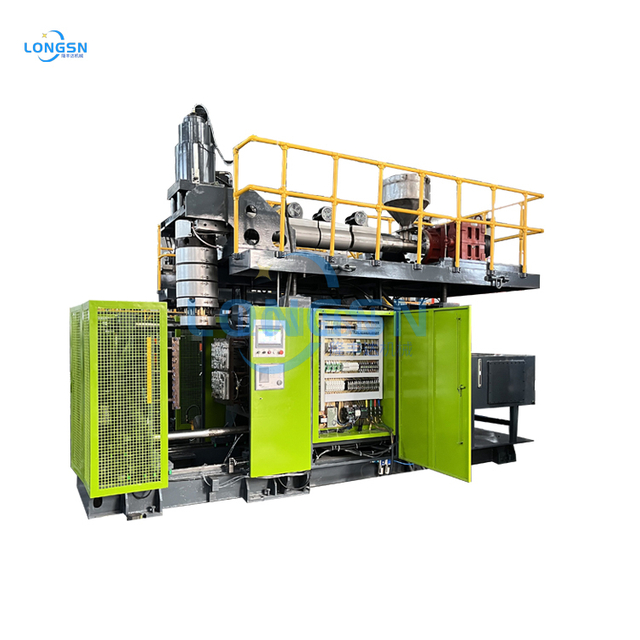
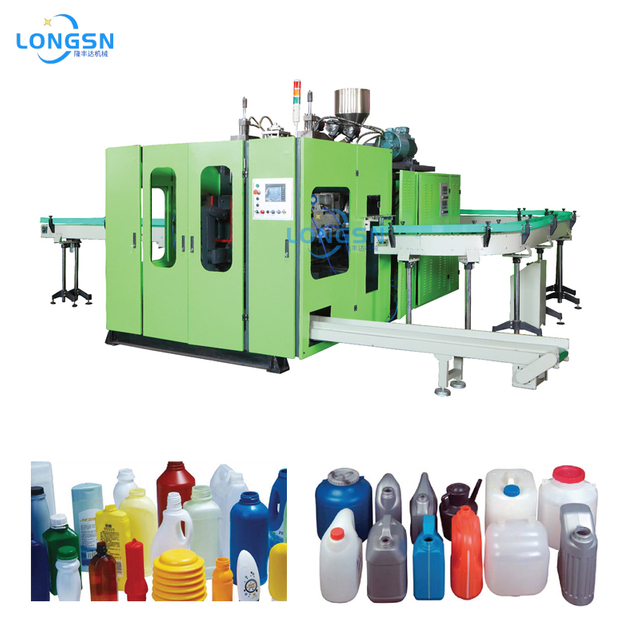
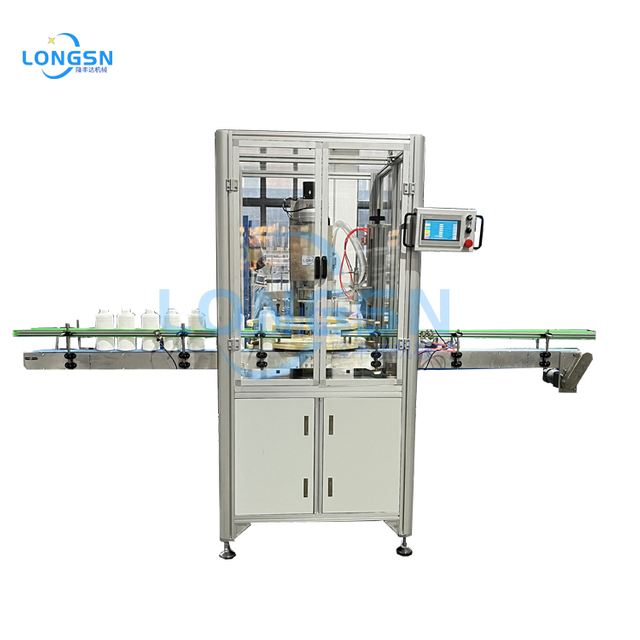
Extreme price variances often confuse buyers during procurement. You might see vastly different price tags for seemingly identical equipment. This dynamic creates a serious buyer dilemma. Manufacturers structure their pricing models differently across regions. It makes direct comparisons incredibly frustrating.
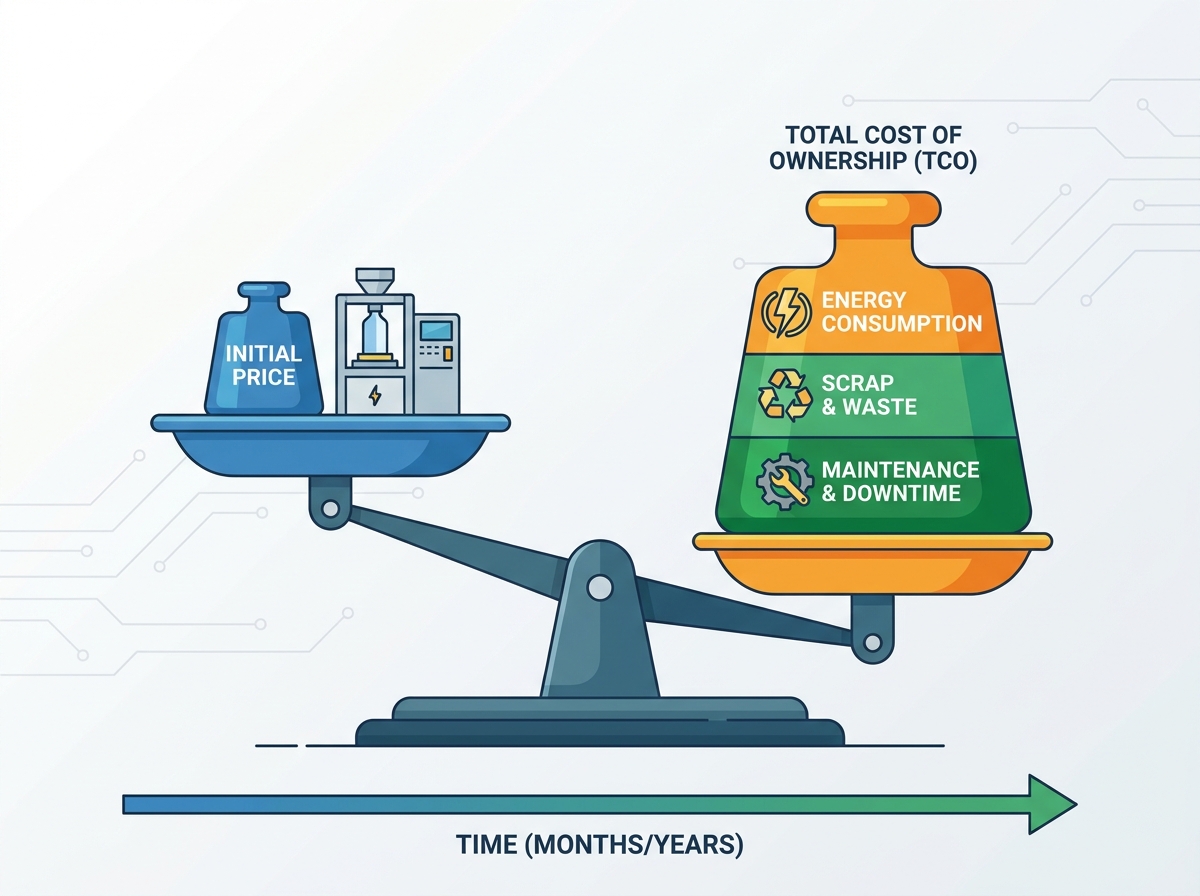
Base pricing alone rarely predicts long-term profitability. Cheap equipment frequently hides future financial drains. These drains usually appear through excessive downtime or high material waste. You must evaluate equipment holistically to protect your capital. A low initial quote can quickly become a massive liability.
This guide breaks down average price ranges across different tiers. We will explore cost-performance matrices for various molding technologies. You will learn how to build an evidence-based framework. We will compare initial capital expenditure against production yield and operational reliability. You will confidently navigate your next major equipment purchase.
Key Takeaways
- Base prices for a plastic blow molding machine vary dramatically based on technology (extrusion, injection, stretch/PET) and automation levels.
- Total Cost of Ownership (TCO)—driven by energy consumption, scrap rates, and mold changes—typically overtakes initial equipment cost within the first 24 months.
- Evaluating vendors requires looking past the quote sheet to assess Factory Acceptance Testing (FAT), localized spare parts availability, and warranty conditions.
- Cheap machinery often hides severe operational risks, including high downtime and inconsistent wall thickness in finished products.
The Baseline: Average Price Ranges by Machine Tier
Entry-Level / Semi-Automatic (Small Batch)
Entry-level models define the industry price floor. Startups often favor these economical machines. They suit low-volume, localized production facilities perfectly. Trade-offs certainly exist at this price point. You will face higher manual labor expenses. Operators must manually load and unload components. Cycle times run considerably slower than automated counterparts. Manual intervention naturally increases error margins over time. These machines serve well as stepping stones. They allow market entry without crushing capital debt.
Mid-Range / Standard Automatic
Industrial standards primarily sit in this mid-range bracket. Prices reflect moderate, reliable capabilities. Manufacturers usually include basic programmable logic controllers (PLCs). Standard hydraulics power the mechanical movements. Typical production capacities easily meet regional packaging demands. They offer highly reliable daily output for established brands. When you price a plastic blow molding machine in this tier, expect solid ROI. Most factories operate fleets of these specific machines. They balance reasonable upfront costs with respectable automation.
High-End / Fully Electric & High-Speed
Premium pricing firmly applies to this top tier. You pay heavily for extreme precision. Fully electric systems drastically reduce daily energy consumption. They effortlessly outperform older hydraulic equivalents. Complex multi-layer capabilities justify the higher capital expense. Cycle times drop significantly, boosting total daily yield. Servo motors provide pinpoint accuracy during parison drops. Global packaging leaders exclusively use this tier. The initial cost shocks some buyers initially. However, the operational efficiency recoups that premium rapidly.
Extrusion vs. Injection vs. Stretch (PET): Cost-Performance Matrices
Extrusion Blow Molding (EBM)
Extrusion methods efficiently produce hollow containers. This technology also creates complex industrial parts. You will find mold tooling costs remain relatively low. Machining EBM molds takes less time and resources. Material flexibility stands out as a major advantage. You can easily process HDPE, PP, and PVC resins. This flexibility makes the method highly versatile globally. Manufacturers use it for jerrycans and automotive ducts. Lifetime operational expenses remain highly predictable over decades.
Injection Blow Molding (IBM)
This method requires a much higher initial investment. The process demands expensive dual-tooling setups. You must purchase both preform molds and blow molds. High ROI centers around high-volume, precise output. Precision applications absolutely demand this specific technology. Medical and cosmetics industries rely on it daily. Scrap reduction is critical in these regulated sectors. IBM produces zero tail scrap during normal cycles. The flawless neck finishes justify the expensive tooling.
Stretch Blow Molding (PET)
Buyers must choose between single-stage and two-stage architectures. Single-stage machines cost more but save floor space. Two-stage systems dominate high-speed beverage bottling lines. Operational efficiencies shine in massive water bottle facilities. Massive production volumes require this specific method. Specific energy goes into heating the preforms accurately. Infrared ovens consume considerable power during operations. You must factor this heating cost into your budgets. The resulting bottle clarity remains unmatched by other methods.
Technology Cost and Performance Breakdown
| Technology Type | Initial Investment | Tooling Expense | Ideal Core Applications | Scrap Generation |
| Extrusion (EBM) | Moderate | Low | Industrial parts, large jerrycans | High (Requires trimming) |
| Injection (IBM) | High | High (Dual Molds) | Medical bottles, premium cosmetics | Zero |
| Stretch (PET) | Very High | High | Carbonated beverages, water bottles | Very Low |
Beyond the Sticker Price: Calculating Lifetime Operational Costs
Energy Consumption Rates
Servo-driven systems command a hefty upfront premium. All-electric machines push this premium even higher. Expect to pay 20 to 30 percent more initially. However, they offer substantial daily kilowatt-hour savings. Hydraulic systems consume power constantly to maintain pressure. Electric machines only draw power during movement phases. These savings accumulate rapidly over typical production months. You must calculate local energy rates against machine consumption. High energy prices make electric upgrades mandatory for survival.
Tooling and Mold Integration
Custom molds add heavy expenses to your deployment. Machine designs drastically impact your daily financial outcomes. Some designs allow rapid, seamless mold changeovers. The industry calls this Single-Minute Exchange of Die (SMED). Faster changes mean significantly less factory downtime. Every stopped minute costs you tangible revenue. Standardized platens save thousands in retrofitting costs later. You should prioritize machines featuring accessible mold mounting areas. Difficult changeovers inevitably lead to operator injuries and delays.
Scrap Rates and Material Waste
Material efficiency acts as a strict hard cost. Cheap machines usually suffer from inconsistent parison control. Poor control causes unacceptably high plastic waste. Operators struggle to maintain uniform wall thicknesses. Premium machines feature multi-point parison programming. This digital precision saves highly expensive raw resin. Even a one percent scrap reduction yields massive savings. You cannot afford to waste virgin polymer daily. Regrind processes add labor and degrade material quality.
Maintenance and Downtime Realities
Common failure points include directional hydraulic valves. Ceramic heating bands also fail quite frequently. Cheap PLCs present severe electronic reliability risks. Unplanned production halts carry immense true costs. You lose scheduled output and waste labor wages. Preventative maintenance requires accessible machine designs. Technicians need clear access to internal components. Crowded manifolds make simple repairs take hours. Consider the hourly cost of a completely halted factory.
Hidden Risks in Low-Cost Machinery Approvals
Compliance and Safety Standards
Importing unverified machines brings immediate legal risks. Severe financial penalties can occur upon inspection. Machines must carry verifiable CE or UL safety marks. OSHA-compliant physical safety guarding is absolutely mandatory. Electrical cabinets must meet your strict local codes. Cheap builders often skip expensive safety relays. They substitute them with standard, unreliable contactors. An operator injury will cost more than the machine. Never compromise on internationally recognized safety certifications.
Proprietary vs. Open-Market Components
Manufacturers sometimes use heavily proprietary PLCs. Off-brand pneumatic cylinders are another major red flag. These tactics lock buyers out of local supply chains. You cannot easily find replacements at local distributors. You become entirely dependent on the original overseas manufacturer. Production stops completely until international parts arrive. Always demand open-market components from recognized global brands. Siemens, Festo, and Rexroth guarantee local spare availability. This transparency ensures decades of uninterrupted operation.
"Ghost" After-Sales Support
Industry forums frequently highlight severe buyer complaints. Many buyers face a complete lack of remote troubleshooting. Localized, factory-trained technicians simply do not exist. International parts shipping faces endless customs delays. Cheap initial quotes often mean completely abandoned buyers. A broken machine holds zero value on your floor. You must verify local support infrastructure before signing contracts. Ask for reference customers operating in your specific region. Call them to verify actual response times.
Vendor Evaluation Checklist: Structuring Your Shortlist
Requesting the Right Data
You must control the narrative during vendor negotiations. Demand highly detailed cycle time guarantees in writing. Ask for precise energy consumption estimates upfront. Request this data per kilogram of processed plastic. Require a complete component origin list before proceeding. Vague brochures hold no legal weight later. Real engineering data separates actual manufacturers from mere assemblers. Force vendors to commit to hard performance metrics. This data forms your baseline for ultimate acceptance.
Factory Acceptance Testing (FAT)
Emphasize rigorous FAT protocols in your purchase contract. This testing happens at the vendor's facility. Use your actual production resin during these tests. Mount your specific, finalized molds on the machine. Run the equipment at full production speeds. Monitor the scrap rates and cycle times closely. Complete this intensive testing before issuing final payments. A failed FAT means the machine stays there. It protects you from receiving defective equipment.
Warranty Defensibility
Scrutinize provided warranty terms incredibly carefully. Differentiate "parts only" clauses from comprehensive labor coverage. Verify the expected lifespan of critical wear parts. Screws and barrels wear out predictably over time. Do not accept vague or generic lifetime promises. Ensure the warranty clearly defines acceptable response times. Determine who pays for international shipping on warranty parts. Clear contracts prevent catastrophic disputes during critical breakdowns. Protect your investment through aggressive warranty negotiation.
Essential Vendor Vetting Steps
- Demand written cycle time guarantees based on your specific mold.
- Request energy consumption metrics per processed kilogram of resin.
- Verify the global availability of the internal PLCs and pneumatics.
- Schedule a rigorous Factory Acceptance Test using your actual material.
- Negotiate warranty terms to include expedited shipping for replacement parts.
Conclusion
You must move past initial purchase price obsession. Smart buyers evaluate strict cost-per-part metrics closely. Prioritize long-term operational reliability over short-term initial savings. Cheap equipment always extracts its true price later. It does so through scrap, downtime, and excessive energy use.
Take actionable steps today to protect your capital. Conduct side-by-side lifecycle calculations for your top three shortlisted vendors. Use projected localized energy rates in your spreadsheet. Include your regional labor wages and facility overhead. Compare these final operational numbers objectively before signing any contracts. Data-driven decisions guarantee profitable manufacturing operations.
FAQ
Q: How much does a commercial machine cost on average?
A: Prices range widely based on exact specifications. Semi-automatic models start lower for small batches. Standard automatic industrial machines sit firmly in the mid-range. Fully electric, high-speed lines represent the expensive premium tier. Final technical specifications entirely dictate your actual purchase price.
Q: What is the typical lead time for manufacturing and delivery?
A: Expect a reality of three to six months. Custom builds require extensive engineering and assembly time. You must factor in thorough, repeated mold testing. International ocean shipping and customs clearance also add several weeks to delivery.
Q: Are all-electric blow molding machines worth the higher initial price?
A: Yes. They offer superior precision and mechanical repeatability. You gain massive energy savings over long periods. Their oil-free operation suits strict cleanroom environments perfectly. The accumulated daily energy savings easily justify the initial premium investment.
Q: How do I verify machine quality from overseas manufacturers?
A: Hire independent third-party inspection services locally. Demand rigorous factory acceptance testing before shipping approval. Verify the exact brands of all internal moving components. Ask for customer references operating currently in your specific region.

 English