Procurement managers, manufacturing engineers, and plant operations directors face complex equipment decisions daily. Investing in a plastic blow molding machine represents a significant capital expenditure. This high-CAPEX choice requires strict alignment between your production volume, part geometry, and industry compliance standards. A mismatch here quickly leads to costly operational bottlenecks. You need equipment capable of scaling smoothly alongside your business. Evaluating machine capabilities against specific industry use cases prevents over-specifying your floor assets. It also ensures you do not bottleneck future production cycles. In this article, you will learn how to match machine architecture to your specific sector constraints. We will explore high-demand applications across various industries. You will also discover key evaluation criteria to guide your procurement strategy and minimize implementation risks.
Key Takeaways
- The optimal plastic blow molding machine depends strictly on industry-specific requirements, such as FDA compliance for pharmaceuticals or structural integrity for automotive components.
- Selecting between Extrusion Blow Molding (EBM) and Injection Blow Molding (IBM/ISBM) dictates tooling costs, production speed, and material versatility.
- Evaluating a machine requires looking beyond base price to comprehensive operational expenses, including energy efficiency, tooling changeover times, and auxiliary equipment requirements.
- Risk mitigation during procurement must account for factory floor footprint, operator training, and supply chain material consistency.
Assessing Your Baseline: Matching Machine Capabilities to Production Goals
Before you contact vendors, you must clearly define your production baseline. Buyers often make the mistake of purchasing equipment based on base specifications rather than actual shop-floor realities. You need to identify the exact gap between your prototype designs and scalable mass production. Resolving this gap ensures cost-efficient manufacturing.
You must first contrast your volume requirements against your flexibility needs. Some facilities require high-speed, dedicated production lines. Beverage bottling plants fall into this category. They run single SKUs for weeks at a time. In these environments, cycle time and uptime dominate the ROI calculation. Other operations demand flexible, high-mix manufacturing. Custom industrial container producers frequently swap molds to fulfill smaller orders. These environments prioritize quick changeover capabilities over raw throughput.
Your chosen material heavily restricts your technology options. Engineers cannot simply run any resin through any system. If your product demands Polyethylene Terephthalate (PET), you almost always need injection stretch blow molding. High-Density Polyethylene (HDPE) and Polypropylene (PP) perform exceptionally well in standard extrusion blow molding setups. Polycarbonate requires specific thermal profiles to prevent degradation. You must lock in your material constraints early. This choice immediately narrows down which blow molding technology you can successfully deploy.
High-Demand Industry Applications for Blow Molding Machinery
Food and Beverage Packaging
The food and beverage sector demands relentless output. Manufacturers rely on high-speed throughput to maintain razor-thin margins. Lightweighting capabilities are equally critical. Reducing resin usage by just a few grams per bottle yields massive annual savings. Furthermore, these containers require strict barrier properties. They must prevent oxidation to extend product shelf life.
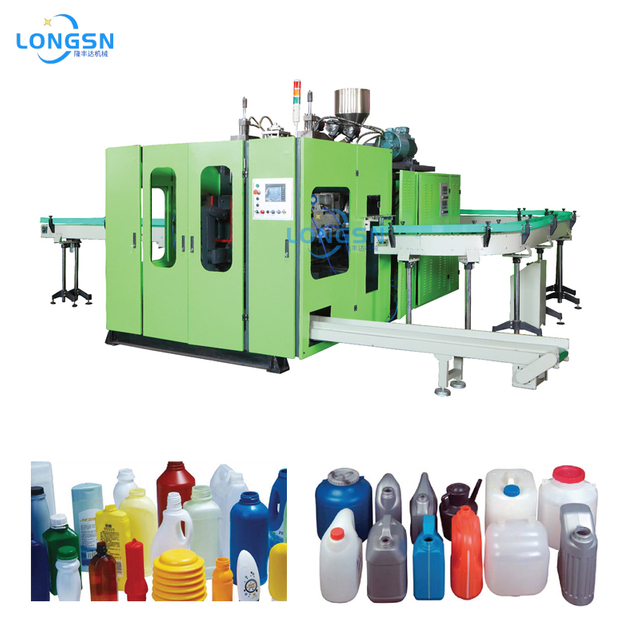
Facilities primarily use high-cavitation Injection Stretch Blow Molding (ISBM) machines for PET bottles. These machines orient the polymer molecules biaxially, which maximizes structural strength while minimizing weight. Through a compliance lens, this equipment must handle food-grade materials seamlessly. Production lines heavily integrate automated leak-testing systems. This ensures compromised bottles never reach the consumer.
Pharmaceuticals and Medical Devices
Medical manufacturing operates under entirely different constraints. Success in this industry requires zero-defect tolerance. Precise wall thickness distribution is non-negotiable. Containers must securely hold volatile compounds or precisely measured liquid doses. Cleanroom environment compatibility is mandatory for this equipment.
Companies usually deploy all-electric Injection Blow Molding (IBM) machines here. All-electric drives eliminate the risk of hydraulic oil contamination. They keep cleanroom air pristine. When evaluating compliance, you must navigate stringent FDA regulations. The equipment must process USP Class VI materials flawlessly. Furthermore, vendors must provide exhaustive documentation for Installation Qualification, Operational Qualification, and Performance Qualification (IQ/OQ/PQ) validation processes.
Automotive and Industrial Manufacturing
Automotive components endure harsh physical realities. Success criteria include superior structural rigidity and extreme temperature resistance. Parts must also withstand constant chemical exposure. Designers frequently specify complex 3D geometries for modern vehicle internals to save space.
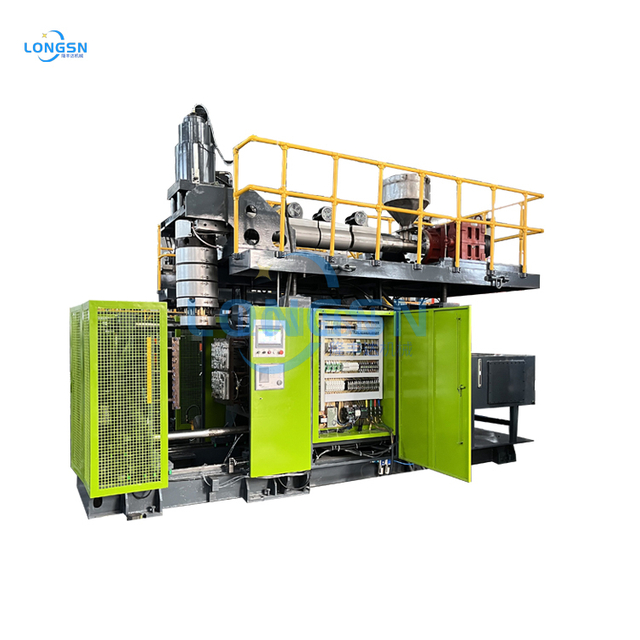
To produce these massive parts, manufacturers use an accumulator head plastic blow molding machine. This technology stores a large volume of melted resin. It pushes the material out rapidly to form large parisons for HVAC ducts, fluid reservoirs, and fuel tanks. Compliance in this sector focuses on ISO/TS 16949 standards. Manufacturers pursue repeatable lightweighting to improve vehicle fuel efficiency. However, they cannot sacrifice crash-test integrity in the process.
Consumer Goods and Cosmetics
The cosmetics industry prioritizes shelf appeal. Success criteria hinge on a high aesthetic finish. Many premium brands require multi-layer co-extrusion capabilities. This technique allows manufacturers to combine a soft-touch exterior with an inner UV-protection layer. Brands also demand rapid design iteration to keep up with consumer trends.
Continuous extrusion machines excel in this category. They adapt quickly to unique mold shapes and custom colorants. Modern operations pair these machines with advanced downstream automation. Automated deflashing trims excess plastic seamlessly. In-mold labeling integrations apply high-quality graphics directly during the molding cycle, eliminating secondary adhesive processes.
Solution Categories: Selecting the Right Machine Architecture
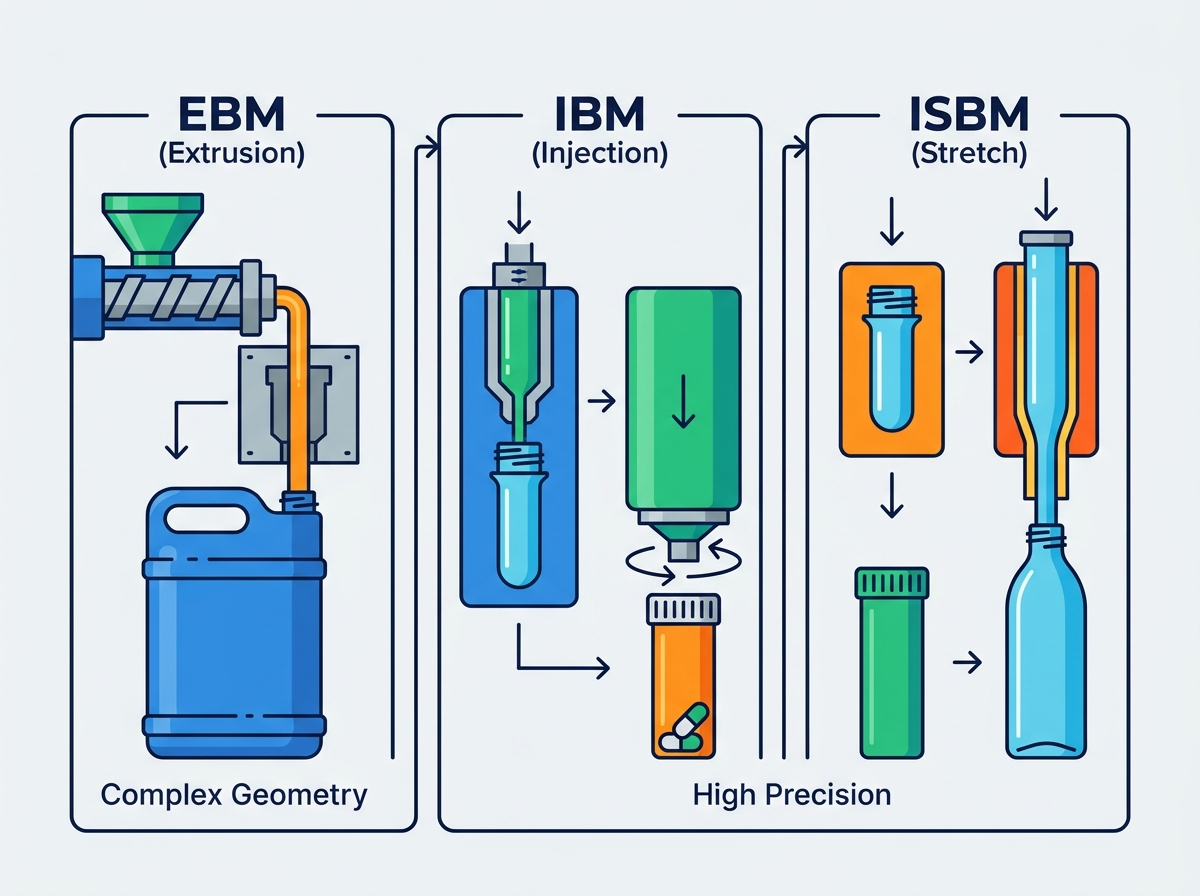
You must select the machine architecture that fits your specific product line. Choosing the wrong technology fundamentally cripples your production capability. The three dominant architectures each offer distinct advantages and trade-offs.
Extrusion Blow Molding (EBM) creates parts by extruding a hollow tube of plastic called a parison. Molds clamp shut around the parison, and air blows it into shape. It is best for irregular shapes, large containers, and products requiring integrated handles. A major trade-off is the generation of higher scrap, commonly known as flash. This requires secondary automated trimming equipment. However, EBM offers noticeably lower tooling costs compared to injection methods.
Injection Blow Molding (IBM) injects resin onto a core pin before transferring it to a blow station. It is best for high-volume, small-tolerance containers. Pill bottles and roll-on deodorant containers use this method. It is entirely flash-free and highly consistent. The primary trade-off involves capital expenditure. IBM carries significantly higher initial mold and tooling costs due to the need for both injection and blow molds.
Injection Stretch Blow Molding (ISBM) adds a stretching rod to the IBM process. It is best for achieving biaxial orientation in PET resins. This stretching provides superior clarity and exceptional impact strength. The trade-off is its lack of versatility. ISBM requires dedicated infrastructure and remains primarily limited to specific resins like PET.
Machine Architecture Comparison Chart
| Architecture Type | Best Suited For | Primary Trade-off | Material Focus |
| Extrusion Blow Molding (EBM) | Irregular shapes, handles, large industrial parts | Generates flash; requires automated trimming | HDPE, PP, PVC |
| Injection Blow Molding (IBM) | Small, precision containers; zero-scrap requirements | High initial mold costs; complex tooling | HDPE, LDPE, PP |
| Injection Stretch Blow Molding (ISBM) | Clear beverage bottles; high-strength containers | Limited resin versatility; dedicated infrastructure | PET, specialized clear resins |
Key Evaluation Criteria for Equipment Procurement
Procuring capital equipment requires a structured evaluation framework. You cannot judge a plastic blow molding machine by its base price alone. Follow these distinct criteria to ensure long-term operational success.
- Energy Efficiency and Drive Systems: Compare traditional hydraulic systems against hybrid and fully electric machines. Traditional hydraulics cost less upfront but consume massive amounts of power. All-electric machines offer precise control and significant long-term kW/h savings. You must calculate the energy consumption over a ten-year operational lifecycle.
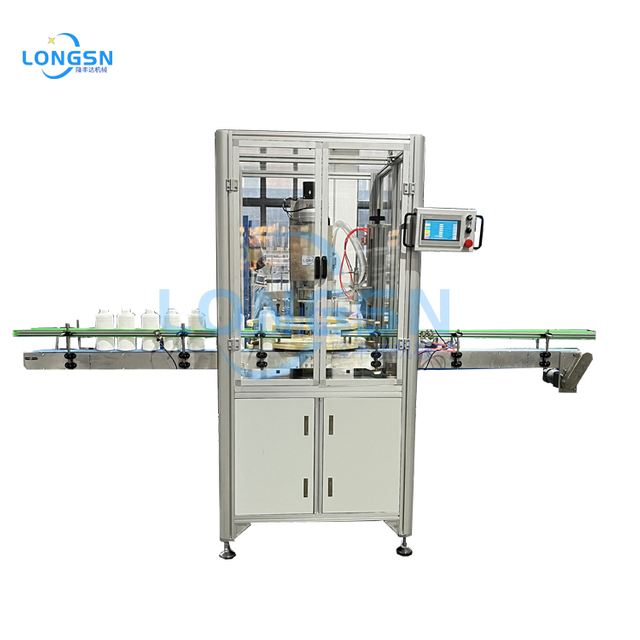
- Scalability and Automation Integration: Assess how easily the machine integrates with downstream automation. Modern manufacturing cells require seamless handoffs. Check compatibility with automated leak testers, robotic palletizers, and automatic deflashing units. Open-architecture control systems make integration much smoother.
- Tooling Changeover and Setup Time: Evaluate quick-mold-change (QMC) systems. Facilities requiring frequent product swaps suffer terrible downtime without QMC. Look for recipe-driven HMI controls. These interfaces allow operators to load saved heating profiles and parison wall thickness settings instantly.
- Vendor Support and Parts Availability: Emphasize the importance of regional technical support. A machine down for three days waiting on an overseas technician ruins production schedules. Demand remote diagnostic capabilities. Ensure the machine utilizes non-proprietary wear parts, so you can source replacements locally when emergencies strike.
Implementation Risks and Equipment Procurement
Buying the equipment introduces new operational realities to your facility. You must anticipate implementation risks early in the procurement phase. Neglecting these factors leads to massive budget overruns and delayed production launches.
Hidden auxiliary costs often surprise first-time buyers. The primary machine represents only a portion of the complete workcell. To run the equipment efficiently, you must factor in the following secondary investments:
- Industrial chillers to regulate mold temperatures accurately.
- High-capacity air compressors for consistent blowing pressure.
- Material dryers to remove moisture from hygroscopic resins like PET.
- Granulators and grinders to recycle flash directly back into the material feed.
You must also analyze your infrastructure requirements. Factory floor realities dictate which machines you can physically install. Accumulator head machines require massive ceiling height clearance. High-tonnage machines demand reinforced concrete flooring to support their immense weight and manage vibration. Furthermore, the heat load generated by extruders requires substantial HVAC upgrades to keep ambient factory temperatures safe for operators.
Finally, acknowledge the operator skill gap. Operating this equipment involves a steep learning curve. Troubleshooting parison programming requires deep technical knowledge. Adjusting dynamic wall-thickness controls takes years to master. You should prioritize vendors offering robust training programs. On-site operator training prevents excessive scrap generation during your initial production ramp-up.
Conclusion
Selecting the right equipment requires rigorous internal auditing and vendor scrutiny. You must summarize your shortlisting logic clearly. Prioritize machines that align perfectly with your most stringent industry compliance requirements and your longest planned production runs. Never compromise on compliance features to save upfront capital.
We recommend establishing a strict Request for Proposal (RFP) process. Demand vendor transparency regarding guaranteed cycle times and energy consumption metrics. Force suppliers to clarify tooling compatibility, especially if you plan to use existing molds.
Before signing a capital equipment contract, demand physical proof of capability. Advise your procurement team to request a Factory Acceptance Testing (FAT) trial. Run your specific resins and your specific molds during this trial. This physical verification serves as your ultimate insurance policy against underperforming equipment.
FAQ
Q: What is the typical lead time for a commercial plastic blow molding machine?
A: Supply chain realities heavily influence delivery schedules. Typical lead times range from 4 to 9 months. Standard configurations arrive faster, while highly customized accumulator or all-electric machines take longer. You must factor ocean freight and customs clearance into your project timeline.
Q: Can a single machine run both HDPE and PET?
A: Generally, no. Switching between these families on a dedicated machine proves highly inefficient. HDPE and PET require vastly different thermal profiles and specialized screw designs for optimal melting. Attempting to run both materials usually compromises container quality and causes severe production delays.
Q: How do I calculate the ROI of an all-electric blow molding machine over a hydraulic one?
A: Calculate your projected energy cost reduction and add the savings from reduced scrap and lower cleanroom maintenance. Subtract the higher initial capital expenditure of the electric model. Electric machines typically deliver positive ROI within 24 to 36 months through sheer energy efficiency.
Q: Are existing molds transferable between different machine brands?
A: Molds are rarely universally plug-and-play. You must measure tie-bar spacing and daylight openings to ensure physical fit. Standardized mold mounting configurations help, but proprietary manifold connections for cooling and air often require expensive adapters when switching machine brands.

 English