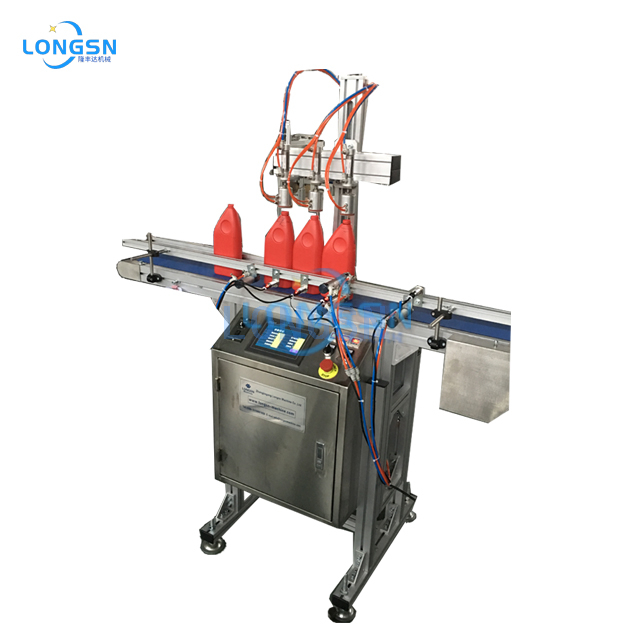
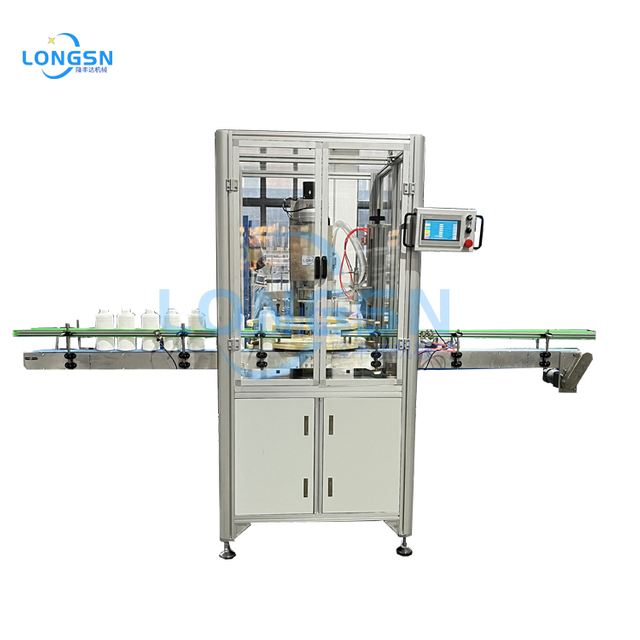
Packaging failures silently destroy brand equity and bottom lines. A single undetected micro-leak causes rapid product spoilage. It triggers immediate compliance breaches. These failures inevitably lead to highly publicized, costly product recalls. You cannot afford to let defective containers reach consumers in today’s heavily regulated markets. However, cutting through manufacturer marketing jargon remains notoriously difficult. You must find a system balancing rapid line speeds with clinical detection accuracy. This article provides a skeptical, operationally grounded framework for evaluating these critical systems. We move beyond basic specification sheets to explore real-world implementation, risk mitigation strategies, and practical integration hurdles. You will learn exactly how to align core testing technologies with your daily production realities. By the end of this guide, you will know how to separate reliable detection hardware from empty marketing promises.
Key Takeaways
- Matching Tech to Substrate: The best testing method (pressure vs. vacuum) depends entirely on bottle material (rigid vs. flexible) and contents.
- Efficiency Over Raw Speed: High throughput is useless if the false-reject rate is high; prioritize sensor resolution and environmental compensation.
- Integration is Make-or-Break: A machine’s footprint, HMI usability, and tool-less changeover capabilities dictate its true ROI on a multi-SKU line.
- Compliance Matters: Modern systems must offer secure data logging and audit trails (e.g., FDA 21 CFR Part 11) for strict quality control traceability.
Aligning Quality Control Goals with Production Realities
Defining true success requires looking past baseline operational metrics. A successful bottle leak test machine deployment minimizes false positives and entirely eliminates false negatives. False positives force operators to throw away perfectly good products. This wastes resources and hurts overall line yield. False negatives allow defective containers to escape into the supply chain. Escaped defects destroy brand reputations permanently. You must engineer your process to avoid both extremes.
Physics dictates a clear, unavoidable tradeoff between machine cycle time and leak detection sensitivity. Faster indexing speeds leave less time for air to escape through a microscopic hole. A shorter test cycle produces a much smaller pressure drop. High-speed lines require exceptionally sensitive transducers to detect these minimal pressure changes. You cannot simply turn up the machine speed without sacrificing detection accuracy. Striking the right balance requires careful mathematical modeling.
You must establish strict baseline metrics before contacting equipment vendors. Quantify your acceptable leak rate clearly. Pharmaceutical manufacturers often target micro-leaks down to 10 microns to satisfy strict USP <1207> standards. Food and beverage producers might target 50-micron gross leaks to prevent basic liquid seepage. Define these exact micron limits early. Your entire hardware selection process depends on this foundational metric.

Evaluating Core Detection Technologies
Pressure decay testing remains the industry standard for rigid packaging. The machine injects compressed air into the empty container. Valves seal the system completely. Sensors then monitor internal pressure loss over a set cycle time. A dropping pressure curve indicates a leak. This method works exceptionally well for high-density polyethylene (HDPE), thick PET, and standard glass bottles. It requires a dry, thermally stable testing environment to function optimally.
Vacuum decay testing operates differently. The mechanism places the bottle inside a sealed, customized test chamber. Pumps draw a vacuum in the space surrounding the bottle. If the container leaks, air escapes outward into the chamber. This alters the established vacuum level. Manufacturers prefer this method for flexible packaging, pouches, and liquid-filled bottles. Internal liquid often blocks outward air flow during positive pressure tests. Vacuum testing circumvents this physical limitation effectively.
Certain highly regulated industries require advanced or niche detection methods. Pharmaceutical applications sometimes mandate helium mass spectrometry. This process detects unimaginably small trace gas leaks, ensuring absolute sterility. Vision systems frequently supplement traditional pressure testers. High-speed cameras spot gross physical defects like missing caps or deformed necks instantly. This dual-layered approach maximizes overall quality control.
Core Detection Technologies Decision Matrix
| Technology Type | Ideal Bottle Material | Target Sensitivity | Primary Industry Application |
| Pressure Decay | Rigid (HDPE, Glass, thick PET) | 15 - 50 Microns | Food & Beverage, Cosmetics, Automotive |
| Vacuum Decay | Flexible (Pouches, thin PET, filled) | 5 - 20 Microns | Pharmaceuticals, Medical Devices, Liquid F&B |
| Trace Gas (Helium) | Ultra-rigid (Vials, Ampoules) | Sub-1 Micron | High-stakes Pharma, Advanced Electronics |
| Vision Supplements | Any (Surface visual defects only) | Gross Physical Defects | High-speed FMCG, Contract Packaging |
5 Must-Have Features in a Bottle Leak Test Machine
High-Resolution Sensors with Environmental Compensation
Modern production floors are chaotic, noisy environments. Advanced transducers must filter out ambient background noise effectively. Ordinary atmospheric temperature fluctuations and barometric pressure shifts routinely ruin test accuracy. A sudden blast of cold air from a loading dock can skew pressure readings entirely. Your chosen machine requires sophisticated environmental compensation algorithms. These algorithms stabilize raw sensor data automatically. They ensure consistent readings despite changing facility conditions.
Tool-less, Rapid Changeover Mechanics
Production lines frequently handle multiple container shapes daily. Adjustable test heads and quick-release physical fixtures are mandatory for operational efficiency. Contract packagers face crippling downtime if changeovers take hours. Operators should swap bottle profiles in minutes. They should not need specialized wrenches or hand tools to adjust the machine. Tool-less mechanisms keep the primary production line running profitably.
Automated Calibration and Self-Testing Routines
You cannot trust unverified sensors blindly. Equipment requires built-in, automated daily validation checks. The machine should test known, mastered leak orifices before every single production shift begins. This routine validates sensor integrity automatically. If the system fails to detect the mastered leak, it locks the machine. This prevents operators from running thousands of bottles through a defective testing cycle.
Fail-Safe Reject Sorting Mechanisms
Identifying a defective bottle solves only half the problem. The machine must physically remove the failed container smoothly. Pneumatic pushers or soft-handling diversion lanes isolate bad units effectively. The mechanism must eject containers without jamming the primary conveyor belt. Good designs push rejected bottles into a locked, secure bin. This prevents operators from accidentally placing defective units back onto the main line.
Advanced HMI and Data Traceability
Operators need highly responsive, user-friendly touch interfaces to monitor daily performance. Complicated menus cause severe operational delays. Furthermore, facility management requires secure, exportable data logging. Comprehensive audit trails satisfy strict compliance audits effortlessly. The software must track who logged in, what parameters changed, and when failures occurred. Seamless database integration remains a non-negotiable feature for modern quality control.
Implementation Risks and Line Integration Hurdles
Installing bulky test chambers over existing conveyors creates major engineering headaches. You must measure spatial constraints carefully before purchasing hardware. Many standard machines require costly, extensive line modifications. Retrofitting often forces facilities to cut conveyors or reroute traffic entirely. You must plan for these spatial realities early.
Matching the leak tester's indexing speed with surrounding equipment presents another massive challenge. Poor synchronization creates instant bottlenecks. Upstream liquid fillers and downstream capping machines operate continuously. Leak testers often index intermittently.
Common synchronization strategies include:
- Installing variable frequency drives (VFDs) to smooth conveyor transitions.
- Using accumulator tables upstream to buffer incoming bottles.
- Implementing sophisticated encoder tracking for seamless continuous-motion testing.
Component wear presents a hidden operational reality. The testing process relies on repetitive mechanical sealing. Polyurethane seals, pneumatic valves, and custom test fittings degrade over time. Continuous cycle fatigue causes these elastomers to crack or harden. This degradation leads directly to false leak readings. Maintenance teams must implement proactive replacement schedules. Waiting for a seal to fail during a live production run guarantees catastrophic downtime.
Vendor Shortlisting Logic and Performance Evaluation
Moving past standard specification sheets requires evaluating a vendor’s Service Level Agreement (SLA). Support infrastructure matters heavily when production stops unexpectedly. You must scrutinize guaranteed response times carefully. Remote diagnostic capabilities allow software engineers to troubleshoot your machine from across the globe. Demand absolute clarity regarding local spare part availability. A highly sensitive machine becomes useless if replacement valves take six weeks to ship.
You must follow specific steps when shortlisting potential manufacturing partners:
- Audit your current maximum line speeds and establish hard throughput minimums.
- Document your exact bottle specifications, including material, volume, and cap type.
- Request detailed Mean Time Between Failure (MTBF) data for critical pneumatic components.
- Review the vendor's software compliance certifications (e.g., ISO guidelines).
Always demand a Proof of Concept (POC) before signing purchase orders. Send your specific bottle runs directly to the vendor's testing facility. Include a mix of perfect bottles and artificially defected bottles. Force the vendor to prove their machine can find the hidden leaks blindly. Real-world physical testing validates vendor claims immediately. It eliminates assumptions and proves actual operational capability.
Conclusion
Selecting the ideal bottle leak test machine fundamentally transforms your quality control process. The right equipment integrates seamlessly into existing workflows while delivering undeniable data integrity. You avoid catastrophic recalls, protect your brand equity, and eliminate wasted product yields. Success requires moving beyond marketing brochures. You must demand high-resolution sensors, tool-less changeover mechanics, and robust software traceability.
Take decisive action today to secure your packaging lines. Audit your current conveyor speeds accurately. Gather precise data regarding your specific bottle materials, volumes, and closure types. Establish your hard micron-level detection limits. Contact shortlisted vendors and demand a rigorous, blind Proof of Concept using your actual physical containers. Strict validation ensures your next equipment deployment protects both your product and your reputation flawlessly.
FAQ
Q: How often should a bottle leak test machine be calibrated?
A: Shift-based verification uses known master leaks every eight hours. This confirms immediate sensor health and prevents daily batch errors. Annual certified calibration requires a trained technician. They verify the machine against NIST-traceable standards. You must perform both routines strictly to maintain comprehensive quality compliance.
Q: How do environmental factors like temperature impact leak test accuracy?
A: The ideal gas law governs pressure testing. When a bottle's internal temperature drops, the internal air pressure also drops naturally. High-sensitivity sensors misread this thermal pressure drop as a physical leak. Thermal stabilization and advanced environmental compensation software filter out these natural fluctuations effectively.
Q: What are the most common points of failure on leak testing equipment?
A: Repetitive mechanical stress destroys elastomer components rapidly. Custom rubber test seals, polyurethane neck gaskets, and internal pneumatic valves fail most frequently. Continuous physical compression hardens these soft materials over time. Maintenance teams must inspect and replace these specific wear items proactively to prevent false reject readings.
Q: Can one machine test multiple bottle sizes and shapes?
A: Yes, modern machines handle high-variance SKU lineups easily. However, this requires excellent recipe management software and flexible physical chambers. Operators select new bottle parameters via the touch screen. They then swap the physical test heads using quick-release, tool-less fixtures to accommodate varying container heights.

 English