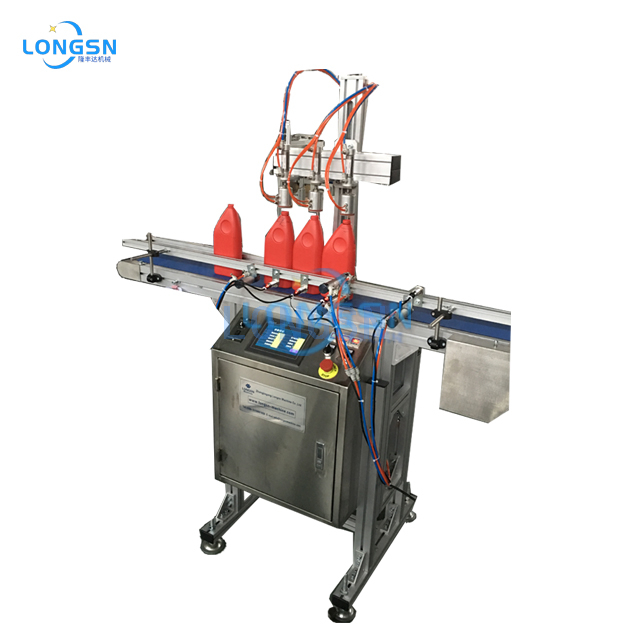
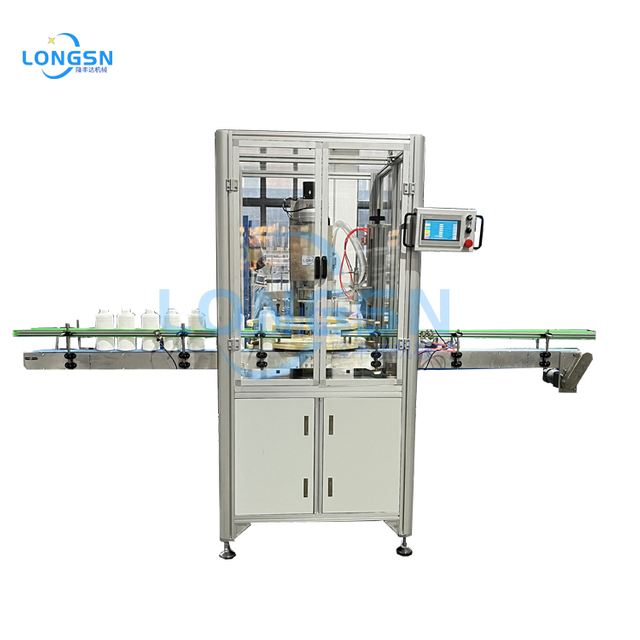
Inadequate leak detection exposes your facility to severe operational risks. A single microscopic flaw can compromise product integrity entirely. This often leads to costly product recalls and lasting brand damage. Standardizing quality control means you must move past unreliable manual inspections. However, selecting the wrong automated system creates its own hazards. Incompatible testers can cause severe production bottlenecks. They might also trigger high false-reject rates, wasting perfectly good products. This guide provides a strictly evaluation-based framework. It helps facility managers and QA directors navigate these complex technical decisions. You will learn how to choose a system that perfectly aligns with your operational realities. We cover throughput demands, compliance standards, and material properties. Ultimately, you will gain the knowledge needed to evaluate and procure the ideal equipment for your unique packaging line.
Key Takeaways
- Selecting the right equipment requires balancing target leak rates (sensitivity) with production line speeds (cycle time).
- The choice between pressure decay, vacuum decay, and flow testing depends entirely on bottle material rigidity and whether testing occurs empty or filled.
- Facility footprint and integration plans dictate whether an offline sampling unit or a 100% inline automated tester is viable.
- Total Cost of Ownership (TCO) evaluation must include custom tooling costs, calibration downtime, and long-term vendor support.
Establishing Your Baseline Leak Testing Criteria
Define the Target Leak Rate (Reject Limit)
Every manufacturing process demands specific quality limits. You must first determine the critical defect size for your product. Liquid containers often require different micron thresholds than gas containers. You should avoid arbitrary "zero leak" claims during your evaluation. Such absolute claims ignore the realities of physics. Instead, focus on defining acceptable operational thresholds. We recommend establishing a leak rate you can reliably measure. This prevents unnecessary production stops. It also safeguards your operational budget against unreasonable rejection standards. Consider how different contents react to microscopic breaches. Liquids might not escape through a small 5-micron hole. However, pressurized gases certainly will. Align your defect specifications precisely to your product contents.
Throughput vs. Cycle Time Realities
Evaluating a bottle leak test machine involves understanding critical speed tradeoffs. High sensitivity testing requires more stabilization time. Faster production speeds reduce available testing windows. You must balance these competing demands carefully. Your required parts-per-minute (PPM) rate dictates the necessary machine architecture. Low PPM targets allow single-station machines to perform adequately. High-speed packaging lines demand multi-station configurations. These rotary or multi-head systems test several containers simultaneously. They maintain long testing cycles without slowing overall throughput. Evaluate your peak production speeds before selecting a system. Overlooking this step often creates severe line bottlenecks. You might need to compromise slightly on sensitivity to meet aggressive speed targets.
The False Reject Factor
False failures hide massive operational costs. Good products rejected by a machine waste valuable materials. They also waste the labor required to manufacture them. Environmental variables routinely trigger these false rejects. Sudden temperature shifts inside your facility alter internal bottle pressure. Loud background noise can disrupt sensitive acoustic or flow sensors. Evaluating a machine's baseline stability becomes critical here. You need equipment capable of ignoring ambient environmental noise. Ask vendors how their systems handle standard factory vibrations. Advanced testers use sophisticated algorithms to cancel out these variables. They protect your yield while maintaining strict quality control. Stable baseline readings ensure you only reject genuinely defective containers.

Core Technologies in a Bottle Leak Test Machine
Pressure Decay Testing
Pressure decay remains the industry standard for specific containers. It works exceptionally well for empty, rigid plastic or glass bottles. The system pressurizes a container and isolates it. Sensors then monitor internal pressure drops over time. Significant drops indicate escaping air through a defect. This method offers excellent cost-effectiveness for standard applications. It provides rapid results for straightforward geometries. However, you must note its limitations with highly flexible materials. Pliable containers expand under positive pressure. This expansion mimics a leak, causing inaccurate readings. We recommend pressure decay primarily for rigid walled packaging.
Vacuum Decay Testing
Some products require entirely different technological approaches. You should position vacuum decay testing for filled bottles. It also works perfectly for sealed containers and highly flexible packaging. Positive pressure causes severe deformation in these items. Vacuum testing places the container inside a sealed chamber. The machine draws a vacuum and monitors for pressure increases. Escaping liquid or gas raises the chamber pressure. This non-destructive method preserves delicate packaging structures. For medical or pharmaceutical applications, always check for ASTM F2338 compliance. This standard ensures the method meets strict regulatory requirements. Vacuum decay reliably tests packages containing liquids or semi-solids.
Mass Extraction / Flow Testing
Certain scenarios require high-speed testing for larger defects. Flow testing measures the volume of air passing into a part. It easily accommodates complex container geometries. Mass extraction functions similarly but operates under a vacuum. These methods detect gross leaks incredibly fast. They suit applications where micro-leak sensitivity matters less. If your line produces highly asymmetrical parts, flow testing works best. It bypasses the stabilization delays inherent in pressure decay methods. You gain significant speed advantages for specific manufacturing environments where rapid gross defect identification is the primary goal.
Decision Matrix
You need a quick way to compare these testing technologies. Review the comparative analysis below to shortlist the right method. It outlines how sensitivity, speed, and container types align for optimal decision-making.
Leak Testing Technology Comparative Matrix
| Technology Type | Typical Defect Sensitivity | Testing Speed | Ideal Container Material |
| Pressure Decay | High (Micro-leaks) | Medium | Empty, rigid plastic, glass |
| Vacuum Decay | Very High | Medium to Slow | Filled, sealed, highly flexible |
| Flow / Mass Extraction | Low (Gross leaks) | Very Fast | Complex geometries, large volumes |
Factoring in Bottle Geometry, Material, and Contents
Empty vs. Filled Testing
Machine requirements change drastically based on content status. Testing blow-molded empty bottles at the manufacturer presents specific challenges. These facilities prioritize maximum speed and gross leak detection. They primarily use positive air pressure directly inside the open neck. Conversely, testing capped, filled bottles occurs at the packaging line end. The container is completely sealed at this stage. You cannot introduce air directly into the product. Filled testing typically requires specialized vacuum chambers. The equipment must detect escaping liquids or vaporized contents. Ensure you clarify your exact testing stage before purchasing any automated equipment.
Material Volatility (Rigid vs. Pliable)
Different packaging materials behave uniquely under testing pressures. PET, HDPE, and glass all respond differently to pressurization. Glass remains entirely rigid and highly predictable during testing. PET and HDPE introduce the structural risk of "creep." Thin-walled plastics expand slightly when pressurized with air. This expansion increases internal volume and naturally drops the pressure. Basic sensors misinterpret this volume change as a physical leak. Advanced testers compensate for material creep automatically. They use sophisticated software algorithms to distinguish material expansion from actual holes. Evaluate how pliable your materials are before confirming sensor capabilities.
Custom Tooling and Nests
Standard machines rarely fit complex container designs perfectly out of the box. You often need custom sealing mechanisms for non-standard neck finishes. Angled necks or extra-wide openings require specialized pneumatic clamps. Asymmetrical bottle shapes demand custom holding chambers or specialized "nests."
Consider these essential custom tooling requirements:
- Precision Sealing Heads: They must match exact thread profiles to prevent false leaks.
- Rigid Support Nests: They are required to prevent container distortion during heavy pressurization.
- Automated Clamps: They ensure consistent pressure application across thousands of daily cycles.
These customized parts naturally increase your initial implementation costs. They also extend manufacturing lead times significantly prior to delivery. However, they remain absolutely necessary for reliable, repeatable quality control.
Facility Integration: Inline vs. Offline Architecture
Inline (100% Inspection)
Integrating equipment directly into your conveyor line ensures continuous 100% inspection. Every single product undergoes testing before final shipment. You must carefully evaluate footprint constraints on your production floor. Available space often dictates equipment feasibility immediately. Successful inline systems require robust, flawless PLC integration. Your machine must communicate perfectly with Allen-Bradley, Siemens, or similar network controllers. It must synchronize smoothly with upstream fillers and downstream labelers. Additionally, it needs reliable automatic ejection mechanisms. These mechanical diverters physically remove defective bottles without stopping the line. This seamless integration protects your overall production efficiency and throughput.
Offline (Batch/Sample Testing)
Not every facility requires full continuous inspection architectures. Offline benchtop models serve entirely different operational use cases. They prove ideal for low-volume, high-mix manufacturing environments. Operators manually place sample bottles into these standalone testing units. QA labs frequently use offline models for periodic batch validation. They test random pallets pulled from the main line daily. This approach saves valuable floor space and reduces initial capital investment. It works perfectly for highly stable processes needing occasional verification. Choose offline architecture if your line speeds prohibit necessary inline stabilization times.
Changeover Efficiency
Most modern facilities run highly diverse product lines daily. You will likely switch between different bottle sizes frequently. Changeover efficiency becomes a primary buying criterion for operational managers. Operators must swap custom tooling and update digital software recipes. Lengthy changeovers destroy daily production quotas quickly. Evaluate quick-change tooling features carefully during your vendor demonstrations.
Follow these standard steps for efficient equipment changeovers:
- Select the new bottle parameters on the digital interface.
- Release the quick-disconnect pneumatic sealing heads manually.
- Snap the new custom support nests into the testing bay.
- Run a master leak verification to confirm new baseline stability.
Machines prioritizing tool-less changeovers maximize your operational uptime significantly.
Compliance, Calibration, and Vendor Evaluation
Regulatory & Quality Standards
Strict industries demand rigorous regulatory compliance from your equipment. You must match machine capabilities to specific quality frameworks. General manufacturers often require standard ISO 9001 alignment. Medical and pharmaceutical sectors face much tougher regulatory requirements. You must often adhere to specific ASTM test methods for these critical products. Additionally, you must frequently secure FDA 21 CFR Part 11 compliance. This regulation governs electronic records and digital signatures strictly. Compliant machines offer secure data logging and unalterable digital audit trails. They track every parameter change and secure user login. Verify these specific software capabilities early in your procurement process.
Calibration and Preventative Maintenance
Maintenance must never be an afterthought during the procurement stage. You should frame it as a core operational metric for long-term success. Machines naturally lose calibration over time due to wear and tear. You must verify sensor accuracy during daily operational shifts. The availability of traceable leak standards proves essential here. These "master leaks" simulate exact defect sizes precisely for testing. Operators insert them into the machine to test baseline detection capabilities. Preventative maintenance keeps sealing mechanisms fresh and pneumatic valves responsive. Prioritize machines offering straightforward maintenance access. Complex tear-downs for simple calibration will frustrate your maintenance teams.
Vendor Support and Proof of Concept
Never purchase a testing system based purely on written specifications. You should always demand a comprehensive feasibility study first. Reputable vendors offer proof-of-concept testing using your actual bottle samples. They run your physical products through their laboratory demo units. This process exposes hidden material behaviors or geometric challenges immediately. It definitively proves the equipment can meet your specific cycle times. Furthermore, evaluate their long-term vendor support capabilities thoroughly. Ask about local technician availability and spare parts inventory. Strong vendor partnerships ensure your production line stays operational for years.
Conclusion
Selecting the optimal leak test equipment demands a careful synthesis of multiple factors. You must align your defect sensitivity requirements with your rigid production speeds. Ensure your chosen technology properly addresses your specific bottle materials, geometry, and contents. Finally, you must evaluate whether an inline or offline architecture best fits your facility floorplan and compliance needs. By prioritizing these structural criteria, you protect your brand integrity while maintaining high operational throughput.
Your next step requires practical action. Gather a diverse range of your physical product samples today. Define your exact parts-per-minute cycle time requirements clearly. Then, reach out to an experienced equipment vendor for a custom feasibility analysis based on your unique production realities.
FAQ
Q: What is the standard cycle time for an automated bottle leak test machine?
A: Cycle times vary heavily based on internal container volume and pressure limits. Single-head machines typically process 30 to 60 parts per minute. Multi-head rotary setups can easily exceed 600 parts per minute. Larger bottles require longer fill and stabilization times, slowing the overall test cycle.
Q: Can one machine test multiple bottle sizes?
A: Yes, modern machines handle multiple sizes efficiently. They utilize interchangeable tooling like custom nests and quick-disconnect sealing heads. Recipe-driven software allows operators to switch testing parameters instantly. However, physical changeovers do require brief periods of planned machine downtime.
Q: How do environmental temperature changes affect leak testing?
A: Temperature shifts directly alter the internal air pressure of a sealed container. In pressure decay testing, a sudden temperature drop reduces pressure. The sensors interpret this thermal drop as a structural leak. Advanced testing equipment incorporates temperature compensation features to neutralize these environmental variables.
Q: Does the machine require destructive testing?
A: No, modern pressure decay and vacuum decay testers are entirely non-destructive. They apply calculated forces that do not permanently alter or damage the container. This preserves perfectly good products, allowing them to continue down the packaging line and reducing overall material waste.

 English