In plastic bottle manufacturing, the trimming and deflashing stage is a frequent bottleneck. Subpar trimming leads to compromised seals, product leakage, and high downstream rejection rates. These quality failures directly harm brand trust and destroy profit margins. Upgrading or selecting a new bottle trimming machine requires precise operational alignment. You must match the equipment's capabilities with your blow molding output. You also need to consider container specifications and daily production targets. Integrating the wrong machinery creates costly delays and frustrating maintenance cycles. This guide provides a systematic, engineering-focused framework to evaluate your options. We will walk you through assessing production volumes and container compatibility. You will learn how to shortlist a reliable trimming solution that protects your operational efficiency. Finally, we show you how to integrate it seamlessly into your continuous production line.
Key Takeaways
- Match throughput to the source: Your trimmer’s Bottles Per Minute (BPM) capacity must exceed your blow molding cycle times by a 10-15% safety margin to prevent bottlenecks.
- Account for shape complexity: Standard spin trimmers work for round bottles, but handled, offset-neck, or square containers require specialized multi-axis deflashing equipment.
- Prioritize integration: A standalone machine is a liability if it cannot efficiently sync with upstream extrusion blow molders (EBM) and downstream leak testers or conveyors.
Assess Production Volume and Automation Requirements
Every manufacturing facility operates on strict timing. Calculating your target throughput is the first critical step. You need a continuous operating speed measured accurately. We recommend measuring blow molder cycle times over a full shift. Multiply the cavities by cycles per minute. This gives your raw Bottles Per Minute (BPM). Your trimming machinery must exceed this number. We suggest a 10 to 15 percent safety margin. This buffer absorbs minor line fluctuations easily. Under-sizing creates severe bottlenecks. Operators will pause the blow molder repeatedly. Over-sizing wastes capital. It leaves expensive capacity sitting idle on the factory floor.
Let us examine automation tiers closely. We see two primary categories in the industrial market.
- Semi-Automatic Trimmers: You should deploy these for short production runs. They handle low-volume specialty packaging excellently. Operators load bottles manually into the carriage. You face high labor dependency. However, you benefit from a very low initial setup cost. They excel at processing complex, experimental container shapes.
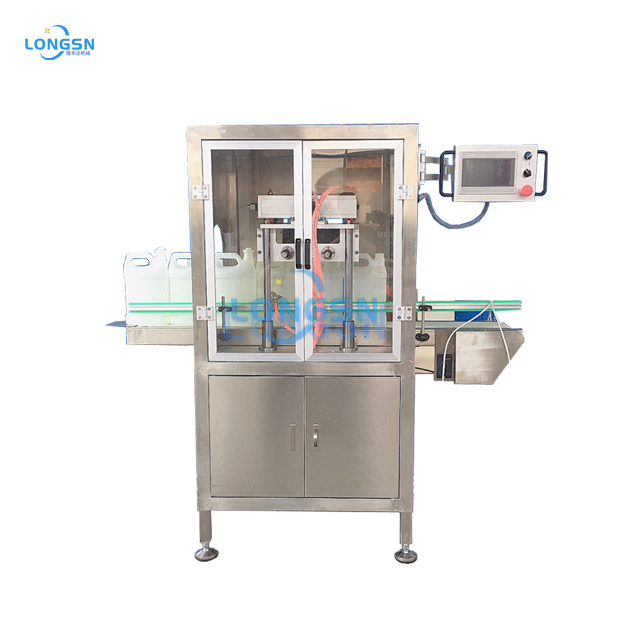
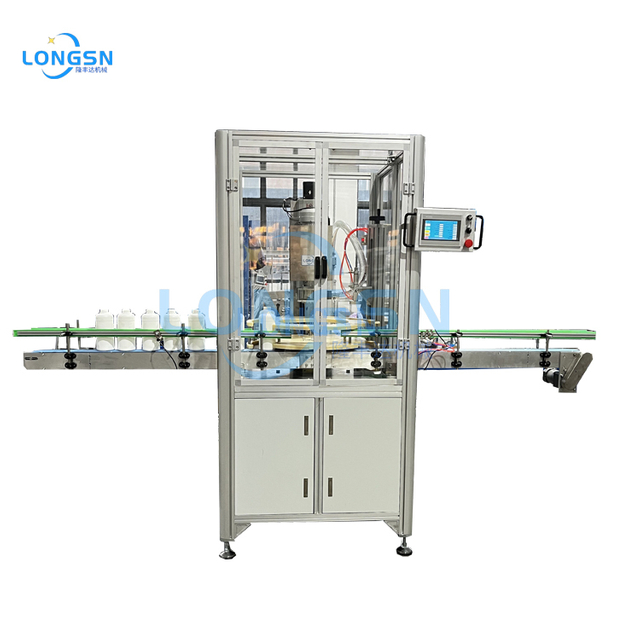
- Fully Automatic Inline Trimmers: High-volume lines demand these robust systems. They connect directly to continuous extrusion blow molding processes. You must prioritize models offering automated scrap ejection. They also sort finished products efficiently. This removes human error from the critical sorting phase.
Scrap recovery integration remains vital. You generate plastic flash during every trim cycle. Automated flash removal systems capture this waste immediately. The machine feeds scrap directly back into a granulator. This creates a closed-loop material recycling environment. You reduce raw resin consumption drastically. It improves your facility's sustainability profile. Plant managers see immediate material savings. You eliminate manual floor sweeping entirely. It prevents accidental contamination of recycled plastics.
Automation Tier Capability Chart
| Feature | Semi-Automatic Systems | Fully Automatic Inline Systems |
| Operator Dependency | High (Manual loading required) | Low (Fully automated feed) |
| Throughput Rate (BPM) | 10 - 30 BPM | 60 - 200+ BPM |
| Space Requirement | Compact / Tabletop options | Large / Dedicated floor space |
| Changeover Complexity | Simple, often manual adjustments | Complex, requires toolless modules |
| Scrap Handling | Manual removal | Integrated closed-loop recovery |

Evaluate Container Compatibility and Material Specs
Different plastics demand specific mechanical approaches. You cannot treat high-density polyethylene (HDPE) like polyethylene terephthalate (PET). They possess distinct thermal properties. Harder materials require higher torque from drive motors. They also need highly robust blade compositions. Soft materials might tear if blades lack extreme sharpness. We advise matching cutting geometry strictly to your specific polymer.
Container geometry dictates machine capabilities heavily. Your product shapes limit your equipment choices.
- Round vs. Non-Round: Standard spin trimmers perform efficiently for standard round necks. They rotate the bottle rapidly against a stationary blade. The process is fast, clean, and highly reliable.
- Handled Bottles: Dairy jugs present unique structural challenges. Detergent bottles also require specialized attention. They need specialized punch-out mechanisms for the handle eye. Standard spin trimmers fail completely on these geometries.
- Neck Caliber: Tooling flexibility is crucial for long-term viability. Ensure the machinery handles your full range of neck diameters. You do not want to replace entirely new carriage assemblies. Minor size changes should only require simple adjustments.
We must address changeover realities directly. Operational downtime hurts productivity immediately. Switching between bottle sizes stops production entirely. Modern manufacturing utilizes frameworks like Single-Minute Exchange of Dies (SMED). You should demand toolless changeovers. We highly recommend specifying a bottle trimming machine featuring modular quick-change cutting heads. Operators simply swap pre-calibrated heads. They lock them into place quickly. You avoid spending hours loosening bolts and realigning blades manually. It keeps your line running efficiently.
Common Plastic Materials and Trimming Requirements
| Material Type | Trimming Characteristics | Blade Requirement | Common Applications |
| HDPE | Cuts cleanly but can generate significant flash. | High-speed steel, moderate heat resistance. | Milk jugs, detergent bottles, motor oil. |
| PET | Requires minimal deflashing; highly rigid structure. | Carbide tipped, extreme durability. | Water bottles, carbonated beverages. |
| PP | Tough and heat-resistant; prone to stringing. | Ultra-sharp geometry, high torque motors. | Hot-fill containers, medical packaging. |
| LDPE | Very soft; deforms easily under pressure. | Low-friction coating, precise tension control. | Squeeze bottles, flexible industrial tubes. |
Define Required Trimming Precision and Deflashing Scope
Neck trimming precision directly impacts final product viability. A clean, burr-free neck cut is absolutely critical. You rely on this flat surface for proper induction sealing. Capping systems also demand perfectly uniform rims. If a burr remains, the foil seal fails. Micro-leaks develop during pallet transit. Retailers routinely reject entire shipments due to a few leaking bottles. We consider cutting precision a non-negotiable requirement.
You must understand the scope of complete deflashing. Simple dome trimming only removes the top portion. It prepares the neck opening for capping. Full-body deflashing removes much more plastic material. It strips away top tails and bottom tails cleanly. It also clears handle flash completely. Extrusion blow molding often requires this comprehensive approach. You need multi-axis machines for full-body tasks. They utilize mechanical jaws and secondary punch stations simultaneously.
Quality control features prevent defective shipments entirely. You should evaluate machines equipped with modern inspection tools. Integrated vision systems scan every trimmed neck automatically. High-resolution cameras detect microscopic imperfections instantly. Physical tolerance checks offer another vital layer of security. Automated go/no-go gauges test the opening diameter mechanically. The machine automatically rejects poorly trimmed units. Defective bottles divert into a scrap bin rapidly. They never reach the downstream filler. You protect your downstream equipment from jams. You also safeguard your brand reputation continuously.
Analyze Line Integration and Footprint Constraints
Floor space remains a premium asset in any facility. Trimming machines require specific physical footprints. You generally choose between linear and rotary configurations. Linear machines stretch out continuously along your conveyor path. They fit well in long, narrow factory layouts. Rotary machines consolidate the entire process into a circular carousel. They save significant linear space. You must evaluate these footprints against existing facility constraints. We recommend mapping the layout carefully before purchasing new equipment.
Upstream and downstream synchronization ensures smooth factory operations. Your processing equipment acts as a central communication bridge.
- Upstream Integration: The system must accept bottles directly from the blow molder's cooling conveyor. Bottles arrive warm and slightly pliable. The infeed mechanism must handle them gently. It must receive them without jamming or crushing the sidewalls.
- Downstream Handoff: The exit conveyor must deliver stably oriented bottles continuously. They move rapidly toward leak detectors. They might enter flame treaters next. Finally, they reach high-speed filling carousels. Tipped bottles cause massive downstream crashes.
Control systems architecture requires careful strategic consideration. Proprietary software locks you into a single service provider indefinitely. It frustrates in-house maintenance teams constantly. We strongly recommend specifying standard Programmable Logic Controllers (PLCs). Your Human-Machine Interface (HMI) panels should run on widely recognized industrial standards. Systems utilizing Allen-Bradley or Siemens architecture provide immense value. Your local technicians already understand these programming platforms. They can troubleshoot issues immediately. You avoid paying exorbitant fees for specialized software engineers. It guarantees long-term operational independence.
Maintenance Realities and Support
Industrial equipment requires rigorous upkeep to maintain efficiency. Consumables dictate your daily maintenance schedules. Blades are always the highest-wear component. You must evaluate the system based on expected blade lifespan. Ask vendors about typical replacement schedules upfront. Determine the required sharpening frequency for your specific plastic type. Some machines use standard, easily sourced industrial blades. Others force you to buy restricted proprietary blades. We advise choosing universally compatible tooling whenever possible.
Preventative maintenance access separates good designs from poor ones. Mechanics need to service the machinery quickly and safely. A well-designed bottle trimming machine prioritizes technician ergonomics. It offers easy, guard-protected entry to critical zones. Technicians must reach drive belts without dismantling the entire chassis. Bearings require regular lubrication access. Cutting modules need frequent visual inspections. If access takes hours, routine maintenance gets skipped. Skipped maintenance leads to catastrophic machine failures inevitably.
Vendor support directly impacts your factory uptime. Parts availability is absolutely crucial. You must assess the manufacturer’s Service Level Agreement (SLA). Determine their guaranteed technical response times. Downtime spent waiting for an overseas part is disastrous. It destroys weekly production schedules. Look for vendors maintaining robust domestic parts staging facilities. They can overnight critical components to your facility. They also dispatch service technicians quickly. Always verify their technical support structure before committing to a purchase.
Conclusion
Selecting the right processing equipment is an exercise in strict risk mitigation. The best choice balances your immediate throughput needs perfectly. It also secures future flexibility for new bottle designs. You protect your margins by prioritizing reliable automation. You ensure quality by demanding high-precision cutting modules.
Before contacting vendors for formal quotes, prepare thoroughly. Compile a comprehensive spec sheet covering all your bottle designs. Gather precise material data and upstream BPM figures. Do not rely solely on sales brochures. Request physical sample testing. Send your actual blown bottles to the manufacturer. Watch them process your containers on their equipment. Demand visual proof of flawless trimming before signing any purchase order.
FAQ
Q: How much downtime is typical for a bottle trimmer changeover?
A: Industry standard for modern, quick-change systems is 15-30 minutes. Legacy or highly complex multi-station deflashers can take 1-2 hours.
Q: Can one bottle trimming machine handle both HDPE and PET?
A: Generally no, or not optimally. HDPE requires deflashing/cutting in extrusion blow molding, whereas PET is usually injection stretch blow molded and doesn't require traditional deflashing, though it may require specific neck processing.
Q: What causes rough cuts or burrs during the trimming process?
A: Typically caused by dull blades, incorrect blade-to-bottle rotation speed synchronization, or processing bottles before the plastic has sufficiently cooled.
Q: Is it better to buy a standalone trimmer or one integrated into the blow molder?
A: Integrated (in-machine) trimming saves space and prevents bottle contamination, but standalone downstream trimmers are easier to service and allow the blow molder to keep running if the trimmer jams.

 English