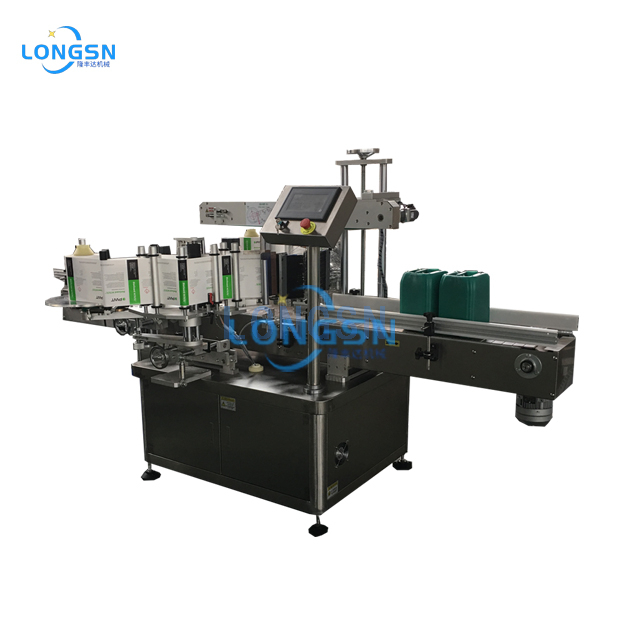
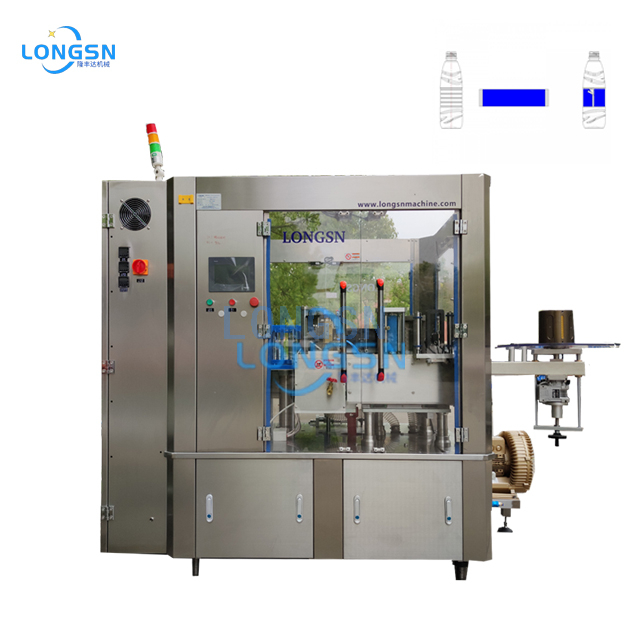
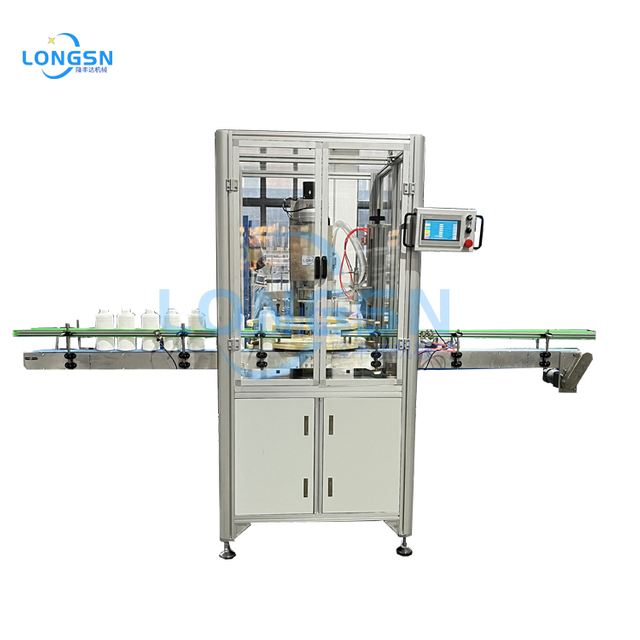
Inefficient labeling disrupts operations and causes massive headaches on the factory floor. Unreliable equipment creates severe production bottlenecks during crucial operating shifts. You end up wasting expensive materials and ruining your retail presentation. Buying an Automatic Bottle labeling machine represents a major capital expenditure. You must carefully align mechanical capabilities alongside your facility's daily realities. A poor choice leads to continuous downtime and frustrated operators. Conversely, the right system drives profitability and smooths daily workflows.
This guide skips generic marketing fluff entirely. We offer a rigorous, engineering-focused framework to evaluate and shortlist equipment. You will learn exactly how to integrate the perfect labeling solution into your unique production line. By understanding container geometry, sensor technology, and integration constraints, you can make a highly confident purchasing decision.
Key Takeaways
- Throughput vs. Reality: Evaluate machine speed (Bottles Per Minute) based on your line's actual upstream and downstream constraints, not theoretical maximums.
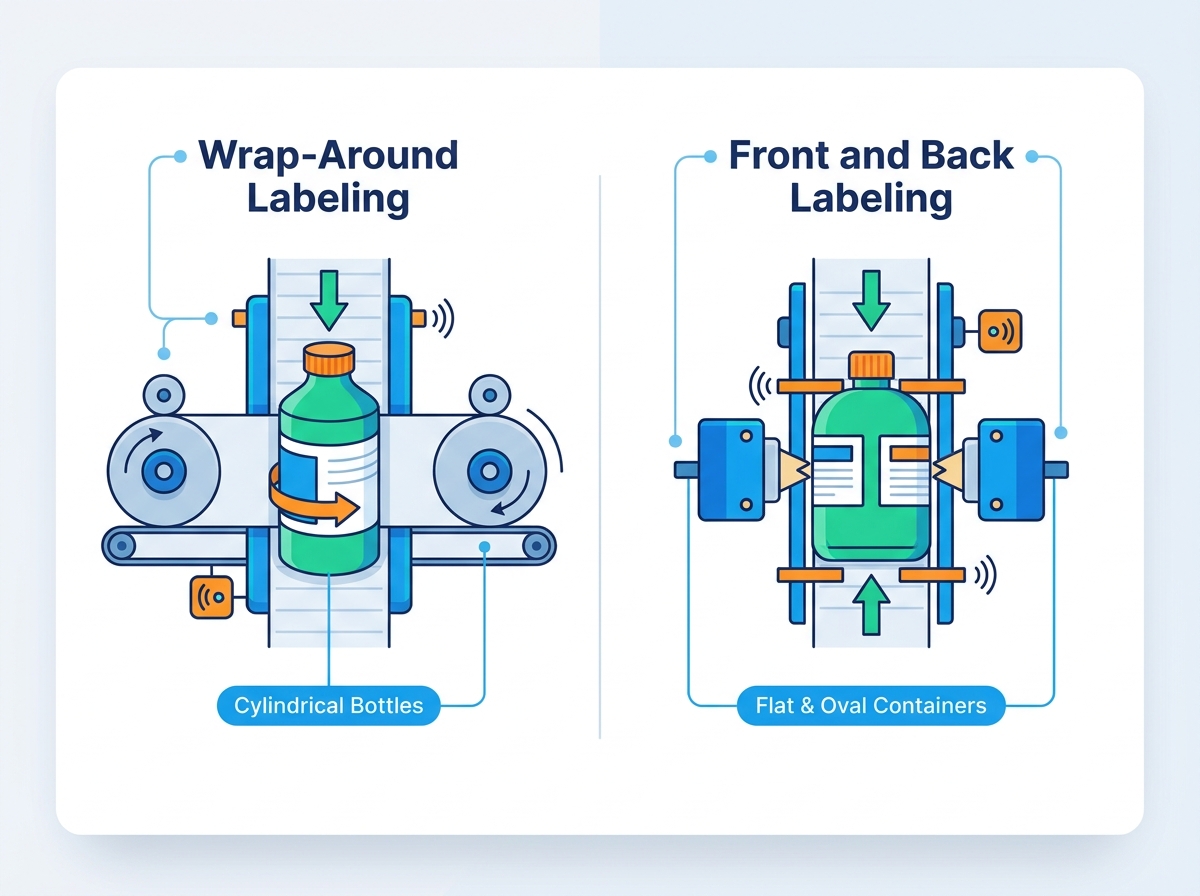
- Geometry Dictates Equipment: The shape of your containers (cylindrical, oval, flat) strictly determines the required labeling mechanism (wrap-around vs. front/back).
- Changeover is a Hidden Cost: For multi-SKU facilities, tool-less changeovers and recipe-saving PLCs are critical for maintaining OEE (Overall Equipment Effectiveness).
- Validation is Mandatory: Never purchase without a Factory Acceptance Test (FAT) using your exact bottles and label stock.
Defining Your Core Production Requirements
Start by framing your exact business problem accurately. You must audit current bottlenecks across your entire facility floor. Are you losing valuable production time during manual label application? Perhaps your current semi-auto machine fails repeatedly during high-demand shifts. It might struggle to keep pace behind a newly installed liquid filler. Identify the root cause before looking at new equipment options.
Next, calculate your required Bottles Per Minute (BPM). This specific metric dictates your entire mechanical equipment strategy. You should factor in a 15-20% buffer for safety. This buffer easily accommodates future scalability and seasonal volume spikes. However, avoid over-specifying your speed requirements during the planning phase. Unrealistic speed targets inflate capital costs unnecessarily and overcomplicate the machinery.
Container geometry and material play massive roles in machine selection. You must document all bottle shapes meticulously before contacting vendors. Cylindrical, square, oval, and tapered designs demand entirely different approaches. Materials like glass, PET, and HDPE behave differently under pressure. Tapered bottles, for instance, require specialized angled peel plates. These plates prevent the label from skewing during rapid application.
Finally, define your precise label specifications clearly. Outline label dimensions and exact placement rules for the container. Differentiate between paper and synthetic film materials carefully. Note if you use opaque or clear labels. Clear labels fundamentally change your sensor selection process. Standard optical sensors simply cannot read transparent materials properly.
Best Practices for Defining Requirements
- Consult your line operators regarding current jamming points.
- Measure bottle dimensions using digital calipers for exact accuracy.
- Calculate BPM based on continuous run time, avoiding peak burst rates.
Categorizing Automatic Bottle Labeling Machines
Wrap-around labelers represent the industry standard for cylindrical bottles. You must evaluate the core application mechanism closely. Roller-based systems typically deliver much higher accuracy overall. They trap the bottle securely during the application process. Belt-based systems, conversely, offer higher continuous operational speeds. They sacrifice a tiny margin of placement precision for volume.
Front and back labelers handle complex shapes effectively. They are absolutely necessary for flat, oval, or rectangular containers. Focus heavily on the alignment modules when evaluating these systems. You will usually see timing belts or feed screws utilized. These mechanisms must square the bottle perfectly before application. Improper alignment guarantees crooked labels and massive product rejection rates.
Top and bottom labelers suit highly specific packaging styles. Use them for jars, clamshells, or specialized flat containers. Assess the conveyor gap transitions closely during equipment demonstrations. The product must remain completely stable as it crosses gaps. Any vibration disrupts the labeling accuracy immediately.
Shrink sleeve applicators offer stunning 360-degree branding opportunities. They also provide tamper-evident neck bands for consumer safety. Note the structural requirements for these specialized systems carefully. They require an integrated heat or steam tunnel. This addition increases the physical footprint significantly. It also introduces a massive energy draw to your line.
Primary Machine Categories Comparison
| Machine Category | Ideal Container Geometry | Core Alignment Mechanism | Typical Speed Profile |
| Wrap-Around Labeler | Strictly Cylindrical | Roller or Wrap Belt | Medium to High |
| Front and Back Labeler | Oval, Flat, Rectangular | Feed Screws / Timing Belts | Medium |
| Top and Bottom Labeler | Jars, Clamshells, Cartons | Split Conveyor Gaps | Low to Medium |
| Shrink Sleeve Applicator | Complex curves, Full-body | Mandrel Drop + Heat Tunnel | High |
Key Evaluation Dimensions for Decision Makers
Sensor technology dictates daily application accuracy directly. Standard photoelectric sensors fail constantly on clear-on-clear applications. They cannot detect a transparent label backing reliably. Specify ultrasonic or capacitive sensors if using transparent labels. These advanced sensors detect physical thickness changes instantly. Look for strict application tolerances of ±1mm for professional results.
Control systems require close scrutiny before purchase. Evaluate the Programmable Logic Controller (PLC) and Human Machine Interface (HMI). Can the system store multiple product recipes natively? Recipe storage automates tension and speed settings instantly. This feature drastically reduces operator error during changeovers. It proves especially vital during fast shift changes.
Build quality directly impacts longevity and regulatory compliance. Demand 304 or 316 stainless steel construction exclusively. Aluminum parts degrade quickly in harsh industrial environments. If operating in food, beverage, or pharmaceuticals, verify environmental ratings. Ensure washdown ratings meet IP65+ standards or higher. Confirm strict GMP and FDA compliance standards as well.
Drive mechanisms control your application speed and placement precision. Compare stepper motors against servo motors carefully. Stepper motors act as highly cost-effective solutions. They suit moderate speeds perfectly for smaller facilities. Servo motors deliver significantly higher precision and torque. You absolutely need servos for high-speed, continuous-duty lines.
Common Mistakes During Evaluation
- Ignoring the ambient facility environment, such as high humidity affecting sensors.
- Accepting proprietary PLC software instead of open-architecture systems.
- Underestimating the torque required to pull heavy, large-diameter label rolls.
Implementation Considerations and Risks
Changeover efficiency acts as a major daily productivity driver. High SKU counts demand tool-less adjustments everywhere. Operators should never need hand tools during a changeover process. We strongly recommend requiring scaled rulers and digital position indicators. These simple components ensure highly repeatable setups every single time. Repeatability minimizes material scrap during initial test runs.
Here are crucial steps to ensure smooth changeovers:
- Store all container parameters digitally in the PLC memory.
- Color-code adjustment handles clearly for different bottle sizes.
- Train shift supervisors on rapid calibration techniques monthly.
- Maintain a standardized changeover checklist near the operator station.
Line integration requires precise physical and digital coordination. You must assess the physical equipment footprint carefully. Verify conveyor height compatibility across your entire facility layout. Ensure the machine PLC can perform essential handshake signals. These digital signals communicate directly downstream and upstream. They tell existing fillers and cappers to pause automatically. Proper communication prevents disastrous product pile-ups and limits line jams.
Avoid isolated equipment islands. Your new machine must talk seamlessly to existing conveyor systems. Demand detailed wiring diagrams before finalizing the purchase. Review them alongside your internal maintenance technicians. Their early buy-in prevents installation delays later.
Shortlisting Logic and Next-Step Actions
Physical sample testing separates reliable vendors from amateurs. Eliminate vendors unwilling to run rigorous proof-of-concept tests. Send your most difficult bottles directly to the manufacturer. Include your exact label rolls from your current supplier. Request an unedited, continuous video of the test run. Edited videos often hide jamming issues or sensor faults.
Factory Acceptance Testing (FAT) protects your investment completely. Draft a crystal-clear FAT protocol beforehand. Establish acceptable error rates explicitly in the contract. Define mandatory speed benchmarks and continuous run-time requirements. You must witness these metrics achieved successfully in person. Do this before the machine ever leaves the vendor's floor.
A robust FAT protocol should include:
- A continuous 60-minute run using the most difficult container.
- A simulated power failure to test recovery protocols.
- A full changeover performed by your own visiting operator.
- Verification of all safety interlocks and emergency stops.
Warranty and operator training determine your long-term success. Scrutinize the warranty terms line by line. Distinguish between spare parts coverage and on-site labor coverage. Ensure the vendor provides comprehensive on-site training. This training must cover your dedicated maintenance team extensively. Do not limit training strictly to front-line operators.
Conclusion
Choosing the ideal Automatic Bottle labeling machine requires strict strategic balance. You must weigh immediate throughput needs against long-term operational flexibility. Seamless line integration remains just as critical as raw application speed. Prioritize robust sensors, recipe-driven controls, and tool-less changeover capabilities.
Take definitive action today to secure your production future. Compile a detailed specification sheet immediately. Document your current bottle dimensions and specific label materials. Pinpoint your target production volume accurately. Present these concrete metrics clearly before contacting equipment manufacturers. This thorough preparation ensures you receive accurate quotes and highly capable machinery.
FAQ
Q: When is the right time to upgrade from a semi-automatic to an automatic bottle labeling machine?
A: Upgrade typically when production exceeds 30-40 Bottles Per Minute (BPM). You should also upgrade when labor costs for manual labeling outweigh the monthly financing cost of automated equipment. Automation drastically reduces human error and stabilizes daily output.
Q: Can one automatic labeling machine handle both cylindrical and flat bottles?
A: Yes, combination machines exist. The industry calls them front/back/wrap labelers. They handle multiple geometries easily. However, they require a larger footprint, higher initial investment, and much more complex changeover procedures.
Q: How do automatic labelers handle clear labels on glass or plastic bottles?
A: Standard optical sensors cannot see clear labels on a clear web. The machine must use ultrasonic or capacitive sensors. These advanced sensors detect the physical thickness of the label edge, ensuring precise placement.
Q: What is a realistic changeover time between different bottle sizes?
A: A trained operator should complete a standard changeover in 5 to 15 minutes. This assumes a modern, tool-less machine featuring digital recipe storage. Highly complex lines or combination machines may take up to 30 minutes.

 English