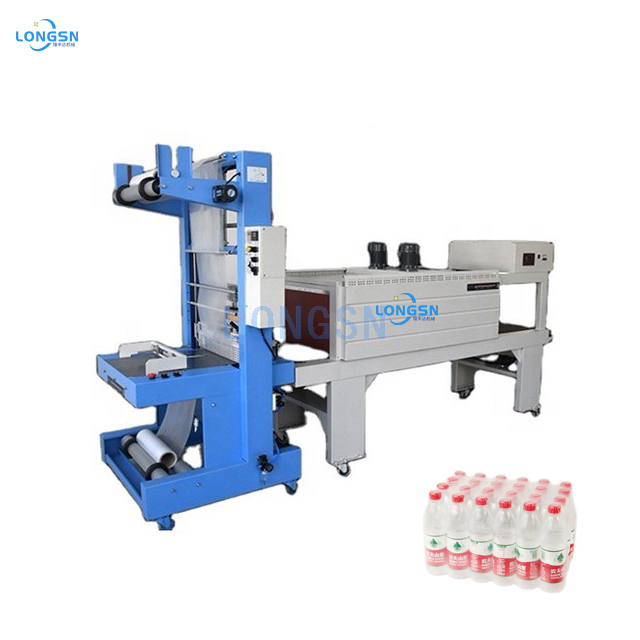
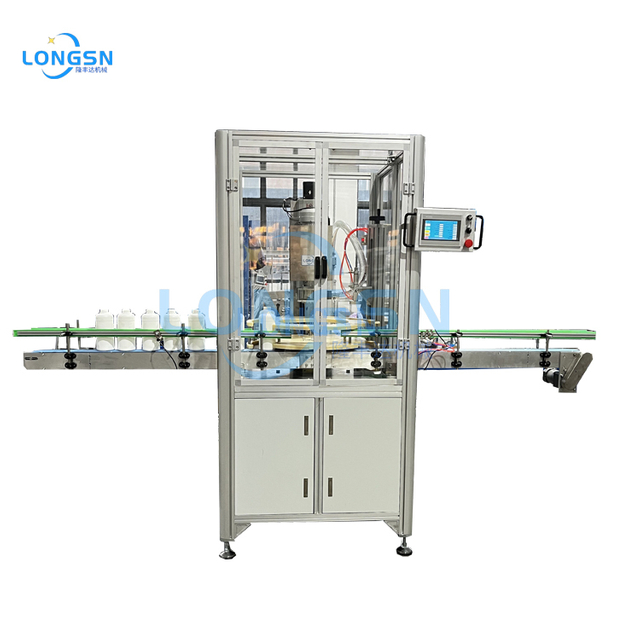
The true financial impact of packaging automation extends far beyond the initial equipment invoice. This reality makes direct comparisons complex for procurement teams evaluating a Shrink Wrapping Machine. Buyers frequently fixate on upfront capital expenditure while underestimating consumable burn rates, maintenance intervals, and integration downtime. These oversights often lead to misaligned returns on investment and operational bottlenecks in a rapidly expanding global market. Understanding the complete financial picture requires looking past the sticker value. You must analyze hidden operational drivers, consumable usage rates, and long-term maintenance needs. A comprehensive breakdown of equipment tiers and ongoing expenses helps facilities accurately evaluate their packaging investments and avoid costly implementation mistakes.
- Entry-level manual systems serve low-volume needs, while fully automated enterprise systems handle high throughput depending on custom change-parts.
- Consumables represent the largest ongoing operational expense; shrink film costs scale based on high-volume operations.
- Total operational expenses must account for facility power upgrades (e.g., 3-phase power for tunnels), labor reduction, and maintenance kits which add to size changeover budgets.
- Selecting the right machine requires balancing current volume requirements (Packages Per Minute) with future scalability to avoid premature equipment obsolescence.
Understanding the Baseline: Equipment Budget Tiers
Entry-Level Manual Systems
Manual packaging setups serve low-volume, small-batch operations processing minimal units per day. These configurations typically include I-bar sealers, basic heat guns, and small all-in-one chamber units. While they require minimal upfront capital, their financial limitations quickly become apparent during production spikes. They rely entirely on manual labor, which introduces human error into the packaging process. Inconsistent seal quality leads to higher reject rates, wasted film, and severe throughput limitations that can stall fulfillment schedules. Operators must manually pull the film over the product, depress the sealing bar, and then move the package to a heating element. This repetitive motion not only slows down the entire line but also introduces significant ergonomic risks for the workforce. When evaluating these entry-level options, facility managers must weigh the immediate capital savings against the long-term operational drag caused by manual dependency.
Furthermore, the maintenance on these smaller units, while generally straightforward, can become a nuisance if the equipment is pushed beyond its intended duty cycle. Sealing wires snap, Teflon tape wears out rapidly, and the internal relays in budget heat guns frequently fail under continuous use. Facilities often find themselves replacing these manual units entirely rather than repairing them, creating a cycle of disposable equipment that ultimately inflates the long-term operational budget. The lack of standardized output means that the final presentation of the product can vary wildly from one package to the next, which is unacceptable for retail-facing items requiring a pristine, uniform appearance.
Mid-Tier Semi-Automatic Machines
Growing production lines require standardized packaging for hundreds of units daily. Semi-automatic equipment bridges the gap between manual labor and full automation. These setups often feature L-bar sealers with magnetic hold-downs, paired with standalone heating tunnels. The primary value drivers include standardized seal integrity and a significant reduction in operator fatigue. They offer a moderate facility footprint without requiring complex programmable logic controller integration. Facilities benefit from consistent output while keeping initial capital expenditures manageable. The operator still manually inserts the product into the film web and moves it into the sealing area, but the machine takes over the actual sealing and shrinking process. The magnetic hold-down ensures consistent pressure and dwell time, resulting in a uniform seal that manual operation simply cannot replicate.
Integrating a standalone heating tunnel is where the semi-automatic tier truly shines. These tunnels provide a consistent, 360-degree heat application that shrinks the film evenly around the product. This eliminates the dog-ears and uneven shrinking commonly associated with manual heat guns. However, facilities must prepare for the increased electrical load. These tunnels require dedicated circuits and draw significant amperage to maintain their internal temperatures. The transition to semi-automatic machinery also introduces the need for more structured maintenance protocols. Conveyor belts inside the tunnels need regular tensioning, and the heating elements must be inspected for uneven wear to prevent cold spots that could compromise the shrink quality.
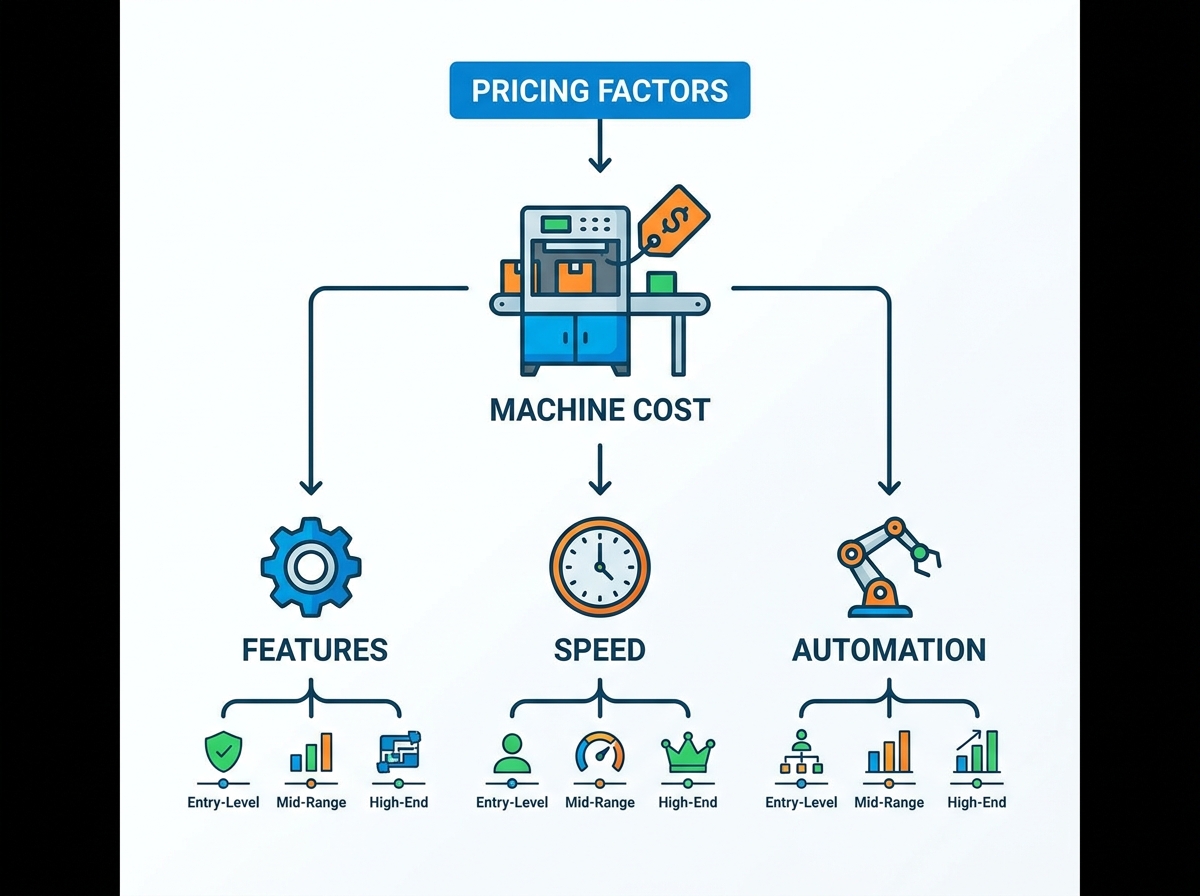
Enterprise Fully Automatic Systems
High-speed, continuous manufacturing environments demand fully automated solutions. Equipment in this tier includes automatic L-sealers, continuous motion side sealers, and high-speed heating tunnels. The financial drivers here involve conveyor integration, advanced logic controllers, automated product feeding mechanisms, and strict safety guarding. While the initial investment is substantial, these systems drastically reduce per-unit labor expenses. They operate continuously, integrating seamlessly with upstream filling equipment and downstream palletizing operations. A continuous motion side sealer, for example, never stops the product flow to make a seal. Instead, the sealing head moves in tandem with the product, allowing for infinitely long items and incredibly high throughput rates.
The engineering behind these enterprise systems is highly sophisticated. They utilize servo motors for precise control over the film feed and sealing jaws, ensuring that every package is wrapped with exact tolerances. This precision minimizes film waste, which translates to massive material savings over a high-volume production run. The programmable logic controllers allow operators to save specific recipes for different product sizes, making changeovers a matter of pressing a button rather than manually adjusting mechanical stops and sensors. However, this level of automation requires a highly skilled maintenance team. Troubleshooting a servo drive fault or a PLC communication error is vastly different from replacing a snapped sealing wire on a manual machine.
Core Factors That Influence Equipment Investments
Throughput and Speed Requirements
Packages Per Minute targets dictate the mechanical requirements of your packaging line. Higher speed requirements necessitate larger motors, increased heating element capacity, and advanced automation features. Upgrading from a basic semi-automatic system to a continuous motion setup introduces an exponential curve in capital requirements. High-speed systems require precision timing, robust conveyor belts, and heavy-duty components to withstand continuous daily operation without breaking down. When a line is running at high speeds, even a minor misalignment can cause catastrophic jams, leading to significant downtime and wasted materials.
To maintain these high speeds, the equipment must feature advanced film delivery systems. Power film unwinders and dancer rollers maintain consistent tension on the film web, preventing it from snapping or stretching unevenly as it is pulled into the sealing area. The heating tunnels must also be sized appropriately. A product moving at high speeds spends less time inside the tunnel, meaning the tunnel must be longer or operate at higher temperatures to achieve the desired shrink. This increased thermal capacity requires robust insulation and heavy-duty blowers to circulate the hot air effectively, all of which add to the overall footprint and energy requirements of the system.
Product Dimensions and Change-Parts
Product size variability directly impacts machine footprint and tunnel opening dimensions. Larger tunnel apertures require more energy to maintain consistent temperatures and necessitate larger structural frames. Versatility comes with a premium. Each fully tested size changeover setup adds significant capital requirements to the base machine. Contract packagers handling high-variety, multi-product runs must invest in tooling-free, quick-changeover technology. This increases the initial expenditure but significantly lowers ongoing labor expenses during product changeovers. When a facility processes everything from small cosmetic boxes to large industrial bundles, the machinery must adapt quickly to maintain operational efficiency.
Custom change-parts, such as specific infeed guides, forming plows, and seal jaw inserts, must be engineered for each unique product profile. Storing and organizing these parts requires dedicated space and meticulous inventory management. If a change-part is damaged or lost, the entire line can be shut down until a replacement is fabricated. Therefore, investing in machinery with adjustable, universal components—where hand cranks and digital readouts replace physical change-parts—often proves more economical in the long run for facilities with highly diverse product mixes.
Material Compatibility and Sealing Technology
Different sealing mechanisms, such as hot knife versus hot wire, impact upfront investments, maintenance frequency, and overall seal strength. Machine adaptations required for specific films also dictate hardware configurations. Heavy-duty polyethylene used for industrial bundle wrapping requires different seal jaw configurations and tunnel heat distribution profiles compared to polyolefin or PVC used for retail display packaging. Matching the machine's sealing technology to your specific material ensures optimal yield and reduces equipment wear. A hot knife system, which uses a solid, heated blade to cut and seal the film, is generally more durable and better suited for thicker films than a hot wire system.
The choice of film also dictates the ventilation requirements of the facility. PVC films, for example, can release corrosive gases when heated, requiring specialized exhaust systems to protect both the operators and the machinery itself. Polyolefin films are generally cleaner and more versatile, but they require precise temperature control to shrink evenly without burning. Understanding the thermal properties of your chosen material is critical when specifying the heating tunnel. The tunnel must provide the correct balance of temperature, air velocity, and dwell time to achieve a tight, wrinkle-free wrap without damaging the enclosed product.
Calculating Ongoing Operational Expenses
Consumables: The Ongoing Expense of Shrink Film
Film usage represents a massive ongoing operational expense. Estimating film consumption involves calculating the width multiplied by the material rate per inch. Enterprise-level purchasing can scale down the per-unit material expense, but facilities must weigh financial trade-offs carefully. Budget films often result in higher reject rates, frequent machine jams, and poor optical clarity. Premium films provide better yield, require less maintenance, and offer stronger retail appeal, ultimately lowering the long-term operational burden. The gauge, or thickness, of the film also plays a crucial role. Thicker films offer better protection but yield fewer packages per roll, increasing the frequency of roll changes and the associated downtime.
Facilities must also account for the scrap generated during the sealing process. Most L-bar and side sealers trim a small amount of excess film to create a clean edge. This scrap must be collected and, ideally, recycled. Automated scrap winders are essential for high-speed lines, as manual scrap collection is impossible at high throughput rates. The efficiency of the sealing head directly impacts the amount of scrap generated. A poorly adjusted sealing jaw will require a wider trim margin, wasting valuable material with every cycle. Regular calibration of the sealing mechanism is therefore a critical component of material cost management.
Labor and Operational Efficiency
Upgrading from manual processes to semi-automatic or fully automatic systems yields hard labor savings. You must calculate these savings by analyzing the reduction in required operator hours per shift. Hidden operational expenses often lurk in manual setups. These include operator training hours, potential ergonomic injuries from repetitive motions, and high staff turnover. Automation stabilizes these variables, providing predictable operational overhead and allowing facilities to reallocate labor to higher-value tasks. Instead of having three operators manually wrapping products, a fully automated line might require only one technician to monitor the equipment and load new rolls of film.
However, the shift to automation changes the skill profile required of the workforce. The operators must now understand how to navigate touchscreen interfaces, clear complex jams, and perform basic preventative maintenance. Investing in comprehensive training programs during the equipment commissioning phase is essential. If the operators do not understand how to optimize the machine settings for different products, the facility will never realize the full efficiency gains of the automated system. The equipment will run at suboptimal speeds, generate excessive scrap, and experience frequent faults.
Energy Consumption and Maintenance
Continuous-heat tunnels draw significant power. These requirements often necessitate facility electrical upgrades, such as installing 3-phase power lines. Routine maintenance budgeting is equally critical. Facilities must account for the regular replacement of Teflon tape, sealing wires, cutting blades, and high-temperature conveyor belts. Neglecting these maintenance schedules leads to catastrophic breakdowns and expensive emergency service calls. The heating elements inside the tunnel degrade over time and must be monitored for efficiency drops. If a heating bank fails, the tunnel will not reach the required temperature, resulting in poorly shrunk packages that must be reworked.
Establishing a rigorous preventative maintenance schedule is the only way to control these ongoing expenses. This includes daily cleaning of the sealing jaws to remove melted film residue, weekly lubrication of the conveyor chains, and monthly inspections of the electrical contactors. Many modern machines feature built-in diagnostic software that alerts operators to upcoming maintenance intervals based on cycle counts or run hours. Utilizing these features helps transition the maintenance strategy from reactive to proactive, significantly reducing unplanned downtime.
| Equipment Tier | Labor Dependency | Maintenance Frequency | Energy Consumption | Throughput Capacity |
| Manual Systems | High | Low | Low | Low |
| Semi-Automatic | Medium | Medium | Medium | Moderate |
| Fully Automatic | Low | High | High | Maximum |
Implementation Risks and Financial Mitigation Strategies
Facility Integration and Footprint Constraints
Assessing floor space requirements prevents unexpected facility modification expenses. Automated lines require adequate clearance for material loading, maintenance access, and operator safety. Integration challenges frequently arise when syncing the wrapper with upstream boxing and downstream palletizing equipment. Facilities must plan for accumulation conveyors and proper line balancing to prevent bottlenecks that negate the speed advantages of new packaging machinery. If the upstream filler goes down, the shrink wrapper must have enough accumulated product to continue running, or it must gracefully pause without burning the product currently inside the tunnel.
The physical layout of the facility often dictates the type of equipment that can be installed. A straight-line configuration is ideal, but space constraints may require the use of curved conveyors or right-angle transfers. These additions increase the complexity of the line and introduce new potential failure points. Furthermore, the ambient environment of the facility must be considered. High humidity or extreme temperature fluctuations can affect the performance of the shrink film and the sensitive electronics inside the machine's control panel. Climate-controlled enclosures may be necessary in harsh industrial environments.
Avoiding Over-Specification vs. Under-Buying
Purchasing a machine with excessive features or speed capacities that remain unused results in wasted capital. Conversely, under-buying creates an operational bottleneck. Purchasing equipment that barely meets current production volumes often results in premature equipment replacement within a short timeframe as production scales. Facilities must analyze historical growth data and project realistic future volumes to select equipment that offers scalable capacity without unnecessary bloat. A modular system that allows for future upgrades, such as adding an automatic infeed conveyor to a semi-automatic sealer, provides a flexible growth path.
It is also vital to consider the technical capabilities of the maintenance staff when specifying equipment. Buying a highly complex, servo-driven machine for a facility that lacks experienced technicians will result in prolonged downtime when issues arise. Sometimes, a simpler, mechanically driven machine is the better choice, even if it lacks the absolute highest speed capabilities. The goal is to find the intersection between production requirements, facility constraints, and the technical aptitude of the workforce.
Vendor Support, Warranties, and Spare Parts Availability
Evaluating the financial impact of original equipment manufacturer warranties versus third-party service contracts is critical. The true burden of equipment failure is the resulting downtime. Guaranteed local spare parts availability and responsive technical support justify a higher initial machine premium. Waiting weeks for proprietary replacement parts halts production, delays shipments, and damages client relationships. Prioritize vendors with robust domestic support networks. When evaluating a vendor, ask for their average response time for service calls and their first-time fix rate.
A comprehensive spare parts kit should always be purchased alongside the machine. This kit should include all high-wear items, such as sealing blades, Teflon tape, relays, and specific belts. Having these parts on the shelf allows the maintenance team to resolve common issues immediately, rather than waiting for overnight shipping. The vendor should also provide detailed, easy-to-understand documentation, including electrical schematics and exploded parts diagrams, to empower the internal maintenance team to handle routine repairs.
Conclusion
- Audit your current packaging bottlenecks and calculate exact daily volume requirements before evaluating equipment.
- Mandate test runs with actual product samples and your specific film type to verify seal integrity and throughput claims.
- Consult with a packaging engineer to map out floor space and plan for necessary electrical utility upgrades.
- Request itemized quotes that explicitly separate the base machine, custom change-parts, freight, and installation services.
- Establish a preventative maintenance schedule and procure a comprehensive spare parts kit prior to commissioning the new line.
FAQ
Q: How do I calculate the return on an automated shrink wrap system?
A: Calculate your current labor hours, material waste, and reject rates. Compare these figures against the projected output, reduced labor requirements, and improved material yield of the new automated system. Factor in energy consumption and routine maintenance to determine the payback period.
Q: What are the hidden operational expenses of a continuous shrink tunnel?
A: Continuous tunnels draw substantial electricity, often requiring facility power upgrades. Additional hidden expenses include the ambient heat introduced into the facility, which may increase HVAC cooling loads, and the frequent replacement of high-temperature conveyor belts.
Q: Can one machine handle multiple product sizes?
A: Yes, but it requires adjustable seal jaws, programmable logic controller recipes, and physical change-parts. Transitioning between vastly different sizes takes time and may require operators to manually swap components, which temporarily halts production.
Q: What is the difference between an L-bar sealer and a side sealer?
A: An L-bar sealer uses an L-shaped sealing mechanism to enclose the product, which limits the maximum length of the package. A continuous side sealer creates an uninterrupted seal along the length of the product, allowing for infinitely long items.
Q: Why do contract packagers require different machinery setups?
A: Contract packagers handle diverse product lines for multiple clients. They require highly versatile machinery with tooling-free, rapid changeover capabilities to switch between different package sizes quickly, minimizing downtime between client runs.
Q: How does film type affect machine selection?
A: Different films require specific heat profiles and sealing technologies. Heavy polyethylene needs robust hot knife sealers and high-capacity heating tunnels, while thinner polyolefin works well with standard hot wire sealers and lower tunnel temperatures.

 English