Understanding the thermodynamics and mechanical operations of polymer forming proves critical when evaluating capital expenditure options. Facility leaders must make informed equipment decisions to ensure operational success and maintain competitive production cycles. Our core objective involves transitioning from a basic understanding of polymer inflation to evaluating precise machine specifications. We must analyze production efficiency metrics and facility integration needs thoroughly. You will learn how to align mechanical capabilities with specific production outcomes while mitigating implementation risks. First, we must establish a clear baseline definition. Blow moulding serves as a primary manufacturing process for forming hollow plastic parts. These parts range from tiny medical vials to massive industrial drums. By deeply exploring the underlying machine mechanics, you can apply sound procurement logic to future equipment upgrades. Selecting the right machinery directly impacts output quality, material efficiency, and overall manufacturing scale. Your facility depends on optimal machinery to reduce waste and maximize throughput.
Key Takeaways
- Three-Phase Operation: Every blow moulding machine relies on a strict sequence of plasticization (melting), parison/preform formation, and pressurized inflation.
- Technology Variants Match Applications: Extrusion (EBM), Injection (IBM), and Stretch (SBM) machines serve distinct unit economics, material requirements, and compliance standards.
- Tooling and Cycle Times Dictate ROI: Machine profitability hinges on cooling efficiency, mold precision, and automated flash removal capabilities.
- Infrastructure Demands: High-tonnage equipment requires specific facility prerequisites, including robust chilled water systems and high-pressure compressed air lines.
The Fundamental Process: Operating Mechanics of a Blow Moulding Machine
Operating a Blow Moulding Machine requires executing a precise thermodynamic cycle. You must manage heat, pressure, and mechanical force in sequence. Every machine operates on a similar foundational logic.
- Plasticization and Extrusion: The process begins directly at the material hopper. Gravity feeds raw polymer resin pellets into a heavily heated barrel. A rotating screw shears and melts the material continuously. This mechanical action ensures uniform melting temperatures across the polymer matrix. It also maintains a consistent melt flow index. Proper plasticization prevents un-melted resin chunks from ruining final container walls.
- Parison or Preform Generation: A programmable logic controller (PLC) governs this highly sensitive phase. The machine extrudes a parison, which is a hollow tube of hot plastic. Alternatively, it injects a solid preform depending on the technology used. Parison programming precisely controls the wall thickness during extrusion. This dynamic adjustment prevents structural weak spots in the final container. It significantly reduces material waste by placing plastic only where required.
- Clamping and Inflation: A mechanical or hydraulic clamping unit secures a chilled mold tightly around the hot plastic. The machine then inserts a calibrated blow pin into the opening. High-pressure compressed air rapidly enters the cavity. This sudden pressure forces the pliable polymer outward against the metal mold walls. The plastic takes the exact final shape of the machined cavity.
- Cooling and Ejection: Thermodynamics dictate the crucial cooling phase. Chilled water circulates rapidly through integrated channels within the mold block. The metal absorbs heat from the plastic and solidifies the part quickly. Finally, automated ejection systems push the rigid component out of the machine. In-line deflashing mechanisms trim away excess scrap material automatically. They prepare the bottle for final packaging or filling.
Categorizing Equipment: Extrusion, Injection, and Stretch Configurations
Selecting the correct technology depends heavily on the intended application. We classify equipment into three distinct categories. They each offer unique advantages and specific engineering trade-offs.
Extrusion Blow Moulding (EBM) extrudes a continuous or intermittent parison directly into the mold cavity. This approach works exceptionally well for high-volume production of diverse, complex shapes. Common applications include intricate automotive air ducts and large chemical containers. It provides significant flexibility regarding resin types. You can process high-density polyethylene and polypropylene easily. However, EBM inherently generates scrap known as flash. You must trim the tail and neck flash continuously. Facilities recycle this excess material back into the hopper during production.
Injection Blow Moulding (IBM) uses a highly precise two-step localized approach. The machine first injects molten polymer onto a core pin to create a solid preform. A rotating transfer mechanism moves this preform directly to a separate blowing station. IBM proves ideal for small, high-precision vessels. Medical manufacturers rely on it for sterile vials. Cosmetic brands use it for small bottles requiring strict compliance tolerances. It offers a completely flash-free process, meaning zero scrap generation. The main trade-offs include much higher tooling investments. It also limits manufacturers strictly to smaller container sizes due to preform transfer weight limits.
Stretch Blow Moulding (SBM) introduces biaxial orientation to achieve maximum material strength. It uses a previously molded preform. The machine heats this preform and stretches it axially using a mechanical stretch rod. Simultaneously, high-pressure air expands it radially. SBM excels at producing high-clarity applications. We see it constantly used for PET water and carbonated beverage bottles. This method requires highly controlled infrared heating zones to soften the plastic evenly. Uneven heating causes the bottle to burst during the stretching phase. The biaxial stretching aligns the polymer chains structurally. This alignment creates exceptional drop-impact resistance.
| Technology | Core Mechanism | Best For | Key Trade-Offs |
| Extrusion (EBM) | Direct parison extrusion into mold | Large, complex shapes (auto ducts, jerrycans) | Generates flash scrap; high resin flexibility |
| Injection (IBM) | Injected preform transferred to blow station | Small, precise vessels (medical vials, cosmetics) | Flash-free (zero scrap); limited to small sizes |
| Stretch (SBM) | Preform stretched axially and radially | High-clarity, strong bottles (PET beverages) | Requires precise heating zones; biaxial strength |
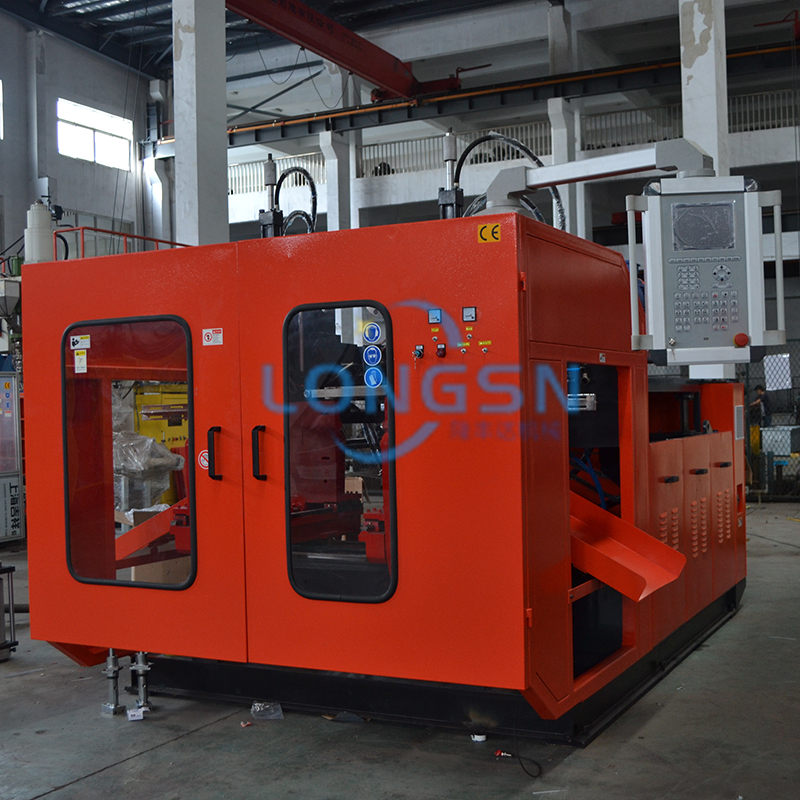
Performance and Evaluation Dimensions for Production Scalability
Scaling production requires a rigorous evaluation of machine performance metrics. We must match specific mechanical capabilities to facility output goals. Equipment buyers often overlook critical specifications during the initial selection phase.
Clamping force and machine tonnage demand careful calculation before procurement. You must match the required tonnage directly to the projected part size. You also must consider the specific resin stiffness. Insufficient clamping force allows the mold halves to separate slightly during high-pressure inflation. This micro-separation causes severe flashing and structural seam defects. Over-specifying tonnage leads to unnecessary daily energy consumption. It also forces you to accommodate excessive footprint requirements on the factory floor.
Extruder capacity relies heavily on the length-to-diameter (L/D) ratio of the primary screw. Evaluating this ratio thoroughly ensures optimal melt homogeneity. A longer screw provides significantly more shear and mixing action inside the barrel. However, excessive length can degrade heat-sensitive polymers. The extra friction creates unwanted sheer heat. Engineers must balance the L/D ratio carefully. They need to achieve thorough plasticization without risking chemical polymer degradation.
Energy efficiency heavily influences long-term operational viability. Traditional hydraulic drive systems provide massive, reliable force for heavy molds. Unfortunately, they consume immense amounts of baseline electricity. They also require substantial cooling to prevent hydraulic fluid breakdown. Fully electric or hybrid servo-driven machines offer compelling modern alternatives. Servo systems draw power only when actively moving a machine axis. This targeted energy use dramatically reduces baseline utility consumption. It provides a cleaner, quieter production environment.
Control systems and automation form the central nervous system of modern production. You absolutely need closed-loop PLC systems for reliable, repeatable parison control. These advanced systems monitor container wall thickness in real time. They track defect rates continuously across hundreds of cycles. Advanced PLCs integrate seamlessly with downstream automated packaging lines. This connectivity ensures uninterrupted manufacturing workflows and immediate fault diagnostics.
Implementation Realities: Tooling, Infrastructure, and Risk Mitigation
Deploying high-tonnage equipment involves substantial operational planning. Facility managers must address tooling logistics, physical infrastructure, and inherent production risks. Preparing the factory floor requires months of advanced engineering coordination.
Mold Design and Tooling Economics
Mold design dictates final part quality and cycle efficiency. Traditional tooling relies on CNC-machined aluminum or hardened steel molds. Steel offers unmatched durability for incredibly long production runs. Aluminum provides superior heat transfer capabilities. Fast heat transfer reduces cooling cycle times drastically.
Best Practice: Many advanced manufacturers now leverage 3D-printed rapid tooling for prototyping runs. Printing a composite mold allows you to validate part geometry before committing resources to permanent hard tooling. This proactive approach validates the design physically. It mitigates upfront engineering risks and prevents expensive mold rework.
Facility Infrastructure Requirements
Your facility must support the intense utility demands of polymer forming. A Blow Moulding Machine simply cannot operate without highly specific infrastructure upgrades.
- High-Volume Compressed Air: Ensure existing plant compressors can deliver the necessary cubic feet per minute (CFM). They must sustain high pressures without dropping during simultaneous blowing cycles.
- Industrial Chilling Systems: Evaluate water chilling capacities deeply. The thermodynamic cycle relies on massive volumes of chilled water to solidify parts quickly. Undersized chillers extend cycle times significantly and trap heat inside the mold.
- Power Distribution: Verify all electrical panels can handle the massive peak amperage draws. Heated extruder barrels and large drive motors spike power consumption during startup.
Operational Risks and Defect Management
Common Mistake: Inadequate cooling channel design often leads to extended cycle times and structural webbing. Webbing occurs when hot plastic folds over itself during inflation. Uneven wall distribution represents another frequent pitfall. If the parison sags excessively under its own weight, the final container will have a heavy bottom. It will suffer from thin, fragile shoulders prone to collapse under top-load pressure.
Mitigation requires strict adherence to preventative maintenance schedules. You must regularly clean blow pins. Inspect extruder screws for abrasive wear frequently. Operator training remains a crucial defense mechanism. Skilled technicians can adjust parison programming profiles seamlessly. They eliminate localized thinning and maintain consistent material distribution across the entire batch.
Shortlisting Logic: Aligning Machine Capabilities with Business Outcomes
Selecting the right equipment requires aligning technical specifications with organizational goals. You must evaluate external support networks and specific production strategies. This alignment guarantees smooth daily operations.
Vendor support and spare parts availability should heavily drive your shortlisting process. Evaluate the Original Equipment Manufacturer (OEM) service level agreements (SLAs) carefully. Investigate the domestic availability of critical spare components. A machine offline waiting for an imported extruder screw severely disrupts production schedules. Remote diagnostic capabilities also provide immense operational value. Vendors who can troubleshoot PLC software remotely minimize unnecessary service dispatches. They get your machine running in hours rather than days.
Volume versus flexibility trade-offs dictate the physical machine configuration you purchase. Job shops processing multiple different SKUs weekly require single-cavity, high-flexibility machines. These modular platforms enable rapid mold changeovers. They facilitate easy resin purging when switching colors. Conversely, continuous production environments demand multi-cavity, dedicated high-speed rotary systems. Rotary systems maximize raw unit output. However, they require extensive downtime to change product molds. You must decide which specific production model aligns perfectly with your operational targets.
Structuring a Request for Proposal (RFP) marks the critical next step for procurement. Your RFP must demand strict cycle time guarantees directly from the manufacturer. Require them to perform physical material trial runs. They should use your exact polymer grades and colorants. Witnessing a successful trial run ensures the equipment handles your required melt flow indices without issue. It validates their engineering claims before you sign the final purchase order.
Conclusion
Choosing optimal forming equipment requires balancing mechanical capabilities with commercial production realities. Facility leaders must align machine tonnage and extrusion rates directly with facility output demands. The right machinery scales seamlessly alongside product quality compliance standards. It must also respect existing utility infrastructure limits. Purchasing mismatched equipment creates daily operational bottlenecks.
To move forward effectively, consider these action-oriented next steps:
- Audit your current facility utility limits, specifically measuring compressed air CFM and industrial chiller capacity.
- Determine whether your business production model favors frequent rapid changeovers or dedicated, continuous high-volume output.
- Consult a specialized tooling engineer to evaluate the exact feasibility of 3D-printed prototype molds for new designs.
- Request formal capability trials and strict cycle time guarantees from all shortlisted equipment manufacturers.
FAQ
Q: What is the difference between single-stage and two-stage stretch blow moulding?
A: Single-stage machines handle the entire process internally. They melt the resin, inject the preform, and stretch-blow the final bottle on one continuous frame. Two-stage systems separate these steps. They reheat pre-purchased, cold preforms in a separate machine before stretching and blowing them. Two-stage systems typically offer higher production volumes.
Q: How does parison programming reduce material waste?
A: Parison programming utilizes a dynamic die gap to change the thickness of the extruded plastic tube as it drops. This allows you to place thicker material exactly where structurally necessary, like the bottle neck or base. It thins out the side walls, eliminating excess weight and saving raw resin.
Q: What utility upgrades are typically needed when installing a blow moulding machine?
A: Installations usually demand significant compressed air and cooling upgrades. You may need high-pressure compressors capable of delivering intense bursts of air without pressure drops. Additionally, industrial water chillers must be sized correctly to circulate high volumes of cold water through mold channels to maintain short cycle times.
Q: Can a single blow moulding machine handle multiple types of plastics?
A: Yes, but with strict limitations. Different resins like HDPE, PET, or PP require distinct melt temperatures and flow characteristics. Switching materials often requires installing a completely different extruder screw specifically designed for that polymer's shear rate. You must also adjust the barrel heating profiles to prevent material degradation.

 English