Filling a defective container is a production nightmare that cascades into significant financial losses. It is rarely about the single wasted unit; rather, it is about the contamination that follows. When a bottle leaks inside a high-speed filler, the resulting "wet belt" scenario forces unplanned downtime for emergency sanitation. This operational risk drives the strategic pivot from relying solely on end-of-line Container Closure Integrity Testing (CCIT) to validating the container before the product touches it. Manufacturers now prioritize pre-prevention to secure the filling process.
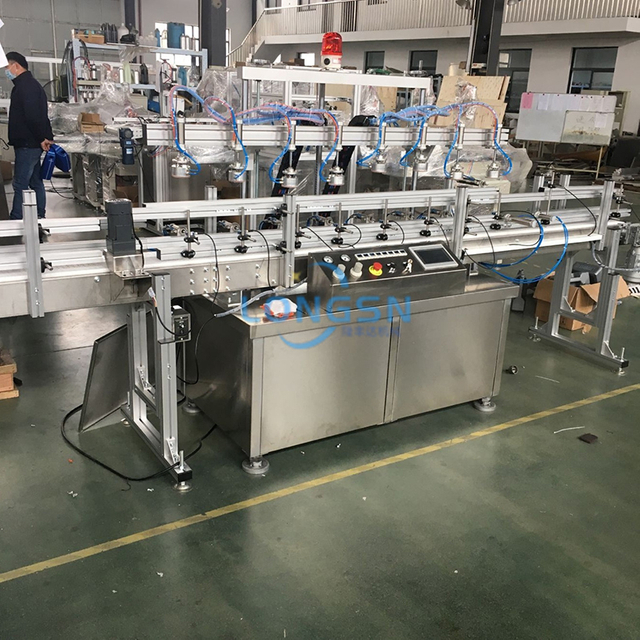
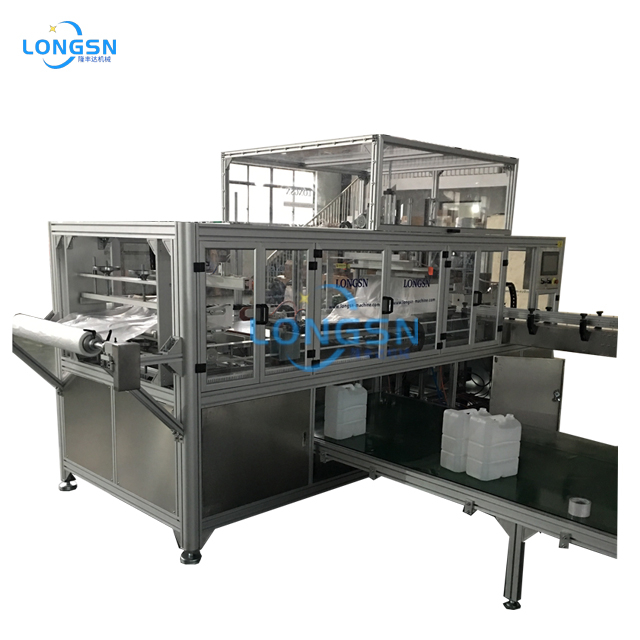
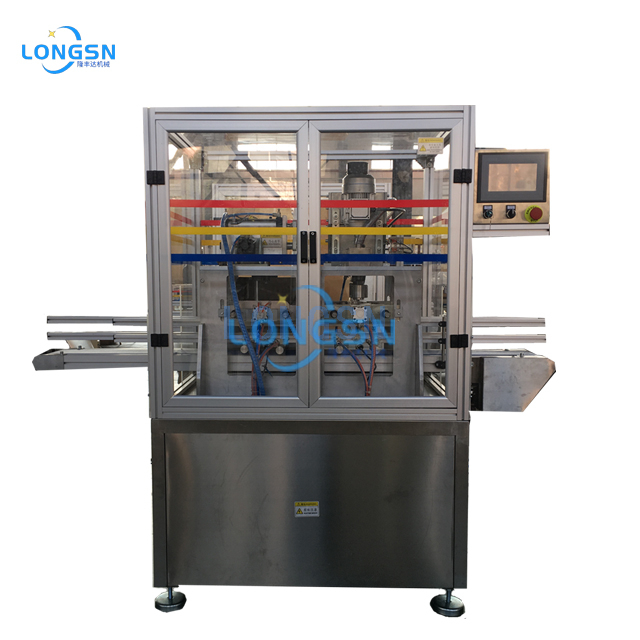
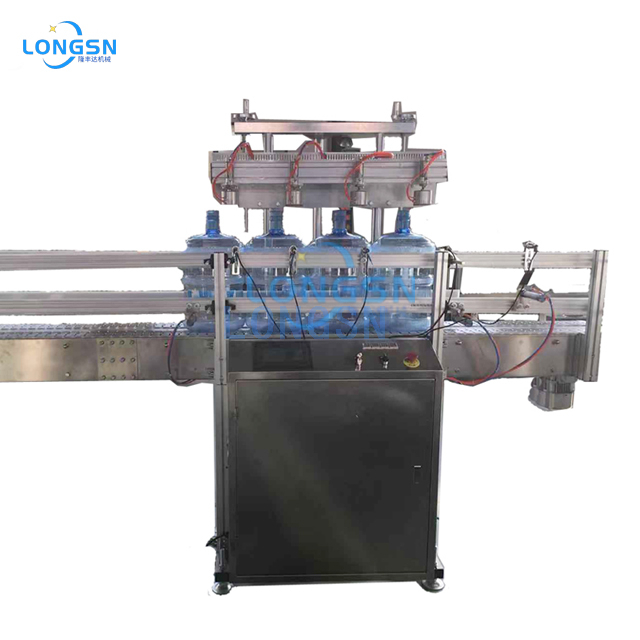
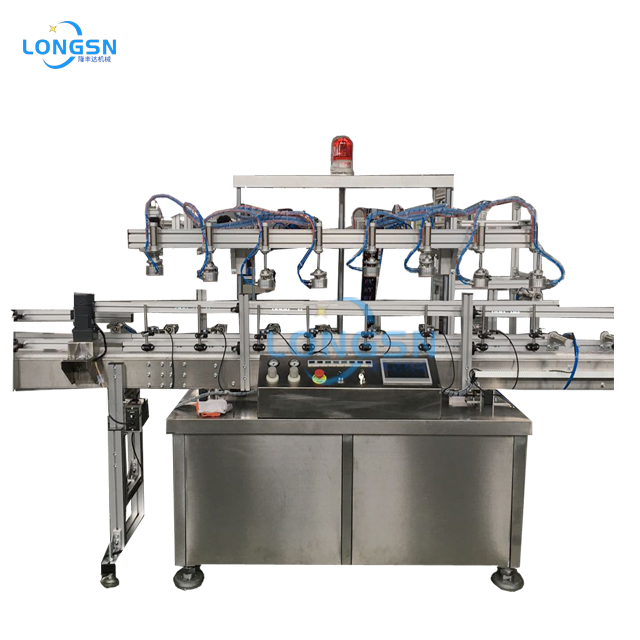
The Empty Bottle Leak Testing Machine serves as the critical quality gate located between the blow molder or depalletizer and the filler. It ensures that only structurally sound containers proceed to the value-add stage. This article serves as an evaluation guide for production directors and QA managers. We will explore how to select, validate, and integrate these essential inspection systems to protect your Overall Equipment Effectiveness (OEE) and product quality.
Key Takeaways
Prevention > Detection: Catching defects in empty bottles protects expensive active pharmaceutical ingredients (APIs) and high-value liquid products from wastage.
Technology Fit: Pressure Decay and Vacuum Decay are the dominant "Deterministic" methods for empty containers, replacing subjective visual checks.
Throughput Balance: Modern systems must balance detection sensitivity (hole size) with line speeds (Bottles Per Hour) to avoid becoming a bottleneck.
Regulatory Shift: How USP <1207> guidelines regarding deterministic data apply to the validation of empty containers.
The Business Case: Why Deploy an Empty Bottle Leak Testing Machine?
Investing in inspection equipment often requires a clear return on investment (ROI) calculation. For empty container inspection, the ROI is not just about quality assurance; it is about protecting the efficiency of the entire line. The cost of a single empty plastic bottle is negligible, but the cost of that bottle failing inside a sterile filler is astronomical.
Protecting Fill Line OEE (Overall Equipment Effectiveness)
The primary driver for installing an Empty Bottle Leak Testing Machine is the prevention of "squirters." A squirter occurs when a bottle with a sidewall crack or base hole enters the filling carousel. As the filler nozzle engages or the liquid enters under pressure, the product sprays out of the defect. This contaminates the filling valves, the star wheels, and the conveyor belts.
In pharmaceutical or aseptic food production, this contamination necessitates an immediate line stop. Operators must perform an emergency washdown and sterilization cycle. If your line runs at 30,000 bottles per hour, a 20-minute stoppage equates to 10,000 units of lost production. When you compare the compounding cost of downtime minutes against the price of an empty bottle, the business case for pre-filling validation becomes undeniable.
Material Conservation & Sustainability
Modern sustainability goals push manufacturers toward thinner packaging. The rise of recycled PET (rPET) introduces new challenges. rPET has different thermal properties and crystallization rates compared to virgin resin, making it more prone to stress cracking and pinholes during the blow-molding process.
Validating these lightweight containers before filling is essential for material conservation. In the pharmaceutical industry, disposing of filled product often involves hazardous waste protocols, which are expensive and complex. In the Fast-Moving Consumer Goods (FMCG) sector, food waste is a major metric for sustainability reporting. By rejecting a defective 15-gram bottle before it is filled, you save the 500ml of product that would have otherwise been processed, filled, and ultimately destroyed.
Risk Mitigation Strategy
Deploying inspection upstream reduces the burden on your final CCIT systems. Final inspection systems should focus on the seal quality—the interface between the cap and the bottle neck. If your final CCIT system is also catching structural bottle defects that should have been removed earlier, you are wasting processing capacity. Ensuring the primary packaging component is compliant before the closure is applied creates a robust "defense in depth" strategy, minimizing the risk of a recall due to compromised sterility or leakage in the market.
Core Technologies for Empty Container Inspection
The industry has moved away from random water bath checks toward 100% inline inspection. Two dominant technologies lead this space, each with distinct mechanisms and applications.
Pressure Decay Testing (The Industry Standard for Empties)
Pressure decay is the workhorse technology for checking rigid and semi-rigid plastic containers. It balances speed, cost, and reliability effectively for most applications.
Mechanism: The machine seals the empty bottle at the neck and pressurizes it with clean, dry air to a specific target level. After a stabilization period, the system isolates the air source and monitors the pressure within the bottle for a set time. Based on the ideal gas law ($$PV=nRT$$), any drop in pressure beyond a calculated threshold indicates air is escaping through a leak.
Pros:
High Speed: Capable of matching high-speed rotary fillers.
Non-Destructive: Tested bottles return to the line immediately.
Cost-Effective: Lower initial capital expenditure compared to vacuum systems for standard applications.
Cons: Sensitivity is volume-dependent. As the bottle volume increases, the pressure drop caused by a small hole becomes harder to detect quickly. It also requires a precise seal at the neck finish; if the test head leaks, the machine triggers a false reject.
Vacuum Decay Technology (ASTM F2338)
Vacuum decay operates on a similar principle but in reverse. This method is often preferred for specific high-stakes applications.
Mechanism: The system draws a vacuum inside or around the container. Sensors detect any rise in pressure within the test chamber, which would indicate air ingress from the atmosphere into the bottle (or vice versa depending on the setup).
Use Case: This is the preferred method for highly sensitive applications or containers that might deform under positive pressure. Unlike filled-container vacuum testing which looks for liquid vaporization, empty bottle vacuum testing focuses purely on wall and base structural integrity.
Comparison: Pressure vs. Vacuum Decay
| Feature | Pressure Decay | Vacuum Decay |
|---|
| Primary Application | Standard rigid plastics (PET, HDPE) | Flexible, semi-rigid, or high-sensitivity packs |
| Speed Potential | Very High (Rotary systems) | High |
| Stress on Container | Positive pressure expands walls | Negative pressure contracts/stabilizes |
| Cost | Moderate | High |
High-Voltage & Vision Hybrid Approaches
While High-Voltage Leak Detection (HVLD) is a gold standard for liquid-filled pharmaceutical vials, it relies on the conductivity of the liquid to complete a circuit. Therefore, it is generally unsuitable for empty plastic bottles. However, hybrid systems are gaining traction.
Vision systems often pair with air-based leak testers. While pressure decay finds the invisible holes, vision cameras inspect the "gross" defects that air testing might miss, such as opaque particles inside the bottle, damaged sealing surfaces (top trim issues), or ovality problems. Vision cannot reliably confirm a leak—a scratch might look like a crack but not penetrate the wall—but it acts as a complementary filter for cosmetic and dimensional quality.
Critical Evaluation Dimensions for Machine Selection
Selecting the right machine requires navigating a series of engineering trade-offs. You must define your quality limits clearly to avoid over-specifying or under-performing.
Sensitivity vs. Speed (The Trade-off Curve)
There is an immutable physical relationship between the size of the hole you want to find and the time it takes to find it. Detecting a 0.15mm micro-hole requires more test time than detecting a 0.5mm puncture.
For high-speed lines running 600+ bottles per minute (bpm), a linear indexing machine will likely fail to provide the necessary dwell time for a sensitive test. In these scenarios, a continuous motion rotary system is required. These machines have multiple test heads (often 20, 40, or more) that travel with the bottle, allowing for a longer test cycle without slowing down the primary conveyor.
Handling and Stability
The physical handling of the container is as important as the pneumatic test.
Bottle Control: Lightweight rPET bottles are fragile. If the machine grips them too tightly, they may crush or deform, changing the internal volume and skewing the pressure readings. If held too loosely, they may wobble, causing sealing failures at the test head.
Changeover Efficiency: Production lines rarely run a single SKU. Evaluators must assess the tooling requirements. Does changing from a 100ml format to a 500ml format require replacing heavy star wheels and guides? Tool-less changeovers with color-coded parts reduce downtime during format switches.
False Reject Rates
A high false reject rate is a hidden profit killer. If a machine is set to be hyper-sensitive but lacks environmental compensation, it may reject good bottles due to fluctuations in ambient temperature or barometric pressure. Modern systems include "Auto-Calibration" or reference port features that continuously adjust the baseline to distinguish true leaks from environmental noise. Rejecting 0.5% of good bottles on a high-volume line adds up to significant scrap costs over a year.
Regulatory Alignment: Moving to Deterministic Methods
The pharmaceutical and high-end food sectors are undergoing a regulatory shift driven largely by USP <1207>. This chapter of the United States Pharmacopeia mandates a move away from probabilistic methods toward deterministic methods.
Interpretation of USP <1207> for Empties
Historically, leak testing might have involved dunking a random sample of bottles in a water bath and looking for bubbles. This is a probabilistic method; it relies on human subjectivity and does not guarantee that the remaining untested bottles are secure. USP <1207> advocates for deterministic methods—tests that provide a quantitative, reproducible physical outcome (e.g., a specific pressure drop value in Pascals or millibars). Even for empty containers, validating with deterministic data provides the audit trail necessary to prove control over the packaging process.
Validation and Traceability
Implementing these systems requires rigorous qualification protocols (IQ/OQ/PQ).
LOD (Limit of Detection): You cannot simply claim the machine "finds leaks." You must scientifically establish a Limit of Detection. For example, validating that the system detects a 0.3mm defect with 99.9% probability/confidence.
Data Integrity: In regulated environments, the machine cannot be a black box. It must integrate with SCADA or MES systems. Data regarding batch counts, reject rates, and alarm logs must be recorded in compliance with 21 CFR Part 11 (Electronic Records).
Positive Controls: Validation is not a one-time event. Operations teams must use "Gold Standard" defective bottles—bottles with laser-drilled micro-holes of known sizes—to verify machine performance at the start and end of every shift.
TCO and Implementation Realities
Beyond the technical specifications, the Total Cost of Ownership (TCO) determines the long-term viability of the project.
Total Cost of Ownership Factors
CapEx (Capital Expenditure): Rotary machines are significantly more expensive than linear machines due to their complexity and moving parts. However, for speeds above 150-200 bpm, linear machines often become bottlenecks.
OpEx (Operational Expenditure): Energy consumption is a major factor. Pressure decay systems consume large volumes of compressed air. Leaks in the machine’s own pneumatic circuits can drive up energy bills. Furthermore, wear parts such as the elastomeric seals that mate with the bottle neck require regular replacement. The durability of these seals directly impacts maintenance intervals.
Integration Challenges
Space Constraints: Production floors are often crowded. Fitting a leak tester between the unscrambler/blow molder and the filler can be difficult. The unit requires enough conveyor length for smooth infeed and outfeed to prevent bottle jams.
Reject Handling: When a machine identifies a bad bottle, removing it reliably is non-negotiable. A simple air blast might suffice for small bottles, but larger containers may require a soft-push diverter. Crucially, the system needs reject verification sensors. If the reject mechanism fires but the sensor sees the bottle still on the line, the system must trigger an emergency stop to prevent a known defect from reaching the filler.
Vendor Selection Checklist
When vetting suppliers, ask the following questions to ensure long-term success:
Do they offer feasibility studies using your specific bottle resin and geometry? Theoretical performance often differs from real-world results with specific rPET blends.
Is the support local for calibration and annual certification? Shipping a machine back to the factory for calibration is not an option for 24/7 operations.
Can the HMI (Human Machine Interface) store unlimited recipes for different bottle types to simplify operator usage?
Conclusion
Ensuring packaging integrity starts long before the filling nozzle descends. The shift toward automated, deterministic empty container inspection is not merely a compliance exercise; it is a strategic operational decision. By catching defects at the source, manufacturers protect their most expensive assets—their liquid product and their filler uptime.
An empty bottle leak testing machine acts as both a quality shield and an efficiency booster. It mitigates the risks of bacterial ingress, prevents wet-belt downtime, and supports sustainability goals by reducing waste. For production directors, the path forward involves defining the required defect size (micron rating) and current line speed. Using these two metrics, you can narrow down the choice between Linear and Rotary Pressure Decay systems.
We advise readers to begin by auditing their current downtime data. Identify how many stops are caused by leaking bottles at the filler. This data will likely build the business case for you, justifying the investment in robust pre-filling inspection technology.
FAQ
Q: What is the difference between empty bottle leak testing and CCIT?
A: Empty bottle leak testing validates the structural integrity of the container (walls and base) before product is added. It prevents defective bottles from entering the filler. Container Closure Integrity Testing (CCIT) occurs after filling and capping; it validates that the seal between the cap and the container is secure and maintains sterility.
Q: Can pressure decay find micro-cracks in PET bottles?
A: Yes, pressure decay is effective at finding micro-cracks and pinholes. Typical detection limits range from 0.1mm to 0.3mm depending on the line speed and bottle volume. While it is highly sensitive, extremely microscopic defects (like those requiring helium testing) may be below the detection threshold of standard air-based systems.
Q: Does leak testing slow down the production line?
A: It should not. While testing takes time, modern machines use multi-head rotary designs to maintain high throughput. By testing many bottles simultaneously as they rotate, these systems can match filler speeds of up to 60,000 bottles per hour (bph) without creating a bottleneck.
Q: Why can't I just use a vision system for leaks?
A: Vision systems are excellent for detecting visible flaws like trim defects or discoloration. However, they cannot reliably confirm if a scratch or "check" actually penetrates the bottle wall. A crack might reflect light but still be airtight, while a tiny pinhole might be invisible to a camera. Leak testing physically validates the barrier integrity.
Q: How often does the machine need calibration?
A: The machine itself typically undergoes a full OEM calibration annually. However, operational verification should happen much more frequently. Best practice is to run "test bottles" (samples with known laser-drilled defects) through the machine at the start of every shift and during product changeovers to ensure it is rejecting correctly.

 English