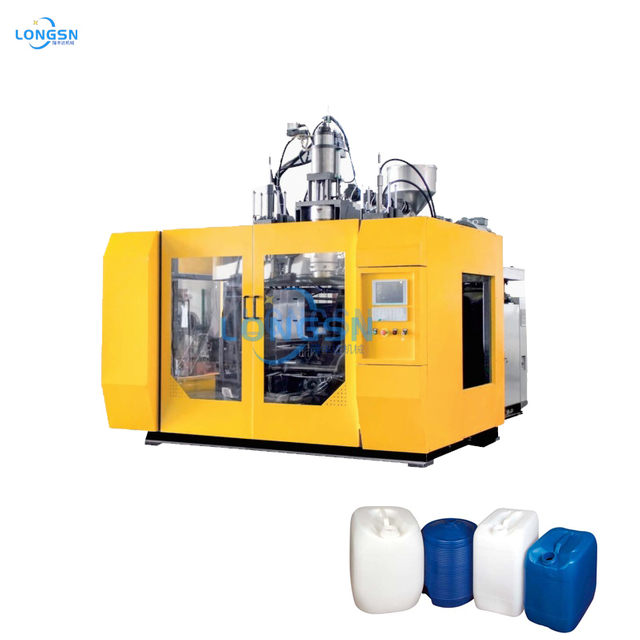
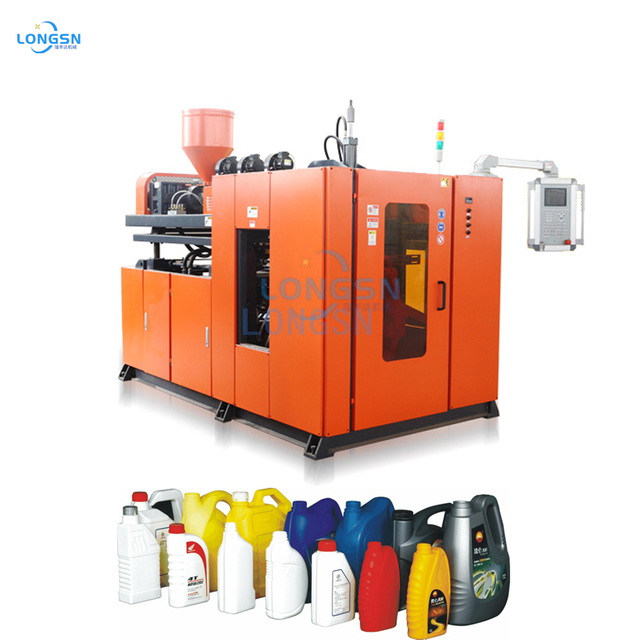
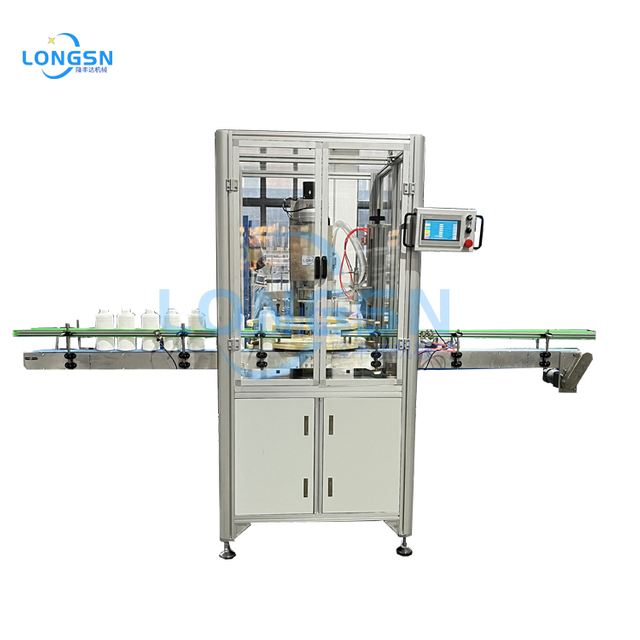
Procuring a commercial-grade hdpe blowing machine represents a high-stakes capital investment for your manufacturing business. Buyers often view the initial sticker price as their primary financial commitment.
However, evaluating heavy equipment based solely on upfront capital expenditure carries immense risk. You might secure a low purchase price but face severe profitability drains later. Issues like surging energy consumption, excessive scrap material, and frequent maintenance downtime quickly destroy your margins.
To protect your bottom line, you need a transparent method for analyzing all upcoming expenses. We will break down exactly what drives equipment pricing, from baseline machine costs to crucial auxiliary components. You will discover how hidden operational realities impact your budget and learn practical steps to evaluate long-term financial viability. Armed with this knowledge, you can confidently navigate vendor proposals and secure the best return on your industrial investment.
Key Takeaways
- CapEx vs. TCO: Initial machine costs typically represent only 30-40% of the total cost of ownership over a 10-year lifecycle.
- Core Price Drivers: Machine capacity (output per hour), automation levels, and extrusion technology (single vs. multi-layer) dictate the baseline price.
- OpEx Realities: Energy consumption and raw material efficiency (scrap/reject rates) are the most significant long-term cost variables.
- Risk Mitigation: Proper site preparation, operator training, and compliance adherence are critical to preventing costly deployment delays.
Upfront Capital Expenditure (CapEx) Breakdown
Building an accurate procurement budget begins by analyzing your initial capital outlay. The sticker price of the primary equipment only tells part of the story. You must account for several mandatory expenses to calculate your true landed cost.
The Baseline Machine Cost
Equipment origin and engineering standards dictate the baseline price brackets. You will find entry-level machines manufactured in emerging markets at a highly accessible price point. These serve well for basic, low-volume production. Conversely, premium models engineered in Europe or Japan demand significantly higher capital. They justify this premium through advanced servo-hydraulics, tighter machining tolerances, and extended component longevity.
Auxiliary Equipment
Manufacturers rarely include all necessary support equipment in the base quote. Your production line cannot function without these mandatory add-ons:
- Industrial Chillers: They circulate cold water to maintain precise mold temperatures and reduce cycle times.
- Air Compressors: They supply the high-pressure, moisture-free air required for the actual blowing process.
- Auto-loaders: They pull raw resin automatically into the extrusion hopper, reducing manual labor.
- Crushers and Shredders: They grind up defective bottles and flash, allowing you to recycle scrap directly back into production.
Tooling and Molds
Custom mold pricing varies wildly based on complexity and cavitation. Single-cavity molds cost less upfront but yield fewer containers per cycle. Multi-cavity molds accelerate production but require expensive, complex tooling. Material selection also impacts your budget. Aluminum molds offer excellent heat transfer for faster cooling but wear down quickly. Steel molds cost more to machine but provide incredible durability for high-volume, continuous runs.
Shipping and Tariffs
Logistics can severely inflate your final capital expenditure. International freight costs fluctuate based on shipping container availability and fuel surcharges. You must also purchase comprehensive maritime insurance to protect your investment in transit. Finally, research local import duties and taxes. These government levies often add a substantial percentage to your final landed cost.
Primary Features Driving an HDPE Blowing Machine Price
Understanding what technical specifications drive costs upward helps you avoid overpaying for unnecessary features. Several core engineering choices dictate the final price of an hdpe blowing machine.
Production Capacity and Cycle Times
Your target output determines the physical size of the machinery. Producing thousands of jerrycans per hour requires a larger extruder motor and high-capacity heating zones. The machine also needs higher clamping force to hold heavy molds shut during high-pressure blowing phases. Scaling up these structural and mechanical capacities naturally increases the baseline price.
Automation and Parison Control
Automation levels create massive pricing tiers. Standard configurations use basic timers and manual wall-thickness adjustments. Advanced models incorporate sophisticated MOOG parison thickness controllers. This technology dynamically alters the plastic tube thickness during extrusion, ensuring perfectly uniform container walls. Paying a premium for this automation reduces long-term resin waste and strengthens the final product. Automated deflashing units also add upfront cost but eliminate the need for manual trimming.
Single vs. Co-Extrusion (Multi-Layer)
Extrusion technology greatly impacts equipment complexity. Single extrusion systems produce standard mono-layer containers. They remain straightforward and highly affordable. Co-extrusion systems create complex multi-layer structures. Manufacturers use multi-layer bottles to block UV light, incorporate recycled inner layers, or provide chemical resistance for aggressive agricultural liquids. Adding secondary and tertiary extruders for these distinct layers drives the equipment cost substantially higher.
Component Origins
The origin of internal components affects both initial pricing and long-term reliability. Premium machines utilize internationally recognized parts, such as Siemens PLCs, Festo pneumatics, or Schneider electrical contactors. These name-brand components raise the upfront purchase price. However, they drastically improve machine reliability. Furthermore, sourcing spare parts locally for globally recognized brands is much easier than hunting down proprietary components from unknown manufacturers.
Comparison of Base vs. Premium Engineering Features
| Feature Category | Base Configuration | Premium Configuration |
| Parison Control | Manual profile adjustment | 100-point MOOG servo control |
| Deflashing | Manual operator trimming | Fully automated in-machine punching |
| Hydraulics | Standard continuous-run pumps | Energy-saving variable displacement pumps |
| Internal Parts | Proprietary or regional brands | Global brands (Siemens, Festo, Rexroth) |

Hidden Operational Costs (OpEx) to Factor into Your Budget
Many buyers strictly analyze capital expenses while underestimating ongoing operational requirements. The day-to-day cost of running heavy manufacturing equipment dictates your true profit margins.
Energy Consumption
The melting and blowing process requires intense electrical power. Heating the extrusion barrel and running high-torque motors consumes vast amounts of energy. Older, fully hydraulic machines run their pumps continuously, draining electricity even during idle phases. Upgrading to fully electric or hybrid models requires more initial capital. However, they utilize servo motors that only draw power when actively moving. This engineering shift dramatically reduces your monthly utility bills.
Material Efficiency and Scrap Rates
Raw HDPE resin represents your largest ongoing expense. Material efficiency impacts your margins daily. Imprecise extrusion heads create uneven bottle walls, forcing you to increase overall bottle weight to ensure structural integrity. Poor temperature control leads to heavy flash or completely rejected parts. Wasting expensive plastic resin destroys your profitability. Investing in precision equipment minimizes scrap and keeps your material yield optimized.
Maintenance and Consumables
You must establish a dedicated budget for annual maintenance. Machines demand high-grade hydraulic lubrication, regular oil changes, and frequent filter replacements. Internal wear parts degrade steadily under constant friction and heat. Extrusion screws and barrels will eventually lose their tight tolerances. You must account for the inevitable cost of refurbishing or replacing these critical mechanical parts.
Labor Costs
Your automation choices directly influence your payroll obligations. Fully automated lines demand fewer floor operators. Yet, you must hire higher-skilled, higher-paid technicians to manage the advanced software and robotics. Semi-automated setups require lower-skilled manual workers to handle deflashing, quality checks, and packing. You must balance prevailing local labor rates against the cost of automation upgrades.
Implementation Risks, Facility Upgrades, and Compliance
Receiving the machinery on your loading dock does not mean you are ready to produce bottles. Site deployment carries hidden expenses that frequently catch buyers off guard.
Site Readiness
Your physical facility must support the new infrastructure. You might need to upgrade electrical panels and transformers to handle massive amperage spikes during machine startup. Heavy equipment also requires reinforced concrete flooring to prevent long-term vibration damage. Installing dedicated cooling water loops and high-capacity pneumatic lines adds further expenses to your facility preparation phase.
Installation and Commissioning
Setting up the line incurs specific logistical fees. Original Equipment Manufacturer (OEM) technician travel costs usually fall entirely on the buyer. You cover their flights, lodging, and premium daily rates during the on-site assembly. The calibration phase also generates inevitable raw material waste. Technicians will process hundreds of kilograms of resin just to dial in the perfect bottle weight and stabilize the heating zones.
Operator Training
Never treat professional operator training as an optional luxury. Comprehensive instruction serves as a mandatory protective cost. Untrained staff frequently push equipment past safe operating limits, causing premature mechanical failure. Proper training ensures your team understands routine maintenance schedules, troubleshooting steps, and emergency shutdown protocols.
Safety and Environmental Compliance
You must ensure the new setup meets local regulatory standards. Workplace safety authorities look for specific certifications like CE, OSHA, or UL compliance. Adding mandatory safety cages, light curtains, and emergency stops increases costs if they are not included standard. Furthermore, local emissions regulations might force you to install specialized ventilation systems to extract fumes generated during plastic melting.
Evaluating ROI and Shortlisting Next Steps
Securing the best return on investment requires analyzing long-term variables rather than just chasing the lowest initial quote. A structured evaluation strategy protects your business from poor procurement choices.
The Lifecycle Cost Decision Framework
When evaluating an hdpe blowing machine, you must project expenses over a ten-year horizon. Map your expected cycle times against the manufacturer's performance guarantees. Calculate estimated energy usage per kilogram of processed plastic. Model your annual maintenance parts budget. This comprehensive financial view quickly reveals whether a cheap machine actually drains more cash over a decade than a premium model.
Vendor Due Diligence
Evaluate your potential suppliers far beyond their pricing sheets. Post-sale support dictates your future success. Verify the existence of a local service network or regional technicians. A robust spare parts inventory located in your country prevents catastrophic, month-long downtimes. Demand absolute transparency regarding warranty conditions, specifically noting which wear parts are excluded. Establish strict Factory Acceptance Test (FAT) terms to prove machine capability before releasing final payments.
Shortlisting Logic
Use a strict, itemized method to narrow down your supplier list. Insist that vendors provide highly detailed quotes. Ask them to completely separate the base machine price from auxiliary equipment costs. Demand distinct line items for essential spare parts packages, shipping crates, and commissioning fees. This granular breakdown allows you to compare competing bids accurately, ensuring you compare equivalent equipment scopes.
Conclusion
The cheapest machinery on paper often results in the highest cost per produced unit. Sacrificing automation, energy efficiency, and component quality leads to compounding daily inefficiencies. High scrap rates, excessive power consumption, and constant maintenance easily outpace any savings gained during the initial purchase.
Before requesting final commercial bids, conduct a rigorous audit of your facility's power and cooling infrastructure. Develop a strict financial model that accounts for raw material yields and ten-year operational expenses. By taking a comprehensive approach to procurement, you can identify reliable equipment that ensures steady production and robust profitability.
FAQ
Q: What is the average lifespan of an industrial HDPE blowing machine?
A: A well-maintained industrial blow molding machine typically operates efficiently for 10 to 15 years. This lifespan depends heavily on consistent preventative maintenance, operating hours, and the quality of the internal components. Premium machines can exceed 15 years if critical wear parts, like extrusion screws, are refurbished regularly.
Q: Is it more cost-effective to buy a used or refurbished blow molding machine?
A: Buying used equipment drastically reduces your initial capital expenditure. However, you trade that savings for significant risks. Used machines often lack reliable warranties and feature outdated PLCs that are difficult to program. They also consume far more electricity than modern servo-driven models, potentially wiping out your initial savings.
Q: How much energy does an extrusion blow molding machine use?
A: Energy consumption varies based on machine size and technology. You calculate usage by looking at the extruder motor's kW rating and the heating zone requirements. Standard hydraulic machines consume power continuously. Modern hybrid or fully electric machines reduce energy usage by 30-40% by only drawing power during active movements.
Q: Does the machine price typically include installation?
A: No. Installation and commissioning are almost always distinct line items. Buyers generally cover the travel, lodging, and daily rates for the manufacturer's technicians. You must explicitly negotiate terms for the Factory Acceptance Test (FAT) and Site Acceptance Test (SAT) during the initial purchasing contract.

 English