Upgrading to an Automatic Bottle labeling machine represents a high-stakes capital expenditure for any growing production facility. This crucial decision directly impacts your production line efficiency and dictates your overall brand presentation on retail shelves. Relying on manual application simply cannot keep pace as consumer demand grows. Bottlenecks form quickly on the floor. Labels suffer from bubbling, tearing, or severe misalignment. These avoidable errors cost you valuable time, waste expensive materials, and ultimately erode your profit margins.
Our goal in this guide is to provide an objective, vendor-agnostic framework for your next equipment purchase. We will help you compare specific machine features accurately. You will learn how to identify true operational expenses and mitigate serious implementation risks. Remember, the "best" labeling equipment does not simply carry the lowest initial price tag. Your ideal choice strictly depends on your exact throughput requirements, complex container geometry, and internal operational capabilities.
Key Takeaways
- Match Machine to Geometry: Wrap-around labelers are strictly for cylindrical bottles, while front-and-back systems are required for oval or flat containers.
- Look Beyond the Sticker Price: The total cost of ownership (TCO) must account for changeover downtime, spare parts availability, and proprietary consumable requirements.
- Scalability Matters: Entry-level automatic machines suit small batches (<50 bottles per minute), but industrial scaling requires servo-driven precision and PLC-integrated workflows.
- Test Before Buying: Factory Acceptance Testing (FAT) with your exact bottles and labels is the only reliable way to verify vendor accuracy claims.
Defining Your Baseline Requirements Before Comparison
You must clearly define your current production limitations before evaluating new equipment. Without a solid baseline, you risk purchasing a machine mismatched to your actual operational needs.
Audit Current Bottlenecks
Start by quantifying your current manual or semi-automatic labeling expenses. Calculate the exact labor hours your team spends applying labels each week. Track your daily rework rates. Record how many bottles you discard due to bubbling, tearing, or visual misalignment. These inefficiencies heavily drain your profit margins. Documenting these specific losses provides a clear budget justification for automation.
Common Mistake: Many facility managers fail to calculate the cost of wasted label rolls. Scrapped labels add up quickly and inflate your daily consumable expenses.
Establish Success Criteria
Establishing clear success criteria is the next critical step in your procurement journey. You must define your required throughput using Bottles Per Minute (BPM). Always base this target number on your peak seasonal demand. Using average daily volume figures will leave your facility severely under-equipped during busy holiday rushes. Calculate your fastest conveyor speeds. Ensure the new equipment can match or exceed this pace without jamming.
Assess Facility Constraints
Assess your physical facility constraints before you start shopping. Measure your available floor space accurately. You need enough clearance for the machine itself and safe pathways for your machine operators. Verify your current power availability and pneumatic infrastructure. Check your factory air pressure consistency. Decide whether your new Automatic Bottle labeling machine will operate as a standalone unit. Alternatively, evaluate how it will integrate seamlessly into your existing conveyor lines.

Core Categories of Automatic Labeling Systems
The market offers three primary categories of automation. Each category serves distinct container shapes, material types, and overall production speeds. Selecting the wrong category guarantees constant jams and wasted materials.
Wrap-Around Automatic Labelers (Cylindrical Containers)
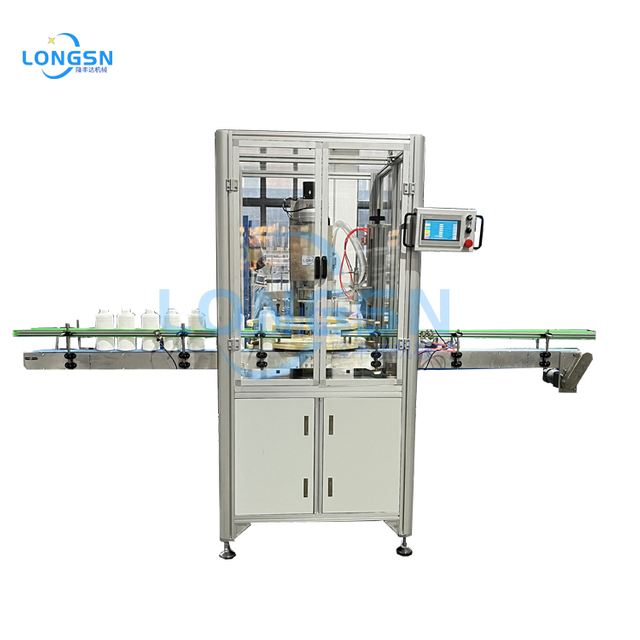
These systems are strictly designed for cylindrical containers. They work exceptionally well for wine bottles, round PET water bottles, and small pharmaceutical vials. Standard roller belt mechanisms offer reliable performance for basic applications. However, three-point labeling systems provide significantly higher precision. A three-point system captures the bottle completely at three distinct contact areas. This mechanism ensures perfect full-wrap alignment. It prevents the label from spiraling upward or downward as the bottle spins.
Front and Back Labeling Machines (Flat/Oval Containers)
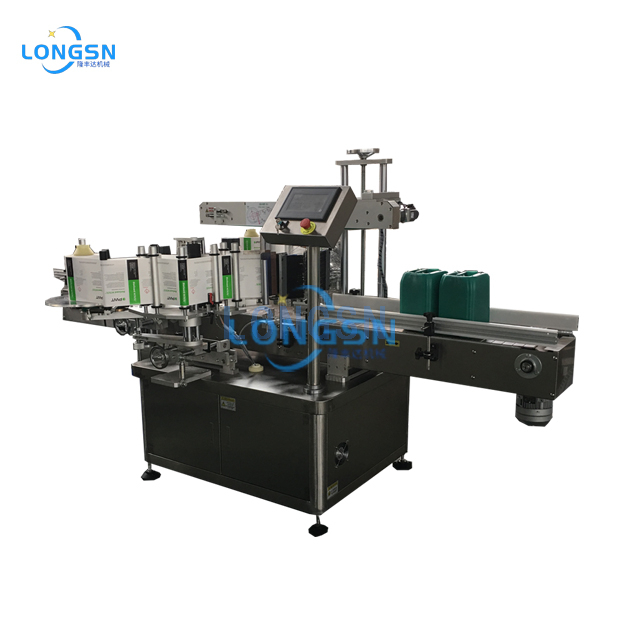
You must use this category for flat or oval containers. Shampoo bottles, engine oil containers, and flat cosmetic flasks require this specific technology. Look for machines featuring synchronized dual-dispensing heads. Alignment chains represent an absolutely crucial feature here. They stabilize irregular shapes from both sides. They center the container precisely before the label application begins. Without sturdy alignment chains, oval bottles will twist on the conveyor, causing severe application errors.
Rotary Labeling Machines (High-Speed Industrial)
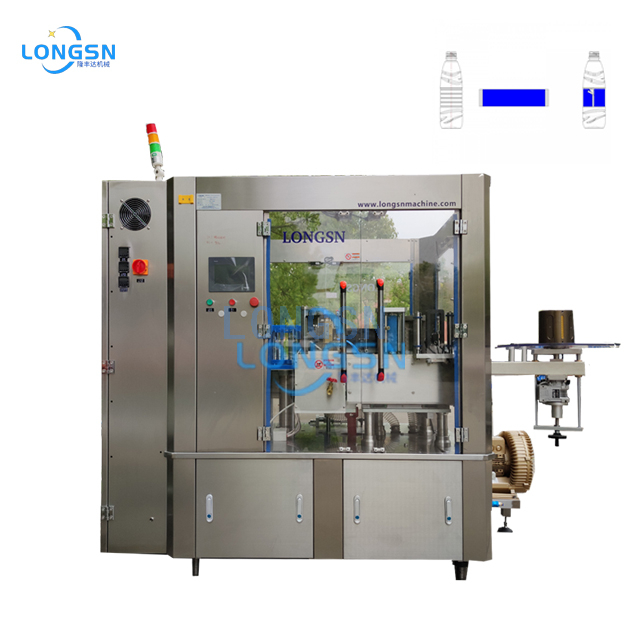
These represent the pinnacle of high-speed industrial solutions. They dominate high-volume beverage and brewery production lines. Rotary systems utilize continuous motion rather than intermittent stopping. They boast multi-station capabilities, applying neck, front, and back labels simultaneously. They handle fragile or lightweight empty PET bottles easily. Centralized pressure bells hold the bottles firmly from the top. This prevents any container deformation during high-speed application.
Essential Features to Evaluate for Reliability and ROI
Beyond the basic category, internal components dictate long-term reliability. Subpar internal components lead to frequent breakdowns and impossible calibration.
Sensor and Drive Technology
Drive motors dictate your application accuracy. Stepper motors are budget-friendly. They perform adequately for low speeds and simple tasks. Conversely, servo motors cost more upfront. However, they are essential for high-speed accuracy and rapid acceleration. Servo motors never lose their mechanical position.
Sensor selection is equally important. Transparent labels present a unique challenge for standard equipment. Standard photoelectric sensors cannot detect them because light passes straight through the material. You must specify ultrasonic sensors for clear-on-clear label applications. Ultrasonic sensors measure material density differences to find the label gap precisely.
Changeover and Adjustment Mechanics
Evaluate how easily operators can switch between different bottle sizes. Tool-less adjustments save tremendous amounts of production time. Look for machines featuring numeric adjustment dials. They allow operators to record exact settings for specific bottles. Numeric dials reduce downtime significantly compared to machines requiring wrenches and guesswork. Quick, repeatable changeovers keep your production flowing smoothly.
HMI and PLC Controls
Avoid proprietary circuit boards at all costs. Standardized Programmable Logic Controllers (PLCs) are far superior. Brands like Siemens, Allen-Bradley, or Omron ensure long-term reliability. They make maintenance and troubleshooting much easier for your team. Any local certified technician can service standard PLCs. Touchscreen Human-Machine Interfaces (HMIs) should support recipe storage. This allows operators to save tension and speed settings for dozens of different products.
Material Compatibility
Your machine must handle different label roll cores and web widths flawlessly. Proper web tension control is vital for continuous operation. Excellent tension control prevents the backing paper from snapping during high-speed runs. Ensure the peel plates are highly durable. Stainless steel peel plates resist wear better than aluminum alternatives.
Best Practice: Always ask the manufacturer for the maximum roll diameter the machine can handle. Larger roll capacities mean fewer stops for your operators.
Pricing Tiers: Initial Costs vs. Operational Economics
Understanding the financial landscape helps you set realistic capital budgets. Focus heavily on operational economics, maintenance requirements, and long-term durability.
Entry-Level Automatic Machines ($3,000 – $8,000)
These feature basic stepper-motor wrap-around capabilities. Buyers typically source them directly from overseas manufacturers to save money. However, they have strict operational limitations. Speeds hover between 20 and 40 BPM. You will likely receive minimal local tech support. Changeovers are entirely manual and often require hand tools. These suit small craft producers taking their first step away from tabletop semi-automatic units.
Mid-Tier Commercial Systems ($10,000 – $25,000)
These offer robust front/back application or high-accuracy wrap-around systems. They usually feature standard PLC controls and sturdy stainless steel frames. They integrate seamlessly into existing automated conveyors. Growing mid-sized producers transition to fully automated lines using these systems. They offer excellent value, balancing speed (up to 100 BPM) with reliable local support networks.
High-Volume Industrial Systems ($30,000 – $100,000+)
These are premium, heavy-duty rotary systems. They utilize advanced servo drives exclusively. Speeds range from 100 to well over 300 BPM. They feature zero-downtime dual unwinds. This means operators can splice a new label roll while the machine continues running. Integrated vision inspection systems guarantee flawless application, automatically rejecting flawed bottles.
Hidden Expenses and Maintenance Considerations
Break down your long-term maintenance expenses carefully. Initial equipment costs represent only a fraction of your investment. Technician travel fees for installation or emergency repair add up quickly. Factor in the regular replacement of common wear parts. These include drive belts, peel plates, and tension springs. Always calculate the potential cost of production downtime during unexpected mechanical failures. A cheaper machine often costs more annually if it constantly breaks down.
Table: Labeling Machine Capability and Pricing Tiers
| System Tier | Estimated Pricing | Average Speed (BPM) | Drive Technology | Ideal User Profile |
| Entry-Level | $3,000 – $8,000 | 20 - 40 | Stepper Motor | Small craft producers, pilot plants |
| Mid-Tier Commercial | $10,000 – $25,000 | 50 - 100 | Hybrid / Basic Servo | Growing mid-sized facilities |
| High-Volume Industrial | $30,000 – $100,000+ | 100 - 300+ | Advanced Multi-Servo | Large beverage or pharma lines |
Implementation Risks and Vendor Shortlisting Logic
Selecting the right vendor is just as important as selecting the right hardware. Poor vendor support will ruin a technically sound machine.
Global vs. Local Sourcing
Importing equipment from top global manufacturers offers massive upfront savings. However, you must objectively compare these savings against severe logistical drawbacks. Lead times for replacement parts can stretch for weeks. Language barriers often complicate critical technical support. Conversely, local suppliers charge a premium. Yet, they offer rapid onsite assistance and overnight spare parts delivery. Weigh your internal maintenance capabilities before deciding.
The Importance of FAT (Factory Acceptance Testing)
Buyers must never skip Factory Acceptance Testing (FAT). This is your ultimate insurance policy. Follow these essential steps for a successful FAT:
- Ship a minimum of 500 unlabelled bottles to the vendor facility.
- Ship three full rolls of your exact production labels.
- Demand a live video feed or an uncut video-documented test run.
- Verify the speed matches the promised BPM exactly.
- Inspect the applied labels for bubbles, wrinkles, or skewing.
You must verify their accuracy claims before finalizing any final payment. This eliminates unpleasant surprises during facility installation.
Compliance and Safety
Check for essential safety certifications immediately. CE and UL marks are often mandatory for commercial insurance policies. Ensure the machine includes easily accessible emergency stops. Sturdy safety enclosures protect your operators from fast-moving parts. These safety features are strictly required in regulated industries like food, beverage, or pharmaceuticals. Do not compromise on worker safety to save a few dollars.
Conclusion
An Automatic Bottle labeling machine is never a one-size-fits-all purchase. You must match the equipment directly to your specific operational realities and future growth plans. We advise you to build a shortlist of two to three reputable vendors. Base this selection squarely on your exact bottle geometry and your required output speed.
Before you contact any vendor, take action internally. Document your exact container dimensions, material types, and label specifications meticulously. Provide these details upfront when requesting quotes. This thorough preparation ensures vendors provide highly accurate technical proposals rather than useless generic price lists. Protect your investment by demanding rigorous testing and prioritizing reliable local support over the lowest initial price.
FAQ
Q: What is the difference between semi-automatic and automatic bottle labeling machines?
A: The main difference lies in human intervention. Semi-automatic models require an operator to manually place and remove each bottle per cycle. Automatic labeling relies on motorized conveyors and precise sensors. They feed, label, and discharge containers continuously without manual handling, drastically increasing throughput and consistency.
Q: Can one labeling machine handle both round and flat bottles?
A: Yes, highly modular machines exist that handle multiple shapes. However, they are typically much more expensive and complex to calibrate during changeovers. For most operations, dedicated machines built specifically for either round or flat bottles prove far more reliable and efficient.
Q: How do I choose the right sensor for clear bottle labels?
A: Standard photoelectric sensors rely on light contrast. They fail on clear-on-clear applications because light passes right through the label and backing. You must choose an ultrasonic or capacitive sensor. These measure thickness or density differences to accurately detect the clear label edge.
Q: What maintenance is required for automatic labelers?
A: Daily maintenance involves cleaning glue or adhesive residue from the web path. Operators should perform regular checks on conveyor and drive belt tension. Periodic sensor recalibration ensures ongoing placement accuracy. You should also replace wear parts like peel plates before they degrade completely.

 English