Investing in industrial blow molding equipment represents a high-stakes CapEx decision for any manufacturing facility. Choose the wrong machinery, and you risk severe production bottlenecks alongside inflated utility bills. The stakes remain simply too high for guesswork. Manufacturers need reliable frameworks to make informed purchasing decisions.
Modern packaging demands push operational limits daily. Facilities must balance aggressive lightweighting targets and recycled PET integration against the rigid constraints of legacy equipment. Older machinery often struggles to adapt to these strict sustainability mandates. They also lack the agility required for rapid, modern changeovers.
This guide delivers an objective framework to evaluate a plastic bottle blowing machine based on production capacity, energy efficiency, and material compatibility. We provide actionable insights to help you navigate complex vendor specifications. You will learn exactly how to secure the optimal equipment for your specific packaging line.
Key Takeaways
- Choosing between Stretch (SBM), Extrusion (EBM), and Injection (IBM) blow molding depends strictly on your resin type (PET vs. HDPE/PP) and container application.
- Fully automatic rotary machines dominate high-speed beverage lines (10,000+ BPH), while linear machines offer necessary flexibility for mid-tier or custom molding operations.
- Vendor evaluation must prioritize local spare parts availability and technical support SLAs to minimize costly unplanned downtime.
Establishing Your Production Baselines and Success Criteria
Before reviewing equipment catalogs, facilities must establish rigid production baselines. Moving blindly into vendor negotiations often leads to mismatched equipment. You must define what success looks like for your specific floor.
Defining the Business Problem
Shift your paradigm away from merely acquiring hardware. Instead, focus entirely on achieving a target Cost Per Bottle (CPB). We must evaluate equipment through the strict lens of unit economics. Every machine feature should directly reduce your per-bottle production expenses. For example, a machine offering a lower initial purchase price might consume excessive energy. This ultimately inflates your CPB over a ten-year operational lifespan. You need equipment aligned with your long-term margin goals.
Volume vs. Flexibility
You must accurately assess your facility's operational cadence. Do you need dedicated, high-speed output for a single SKU? Or do you require frequent mold changeovers to accommodate multiple container shapes? High-speed mono-lines demand robust rotary systems. These systems run continuously for weeks without interruption. Conversely, varied custom packaging relies on the agility of linear systems. Linear units allow operators to swap molds swiftly. Understanding this volume-to-flexibility ratio narrows your search immediately.
Facility Constraints
Never evaluate machine models before conducting a thorough site audit. Failing to align machine requirements with facility constraints leads to disastrous implementation delays. Facilities often purchase equipment only to realize their power grid cannot handle the load. We recommend following a strict audit checklist before any purchase.
- Measure usable floor space, accounting for peripheral equipment and maintenance access zones.
- Calculate available electrical load, ensuring sufficient amperage for intensive heating modules.
- Assess existing high-pressure pneumatic infrastructure to confirm compressor capacity.
- Verify ceiling clearance to accommodate structural hoists during heavy mold installations.

Evaluating Core Categories of Plastic Bottle Blowing Machines
The blow molding industry relies on three primary technologies. Each category serves distinct polymer types and specific container applications. You cannot force a machine to perform outside its core competency.
Stretch Blow Molding (SBM) Machines
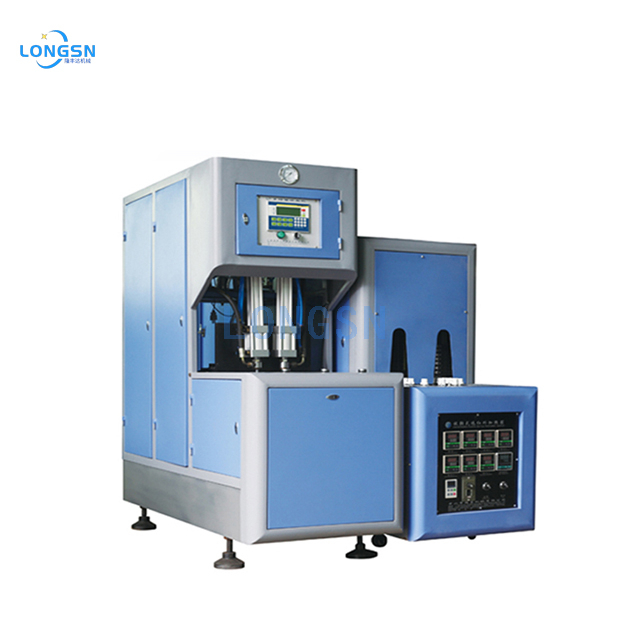
Manufacturers design SBM technology specifically for processing Polyethylene Terephthalate (PET). This method involves heating a pre-formed plastic tube (preform) and stretching it bidirectionally. You will commonly find SBM used for bottled water, carbonated soft drinks, and edible oils.
When evaluating SBM systems, look closely at their preform heating controls. Uniform material distribution remains critical. It directly supports aggressive bottle lightweighting initiatives. Advanced SBM units utilize zoned infrared heating. They allow operators to manipulate resin flow precisely. This precision prevents weak spots in the final container walls. It also ensures excellent clarity and mechanical strength.
Extrusion Blow Molding (EBM) Machines
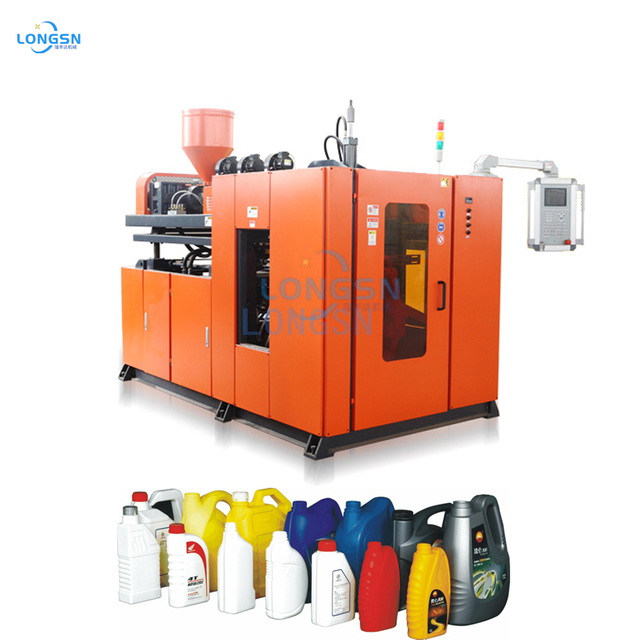
EBM systems excel at processing High-Density Polyethylene (HDPE), Polypropylene (PP), and Polyvinyl Chloride (PVC). Unlike SBM, this process melts raw resin directly into a hollow tube called a parison. The mold clamps shut around the parison, and air forces the plastic against the cavity walls. Common EBM applications include milk jugs, shampoo bottles, and heavy-duty industrial chemical drums.
You must carefully assess the efficiency of the deflashing mechanism. EBM inherently creates excess plastic (flash) at the neck and base. Modern machines automate flash removal to reduce labor. Furthermore, evaluate the machine's capability to handle multi-layer co-extrusion. This feature proves vital for creating oxygen and moisture barriers in agricultural or pharmaceutical packaging.
Injection Blow Molding (IBM) Machines
IBM systems represent the gold standard for small, high-precision containers. The pharmaceutical and cosmetics industries rely heavily on this technology. The process first injects molten polymer over a core pin to form a preform. The machine then transfers this pin to a blowing station.
IBM systems are ideal for zero-scrap production. They deliver flawless, highly accurate neck finishes necessary for child-resistant closures. However, they remain generally limited in maximum cavity size. They also yield a lower overall output volume compared to SBM and EBM platforms. Choose IBM only when precision outweighs gross production speed.
Key Evaluation Dimensions for Shortlisting Models
Once you select the appropriate molding category, you must benchmark specific machine models. This phase requires ruthless objectivity. Do not let impressive marketing brochures distract you from core performance metrics.
Output Capacity (BPH) and Cavitation
Compare expected Bottles Per Hour (BPH) against real-world Overall Equipment Effectiveness (OEE) averages. Never evaluate a plastic bottle blowing machine based purely on its theoretical maximums. Manufacturers often state optimal speeds achieved under perfect laboratory conditions.
We recommend factoring in a 10% to 15% reduction for standard operational realities. This buffer accounts for preventative maintenance, mold changeovers, and minor stops. Additionally, understand how cavitation impacts your line. The number of cavities dictates how many bottles form per cycle. Higher cavitation increases output but demands substantially more clamping force and compressed air.
Automation: Linear vs. Rotary Systems
The choice between linear and rotary architecture defines your production floor layout. It also dictates your maintenance schedules and capital expenditure limits. Linear machines move preforms in a straight line through heating and blowing stations. Rotary machines utilize massive spinning carousels for continuous, high-speed production.
System Comparison: Linear vs. Rotary Equipment
| Feature | Linear Machines | Rotary Machines |
| Production Output | 1,000 to 8,000 BPH | 10,000 to 80,000+ BPH |
| Initial Investment | Lower upfront capital requirement | Intensive capital requirement |
| Maintenance Complexity | Easier access, standardized parts | Highly complex, requires specialized technicians |
| Changeover Agility | Rapid mold swaps (ideal for custom runs) | Lengthy changeovers (ideal for single SKU) |
| Footprint Efficiency | Requires longer floor space | Highly compact footprint per bottle produced |
Energy and Pneumatic Efficiency
Energy consumption remains a massive operational hurdle. Evaluate integrated air recovery systems thoroughly. High-pressure air compressors consume vast amounts of electricity. In fact, they account for nearly 50% of the energy consumed in typical PET blowing processes.
Modern machines must feature intelligent exhaust recycling. Advanced systems capture the 40-bar blowing air as it exhausts from the mold. They route this recovered air to power low-pressure 7-bar pneumatic cylinders elsewhere on the machine. This closed-loop approach drastically reduces the burden on your main factory compressors. Always demand precise energy consumption data sheets from vendors before finalizing your shortlist.
Implementation Risks and Hidden Operational Costs
Capital equipment purchases often conceal secondary expenses. Buyers who focus solely on the sticker price inevitably face budget overruns during installation. You must anticipate these hidden risks to protect your project funding.
Mold Compatibility and Changeover Times
A machine remains profitable only when it produces usable bottles. You must assess tool-less mold change features carefully. Verify strict compatibility with your existing mold inventory. If you must purchase entirely new tooling, your project costs will skyrocket.
Extended changeovers severely erode daily production margins. Implementing Single-Minute Exchange of Die (SMED) principles helps. Seek machines featuring quick-release clamps and standardized cooling hose manifolds. Efficient changeovers empower facilities to accept smaller, highly profitable custom packaging runs.
The Air Compressor Trap
We must warn buyers about extreme auxiliary equipment expenses. The required high-pressure air compressor and robust water chiller systems carry massive price tags. Often, these auxiliary components approach the cost of the blowing equipment itself.
Do not fall into the air compressor trap. When setting your budget, you must account for the entire work cell. This includes the high-pressure booster, refrigerated air dryers, filtration banks, and cooling towers. An underpowered chiller will increase cycle times and cause plastic deformation. Overlooking these components guarantees systemic line failure.
Compliance and Safety
Industrial blow molding involves high heat, extreme pressure, and heavy moving platens. Always verify CE or ISO safety certifications. Inspect the physical guarding mechanisms. Modern machines must utilize safety interlocks and infrared light curtains to protect operators.
Furthermore, check noise level compliance. Machine documentation should provide clear decibel (dB) ratings. High-decibel pneumatic exhausts require advanced silencing technology. Operating non-compliant machinery exposes your facility to severe regulatory fines and compromises factory floor safety.
Shortlisting Logic: Making Your Final Decision
Selecting the final equipment vendor requires synthesizing all the technical data. You must map the machine's capabilities directly to your established business goals. The logic changes significantly depending on your market position.
For High-Volume Beverage Bottlers
Water and soda manufacturers must prioritize fully automatic, rotary PET stretch systems. Ensure they feature integrated air recovery and advanced servo-driven stretching mechanisms. Servo motors offer superior precision over traditional pneumatics. They maximize material yield while minimizing utility waste. For these operations, output stability and energy efficiency remain the absolute top priorities.
For Custom Packaging and Co-packers
Contract packagers face different challenges. They handle multiple clients, diverse bottle profiles, and frequent material shifts. These facilities should opt for all-electric linear systems. Electric machines offer rapid, repeatable mold changeovers. They eliminate the mess of hydraulic fluid leaks, ensuring clean-room compatibility. Linear systems seamlessly handle various neck sizes, providing the agility co-packers desperately need.
Next-Step Action: Drafting the URS
Never request vendor quotes using vague emails. You must draft a comprehensive User Requirement Specification (URS) document. Include your desired BPH, bottle volume range, and specific resin grades. Specify your facility's exact electrical voltage and available floor space. A detailed URS forces vendors to supply accurate, highly customized proposals. It also serves as a binding reference document during the Factory Acceptance Testing (FAT) phase.
Conclusion
The best blow molding equipment is the one aligning perfectly with your factory infrastructure, operational budget, and precise output demands. There is no universal solution. Success requires auditing your facility, understanding material behaviors, and rigorously evaluating auxiliary equipment requirements.
Before making your final choice, implement these action-oriented next steps:
- Define your target production costs to anchor all future vendor negotiations.
- Audit your facility's electrical and pneumatic capacities prior to machine selection.
- Demand guaranteed OEE figures rather than theoretical maximum output speeds.
- Factor auxiliary equipment costs into your final capital expenditure budget.
- Request detailed cycle-time guarantees and energy consumption data sheets from shortlisted manufacturers.
By enforcing strict evaluation standards, you protect your capital investment. You ensure your packaging line operates efficiently, safely, and profitably for years to come.
FAQ
Q: Can a single plastic bottle blowing machine run both PET and HDPE?
A: No. PET requires Stretch Blow Molding (SBM) using pre-made preforms. Conversely, HDPE requires Extrusion Blow Molding (EBM) which melts raw resin directly. The mechanical processes and thermal requirements are fundamentally incompatible within a single unit.
Q: What is the typical lead time for a commercial blow molding machine?
A: Depending on customization and automation levels, lead times typically range from 60 to 120 days. This timeline spans from initial order confirmation through to Factory Acceptance Testing (FAT) before shipment.
Q: How does machine cavitation affect production speed?
A: The number of cavities dictates how many bottles are blown per cycle. More cavities proportionally increase BPH. However, they also require larger compressors, demand higher clamping force, and exponentially increase the initial machine investment cost.

 English