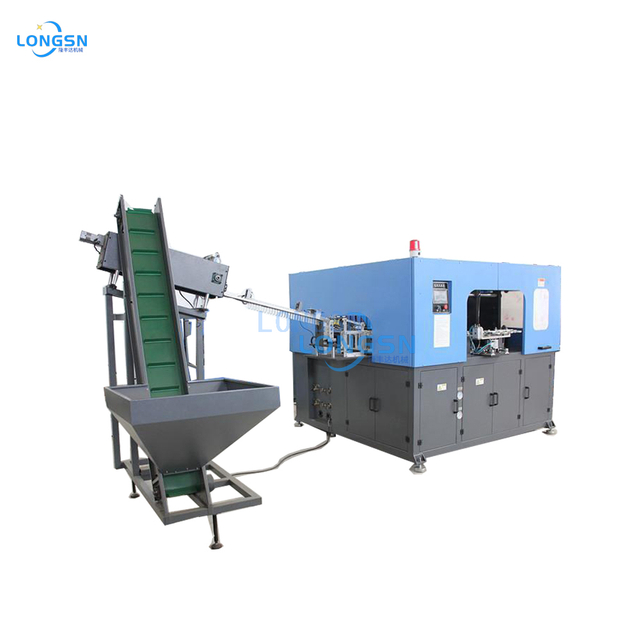
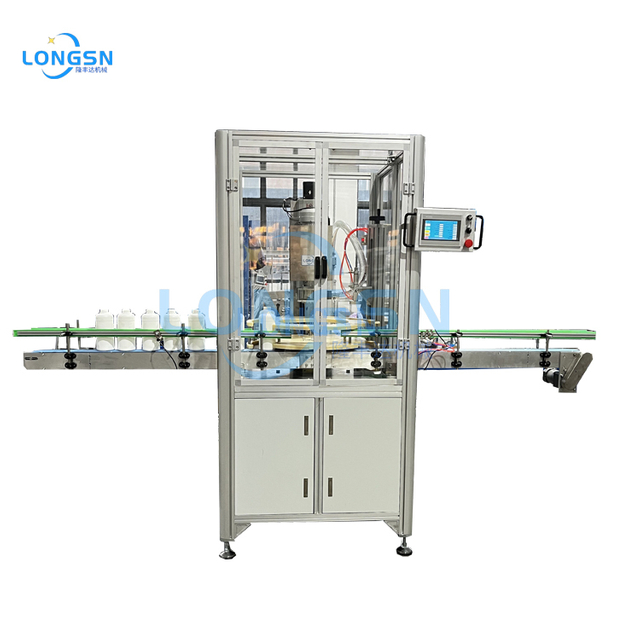
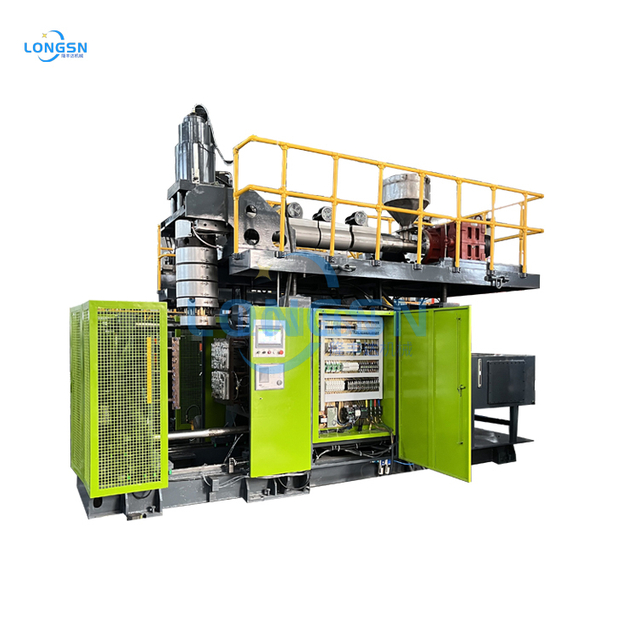
Acquiring a pet bottle blow molding machine represents a critical capital expenditure for any manufacturing operation. This vital investment directly dictates your long-term production margins. It also determines your overall product quality and market competitiveness. Today's equipment market presents immense complexity for industrial buyers. You must navigate varying automation levels and evaluate competing process technologies. You also face highly opaque pricing structures that hide true deployment costs. Making an uninformed choice often leads to severe production bottlenecks. It can waste valuable capital resources quickly. We designed this guide to provide a transparent, criteria-driven framework. We help you evaluate machinery based entirely on actual production needs. We focus heavily on hidden capital expenses and deployment realities. You will learn how to match equipment capabilities to your exact technical requirements. By the end, you can navigate specification sheets confidently and negotiate effectively.
Key Takeaways
- Technology Choice: The decision between single-stage and two-stage processes depends entirely on required bottle aesthetics, production volume, and facility footprint.
- Price vs. TCO: Initial machine costs are only a fraction of the investment; energy consumption (especially high-pressure air) and auxiliary equipment significantly impact long-term profitability.
- Capacity Matching: Selecting the right cavitation and Bottles Per Hour (BPH) output prevents both under-utilization of capital and production bottlenecks.
- Risk Mitigation: Rigorous Factory Acceptance Testing (FAT) and verifying local aftermarket support are mandatory steps before finalizing any supplier shortlist.
Understanding the Core Technologies: Single-Stage vs. Two-Stage Processes
Aligning core machine technology to your specific packaging strategy remains vital. Buyers often face strict operational constraints regarding space, budget, and labor. You must match the machinery directly to these daily realities. The first major technical decision involves choosing between single-stage and two-stage production processes. Each framework carries unique mechanical advantages and distinct operational limitations.
Single-Stage PET Bottle Blow Molding
This technology injects the raw resin and blows the finished bottle continuously. It happens in one complete cycle on the exact same machine. The plastic resin melts, forms into a preform, conditions thermally, and immediately stretches into a bottle. The process utilizes specialized injection-blow tooling.
- Best For: You should use this for niche, high-cosmetic-value containers. Think luxury cosmetics, heavy-wall jars, and precision pharmaceuticals. It suits non-beverage custom shapes perfectly. It works exceptionally well in environments demanding zero preform transit damage. The hot preform never touches a storage bin or conveying belt.
- Trade-offs: You will face significantly higher initial tooling costs. The molds require highly complex engineering. The overall production speeds remain generally lower than alternative methods. Machine maintenance requires highly skilled, specialized technicians.
Two-Stage PET Bottle Blow Molding
This mechanism uses pre-manufactured preforms. You can source these externally from specialized injection vendors. The machine takes cold preforms, reheats them via infrared ovens, and blows them into shape. The heating and blowing occur in a dedicated secondary machine, entirely separating the injection phase.
- Best For: This process dominates high-volume water and carbonated soft drinks (CSD). It handles standard beverage production efficiently. If you need millions of identical lightweight bottles, you absolutely need a two-stage system.
- Trade-offs: It requires a much larger physical footprint in your facility if you also mold preforms. You must handle extensive inventory management for the raw preforms. However, it offers significantly higher hourly output. It provides rapid scalability for growing beverage brands.

Automation Levels and Production Scalability
You must balance upfront capital against long-term labor costs constantly. Production consistency matters heavily here. Choosing the right automation level dictates your daily operational flow. It impacts your shift planning and overall output stability directly.
Fully Automatic Machines
These units feature integrated preform unscramblers and advanced robotic loading mechanisms. They handle automated bottle ejection seamlessly onto air conveyors. The operator simply dumps raw preforms into a bulk hopper and monitors the PLC interface.
These features drastically reduce your daily labor costs. They stabilize cycle times significantly across all production shifts. You also face much lower contamination risks. Human hands never touch the sterile preforms or finished bottle necks. This makes them ideal for strict food and beverage compliance. High-volume beverage plants rely exclusively on this automation tier.
Semi-Automatic Machines
A semi-automatic pet bottle blow molding machine requires constant manual loading. Operators take heated preforms from the oven and place them into the blow molds by hand. They also manually extract the finished bottles after the cycle completes.
This provides a much lower financial barrier to entry. Startups and low-volume specialty runs benefit greatly from this lean approach. However, they remain highly vulnerable to labor bottlenecks. Operator fatigue sets in quickly during summer months. You will likely see inconsistent cycle speeds over long production shifts.
Scalability Considerations
Always assess your future growth before buying machinery. Can you retrofit a semi-automatic line with robotic loaders later? Usually, upgrading requires a complete system replacement. Plan your capital investments around strict three-year growth projections. Do not buy a machine you will outgrow in six months.
Table 1: Automation Equipment Comparison Chart
| Automation Level | Labor Requirement | Contamination Risk | Production Speed | Best Application |
| Fully Automatic | Very Low (Monitoring only) | Minimal | High to Ultra-High | Mass Beverage Production |
| Semi-Automatic | High (Continuous manual handling) | Moderate | Low to Medium | Startups & Specialty Runs |
Key Features to Evaluate (Translating Specs to Outcomes)
You must learn how to read a machine specification sheet accurately. Look at it strictly through the lens of operational efficiency. Do not just look at raw, theoretical numbers. You need practical output guarantees and mechanical reliability.
Output Capacity: BPH and Cavitation
Cavity count directly affects your guaranteed Bottles Per Hour (BPH). A 2-cavity machine yields far less output than an 8-cavity system. However, more cavities require larger compressors.
Apply a skeptical check when reading supplier specifications. Always distinguish between the "theoretical maximum speed" and the "sustained production speed." Facilities rarely run at maximum theoretical limits daily. Ask the vendor for guaranteed sustained speeds based on your specific bottle weight and wall thickness.
Energy Efficiency and Air Recovery
Blowing PET requires intense high-pressure air compressors. These systems often reach up to 40 bar to stretch the plastic fully.
- Evaluate machines offering built-in high-pressure air recovery systems.
- These units capture and recycle the exhaust air after the blow cycle.
- They reuse this air for low-pressure pneumatic machine movements.
- This simple engineering feature cuts total energy consumption by up to 30%.
Energy costs often exceed the base machine price over five years. Do not ignore air recovery options during evaluation.
Mold Changeover and Flexibility
Assess the mechanical engineering behind the machine's clamping system. Facilities producing multiple bottle formats need rapid quick-change mold features. This reduces costly machine downtime between production runs.
Traditional mounting bolts take hours to loosen and realign precisely. Quick-release clamps and modular mold shells take mere minutes. If you run a co-packing facility, fast changeovers dictate your overall factory profitability.
Heating System Precision
Prioritize servo-driven or closed-loop infrared heating systems. Precision heating ensures highly uniform material distribution across the entire preform body.
This reduces scrap rates immediately. It prevents weak spots in the bottle walls. It also allows you to lightweight the bottles safely without sacrificing top-load strength. Lighter bottles save massive amounts of resin costs over a fiscal year.
Real Pricing Expectations and Capital Expenditures
Demystify the financial investment beyond the initial sticker price. Many buyers misunderstand the actual deployment costs. They focus entirely on the base machinery quote and ignore the supporting infrastructure.
Baseline Machine Pricing Ranges
Industry averages show clear pricing tiers based on capability, speed, and origin.
- Semi-Automatic Units: These represent entry-level pricing. You typically expect low five figures. They suit extreme budget constraints and experimental product lines perfectly.
- Fully Automatic (Low to Mid-Volume): These occupy mid-range pricing. Costs depend heavily on cavity counts. Servo-electric drives cost more than traditional pneumatic drives, but they offer better precision.
- High-Speed Turnkey Lines: These command premium pricing. They often run deep into six figures. You pay for advanced robotics and fully integrated, synchronized production systems.
The Hidden CAPEX: Auxiliary Equipment
A pet bottle blow molding machine cannot run in isolation. You need industrial high-pressure air compressors. You also require refrigerated air dryers, dedicated water chillers, and precision molds.
These essential auxiliaries easily add 40-60% to your base machine price. Inadequate auxiliaries will choke a fast blow molder immediately. Bad air quality causes internal bottle defects. Do not ignore them during your initial budgeting phase.
Operational Expenditures (OPEX)
Factor in your daily running costs carefully. Electricity bills dominate these ongoing expenses. High-pressure air generation requires massive continuous power draw.
Spare parts like pneumatic seals, solenoid valves, and infrared oven lamps require regular replacement. Routine maintenance downtime also impacts your bottom line. Budget for these consumables annually to prevent sudden maintenance shocks.
Implementation Risks and Shortlisting Logic
Protecting your investment during deployment is absolutely crucial. You must manage installation risks proactively. Do not leave deployment details to chance or verbal agreements.
Supplier Evaluation Criteria
Do not just buy a machine from a glossy brochure. You are entering a long-term operational partnership.
- Verify the direct availability of localized spare parts inventories.
- Ensure trained field service engineers operate within your specific region.
- Demand strict compliance with regional safety and electrical standards.
- Look for legitimate CE, UL, or OSHA certifications to satisfy local inspectors.
A cheap machine becomes incredibly expensive if replacement parts take three weeks to arrive from overseas.
The Factory Acceptance Test (FAT)
Demand a rigorous FAT before authorizing shipment. Run your exact preforms and custom molds at the supplier’s facility. Do not let them use generic test molds.
Check the output for consistent wall thickness using ultrasonic gauges. Perform drop-test durability checks on the spot. Measure the top-load crush resistance. Never skip this crucial validation step. Force them to fix mechanical problems before the machine leaves their assembly floor.
Next-Step Actions
Develop a highly standardized Request for Quotation (RFQ). Ask competing suppliers to quote the entire functional cell.
This includes the main machine, the custom molds, and all required high-pressure auxiliaries. Apples-to-apples comparisons prevent nasty budget surprises later. Force suppliers to list air consumption and maximum power draw explicitly on their quotes.
Conclusion
The best machinery choice goes beyond just raw speed or the lowest sticker price. It requires aligning complex technical architecture with your actual factory realities. You must deeply consider your production volume, custom bottle design, and local labor costs before committing funds.
- Match your core technology choice strictly to your cosmetic container requirements.
- Budget carefully for all auxiliary equipment to avoid sudden capital shortfalls.
- Prioritize built-in energy recovery systems to protect your long-term operating margins.
- Demand localized, proven aftermarket support from your chosen equipment supplier.
Protect your investment by prioritizing energy efficiency and automation reliability from day one. Strong aftermarket support keeps packaging lines running profitably for decades. Reach out to our engineering team today. We offer customized production line audits and exact machinery quotations based entirely on your specific bottle designs.
FAQ
Q: What is the difference between pneumatic and servo-driven blow molding machines?
A: Servo-driven machines offer higher mechanical precision and much faster cycle times. They deliver significantly lower energy consumption compared to traditional pneumatic air-driven systems. While they carry a higher initial price, the long-term operational savings often justify the upgrade for high-volume producers.
Q: How long does it take to change a mold on a fully automatic machine?
A: Traditional bolted mold changes can take 2-4 hours depending on the specific machine design. However, modern machines equipped with advanced quick-change tooling systems can easily reduce this downtime to just 30-45 minutes. This feature proves critical for facilities managing highly varied daily production runs.
Q: Can one machine produce different sizes and shapes of PET bottles?
A: Yes, one machine can handle multiple bottle shapes. However, the neck finish thread size must remain strictly compatible with the machine's existing preform handling system. Additionally, the new bottle dimensions must fall within the equipment's maximum mold stroke and height specifications.
Q: Does the machine price typically include the mold?
A: Usually, no. Molds are highly customized to your specific proprietary bottle design. Suppliers price them completely separately from the base machine. Costs vary wildly based on the total number of cavities required and the intricate geometric complexity of the bottle's design.

 English