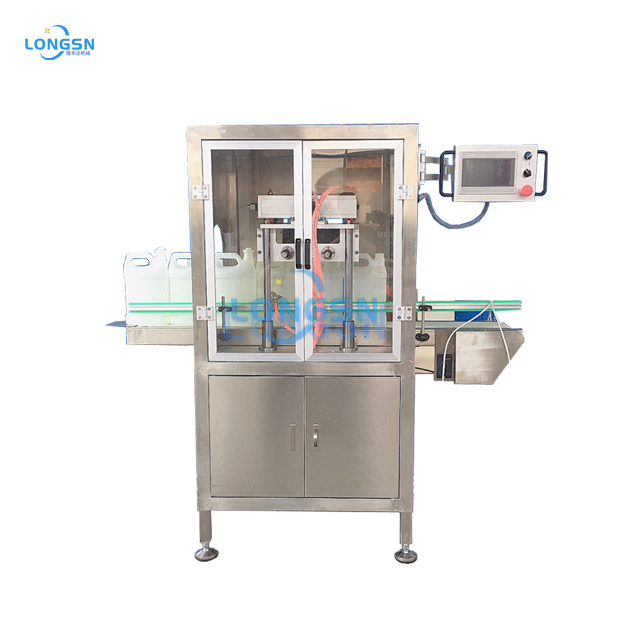
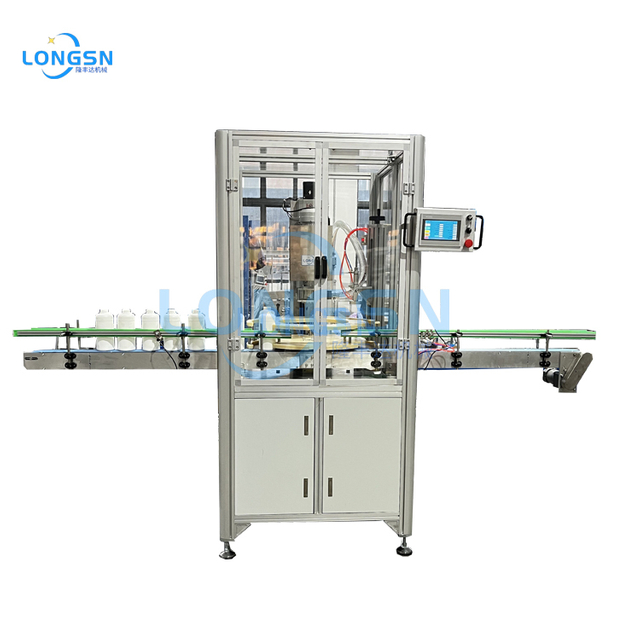
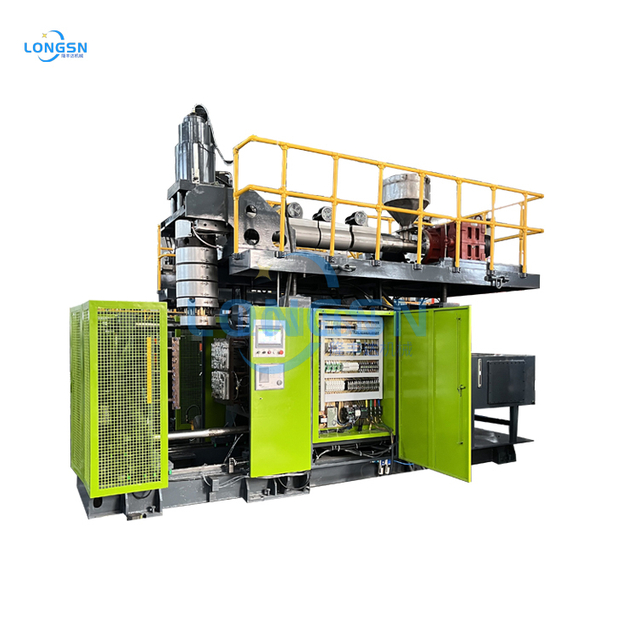
A minor inconsistency in the trimming process translates to capping failures, compromised seals, and rejected batches downstream. Precision matters deeply in every single cut. Upgrading or replacing a bottle trimming machine requires aligning throughput capabilities seamlessly. You must match exact container specifications. You cannot afford bottlenecks on the factory floor. Standalone specifications mean little if they fail to integrate. They must sync precisely into your existing blow molding line.
This guide breaks down the feature sets, operational specs, and realistic price brackets of industrial bottle trimmers. We help procurement and engineering teams make an evidence-based vendor selection. You will learn how to match machines to your unique production scale. We explore critical material variables, automation capabilities, and dangerous integration risks. You will leave equipped to shortlist vendors confidently. You will learn how to validate equipment performance properly.
Key Takeaways
- Match Machine to Throughput: Evaluate models based on true Bottles Per Minute (BPM) limits rather than theoretical maximums to account for operational variables.
- TCO Matters More Than Sticker Price: Upfront equipment costs are secondary to blade lifespan, scrap handling efficiency, and changeover downtime.
- Integration is the Hidden Bottleneck: Standalone specs are useless if the machine’s footprint or conveyor height does not align with your existing blow molding line.
- Testing is Mandatory: Factory Acceptance Testing (FAT) using your specific bottle profiles and resin types is the only reliable way to verify tolerance and cut quality.
Evaluating by Operation Scale and Bottle Type
You must define your exact bottleneck before browsing equipment catalogs. Assess your current limitations honestly. Is your line struggling to hit speed targets? Does poor cut precision cause downstream rejects? Perhaps scrap clearing creates frequent mechanical jams. Identifying these constraints guides your procurement strategy directly. Speed issues often dictate a move to continuous motion systems. Precision issues demand servo-driven indexing to eliminate variations.
Material variables dictate your required cutting mechanisms. Different resins behave uniquely under a steel blade. You must account for these differences carefully.
- HDPE (High-Density Polyethylene): This material requires sharp, cold shearing. It cuts cleanly without adding thermal stress.
- PET (Polyethylene Terephthalate): This resin demands robust blade torque. Its increased hardness ruins weak blades quickly.
- PP (Polypropylene): This plastic stretches easily. It requires swift, decisive cuts to prevent neck deformation.
Wall thickness also plays a massive role in equipment selection. Thick walls need hydraulic punching power. Thin walls require delicate spin trimming. Heavy force crushes thin necks instantly.
Next, categorize your specific trimming requirements. Does your operation need lost-head dome cutting? Perhaps you only need tail deflashing. Many operations require both actions simultaneously. Dome cutting removes the excess plastic above the threaded neck. Tail deflashing removes the pinch-off waste at the container base. Selecting a combination machine saves valuable floor space. However, separate dedicated units often run much faster.
Changeover flexibility represents another critical decision point. Dedicated high-speed rotary machines excel in single-SKU mass production. They process thousands of identical bottles without stopping. However, adjusting them takes hours. Adjustable linear machines suit contract packagers much better. They accommodate high changeover frequencies beautifully. Operators swap tooling on linear models in minutes.

Core Features and Specifications to Compare
Machine Type Comparison Matrix
| Machine Type | Best Suited For | Speed Capability | Changeover Time |
| Linear Auto-Trimmers | High-mix, low-volume runs | 40 to 90 BPM | Under 30 minutes |
| Rotary Trimmers | Single-SKU mass production | 150+ BPM | 2 to 4 hours |
| Punch/Deflashing Units | Handled bottles, thick walls | Variable (Air vs Hydraulic) | Moderate |
Spin Trimmers vs. Punch and Deflashing Systems
Spin trimmers handle circular neck trimming brilliantly. They suit blow-molded containers perfectly. You should look for variable spin speeds. Adjustable heated blade configurations also help tremendously. Heat prevents micro-cracks in brittle plastics. The blade melts through the resin slightly during the cut. This leaves a flawlessly smooth finish.
Punch machines tackle handled bottles easily. They handle complex asymmetrical shapes well. You must evaluate them based on actuation speed. Hydraulic systems offer immense punching power. They punch through thick handles effortlessly. Pneumatic systems deliver faster cycle times. They suit lighter container designs better. Die alignment accuracy remains critical for both technologies.
Automation and Scrap Handling
Scrap ejection requires serious evaluation. You must assess integrated vacuum systems. Mechanical kickers offer another viable option. Inefficient scrap removal ruins production schedules. It leads to jam-induced downtime rapidly. Integrated vacuums pull debris away instantly. They keep the cutting zone pristine. Clean cutting zones prevent mechanical binding.
Control systems dictate daily usability. Programmable Logic Controllers (PLCs) run the show behind the scenes. Human-Machine Interfaces (HMIs) connect operators to the process. Recipe storage is absolutely vital here. It ensures repeatable setups across different bottle SKUs. Operators avoid manual recalibration entirely. They just select a saved profile. This reduces human error significantly.
Cut quality determines your final product viability. You must evaluate micron-level tolerance mechanisms. Perfect sealing surfaces prevent leaks downstream. Caps and closures require flat, clean finishes. Ragged edges cause massive rejection rates. Servo-driven blades maintain strict tolerances effortlessly. They deliver identical cuts every single time.
Price Ranges and Equipment Costs
Capital expenditures vary wildly across machine categories. You must align your budget with actual production realities. Overspending drains capital unnecessarily. Underspending creates permanent operational bottlenecks.
Entry-level semi-automatic models cost between $15,000 and $35,000. They fit pilot lines perfectly. Low-volume specialty runs benefit from these units too. You face lower upfront costs initially. However, you rely heavily on manual labor. Operators must load each container by hand. This limits your overall daily throughput.
Mid-tier linear auto-trimmers range from $40,000 to $85,000. They balance moderate speeds beautifully. You gain excellent SKU flexibility. These units typically process 40 to 90 bottles per minute. They fit most standard packaging operations perfectly. Contract packagers love their swift tooling adjustments.
High-speed rotary trimmers exceed $100,000 easily. They represent premium capital expenditures. You can only justify them through continuous production demands. These giants process hundreds of bottles per minute. They dominate beverage lines globally. Personal care mass-production facilities rely on them entirely.
You must also calculate hidden cost factors. These ongoing expenses add up over the equipment lifespan quickly.
- Replacement Tooling: Blades dull over time inevitably. You must replace or sharpen them frequently. Track average tooling lifespans carefully.
- Maintenance Downtime: Preventative maintenance causes scheduled stops. Plan these stops into your production targets. Unplanned maintenance costs even more.
- Energy Consumption: Pneumatic systems consume expensive compressed air constantly. Fully servo-driven systems use electricity much more efficiently. Choose electric actuation whenever possible.
Implementation Realities and Line Integration Risks
Conveyor synchronization determines your overall line efficiency. You must ensure seamless infeed and outfeed handshakes. The trimmer must match upstream blow molders perfectly. It must also feed downstream leak testers smoothly. Mismatched speeds cause container pile-ups. Bottle jams destroy production metrics entirely. Variable frequency drives (VFDs) solve many synchronization issues elegantly.
Footprint constraints dictate equipment selection often. You must account for guard doors opening fully. Scrap granulator placement requires adequate floor space. Operators need safe access during routine maintenance tasks. Tight floor plans force creative layout engineering. Measure your available space precisely before purchasing anything. Do not forget vertical clearance requirements.
Safety and compliance remain non-negotiable elements. Verify CE or OSHA compliance actively. Local safety standards require strict adherence globally. Interlocking guards protect your workforce from moving blades. They shut down the machine automatically upon opening. Emergency stop integration must tie into the main line safely. Cutting corners on safety invites catastrophic accidents.
Operator adoption dictates immediate equipment success. New HMI interfaces carry a steep learning curve sometimes. Mechanical adjustments intimidate inexperienced staff during format changes. You must demand intuitive software design from vendors. Color-coded tooling changeovers speed up the learning process. Comprehensive training programs bridge the knowledge gap quickly. Support your operators fully.
Shortlisting Logic and Next Steps
Define your non-negotiables first. Document your required bottles per minute accurately. Measure container dimensions precisely. Note all material specifications clearly. Do this before approaching any vendors. Ambiguous requirements lead to mismatched equipment purchases. Clear specifications narrow your options down efficiently.
Request capability proof from every manufacturer. Demand detailed case studies. Ask for data sheets showing similar container types. A reputable vendor shares success stories willingly. They back their claims with empirical data. Avoid vendors making vague promises. Look for proven track records in your specific industry.
Schedule a rigorous material test next. Send actual blow-molded samples to the OEM. Ask for a proof-of-concept run immediately. Never buy industrial equipment based purely on a brochure. Factory acceptance testing reveals hidden design flaws. It proves the machine handles your specific resin properly. It guarantees the requested cut tolerances.
Evaluate their after-sales support carefully. Assess spare parts availability locally. Ask about standard shipping lead times. Investigate their field service response capabilities thoroughly. A broken bottle trimming machine costs thousands per hour in lost revenue. You need technical support available instantly. Prioritize vendors offering remote diagnostic features.
Conclusion
Selecting the right trimming equipment is an exercise in risk mitigation. You want to eliminate production bottlenecks permanently. Hasty purchases lead to downstream capping failures. Careful planning ensures flawless container seals every single run.
We highly recommend prioritizing equipment offering verifiable repeatability. The machine must align with current production rates precisely. It should also accommodate your anticipated scaling needs smoothly. Future-proof your investment wherever possible. Do not buy a machine solely for today.
Consult your engineering team today. Finalize your internal specification sheet first. Begin requesting sample tests from shortlisted manufacturers shortly after. Evidence-based procurement guarantees long-term operational success. Choose your next vendor based on hard data.
FAQ
Q: What is the standard lifespan of a trimming blade before it requires sharpening or replacement?
A: Blade lifespan depends heavily on resin types and production volumes. Standard steel blades cutting soft HDPE might last three months. Cutting abrasive materials like PET dulls blades faster, often requiring replacement monthly. Micro-burrs on your bottle neck indicate severe blade wear. Monitor cut quality daily to establish optimal maintenance intervals.
Q: Can a single bottle trimming machine handle both HDPE and PET containers?
A: Yes, but it requires significant adjustments. HDPE and PET possess different material hardness levels. PET usually requires heated blades to prevent micro-cracking. HDPE cuts cleanly cold. Dedicated machines are often preferred for distinct resins to avoid lengthy changeover times and complex blade temperature calibrations.
Q: How long should a standard machine changeover take for a new bottle size?
A: Modern flexible systems aim for sub-30 minute metrics. Tool-less changeovers utilize quick-release levers and pre-calibrated guides to achieve this speed. Older or heavily tooled systems might take several hours. Linear machines generally offer much faster format adjustments compared to high-speed rotary alternatives.
Q: Do I need a separate scrap granulator, or can it be integrated into the trimming machine?
A: It depends on your facility layout. Point-of-use scrap recovery integrates directly into the trimmer. This saves space and recycles regrind immediately. Centralized systems require separate granulators and transport pipes. Central systems handle massive volumes better but demand higher initial infrastructure investments.

 English