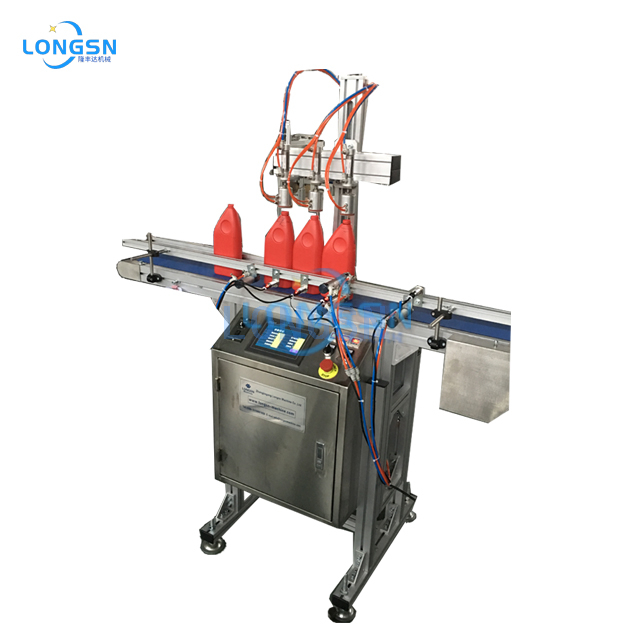
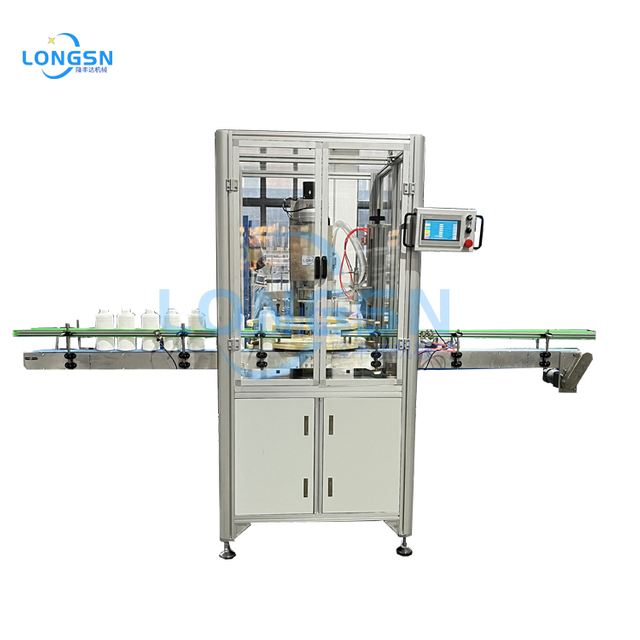
Selecting the right bottle leak test machine is rarely about finding the "best" underlying technology. Instead, you must match the exact sensitivity requirements of your packaging to your line speed and compliance environment. Choosing the ideal system ensures optimal product safety. Over-specifying sensitivity often causes excessive false rejects. These false rejects create unnecessary bottlenecks in your production line. Conversely, under-specifying exposes your business to severe risks. You might face product spoilage, costly public recalls, and strict regulatory compliance failures. Evaluating these testing systems requires a highly structured approach. This guide breaks down the core technologies, industry-specific requirements, and hidden implementation risks. Engineering and quality assurance teams can use this framework to evaluate equipment. You will learn how to confidently shortlist the correct hardware. We will help you navigate the complex tradeoffs between throughput, sensitivity, and operational design.
Key Takeaways
- Technology matching is critical: Pressure decay excels for rigid containers, while vacuum decay is necessary for flexible packaging and pharmaceutical Container Closure Integrity Testing (CCIT).
- Throughput vs. Sensitivity: The fundamental tradeoff in inline testing. Higher line speeds reduce available testing time, requiring highly optimized tooling or multi-station rotary designs to maintain micro-leak detection.
- Total Cost of Ownership (TCO) lives in changeovers: For facilities handling multiple bottle SKUs, the cost of custom tooling and changeover downtime often outweighs the initial capital expenditure of the machine.
- Compliance dictates software features: Highly regulated industries require automated audit trails, CFR Part 11 compliance, and strictly defined calibration protocols.
Defining the Success Criteria for Your Production Line
Every packaging facility operates under unique constraints. You cannot simply drop a new inspection system onto an existing conveyor. You must define clear operational parameters first. These criteria dictate which testing methods will succeed or fail.
Inline vs. Offline Testing
Manufacturers must choose between inspecting every single unit or sampling batches. Inline testing provides 100% inspection coverage. This method requires seamless integration directly into your existing conveyors. You need robust reject mechanisms. High-speed processing logic is mandatory to keep up. Defective bottles must be kicked off the line instantly. They cannot disrupt the flow of acceptable products.
Offline testing serves a completely different purpose. You pull batch samples from the production floor. Operators move them to a controlled laboratory setting. Offline testing prioritizes ultra-high sensitivity. Laboratories maintain strict environmental controls. Temperature and humidity remain constant. You can perform destructive or non-destructive deep analysis here. Offline units do not need to match conveyor speeds. They focus purely on finding microscopic material flaws.
Throughput Requirements
Throughput acts as the ultimate limiting factor in inline environments. You measure line speeds in Bottles Per Minute (BPM). You measure the required leak rate threshold in standard cubic centimeters per minute (sccm) or Pa·m³/s. A fundamental tradeoff exists here. Higher line speeds reduce the available testing time per bottle. Short test cycles make detecting microscopic pinholes extremely difficult.
You must establish acceptable cycle times early. You cannot compromise the required leak rate threshold just to run faster. High-speed lines often require multi-station rotary designs. Rotary machines test multiple bottles simultaneously. They maintain micro-leak detection sensitivity without slowing down the line.
Product and Container Physics
Container physics dictate test behavior. You must evaluate how specific materials react during inspection. Glass containers remain perfectly rigid. PET and HDPE plastics often flex. Rigid containers handle internal pressure well. Flexible bottles expand when pressurized. Engineers call this phenomenon "volume creep." Volume creep mimics a leak during testing. The machine reads a pressure drop because the bottle expanded.
Container contents also change the testing mechanics. Dry goods behave predictably. Liquid contents present unique challenges. Viscous liquids can temporarily plug microscopic pinholes. The machine might pass a defective bottle if the product blocks the hole. Headspace gas volume also affects measurement calculations. Large headspaces require more time to pressurize or evacuate. You must account for these physical properties during system selection.
Core Leak Detection Technologies Compared
Different technologies solve different physical challenges. You must align the physics of your container to the correct testing mechanism. Misaligned technology causes endless production headaches.
Pressure Decay Testing
Pressure decay remains a highly popular deterministic method. The machine injects dry air into the bottle. It seals the opening completely. Sensors then monitor for pressure drops over a set period. A drop in pressure indicates escaping air. Escaping air confirms a leak.
This technology serves specific applications perfectly. It represents an ideal fit for rigid bottles. Blow-molding operations use it extensively for empty bottle testing. High-throughput consumer goods rely heavily on this method. It is fast, clean, and highly reliable for stiff materials.
However, pressure decay has strict limitations. It is highly sensitive to ambient temperature fluctuations. Hot bottles straight from a mold cool down during testing. Cooling air drops in pressure naturally. This thermal shift causes false rejects. Additionally, pressure decay struggles with flexible bottles. Flexible walls expand under internal pressure. This volume creep ruins the accuracy of the transducer readings.
Vacuum Decay Testing
Vacuum decay approaches the problem differently. The operator or machine places the bottle inside a tightly fitted custom chamber. The system pulls a strong vacuum around the bottle. Sensitive transducers monitor the chamber for pressure shifts. A pressure rise indicates air or vapor escaping from inside the bottle.
This method shines in specific scenarios. It is the ideal fit for filled and sealed containers. Flexible bottles test perfectly under vacuum because they do not expand outward uncontrollably. Pharmaceutical applications rely on vacuum decay. It provides non-destructive Container Closure Integrity Testing (CCIT).
Vacuum decay does present notable limitations. It requires highly specific, custom-machined chamber tooling. Every unique bottle shape requires its own dedicated chamber. This requirement significantly increases the initial setup costs. Swapping these chambers also takes time during production changeovers.
High-Voltage Leak Detection (HVLD) & Vision Systems
Advanced electronics provide alternative testing methods. High-Voltage Leak Detection (HVLD) uses electrical currents. The machine applies high voltage across the container. Electrical current flows easily through micro-pinholes if a conductive liquid is present. Vision systems operate entirely differently. They use high-speed industrial cameras. Intelligent software inspects seal integrity and cap placement.
These specialized systems fit distinct niches. HVLD is ideal for liquid pharmaceuticals. It finds microscopic flaws effortlessly. Vision systems excel at high-speed visual defect sorting. They spot skewed caps and damaged threads instantly.
These methods have hard limitations. HVLD only works effectively with conductive liquids. It fails completely on empty bottles or dry powders. Vision systems cannot verify microscopic pressure leaks. They only detect visible structural defects. Cameras cannot see a two-micron hole in a solid plastic wall.
Leak Detection Technologies Overview
| Technology Type | Primary Mechanism | Ideal Container Fit | Major Limitation |
| Pressure Decay | Injects air, seals, monitors pressure drop. | Rigid bottles, empty blow-molded plastics. | Sensitive to volume creep and temperature shifts. |
| Vacuum Decay | Pulls vacuum in a chamber, monitors rise. | Filled, sealed, or flexible containers. | Requires custom-machined tooling per SKU. |
| HVLD | Passes electrical current through micro-holes. | Liquid-filled pharmaceutical vials. | Requires conductive liquid contents. |
| Vision Systems | High-speed optical camera inspection. | Visible defects, cap alignment. | Cannot detect microscopic invisible pinholes. |
Industry-Specific Evaluation Dimensions
Your industry dictates your compliance reality. A bottle leak test machine must satisfy strict regulatory bodies. You must evaluate equipment against your specific vertical market requirements.
Pharmaceuticals & Medical Devices
Pharmaceutical packaging demands extreme precision. Regulatory alignment is non-negotiable here. Testing equipment must align directly with USP <1207> guidelines. These guidelines mandate deterministic testing methods. You cannot rely on subjective, probabilistic methods like blue dye ingress anymore.
Data integrity dominates the software requirements. The machine's operating system must meet FDA 21 CFR Part 11 regulations. You must implement electronic signatures. Tamper-proof audit trails track every operator action. Tiered user access prevents unauthorized parameter changes.
Validation processes are rigorous. You cannot simply plug the machine in and start testing. Vendors must provide comprehensive documentation. You need formal validation frameworks. These include:
- Installation Qualification (IQ): Verifies the equipment arrived and was installed exactly per manufacturer specifications.
- Operational Qualification (OQ): Proves the machine operates correctly across all intended parameter ranges.
- Performance Qualification (PQ): Demonstrates the machine consistently detects flaws using your actual product in a real-world environment.
Food, Beverage, & Consumer Goods
The food and beverage industry prioritizes ruggedness and speed. Production environments are often harsh. Syrups spill, water sprays, and dust accumulates. Equipment must carry appropriate IP washdown ratings. An IP65 or IP67 rating is generally mandatory. These ratings ensure the machine survives daily food-safe sanitation protocols. High-pressure chemical washes will destroy inadequately sealed sensors.
Line efficiency drives profitability for consumer goods. Copackers frequently run multiple bottle sizes across a single shift. Quick-release tooling becomes critical. Tool-less changeover capabilities save massive amounts of time. You need operators to swap test heads in minutes, not hours.
Reject handling requires robust mechanical design. You need reliable, high-speed diverters. These mechanisms must seamlessly kick defective bottles into a scrap bin. They must do this without tipping over good bottles. A clumsy reject mechanism causes severe line jams.
Hidden Implementation Risks
Specifying a machine based purely on a brochure invites disaster. Real-world production environments expose hidden implementation risks. You must proactively manage these operational hurdles.
The False Reject Trap
False rejects represent a massive hidden drain on resources. Discarding perfectly good products destroys profit margins. Environmental factors routinely interfere with sensitive transducer readings. You must watch out for the following interference sources:
- Plant Temperature Changes: Morning cold and afternoon heat affect internal bottle pressures.
- HVAC Drafts: Air blowing directly across testing stations alters localized temperatures.
- Conveyor Vibration: Heavy machinery nearby shakes sensitive transducers, creating noisy data.
You must isolate the machine from these variables. Use protective enclosures to block drafts. Implement vibration-dampening mounts on your conveyor lines. Control the ambient temperature near the testing zone.
Calibration Realities
High-sensitivity sensors drift over time. Recalibration is a harsh reality of production. You must assess the frequency and difficulty of recalibration routines. Manual calibration wastes valuable production hours. Operators often forget to perform it.
Look for machines featuring automated daily self-checks. The best systems utilize certified leak masters. A leak master is a specialized orifice mimicking a precise defect. The machine tests this master automatically before each shift. This proves the system remains accurate. It ensures you never ship defective products due to a drifted sensor.
Changeover Economics
Handling multiple bottle SKUs introduces significant changeover economics. You must calculate the actual time it takes operators to swap testing components. Changing test heads or vacuum chambers disrupts production flow. Complicated changeovers require skilled technicians. Simple changeovers only require basic line operators.
You must also consider the cost of future bottle designs. Buying new custom tooling for every new SKU drains capital. You should evaluate whether the vendor offers flexible tooling options. Interchangeable test heads keep long-term operational expenses manageable.
Maintenance Contracts
Industrial equipment inevitably requires servicing. Evaluating vendor Service Level Agreements (SLAs) is crucial. You cannot afford prolonged downtime while waiting for a technician. Assess the vendor's remote diagnostic capabilities. Software connectivity allows engineers to troubleshoot sensor faults from afar.
Regional spare parts availability is equally important. A broken transducer shipped from overseas halts production for weeks. Ensure your chosen vendor maintains a localized parts depot. Review their guaranteed response times before signing a contract.
Shortlisting Logic and Next-Step Actions
Moving from research to procurement requires strict due diligence. You must force vendors to prove their capabilities. Use the following logic to narrow your shortlist confidently.
Requesting a Proof of Concept (PoC)
Never purchase complex testing equipment based on a glossy spec sheet. You must demand vendor testing using your actual product. Send them samples of your production bottles. Include perfectly sealed containers. Include intentionally defected bottles with known micron hole sizes.
A rigorous Proof of Concept (PoC) reveals the truth. It proves whether the technology handles your container's unique physics. It highlights volume creep issues early. It gives you hard data on achievable throughput and baseline false-reject rates.
Evaluating Vendor Expertise
Vendors often specialize in specific vertical markets. A vendor excelling in blow-molded plastics might struggle with sterile pharmaceuticals. You must ask highly targeted questions. Does the vendor specialize in your specific industry compliance?
Ask for case studies involving your exact container material. Request references from similar manufacturing facilities. An experienced vendor anticipates integration problems. They know how to handle your specific conveyor speeds and software requirements.
Drafting the URS (User Requirement Specification)
You must control the narrative when approaching vendors. Drafting a detailed User Requirement Specification (URS) is essential. Document your exact defect threshold requirements. State your maximum and minimum line speeds clearly.
Outline your environmental conditions. If your plant reaches 100°F in summer, document it. Specify your factory integration protocols. If your programmable logic controllers (PLCs) require Ethernet/IP or Profinet, put it in the URS. A comprehensive URS forces vendors to quote accurate, fully engineered solutions.
Conclusion
Selecting the correct testing infrastructure protects your brand reputation. The right inspection machine perfectly balances the physical realities of your container with your factory environment. You must account for throughput requirements, material physics, and strict compliance mandates. Avoid the trap of over-specifying sensitivity without considering the false reject risks.
We strongly recommend prioritizing vendors who lead with data. Demand rigorous application testing before making any financial commitments. Seek transparent data regarding false-reject rates and physical changeover times. Protect your operational efficiency by focusing on reliable, repeatable machine performance.
Prompt your engineering and quality teams to initiate custom application reviews early in the project lifecycle. Reach out to trusted equipment manufacturers to submit sample bottles. A free feasibility study will provide the exact data you need to make an informed, risk-free decision.
FAQ
Q: What is the most sensitive bottle leak testing method?
A: Vacuum decay and trace gas (helium) detection offer the highest sensitivity. They routinely detect micro-leaks down to 1-5 microns. This extreme accuracy makes them the absolute standard for pharmaceutical Container Closure Integrity Testing (CCIT) and high-risk medical packaging.
Q: Can one bottle leak test machine handle multiple bottle sizes?
A: Yes, but it requires interchangeable tooling like custom test heads or vacuum chambers. The decision hinges entirely on how fast operators can execute the changeover. You must also weigh the direct manufacturing costs of buying distinct tooling components for each new SKU.
Q: How does inline bottle leak testing affect production speed?
A: Single-station linear testers cap out at lower speeds due to required physical test times. For high-speed production lines exceeding 600 BPM, rotary leak testers become mandatory. They utilize multiple testing stations on a carousel to maintain high throughput without sacrificing defect sensitivity.
Q: What is the difference between destructive and non-destructive leak testing?
A: Destructive testing ruins the product permanently. Methods like water bath submersion or dye ingress can only be performed on sample batches. Non-destructive methods, including pressure decay or vacuum decay, leave the product completely intact. This allows for safe, 100% inline inspection of every unit.

 English