Investing in capital equipment carries incredibly high financial stakes for small businesses. A single miscalculation impacts cash flow for years. You do not have the massive capital buffers of large corporations. Unfortunately, equipment spec sheets often exaggerate theoretical output. They also tend to downplay long-term operational expenses. You might see impressive cycle times printed on glossy brochures. However, real-world production usually tells a much different story.
This guide provides a pragmatic, evidence-based evaluation framework. We will help you confidently select an hdpe blowing machine. You will learn how to match machine capabilities to your exact production needs. We aim to prevent you from overpaying for unnecessary capacity. We also ensure you do not under-invest in critical reliability features. By the end, you will know exactly how to evaluate vendors and protect your investment.
Key Takeaways
- Aligning machine capacity with actual sales volume is more cost-effective than buying for theoretical maximum output.
- Long-term operating expenses heavily depend on energy consumption (servo vs. standard motors) and auxiliary equipment requirements.
- Fast mold changeovers and reliable local technical support are critical for small businesses managing diverse, short-run production.
- Never finalize a purchase without a documented Factory Acceptance Test (FAT) using your specific molds and resin.
Framing Your Production Needs Before Evaluating Machines
Before you look at equipment catalogs, you must look inward. Small businesses often rush into equipment sourcing prematurely. They fail to map their precise factory conditions. You must define your exact operational parameters first.
Defining Success Criteria
Manufacturers often highlight "cycles per minute" to sell their equipment. You should shift your focus entirely away from this metric. Track "usable bottles per shift" instead. This metric factors in realistic daily downtime. Operators need scheduled breaks. Machines require minor processing adjustments. Molds need occasional cleaning and lubrication. If a machine runs at its theoretical maximum, it leaves no room for human error. Base your financial models on a 75% to 80% overall equipment effectiveness rate.
Volume vs. Versatility
You must evaluate your typical product mix carefully. Does your business need long runs of a single bottle type? Or do you process short runs requiring frequent mold changes? High volume justifies automated, dedicated machinery. Versatility demands quick-change mold systems. A versatile setup suits frequent product changes perfectly. It keeps daily setup times manageable. You avoid losing entire shifts to mechanical changeovers.
Space and Infrastructure Limits
Floor space limits dictate your acceptable machine footprint. You must also measure your ceiling height carefully. Top-entry components and loaders require significant vertical clearance. Consider your facility power availability immediately. Voltage drops easily disrupt sensitive programmable controllers. Calculate the required electrical amperage for the main machine. Then add the draw of all auxiliary units. An unexpected electrical panel upgrade can easily ruin your initial budget.
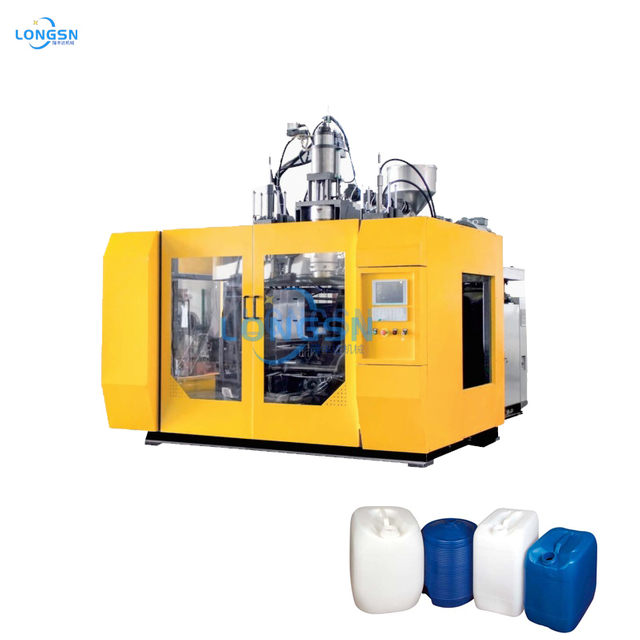
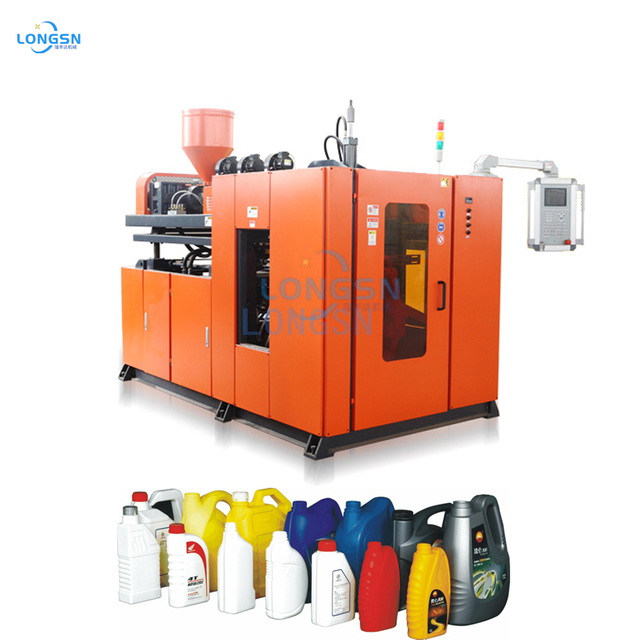
Single-Station vs. Double-Station HDPE Blowing Machines
Selecting the right station configuration determines your maximum daily output. It also drastically impacts your initial capital expenditure.
Single-Station Equipment
Single-station models fit perfectly for growing startups. They handle very short production runs efficiently. They accommodate limited budgets and smaller facility footprints. Trade-offs certainly exist here. You get much lower hourly output. However, operators find them significantly easier to maintain. Mold changeovers happen much faster. A small team can usually swap a mold in under two hours.
Double-Station Equipment
Established small businesses often prefer double-station units. They excel at scaling up existing product lines. They support continuous, high-volume production of specific container sizes. These units require higher initial capital. They demand precise mechanical synchronization between the two stations. Setup complexity increases significantly. You need highly skilled technicians to keep them running smoothly over long periods.
Operational Comparison: Single vs. Double Station Systems
| Feature | Single-Station | Double-Station |
| Initial Investment | Lower | Higher (approx. 40-60% more) |
| Production Output | Standard baseline | Nearly double the baseline |
| Mold Changeover Time | 1 to 2 hours | 3 to 4 hours |
| Maintenance Complexity | Moderate | High |
| Best Use Case | Diverse, short-run products | Dedicated, high-volume runs |
Accumulator Head vs. Continuous Extrusion
You will encounter two main extrusion methods during your search. Continuous extrusion serves as the industry standard for smaller bottles. These containers usually hold under five liters. The process runs smoothly and constantly. Accumulator heads work entirely differently. They gather melted plastic before pushing it out rapidly. You need this specific technology for larger industrial containers. Jerrycans and heavy drums require accumulator heads to prevent the heavy plastic parison from sagging.

Key Technical Evaluation Criteria (Beyond the Spec Sheet)
Do not rely solely on the glossy sales brochure. You must dig deeper into the actual components driving the machine.
Energy Efficiency (Servo-Driven Systems)
Power bills consume a massive portion of monthly operating budgets. Standard hydraulic pumps run constantly during operation. They waste enormous amounts of electricity generating unnecessary heat. You should invest 15% to 20% more upfront for servo motors. Servo-driven systems yield highly measurable financial returns. They only consume power when the machine actually moves. This targeted energy use slashes electricity consumption dramatically.
Parison Control Systems
Wall thickness control directly dictates your raw material costs. Brands like MOOG or Gefran provide precise parison control systems. They adjust the plastic thickness actively during extrusion. This technology reduces resin waste dramatically over time. It maintains container strength precisely where the bottle needs it. You avoid creating excessively heavy bottles just to pass standard drop tests.
PLC and Component Standardization
Machine downtime quickly destroys your annual profitability. You must evaluate the brand of the programmable logic controller. Look for highly reliable names like Siemens, B&R, or Beckhoff. Check the pneumatic valves for premium brands like Festo. Standardized parts matter immensely for small businesses. You can source replacement components locally. Proprietary parts force you to wait weeks for overseas shipments.
Deflashing and Automation
Removing excess plastic manually takes considerable time. Auto-deflashing capabilities speed up the entire production line. However, you must assess whether they justify their added cost. Compare the automation investment directly against your local labor rates. High local labor costs make auto-deflashing almost mandatory. Stringent quality control standards also heavily favor automated trimming over manual labor.
Hidden Costs and Implementation Realities
Small businesses often face severe budget overruns during equipment deployment. The main machine represents only a portion of the total investment.
The Auxiliary Equipment Trap
An hdpe blowing machine never operates in isolation. It requires a robust support ecosystem to function properly. Buyers often overlook these critical additions during budgeting. Auxiliary infrastructure routinely adds 20% to 30% to the total project cost.
- Air compressors: They deliver high-pressure, moisture-free air to inflate the plastic parison.
- Water chillers: They cool the molds rapidly to solidify the plastic and reduce cycle times.
- Auto-loaders: They transport raw resin pellets into the heated hopper automatically.
- Crushers: They grind up flash and scrap for immediate, cost-saving recycling.
Installation and Commissioning Risks
Getting the machine into your facility poses major logistical challenges. You must manage international shipping and customs carefully. Rigging heavy machinery requires specialized, insured contractors. Setup costs accumulate quickly during the first week. Plan a financial buffer for unforeseen delays during the commissioning phase. Leveling the machine and aligning the blow pins takes precise effort.
Operator Training
Never underestimate the steep technical learning curve. A machine proves only as reliable as its daily operator. Technicians must troubleshoot minor processing issues quickly. They need to understand complex temperature profile adjustments. They must master die centering to ensure even wall distribution. Invest heavily in hands-on training during the initial commissioning week. Do not let the vendor leave until your team feels confident.
How to Shortlist and Vet Equipment Manufacturers
You enter a long-term partnership when buying this equipment. Vetting the manufacturer requires systematic and rigorous due diligence.
Scrutinizing Warranties
Not all equipment warranties provide equal financial protection. You must differentiate between standard structural warranties and wear-part coverage. Heavy steel frames rarely break. However, internal wear parts deteriorate steadily. Extrusion screws, heated barrels, and heating bands require frequent replacement. Ask the vendor exactly how many months they cover these specific wear parts. Get this coverage detailed in writing.
The Factory Acceptance Test (FAT)
Never skip the Factory Acceptance Test. Make this a strictly mandatory step before issuing the final payment. Require the manufacturer to run your specific mold. They must use your exact specified resin grade. Demand a sustained production run of several hours. A quick five-minute demonstration proves absolutely nothing. Document the bottle quality, average cycle times, and scrap rates during this test.
Referencing Past Installations
Ask vendors for concrete references from past clients. You want to speak with businesses operating at similar output volumes. Verify their regulatory compliance needs and operational challenges.
- Request direct contact information for at least three recent buyers.
- Ask those buyers specifically about local support response times.
- Inquire about the actual working lifespan of the machine's primary components.
- Ask if they experienced any hidden fees during installation.
Conclusion
The right equipment selection balances upfront expenditure with long-term operational stability. You must look past the shiny exterior of the machinery. Dive deeply into the mechanics and control systems. We reiterate the absolute necessity of factoring in all auxiliary equipment. You will protect your profit margins by prioritizing standardized, locally available components.
To move forward successfully, take these action steps:
- Document your exact bottle specifications and realistic daily volume needs.
- Map your factory constraints, including floor space and electrical capacity.
- Finalize your auxiliary equipment budget before contacting any vendors for quotes.
- Demand a rigorous, multi-hour FAT before finalizing any purchase agreement.
FAQ
Q: How much power does a standard HDPE blowing machine consume?
A: The installed power on the spec sheet rarely reflects actual running consumption. Installed power represents the maximum draw if every motor and heater activates simultaneously. Actual running power consumption usually hovers between 50% and 60% of the installed rating. Servo-driven models reduce this actual consumption even further by optimizing motor usage.
Q: What is the expected lifespan of a blow molding machine?
A: A well-maintained structural frame easily lasts 15 or more years. However, internal components wear out much faster. PLCs, extrusion screws, and barrels require cyclical replacement. You should plan to replace heating bands and pneumatic seals every few years to maintain optimal production quality and prevent sudden breakdowns.
Q: Can one machine run both PE and PP materials?
A: Yes, but you must manage the transition carefully. PE and PP demand different processing temperatures. More importantly, they often require different screw designs for optimal melting and mixing. While a general-purpose screw can process both, dedicated long-run production favors a material-specific screw to prevent defects.
Q: How long does a typical mold changeover take?
A: Realistic benchmarks depend entirely on your setup. A small, experienced team can complete a mold changeover in 1 to 3 hours. Single-station machines without complex auto-deflashing automation sit on the lower end of this timeframe. Complex double-station setups require more alignment time and rigorous testing before resuming production.

 English