Post-molding finishing often creates a severe operational bottleneck in plastic bottle manufacturing. This phase remains notoriously labor-intensive. It also introduces critical errors into otherwise perfect production runs. Manual deflashing slows down output and risks product integrity. Transitioning from legacy finishing setups requires careful planning. You must align throughput targets, material specifications, and facility footprint constraints. Doing so ensures optimal performance on the factory floor.
This guide examines the technical applications of modern finishing equipment. We explore the operational benefits you can expect to achieve. We also outline strict evaluation criteria for selecting the right equipment. You will learn how to stabilize cycle times and integrate scrap reclamation. You will discover how to match machinery to specific bottle resins. Proper execution eliminates post-molding constraints completely.
Key Takeaways
- Efficiency Gains: Automated bottle trimming machines stabilize cycle times and reduce per-unit labor costs.
- Application Specificity: Equipment selection depends heavily on molding type (e.g., Extrusion Blow Molding), bottle material (HDPE, PP, non-PET), and trim location (neck, tail, or handle).
- Integration Realities: Successful deployment requires planning for scrap reclamation, compressed air consistency, and line synchronization.
- Evaluation Criteria: Shortlisting vendors requires analyzing changeover times, blade durability, and safety compliance rather than just peak speed.
The Business Case: Framing the Deflashing Problem and Success Criteria
Manufacturers often underestimate the hidden costs of manual trimming. Uneven neck finishes cause microscopic leaks during the filling process. Aesthetic defects damage brand reputation instantly. These issues lead directly to rejected batches. Every rejected unit wastes valuable resin and energy. Hand trimming also introduces microscopic surface variations. These variations compromise seal integrity during capping operations. Addressing the Cost of Poor Quality (COPQ) remains essential for profitability. Automation removes human error from this critical equation.
Relying on manual labor creates unpredictable variable costs. Trimming by hand carries significant ergonomic risks. Workers often suffer repetitive strain injuries over time. These injuries lead to operational downtime and expensive compensation claims. Conversely, investing in an automated bottle trimming machine requires a predictable capital expenditure. The machine works continuously without physical fatigue. You secure stable per-unit costs over the long term.
Upgrading your finishing line requires clear baseline metrics. Do not rely on vague efficiency goals. Establish strict key performance indicators (KPIs) before contacting vendors. A successful deployment should yield measurable improvements across production metrics.
Use these baseline criteria to evaluate potential upgrades:
- Audit current manual scrap rates daily to establish a baseline.
- Calculate the exact hourly cost of manual trimming labor.
- Identify the most frequent quality defects in finishing.
- Track Scrap Rate Reduction targets as a percentage.
- Measure Units Per Minute (UPM) stabilization expectations.
Core Applications: Aligning the Bottle Trimming Machine with Your Line
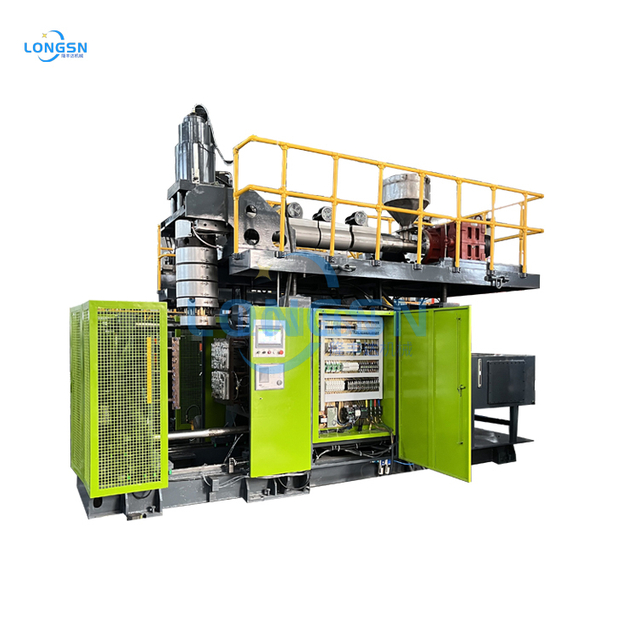
Extrusion Blow Molding (EBM) inherently produces excess plastic known as flash. This flash appears at the top, bottom, and handle areas. EBM lines necessitate specialized deflashing solutions. A standard cutter cannot handle complex handle flash geometries. You need robust mechanisms to punch out tail and neck scrap simultaneously. Proper integration catches this flash before it cools completely.
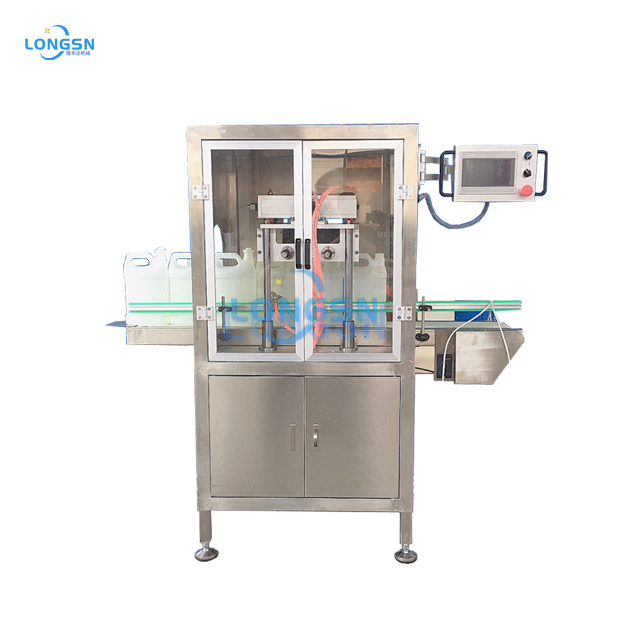
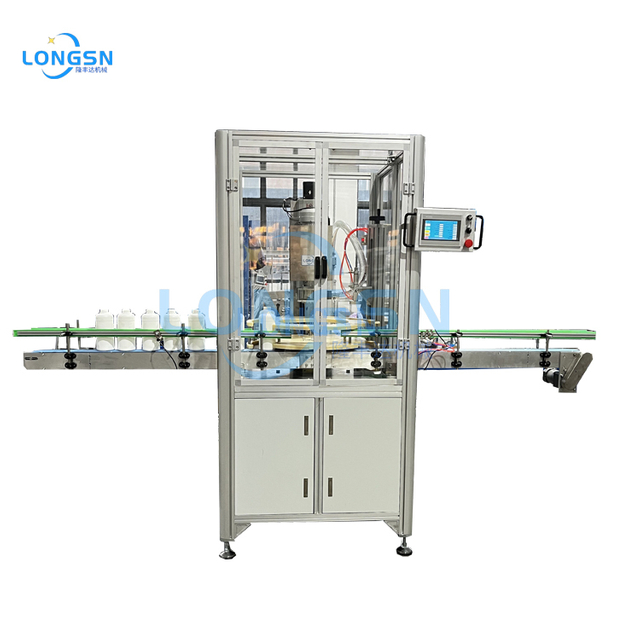
Different bottle designs require distinct cutting technologies. Spin trimming focuses entirely on precise dome removal. The machine rotates the bottle while a stationary blade slices the neck. Multi-axis edge trimming handles complex flash removal instead. These units trim handles and irregular seams perfectly. You must match the cutting style to your specific defect zones. Using a highly specialized bottle trimming machine ensures accurate dome removal on standard containers.
Resin type dictates equipment specifications heavily. Small non-PET bottles exhibit high structural rigidity. Flexible HDPE containers require completely different blade angles. Rigid materials can shatter under improper blade pressure. Flexible plastics might tear or stretch during the cut. High-volume standard 1L production demands continuous rotary speed. Low-volume custom shapes need agile, adaptable machinery. High-mix facilities prioritize quick changeover capabilities over raw operational speed.
Tangible Benefits: From Features to Operational Outcomes
Manual finishing often damages delicate bottle threads. Human hands cannot maintain identical cutting pressure throughout a shift. Rotary blades provide absolute mechanical precision. Calibrated indexing systems position each container perfectly before cutting. The blade strikes the exact same spot every single time. This consistency protects the thread profile completely. Perfect threads ensure airtight seals during subsequent capping processes.
A high-quality finishing unit synchronizes directly with your molding machine. This direct link prevents work-in-progress (WIP) staging. WIP staging wastes valuable factory floor space. It also increases the risk of dust contamination. Matching trimming speeds to molding output creates a seamless product flow. Bottles move straight from the mold into the trimmer.
Modern deflashing systems integrate directly into closed-loop recycling setups. Strategic conveyors catch the trimmed flash instantly. They transport this scrap directly into specialized granulators. The granulator regrinds the plastic for immediate extruder reuse. This direct integration significantly reduces raw material waste. Operational costs drop as you purchase less virgin resin monthly.
Evaluation Dimensions: How to Shortlist a Bottle Trimming Machine
Vendor brochures often highlight theoretical maximum speeds. Do not evaluate equipment based solely on these inflated numbers. Focus instead on sustainable operating speeds. A machine running reliably at 80% capacity outperforms one stalling at 100%. Evaluate the continuous duty cycle rating carefully. Ask vendors for references running similar line speeds.
High-mix facilities run multiple bottle profiles weekly. Tool-less adjustments become absolutely critical here. Look for intuitive, recipe-driven PLC controls. These interfaces allow operators to switch settings instantly. Modular cutting heads also speed up production transitions. You simply swap the head assembly instead of adjusting individual blades. This reduces changeover time from hours to mere minutes.
Industrial environments punish mechanical components severely. Assess expected blade lifespan under normal production use. Check the ease of access to common wear parts. Technicians must reach these parts without dismantling the entire frame. Demand standardized pneumatic and electrical components from recognized brands. Proprietary parts cause severe maintenance delays when breakdowns occur.
Automated finishing systems pose significant laceration hazards. Verify interlocked guarding around all moving parts. Opening a guard must trigger an immediate emergency stop. Review the emergency stop protocols closely. Ensure full CE or OSHA compliance before issuing a purchase order. Adhering to standards like ISO 12100 ensures operator safety.
Trimming Machine Evaluation Matrix
| Evaluation Dimension | Basic Models | Advanced Automated Models | Primary Benefit |
| Changeover Type | Manual tool adjustments | Tool-less / Recipe-driven PLC | Reduces downtime during product switches. |
| Cutting Mechanism | Fixed single-axis blades | Rotary multi-axis indexing | Prevents thread damage and ensures clean cuts. |
| Scrap Handling | Manual bin collection | Direct granulator conveyor link | Enables closed-loop recycling instantly. |
| Safety Features | Basic physical shielding | Interlocked guarding / ISO compliance | Eliminates laceration risks and liability. |
Implementation Realities and Adoption Risks
Trimming equipment relies heavily on upstream consistency. The molding process must produce stable flash thickness. Warped bottles will jam the rotary indexing mechanism immediately. Inconsistent wall distribution causes uneven cuts. The trimming unit cannot fix bad blow molding. You must stabilize the EBM process parameters first. Ensure molds cool evenly to prevent container distortion.
Automated machinery requires highly stable facility utilities. Fluctuating pneumatic pressure causes blade hesitation. Hesitation leads to jagged cuts and rejected bottles. Ensure your air compressor delivers steady PSI constantly. Consider the required facility footprint carefully. You need space for the machine itself. You also need dedicated room for scrap removal conveyors and operator access.
Automation changes workforce requirements entirely. You no longer need manual laborers for repetitive cutting. Instead, you need skilled machine technicians. Operators must learn machine setup and calibration procedures. Troubleshooting PLC faults becomes a primary daily responsibility. Invest heavily in comprehensive vendor training programs. Proper training prevents minor faults from causing major downtime.
Conclusion
A reliable finishing unit transforms your production floor dramatically. It transitions post-molding finishing from a variable risk. It becomes a controlled, highly predictable process. You eliminate manual errors and stabilize daily output.
Begin by mapping your current scrap rates thoroughly. Document exactly where manual defects occur most often. Define your required cycle times based on extruder output. Reach out to shortlisted vendors with these specific metrics. Request physical sample testing immediately. Send your specific bottle molds and resins. Evaluate the cut quality firsthand before finalizing any purchase decision.
FAQ
Q: What is the typical ROI period for an automated bottle trimming machine?
A: Most manufacturers achieve a return on investment within 12 to 18 months. This timeframe depends heavily on local labor rates and current scrap volumes. The savings stem from eliminating manual finishing wages and reducing rejected batches. Integrating closed-loop scrap recycling accelerates this payback period further.
Q: Can one trimming machine handle both HDPE and PP bottles?
A: Yes, versatile machines can handle both resins. However, you must adjust the blade pressure and cutting speeds. High-Density Polyethylene (HDPE) flexes differently than Polypropylene (PP). PP is more rigid and requires sharper blades to prevent micro-cracking. Recipe-driven PLCs make switching between these materials seamless.
Q: How does a bottle neck cutting machine differ from a general deflashing unit?
A: A neck cutting machine utilizes spin trimming to remove the top dome cleanly. It protects the delicate thread profile specifically. A general deflashing unit handles multi-axis scrap. It punches out tail flash and handle scrap from Extrusion Blow Molding processes. Neck cutters are highly specialized for top-only finishing.
Q: What are the common causes of uneven cuts in automated trimming?
A: Uneven cuts usually stem from upstream issues. Fluctuating pneumatic pressure causes the cutting blade to stutter. Warped bottles from uneven mold cooling will misalign in the indexer. Dull rotary blades also tear plastic instead of slicing it cleanly. Consistent air pressure and sharp blades resolve most cutting defects.
Q: Does the machine require a dedicated scrap removal conveyor?
A: While not strictly required, a dedicated conveyor is highly recommended. Letting plastic scrap accumulate under the machine causes jams. A conveyor automates removal and transports flash directly to a granulator. This setup enables immediate recycling, keeps the floor clean, and prevents workflow interruptions.

 English