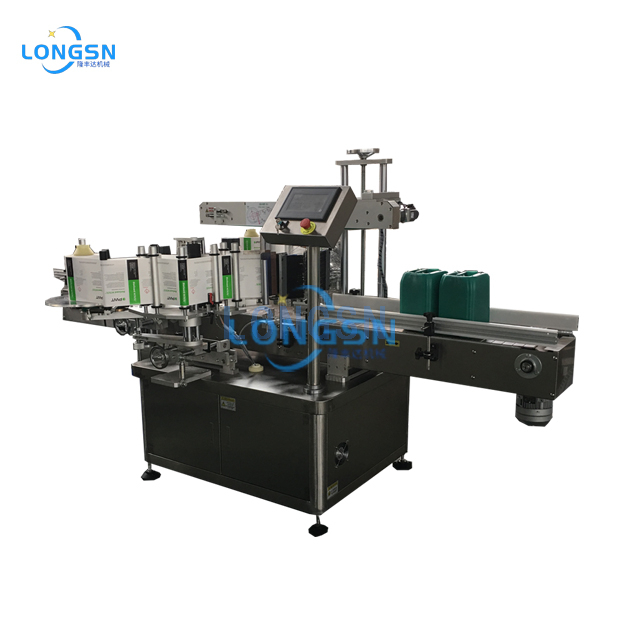
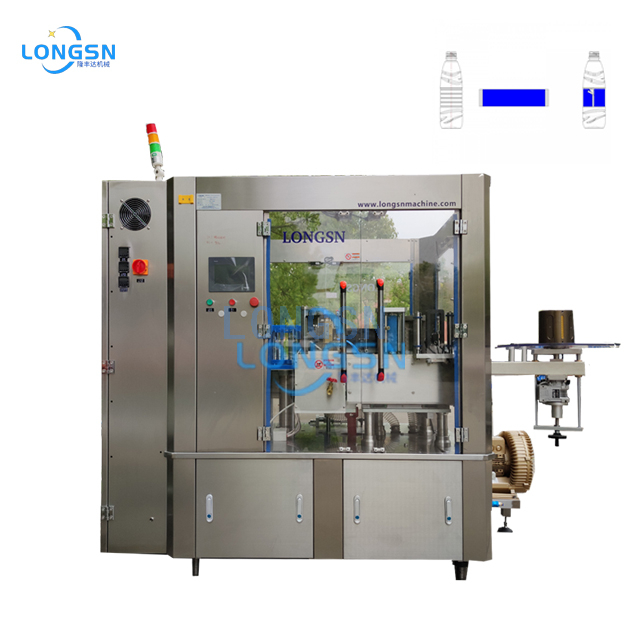
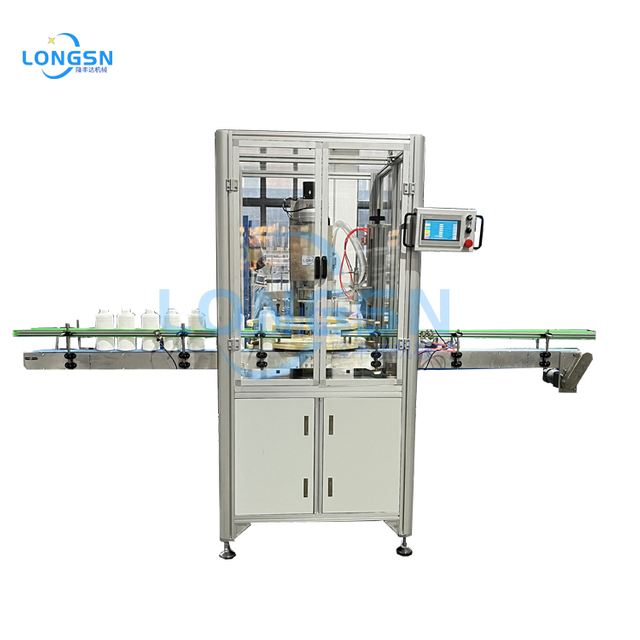
Transitioning to or upgrading an automatic labeling system represents a high-stakes capital expenditure for any manufacturing facility. A mismatch in specifications quickly results in chronic line bottlenecks. You will experience skewed labels, constant jams, and wasted materials. You must look beyond basic speed claims when evaluating equipment. Manufacturers often heavily promote their maximum bottles per minute (BPM). However, successful procurement requires a deeper technical alignment. You must match machine tolerances, sensor types, and integration capabilities directly to your specific packaging environment.
This guide breaks down the critical specifications and evaluation frameworks you need. We provide the technical knowledge to confidently shortlist the right equipment. You will learn how to evaluate motors, sensors, and structural designs to ensure peak performance. We will help you select an ideal machine for your production line without falling for inflated manufacturer claims.
Key Takeaways
- Motor type (Servo vs. Stepper) dictates long-term precision and speed consistency; match this to your throughput requirements.
- Integration goes beyond footprint; successful deployment requires evaluating PLC compatibility, conveyor sync, and vision system capabilities.
- True Total Cost of Ownership (TCO) heavily depends on changeover times and proprietary wear parts, not just the initial purchase price.
- Regulatory compliance (FDA, GMP) necessitates specific documentation and material construction (e.g., 304/316L stainless steel) from the manufacturer.
Defining Your Production Baseline and Success Criteria
Start your procurement process by assessing your current packaging line. Analyze your daily operations to identify the exact production bottleneck. You need to determine if your current limitation is raw speed or placement accuracy. Sometimes, the issue stems from labor shortages or frequent changeover delays. This initial baseline strictly dictates your eventual machine specifications. You cannot buy the right equipment until you clearly understand your specific operational constraints.
Next, establish realistic throughput requirements. Do not confuse a machine's maximum theoretical speed with practical sustained operational speed. Real-world bottles per minute depend heavily on existing line dynamics. You must factor in upstream filling speeds and downstream packaging rates. An ultra-fast labeler provides no value if your capper cannot keep pace. Calculate your sustained throughput by observing a full shift rather than a five-minute sprint.
Conduct a thorough material matrix mapping. Audit your container types closely. Note whether they use PET, glass, or metal. Detail their specific shapes, noting any tapers or ridges. Then, map these containers against your label materials. Document if you use standard paper, clear film, or metallic stocks. This comprehensive audit defines your baseline compatibility needs.
Finally, define precise success metrics for the project. Establish clear key performance indicators for the new equipment. Documenting these targets holds vendors accountable during the testing phase.
- Reduce label skew rejects to under 0.5% during high-speed runs.
- Cut mechanical changeover time by at least 50% using tool-less adjustments.
- Eliminate manual rework entirely within the first month of deployment.
- Achieve a sustained operational speed of 120 bottles per minute without sensor faults.

Core Specifications of an Automatic Bottle Labeling Machine
Evaluating an Automatic Bottle labeling machine starts with its drive system. Motor architecture heavily influences long-term performance. Stepper motors offer a highly cost-effective solution. They work perfectly for lower speeds and standard, straightforward applications. Servo motors, however, provide high-speed, high-torque precision. You need servo motors for closed-loop control. They actively prevent label drift during extended production runs.
Motor Architecture Comparison Chart
| Feature | Stepper Motors | Servo Motors |
| Cost | Low to Moderate | High |
| Speed Capabilities | Low to Medium (Under 100 BPM) | High to Ultra-High (100+ BPM) |
| Feedback System | Open-loop (No active error correction) | Closed-loop (Continuous position correction) |
| Best Application | Standard flat or round bottles | Tapered bottles, clear films, high-speed lines |
Assess application tolerances meticulously. Manufacturers often state generic placement accuracy metrics. You will frequently see claims of ±0.5mm to ±1.0mm. Challenge these numbers immediately. Request physical testing on your specific bottle taper. Real-world accuracy often differs significantly from controlled laboratory conditions. Tapered glass creates entirely different tension dynamics compared to uniform plastic cylinders.
Specify your exact label configuration capabilities upfront. Determine the required wrap type before reviewing machine catalogs. Decide if you need a partial wrap or a full wrap-around application. Note whether you require front and back placement or top and bottom labeling. Verify the dispensing head capabilities match your specific layout. Some heads lack the articulation needed for angled neck labels.
Sensor technology dictates accurate label detection. Standard photoelectric sensors work incredibly well for opaque paper labels. However, ultrasonic sensors remain strictly mandatory for transparent labels on clear bottles. A photoelectric sensor cannot see the tiny gap between a clear label and a clear liner. Relying on improper sensors causes skipped labels and constant line stoppages.
Assessing Line Integration and Scalability
Integration requires much more than just measuring floor space. Your labeling equipment must dynamically synchronize with existing conveyor speeds. Look for advanced programmable logic controllers (PLCs) governing the system. Ensure they feature intuitive human-machine interface (HMI) touchscreens. Operators need simple menus to adjust timing delays quickly. Seamless synchronization prevents bottlenecks and eliminates severe product damage.
Evaluate the machine footprint alongside its modular design. Compare the physical dimensions against your available floor plan. Prioritize modular frames heavily during the selection process. They allow you to add necessary features later. You might need a second applicator head in the future for promotional stickers. A modular design accommodates this growth seamlessly without requiring a completely new machine.
Ensure seamless upstream and downstream compatibility. The system must accept smooth handoffs from liquid fillers or cappers. Utilizing timing screws or star wheels helps organize containers before they reach the applicator. The machine also needs a flawless exit sequence to shrink-wrapping stations. Misaligned transfers cause jams and expensive line stoppages. Consider utilizing dynamic accumulation tables if your line speeds fluctuate throughout the day.
Common Integration Mistakes to Avoid:
- Ignoring the conveyor height differences between existing equipment and the new labeler.
- Failing to specify network protocols for central factory data collection.
- Underestimating the space needed for operators to safely load new label rolls.
- Assuming proprietary software will easily communicate with legacy factory systems.
Quality Control, Security, and Compliance Standards
Modern manufacturing demands strict automated quality control. Evaluate optional or built-in vision inspection systems carefully. These integrated systems automatically reject skewed, missing, or incorrect labels. They catch critical errors before products ever reach the consumer. This automated vigilance fiercely protects your brand reputation. It also prevents costly retail chargebacks from strict distributors.
Assess coding and printing integration thoroughly. Modern supply chains require real-time batch and date stamping. Check machine compatibility with inline thermal inkjet (TIJ) systems. Thermal transfer overprinters (TTO) and laser coders are equally common in high-speed environments. The labeling machine must securely mount these printers. It must also provide stable conveyor transit to ensure accurate, easily legible codes.
Sanitary and regulatory compliance remains a critical baseline. This applies heavily to the food, beverage, and pharmaceutical industries. Verify Good Manufacturing Practice (GMP) compliance early in the procurement phase. Look for IP65 or higher washdown ratings if your facility performs harsh chemical cleanings. Ensure the vendor strictly uses FDA-approved food-grade contact materials. Stainless steel construction, specifically 304 or 316L grades, is usually a non-negotiable minimum requirement.
Implementation Realities: Changeovers and Risks
Time equals money during daily production shifts. Evaluate the equipment changeover process closely. Measure exactly how long an operator takes to switch bottle sizes. Standard operators should easily change label rolls using tool-less adjustment dials. You do not want to rely on specialized maintenance technicians for simple daily transitions. Color-coded guides and digital position indicators drastically reduce operator errors during these shifts.
Scrutinize the immediate availability of critical wear parts. Machine maintenance requires reliable access to drive belts, peel plates, and tension rollers. Proprietary parts significantly increase your long-term operational risk. Standardized, off-the-shelf components lower your maintenance delays drastically. They keep your packaging line running smoothly when unexpected wear occurs.
Account for training and rollout friction realistically. Vendor support directly determines your adoption speed. Ask detailed questions about on-site installation assistance. Demand clear protocols for Factory Acceptance Testing (FAT) before the machine ships. Require rigorous Site Acceptance Testing (SAT) after installation. Review their standard operating procedure (SOP) documentation. Comprehensive manuals minimize operator confusion and prevent early adoption delays.
Conclusion
Sourcing an Automatic Bottle labeling machine is fundamentally an exercise in operational risk mitigation. Rely strictly on tested material tolerances instead of glossy marketing specifications. Demonstrable integration capabilities matter far more than theoretical maximum speeds. You must ensure the equipment seamlessly fits your unique operational environment.
Narrow your options systematically. Shortlist vendors who offer transparent testing protocols and standard, non-proprietary PLC components. Always demand documented proof of precision on your specific container types. Do not accept generic testing videos using standard round bottles if you run custom tapered containers.
Take immediate action to secure your upcoming investment. Request a formal capability test first. Send the vendor your most difficult bottle and label combination. Review these physical results thoroughly before you initiate a formal request for quotation (RFQ). This proactive step prevents expensive misalignments down the road.
FAQ
Q: What is the difference between inline and rotary automatic bottle labeling machines?
A: Inline machines are linear, highly flexible, and cost-effective for standard speeds. They work beautifully for straightforward runs. Rotary machines are built for ultra-high-speed, complex, or highly precise multi-label applications. You typically see rotary models used in high-volume breweries or demanding pharmaceutical environments.
Q: Why is my current labeling machine placing labels inconsistently?
A: Inconsistent placement usually stems from a conveyor speed mismatch. It also happens due to incorrect tension on the web roll or static electricity build-up. Additionally, a stepper motor might lose steps at high throughput, causing severe label drift.
Q: Can one automatic labeler handle both round and square bottles?
A: Yes, but it requires a machine featuring a modular or multi-head design. We often call this a "front, back, and wrap" machine. Transitioning between shapes involves specific changeover modules, which definitely impacts your daily transition time.
Q: How do I label clear bottles with clear labels automatically?
A: You must specify capacitive or ultrasonic label sensors during procurement. Standard photoelectric sensors will completely fail to detect the transparent gap between clear labels on a clear liner. Proper sensors guarantee accurate dispensing.

 English