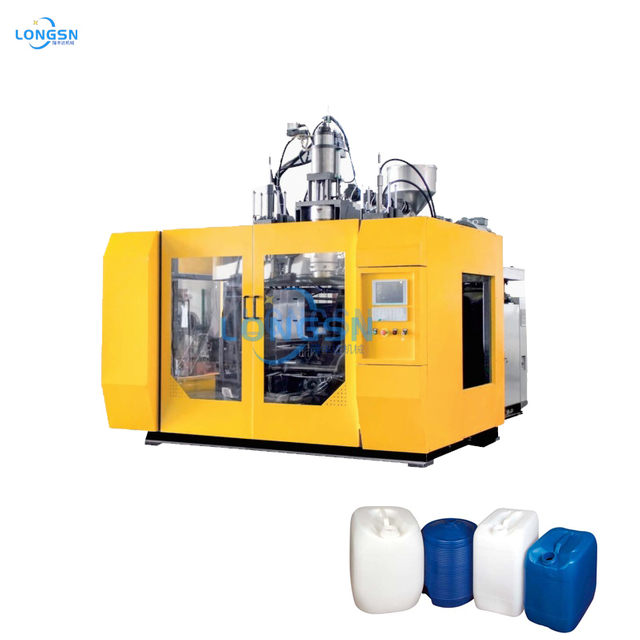
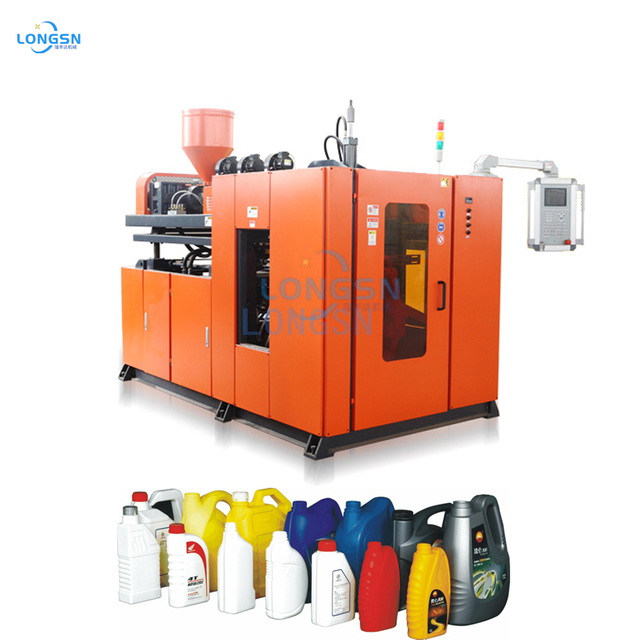
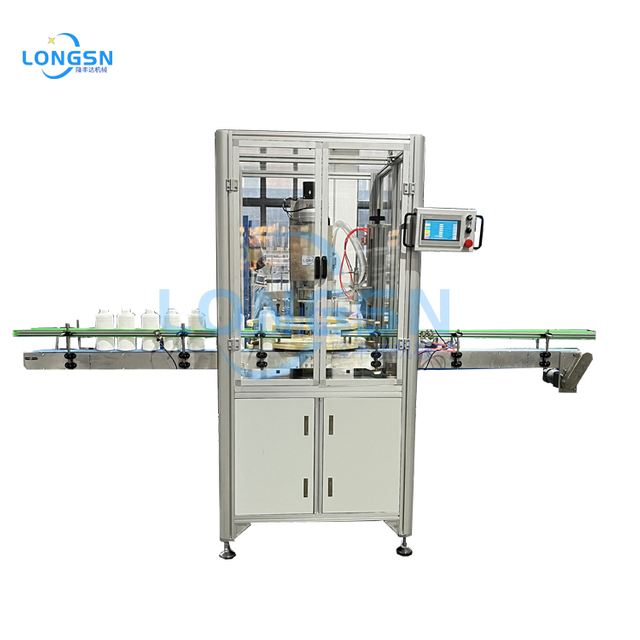
High-density polyethylene (HDPE) blow molding forms the backbone of global manufacturing operations. However, sheer production volume never guarantees business profitability automatically. You must match equipment specifications to precise industry applications. This alignment secures sustainable margins for your facility. Production directors and procurement leaders must shift their perspective now. Move away from evaluating basic material properties alone. Focus entirely on machine-level capabilities, production yields, and operational scaling. This approach defines modern manufacturing success.
This guide provides a definitive framework for machinery evaluation. It explains how equipment fits specific sector requirements perfectly. We analyze long-term lifecycle economics and outline concrete strategies. These strategies mitigate implementation risks effectively. You will understand how to choose the right technology. By the end, you will know exactly how to align machinery investments with strict production goals.
Key Takeaways
- Distinct industries require entirely different machine configurations (e.g., continuous extrusion for FMCG vs. accumulator heads for automotive).
- Evaluating an HDPE blowing machine requires looking beyond upfront cost to cycle times, energy efficiency, and multi-layer co-extrusion capabilities.
- Successful implementation hinges on facility readiness, specifically regarding cooling infrastructure and mold changeover expertise.
- Shortlisting vendors should prioritize Factory Acceptance Testing (FAT) transparency and localized aftermarket support.
Industry-Specific Problem Framing and Success Criteria
FMCG and Cosmetic Packaging
The fast-moving consumer goods (FMCG) sector demands high-volume output continuously. Cosmetic brands require uniform wall thickness alongside a flawless aesthetic finish. The business problem centers on meeting aggressive market demand without sacrificing visual quality. Bottlenecks destroy profitability in this high-speed environment.
Success criteria are strictly quantitative here. You must target sub-15-second cycle times. Multi-cavity output scales your operations effectively. You should also demand seamless in-mold labeling (IML) integration. IML eliminates downstream labeling processes entirely. This integration saves both time and floor space. Master these criteria to dominate the FMCG packaging space.
Chemical and Agricultural Containers
Chemical leaching and container degradation pose serious risks for manufacturers. Agricultural products demand strong barrier properties for safe storage. The core business problem involves preventing toxic chemical migration. Standard single-layer containers simply fail under these harsh conditions.
Success criteria revolve around multi-layer co-extrusion capabilities. You often need machines capable of producing 3 to 6 distinct layers. These layers incorporate recycled cores safely into the container middle. They also integrate EVOH barrier layers effectively. The EVOH layer blocks chemical migration completely. This ensures absolute compliance with hazardous materials regulations.
Automotive and Industrial Components
Industrial manufacturers often produce irregular, large-volume hollow parts. Fluid reservoirs and custom ducting fall into this complex category. Structurally complex parts present unique manufacturing challenges. The business problem focuses on preventing structural weak points during molding.
Success requires extremely high clamping force. You need 3D blow molding capabilities to eliminate excess pinch-off waste. Precision parison programming remains essential. This technology handles complex geometries effortlessly. It distributes plastic evenly across sharp angles. You avoid thin corners and structural failures completely.

Key Evaluation Dimensions for an HDPE Blowing Machine
Extrusion Head Technology (Continuous vs. Accumulator)
You must choose the correct extrusion head for your specific product. Map continuous extrusion to lightweight, high-speed container production. Parison drops continuously in this setup. It suits small bottles and jerrycans perfectly. This method maximizes output for consumer goods.
Conversely, accumulator head technology serves a drastically different purpose. It handles heavy, thick-walled industrial parts. These large components require massive shot sizes to form properly. The accumulator collects molten plastic first. It then pushes it out rapidly. This rapid push prevents the heavy plastic from sagging before the mold closes.
Clamping Force and Carriage Configuration
Clamping force directly dictates product quality and consistency. Guide your procurement by calculating required tonnage accurately. You calculate this based on several factors. Part size and mold dimensions determine the baseline force. Cavity count also increases the necessary tonnage.
Adequate tonnage prevents parting line flash entirely. Flash occurs when plastic escapes the closed mold. It drastically increases material waste during production. Proper clamping force ensures clean edges. It reduces downstream deflashing labor significantly.
Comparison of Extrusion Head Technologies
| Technology Type | Best Application | Key Characteristic | Typical Shot Size |
| Continuous Extrusion | FMCG, Cosmetic Bottles | High-speed, continuous drop | Small to Medium |
| Accumulator Head | Automotive, Industrial Parts | Prevents parison sag | Large |
Energy Consumption and Drive Systems
Traditional hydraulic systems consume significant energy during operation. Contrast them directly with all-electric or hybrid servo-driven machines. Servo-driven models typically offer 20-30% energy savings. They only draw power when active movement occurs. Constant-running hydraulics waste energy continuously.
Servo-driven machines do carry a higher initial capital expenditure. However, the long-term utility cost reductions easily justify the investment. Lower energy bills improve your operational margins immediately. They also support corporate sustainability initiatives.
Automation and Downstream Integration
Think carefully about labor costs and throughput goals. You must evaluate the necessity of downstream automation. Automated deflashing reduces manual labor requirements. Leak testing ensures structural integrity before shipping. Defective bottles never reach your customers.
Robotic part removal speeds up cycle transitions. It also prevents part contamination from human handling. Choose these downstream integrations based on your target capacity. High-volume runs practically mandate full automation. It keeps your hdpe blowing machine running at maximum efficiency.
Scalability and Lifecycle Efficiency
Production Scaling Constraints
Assess equipment limits regarding future capacity early in the process. Business growth demands flexible manufacturing equipment. Can you retrofit the extrusion head later? You might need to add more layers soon. Expanding cavity count extends machine lifespan significantly.
Check the maximum extruder output capacity in kilograms per hour. Verify the physical platen size. Larger platens accommodate bigger molds in the future. Buying a machine fixed to a single product limits your growth. Prioritize flexible configurations for long-term success.
Material Efficiency and Scrap Recovery
Evaluate closed-loop material handling thoroughly before purchase. You must manage excess plastic effectively to remain profitable. The machine should seamlessly integrate with dedicated granulators. Granulators re-introduce flash directly back into the extrusion process.
This scrap recovery must happen without degrading part quality. Proper blending systems ensure consistent material properties. They mix virgin resin and regrind accurately. High material efficiency lowers your raw material expenses. It maximizes the financial return of every production run.
Maintenance Overheads
Wear parts demand constant attention and budget allocation. Screws, barrels, and extrusion die heads degrade over time. Abrasive materials accelerate this inevitable wear. Address these components transparently during the evaluation phase.
Factor in the exact cost of replacements. Calculate their expected lifespan under 24/7 operational loads. Regular preventative maintenance prevents catastrophic failures. Keep essential spare heater bands and thermocouples in stock. Proactive maintenance protects your production schedule.
Implementation Realities and Adoption Risks
Facility Infrastructure Prerequisites
Facility readiness determines your immediate deployment success. Risk: Inadequate chilled water supply severely hampers production speed. High-speed manufacturing requires robust, consistent cooling. Insufficient cooling lengthens cycle times dramatically. It also causes severe part warpage after ejection.
Solution: Audit your existing chiller capacity before machine procurement. Upgrade your infrastructure if necessary. Ensure the water flow rate meets the manufacturer specifications exactly. Consistent water temperature guarantees stable production dimensions.
Mold Compatibility and Changeover Downtime
Product shifts can cripple your daily output. Risk: Extended downtime during product shifts destroys profitability. Changing molds often takes several hours using traditional methods. Idle machines generate zero revenue.
Solution: Evaluate quick-mold-change (QMC) systems during procurement. Magnetic platens or hydraulic clamps reduce setup times. Ensure the new machine's platen dimensions align perfectly. They must fit your existing mold assets exactly. Standardizing mold bases across your facility saves massive amounts of time.
Operator Expertise and Training Curves
Transitioning to advanced parison control involves a steep learning curve. Multi-layer systems require highly specialized tuning. Operators must understand complex thickness programming thoroughly. A 100-point parison controller intimidates untrained staff.
Factor vendor-supplied training into your deployment timeline. Competent operators maximize machine output immediately. They diagnose minor issues before they escalate. Invest heavily in your personnel. Their expertise unlocks the full potential of your new equipment.
Shortlisting Logic and Next-Step Actions
Defining the RFP (Request for Proposal)
Vague requirements lead to very poor investments. You must structure your RFP meticulously. Mandate that vendors provide guaranteed cycle times upfront. Demand exact energy consumption metrics for your parts.
Base these performance metrics on your specific 3D part drawings. Do not accept generic marketing data from brochures. Outline your exact factory conditions. Include ambient temperature and available power supply. Clear expectations force vendors to provide accurate solutions.
Factory Acceptance Testing (FAT) Requirements
Outline a strict FAT protocol for all potential suppliers. This testing proves machine capability before shipping. Run the hdpe blowing machine continuously for 8+ hours. Do this at the vendor's site.
Follow these essential FAT steps strictly:
- Use your specific resin grade during the entire test.
- Install your actual production mold, not a test mold.
- Verify product weight consistency across hundreds of cycles.
- Confirm automated flash removal works reliably every time.
Vendor Support and Parts Availability
Hardware failures happen eventually in any manufacturing environment. Prioritize vendors with regional service technicians nearby. They should maintain domestic spare parts hubs. Waiting weeks for international shipping ruins your delivery schedules.
Localized support minimizes unplanned downtime significantly. Ask about remote diagnostic capabilities. Many modern machines connect to the internet safely. Engineers can troubleshoot software issues remotely. This immediate support keeps your production lines moving.
Conclusion
The evaluation framework we covered ensures strategic procurement. The right machine bridges the critical gap successfully. It connects raw HDPE potential directly with industry-specific profitability. You must match technology to your exact packaging or industrial needs. Continuous extrusion serves fast consumer goods. Accumulator heads tackle heavy industrial challenges.
Base the final procurement decision on a validated financial model. This model must heavily weight energy efficiency. Material savings matter immensely over a ten-year lifespan. Proven FAT results should always override the lowest initial bid. Prioritize scalability, robust support, and verifiable performance metrics. This disciplined approach guarantees long-term manufacturing success.
FAQ
Q: What is the typical ROI timeline for an industrial-grade HDPE blowing machine?
A: Capacity utilization largely determines the return on investment timeline. It typically ranges from 18 to 36 months for industrial setups. High scrap reduction rates accelerate this timeline significantly. Energy savings from modern servo-driven motors also improve payback periods. Maximizing uptime through proper maintenance ensures you hit these financial targets.
Q: Can a single HDPE blowing machine handle both single-layer and multi-layer applications?
A: Technical limitations make this highly impractical. Multi-layer production requires specialized die heads. It also demands multiple extruders running simultaneously. Therefore, you usually require dedicated machines for multi-layer barrier containers. Retrofitting a single-layer machine for multi-layer tasks often costs too much. Dedicated equipment guarantees consistent quality and prevents production bottlenecks.
Q: How does servo-hydraulic technology impact blow molding precision?
A: Servo systems deliver highly repeatable operations. They provide precise parison control compared to traditional constant-running hydraulics. This exact control minimizes wall thickness variations. It drastically reduces material waste during long production runs. The motors only draw power during active movements. This translates directly to better precision and lower energy bills.

 English