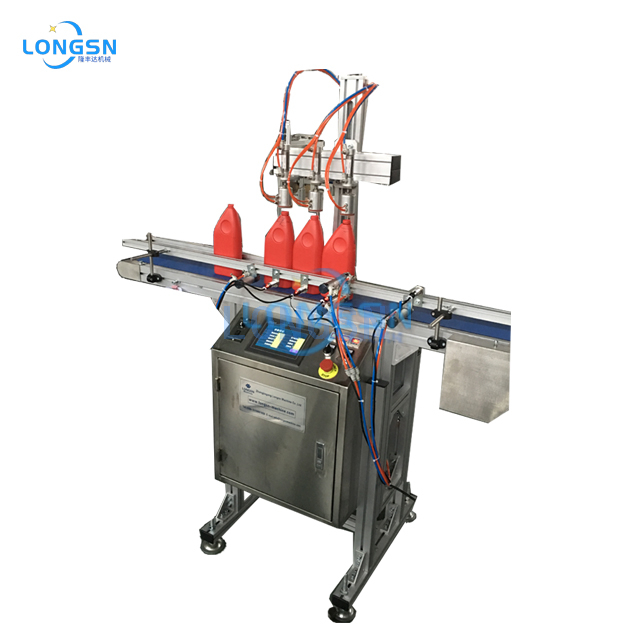
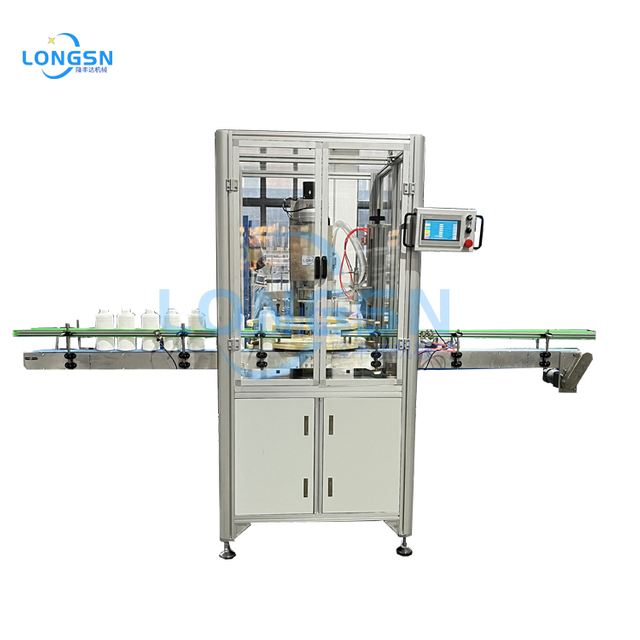
Quality control in packaging goes far beyond a simple end-of-line checklist. Manufacturers need a robust safeguard against product recalls. You must prevent lasting brand damage and heavy regulatory penalties. Failing to secure package integrity risks consumer safety entirely. A single leaking container can compromise an entire shipping pallet.
Historically, manufacturers relied on destructive, manual water-bath tests. Operators submerged bottles and looked for bubbles manually. Today, modern facilities embrace fully automated, non-destructive methodologies. These advanced systems offer high precision without sacrificing usable products. You save significant usable material during daily operations.
This article offers an evidence-based framework for quality control managers. We explore how different sectors utilize a bottle leak test machine for strict compliance. You will learn actionable strategies to handle high throughput seamlessly. We examine the exact technologies driving accurate defect detection today.
Key Takeaways
- Method-to-Material Matching: Different industries require distinct testing methodologies (e.g., vacuum decay for rigid plastics, pressure decay for flexible containers) based on container material and contents.
- Compliance is Industry-Specific: Pharmaceutical applications demand stringent USP <1207> compliance, while food and beverage focus heavily on high-speed inline verification.
- Integration Realities: Successful deployment requires balancing defect sensitivity (micron level) with production line speed to avoid false rejects and bottlenecks.
The Business Cost of Inadequate Packaging Integrity
Micro-leaks cause severe operational damage across the supply chain. They allow oxygen to enter sealed packaging unexpectedly. This oxygen exposure leads to rapid product spoilage. It accelerates oxidation in sensitive dairy beverages. It also creates dangerous cross-contamination risks during transport. Brands suffer severe reputational damage when products fail on shelves. You simply cannot ignore these hidden, microscopic defects.
Relying on outdated sampling methods creates a dangerous false sense. Testing just one in a thousand bottles leaves massive gaps. Low-resolution testing techniques often miss microscopic pinholes entirely. They fail to protect your entire production run systemically. You might ship thousands of defective units unknowingly.
A successful leak testing implementation requires meeting strict operational criteria:
- Achieve zero false positives during normal daily production operations.
- Maintain zero false negatives at nominal high-speed line rates.
- Generate fully auditable data trails for strict regulatory compliance.
- Identify capping equipment failures immediately through real-time feedback loops.
- Ensure the testing method never alters the original product state.

Core Technologies Powering a Bottle Leak Test Machine
You must align your chosen testing technology precisely. Consider your specific container geometry and material properties. A modern bottle leak test machine typically employs three core methods.
Vacuum decay works best for rigid and semi-rigid non-porous bottles. The ASTM F2338 standard defines this robust deterministic methodology. We primarily use it for containers holding stable liquids. It also inspects bottles containing dry solid powders perfectly. The machine places the bottle into a sealed test chamber. It draws a specific target vacuum level rapidly. It then measures minute pressure changes over a set time. A rising pressure indicates air escaping from a leak. It can detect defects down to 5 microns ideally. Operators trust this reliable method completely for quality control.
Pressure decay suits flexible packaging applications perfectly. It also works exceptionally well for specific custom-molded bottle geometries. The system pressurizes the container or chamber directly. It then monitors any internal pressure drops continuously. A dropping pressure indicates a definite seal failure. This method detects gross leaks and fine leaks reliably. It prevents collapsed bottles on retail store shelves effectively.
High-Voltage Leak Detection (HVLD) serves a highly specific niche. Manufacturers use it exclusively for liquid-filled pharmaceutical vials. The machine applies a high voltage across the glass container. Liquid leaking through a micro-pinhole alters the electrical resistance. The system detects this sudden electrical spike instantly. This non-destructive technique provides extreme defect sensitivity. HVLD easily finds sub-micron defects in critical sterile products.
Real-World Industry Use Cases and Compliance Lenses
Different industries face unique packaging challenges daily. We must evaluate them carefully using specific compliance lenses.
Pharmaceuticals & Medical Liquids
Application focus centers entirely on Container Closure Integrity Testing (CCIT). This critical category includes sterile glass vials and eye drops. It also covers liquid syrups and sensitive biological products. A compromised seal puts patient safety directly at risk. Evaluation dimensions emphasize strict adherence to FDA 21 CFR Part 11. Data integrity remains paramount for every single tested batch. Facilities must also follow rigorous USP <1207> guidelines strictly. You need reliable sub-micron defect detection consistently. The inspection process must never alter the sensitive drug inside.
Food & Beverage Packaging
Application focus highlights everyday consumer goods like dairy and juices. It also covers pressurized beverages and nutritional energy drinks. Manufacturers commonly use lightweight PET and durable HDPE bottles. These plastic materials often deform under improper handling pressure. Evaluation dimensions require exceptional high-throughput inline testing capabilities. You must prevent oxidation to maintain maximum product shelf life. Environmental variables pose a major daily inspection challenge. Temperature changes during hot-fill processes affect test accuracy severely. Modern systems must dynamically compensate for these sudden thermal shifts.
Cosmetics & Personal Care
Application focus includes expensive lotions, shampoos, and luxury serums. These premium products rely heavily on flawless brand presentation. Evaluation dimensions involve testing highly complex, asymmetrical bottle shapes. Custom dispenser pumps also require careful mechanical handling. Non-destructive testing preserves high-value aesthetic packaging perfectly. Brands cannot afford scratches, scuffs, or dents during automated inspection. The testing chamber must protect the exterior completely.
Chemical & Industrial Fluids
Application focus covers potent agrochemicals and synthetic motor oils. It also involves testing harsh household cleaners and solvents. These volatile products present significant handling risks. Evaluation dimensions prioritize mitigating hazardous material leakage aggressively. Toxic spills cause severe environmental damage and safety issues. You must test thicker, multi-layered plastic containers effectively. These heavy-duty bottles require higher pressure differentials during inspection. The testing equipment must withstand harsh industrial environments daily.
Table: Industry Application Requirements
| Target Industry | Common Container Type | Primary Inspection Challenge | Key Compliance Standard |
| Pharmaceuticals | Sterile Glass Vials, Plastic Syrups | Sub-micron defect detection | USP <1207>, FDA 21 CFR Part 11 |
| Food & Beverage | PET, HDPE Bottles | High line speed, hot-fill compensation | Internal Corporate QA Standards |
| Cosmetics | Asymmetrical luxury bottles | Protecting aesthetics during testing | Brand Quality Specifications |
| Chemicals | Thick multi-layer plastics | High pressure differential handling | Safety / Hazardous Material Regs |
Implementation Realities: Integrating Leak Testers into Production Lines
Integrating a bottle leak test machine requires careful operational planning. You must choose the right system configuration for your facility.
Offline configurations suit batch quality assurance tasks perfectly. They isolate the delicate testing process from line vibrations. They offer higher sensitivity due to longer available testing cycles. Inline setups provide critical total inspection for every produced unit. However, inline integration demands precise mechanical alignment. Fast conveyors can cause severe bottle instability quickly. You must manage container spacing flawlessly for accurate measurements.
Managing false rejects remains a constant engineering challenge. The fundamental physics of testing depend on stable environmental conditions. Temperature fluctuations naturally expand or contract trapped air. Bottle handling variations cause tiny micro-deformations on the plastic walls. Tooling wear changes chamber seal integrity over time. Any of these variables can trigger frustrating false positives. You must calibrate sensors accurately to reject only true defects.
Changeover times and system scalability introduce significant operational risks. Prolonged downtime during bottle size changeovers hurts daily production goals. You need seamless, tool-less changeover mechanisms. Recipe-driven HMI setups allow quick digital adjustments between container formats. Operators should switch bottle profiles in minutes, not hours.
Evaluation Framework: Shortlisting Your Next Bottle Leak Test Machine
You must evaluate potential equipment based on strict operational criteria. Throughput directly competes against maximum defect sensitivity. This physical limitation creates a critical trade-off equation. Faster production cycle times reduce the time available for decay measurement. Less measurement time naturally impacts your overall sensitivity limit. You must find an acceptable balance suitable for your product.
Assess tooling complexity and physical adaptability closely. Some legacy machines require expensive custom molds for every SKU. This rigid design limits future packaging innovations severely. Others utilize advanced, adaptable testing chamber technology. Adaptable systems handle multiple container shapes effortlessly. This inherent flexibility dramatically improves your long-term production agility.
Evaluate the underlying software and data architecture thoroughly. The machine should integrate seamlessly into existing factory MES networks. Real-time trend analysis helps identify upstream capping issues early. It spots failing torque heads before they produce mass rejects. Predictive maintenance alerts prevent sudden, catastrophic equipment failures.
Vendor support networks and calibration protocols matter greatly. Accessible calibration services keep your production lines running smoothly. You need certified reference leaks to verify daily machine performance. Prompt localized technical support helps maintain strict testing validation. A robust support network ensures maximum machine uptime continuously.
Conclusion
- Choosing the proper inspection technology secures your entire manufacturing process.
- You must align the machinery carefully.
- Consider your unique industry requirements, container geometry, and line speed.
- Always prioritize non-destructive methods to minimize material waste.
- Engage directly with reputable equipment manufacturers early in your project.
Request a comprehensive feasibility study immediately. Ship them your exact bottles filled with your actual product. Ask them to perform rigorous sample testing under simulated conditions. Establishing empirical baseline data removes the technical guesswork entirely. It guarantees a smooth, successful implementation on your factory floor.
FAQ
Q: What is the minimum leak size a standard bottle leak test machine can detect?
A: The detection limit depends heavily on the specific testing methodology. Under ideal conditions, a vacuum decay system can reliably detect leak sizes ranging from 5 to 15 microns. HVLD systems provide even higher sensitivity for liquid-filled vials, identifying sub-micron defects. Flexible packaging tested via pressure decay generally detects defects around 10 to 20 microns.
Q: How does environmental temperature affect leak testing accuracy?
A: Temperature fluctuations directly impact internal pressure based on the ideal gas law. A warmer environment causes trapped air to expand, potentially masking a small pressure drop during a test. Modern automated systems combat this physical reality by utilizing advanced thermal compensation algorithms to adjust baseline measurements dynamically.
Q: Are non-destructive leak tests recognized by regulatory bodies?
A: Yes, global regulatory bodies fully recognize and encourage non-destructive testing. Organizations actively shift away from outdated destructive dye ingress tests. Methods like vacuum decay are formalized in standards such as ASTM F2338. The pharmaceutical industry also relies on USP <1207> guidelines, which strongly advocate for non-destructive, deterministic testing methodologies.
Q: How often does a bottle leak test machine require calibration?
A: Best practices dictate daily verification checks and annual formal calibrations. Operators should verify the system at the start of every shift using a calibrated master leak standard. This ensures immediate accuracy. A certified technician must perform a comprehensive formal calibration annually to maintain compliance and proper equipment validation.

 English