Investing in plastics manufacturing equipment carries high stakes. Decision-makers must constantly balance initial capital expenditure against long-term production efficiency. Material yield also plays a crucial role in overall profitability. Getting this specific balance right determines your market competitiveness.
Evaluating an hdpe blowing machine requires moving far beyond basic spec sheets. You must understand how the equipment performs under actual production constraints. High scrap rates, slow cycle times, and continuous operation demands quickly expose inadequate machinery.
By analyzing real-world application cases, you can better map machine capabilities to specific ROI criteria. We will explore diverse scenarios ranging from high-volume packaging to strictly regulated medical containers. This practical analysis helps you identify and eliminate hidden operational bottlenecks across your facility.
Key Takeaways
- Cost Efficiency: Custom HDPE blow molding configurations reduce material waste and optimize cycle times, directly accelerating ROI.
- Compliance & Precision: Modern machines offer the necessary wall-thickness control and cleanroom compatibility required for strict medical and chemical packaging standards.
- Process Selection: Understanding the functional limits between blow molding and injection molding prevents costly misalignments in industrial part production.
- Risk Mitigation: Successful deployment relies heavily on evaluating total cost of ownership (TCO), including operator training, maintenance availability, and mold-changeover speeds.
The Business Case: Framing the Production Challenge
You need clear baseline metrics to evaluate industrial equipment effectively. Establishing these success criteria prevents emotional or purely price-driven purchasing decisions. We recommend tracking three core indicators.
- Cost per unit: Factor in energy draw, raw materials, and labor.
- Overall Equipment Effectiveness (OEE): Measure machine availability, performance speed, and output quality.
- Material utilization: Track the exact ratio of sellable product versus generated scrap.
Legacy systems often suffer from predictable pain points. Inconsistent wall thickness causes severe quality issues. High energy consumption drives up running expenses. Slow changeovers kill daily productivity. Upgrading to a modern hdpe blowing machine directly solves these common bottlenecks.
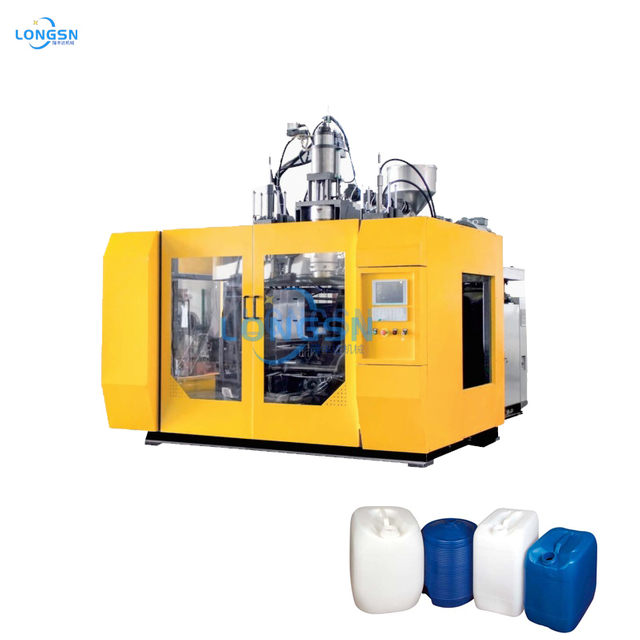
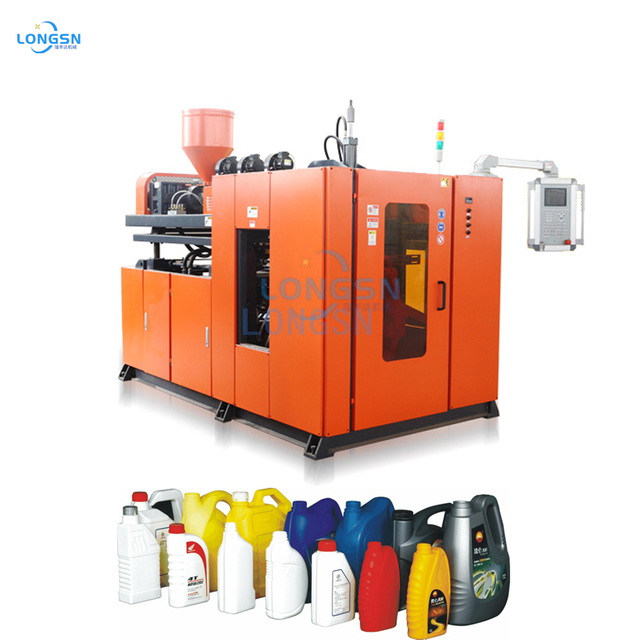
You cannot rely on one-size-fits-all machinery. Custom blow molding solutions align equipment specifications to your exact production goals. Continuous extrusion works beautifully for small packaging items. Accumulator head systems handle large, heavy parts seamlessly. Choosing the correct configuration prevents major production delays down the line.
Best Practice: Always audit your current machine downtime logs before requesting quotes for new equipment. Identifying your specific bottlenecks dictates which custom features you actually need.

Case Study 1: Maximizing Cost Efficiency in High-Volume Packaging
A leading consumer goods manufacturer recently faced severe margin compression. Material waste remained consistently high. Slow cycle times hindered daily bottle production. The company desperately needed a reliable way to scale output without increasing floor space.
They deployed a multi-cavity, continuous extrusion system. The vendor optimized this specific hdpe blowing machine for aggressive lightweighting. Lightweighting reduces the plastic used per bottle while maintaining structural integrity.
The outcomes proved highly successful. The production team documented a massive reduction in raw material usage. They achieved this reduction through precision parison programming. Energy efficiency also improved measurably. Transitioning to all-electric and hybrid blow molding systems cuts power draw significantly compared to older hydraulic units.
When evaluating similar upgrades, you must calculate your ROI timeline carefully. Base this calculation primarily on raw material savings. Next, factor in your increased output per hour. This dual-lens approach easily justifies the initial capital expenditure required for premium equipment.
Case Study 2: Meeting Compliance in Medical and Chemical Containers
Producing rigid, leak-proof containers requires absolute precision. Manufacturers face strict regulatory compliance, required chemical resistance, and trace-free manufacturing standards. A medical supplier struggled to maintain these standards across high-volume runs.
The solution involved utilizing a specialized blowing machine. It featured automated deflashing and comprehensive cleanroom-compliant upgrades. Enclosed mechanical areas and medical-grade stainless steel contact points prevented contamination.
This deployment delivered measurable evidence of success:
- Achieved perfectly consistent wall distribution. This ensures passing strict drop-test durability requirements crucial for hazardous chemicals.
- Integrated automated quality control vision systems. The cameras instantly rejected malformed parts, achieving zero-defect compliance.
- Eliminated manual trimming steps, reducing human contamination risks entirely.
You must evaluate machine vendors based on validation support. Ask about their Installation Qualification (IQ), Operational Qualification (OQ), and Performance Qualification (PQ) frameworks. Strong material handling safety standards remain non-negotiable in the medical sector.
Common Mistake: Purchasing standard machinery and attempting aftermarket cleanroom retrofits often voids warranties and fails regulatory audits. Buy purpose-built compliant machines instead.
Case Study 3: Scaling Up Industrial & Automotive Components
An automotive tier-1 supplier wanted to transition from heavy, multi-part metal assemblies. They aimed to create lightweight, single-piece hollow plastic components. Target products included complex fluid reservoirs and HVAC ducting.
Blow molding won the manufacturing contract over injection molding. We outline the fundamental decision matrix below.
Comparison Chart: Blow Molding vs. Injection Molding
| Evaluation Metric | Blow Molding | Injection Molding |
| Tooling Costs | Significantly lower for large hollow parts | Very high due to complex core requirements |
| Part Geometry | Ideal for seamless, single-piece hollow vessels | Requires welding two halves together for vessels |
| Structural Integrity | Superior flexibility and impact resistance | Can be brittle along weld lines |
| Production Speed (Large Parts) | Fast cycle times via accumulator heads | Slower cooling phases for thick walls |
The supplier implemented an accumulator head machine designed specifically for large-shot capacities. It easily handled high-viscosity engineered resins.
The transition consolidated multiple parts into single molds. This led to vastly reduced assembly time and lowered manual labor costs. The final hollow components demonstrated exceptional durability and impact resistance under extreme engine temperature variations.
Evaluation Criteria: Choosing the Right HDPE Blowing Machine
Navigating the equipment market requires a structured approach. You should map specific machine features directly to your desired business outcomes. Avoid paying for excessive capabilities you will never utilize.
Features-to-Outcomes Matrix
| Machine Feature | Direct Business Outcome |
| Servo-driven hydraulics | Lower monthly power bills and quieter operation |
| Co-extrusion capabilities | Use of recycled core layers, reducing material costs |
| Advanced parison programming | Perfect wall thickness, eliminating weak spots |
| Automated deflashing | Reduced labor overhead and faster downstream packing |
You might consider purchasing used equipment to save money. We urge you to apply a transparent assessment framework here. Refurbished machinery is only viable when backed by a solid OEM warranty. Beware of hidden long-term financial risks. Outdated control panels often lack replacement parts. Hydraulic wear causes microscopic inconsistencies during extrusion.
Scalability matters immensely. Assess the equipment's ability to handle quick mold changes. Your new system must adapt to different resin grades or future product lines smoothly. Quick-change mold setups keep your facility nimble during fluctuating market demands.
Implementation Realities & Risk Mitigation
Installation involves unglamorous realities. Facilities must upgrade infrastructure before the machine arrives on site. Ensure your chilled water systems can handle the new thermal load. Calculate your compressed air demands accurately. Verify your factory floor layout accommodates the expanded footprint.
Operator adoption presents another significant hurdle. Advanced parison control interfaces require a steep learning curve. Legacy operators might resist modern touchscreen controls initially. You must emphasize the importance of vendor-provided training programs. Allocate sufficient paid hours for your team to learn the new software.
Procurement teams should follow strict shortlisting logic. First, request trial runs utilizing your actual production molds. Second, heavily audit vendor service response times. Third, structure strict performance guarantees into your final purchasing contracts. If the equipment fails to hit agreed cycle times, the vendor must provide engineering support until it complies.
Conclusion
A successful investment relies on aligning machine specifications tightly with verifiable production use cases. Buying off-the-shelf specs rarely yields maximum profitability. You must match the equipment type—whether continuous extrusion or accumulator head—to your precise product geometry and volume goals.
Take actionable steps today. Conduct a comprehensive cost-benefit analysis. Use your current scrap rates and cycle times as a baseline. Compare these figures against the guaranteed outputs of a modern setup.
Prompt your internal decision-makers to act. Request a custom technical consultation from an established manufacturer. Alternatively, download a detailed machine specification guide to start mapping your future facility upgrades.
FAQ
Q: How long does it typically take to see ROI on a new HDPE blowing machine?
A: Return on investment typically ranges from 18 to 36 months. This timeline depends heavily on your material savings through lightweighting. Significant energy efficiency gains compared to your legacy equipment also accelerate this payback period rapidly.
Q: What is the difference in operational cost between accumulator head and continuous extrusion machines?
A: Accumulator head systems require higher initial capital and consume more energy per cycle, making them necessary only for large or heavy parts. Continuous extrusion offers high-speed efficiency and lower running expenses, making it highly cost-effective for small packaging runs.
Q: Can existing blow molding machines handle recycled HDPE (rHDPE)?
A: Processing recycled materials usually requires specific screw designs. Standard screws may degrade the recycled polymer. Many manufacturers upgrade to co-extrusion setups. This allows them to sandwich recycled layers between virgin plastic, maintaining perfect structural integrity.
Q: What are the hidden costs when purchasing a used blow molding machine?
A: Hidden expenses typically stem from control system obsolescence and a complete lack of OEM technical support. Severe hydraulic wear is another critical factor. You must audit these areas thoroughly, as sudden breakdowns can quickly erase any initial purchase savings.

 English