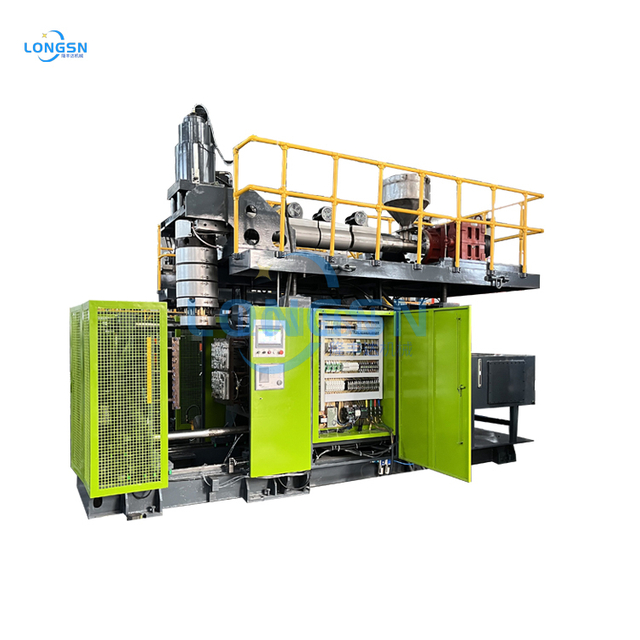
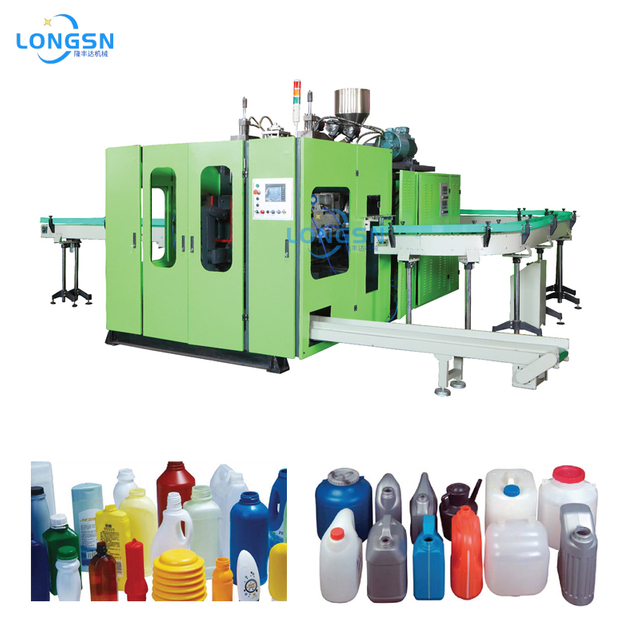
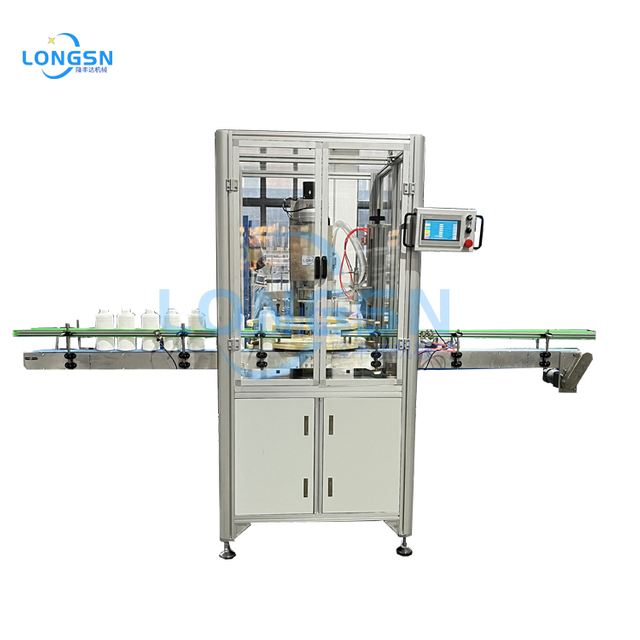
Investing in capital equipment carries high stakes for manufacturing facilities. Purchasing a plastic blow molding machine represents a critical CapEx decision. It dictates production bottlenecks, unit economics, and long-term facility efficiency. Buyers often over-spec their machines. This mistake leads to wasted capital and unnecessary floor space consumption. Conversely, under-specifying equipment results in high scrap rates. You also lose the ability to scale operations effectively as demand grows. We designed this guide to help you navigate these complex choices. You will gain an objective, vendor-neutral framework for evaluating various technologies. We also cover how to assess return on investment and mitigate implementation risks. You will learn to match machine capabilities directly to your daily production needs. Your final equipment choice must align perfectly perfectly with your specific resin types and target geometries.
Key Takeaways
- Technology matching is paramount: Choosing between Extrusion (EBM), Injection (IBM), or Stretch (ISBM) depends entirely on your resin type, production volume, and product geometry (e.g., handles vs. high clarity).
- Evaluate beyond clamping force: Parison programming, energy efficiency (electric vs. hydraulic), and cycle times often impact profitability more than raw machine size.
- TCO outlasts sticker price: Energy consumption and scrap recovery capabilities will outpace the initial machine cost over a 10-year lifecycle.
- Supplier vetting requires strict protocols: Insist on rigorous Factory Acceptance Testing (FAT) using your own resins and molds before signing off.
Matching Machine Technology to Your Production Output
Every successful manufacturing run starts here. You must match the core technology to your specific product requirements. A technical mismatch destroys profitability early. Let us explore the primary equipment formats.
Extrusion Blow Molding (EBM)
This method remains highly versatile across the industry. It works best for hollow parts featuring irregular shapes. You will often see it used for detergent jugs, industrial drums, and automotive fluid reservoirs. Integrated handles explicitly require this specific technology. Extrusion forces a hollow tube of melted plastic downward before the mold closes around it.
Resin compatibility remains broad. Operators frequently run High-Density Polyethylene (HDPE), Polypropylene (PP), and Polyvinyl Chloride (PVC). You must consider the manufacturing byproduct carefully. EBM produces flash at the top and bottom of the container. This scrap material requires inline trimming equipment. You will also need dedicated regrinding systems to recover the plastic effectively.
- Best practice: Keep your regrind ratio consistent. Adding too much recycled material degrades container strength.
- Common mistake: Failing to account for die swell when designing complex asymmetrical bottle shapes.
Injection Blow Molding (IBM)
You need this technology for small, high-precision containers. The process produces zero flash. Think about medical pill bottles, pharmaceutical droppers, and premium cosmetics packaging. The injection phase guarantees a perfect, flawless neck finish. The process injects plastic onto a core pin before moving it to a blowing station.
Decision criteria focus heavily on initial tooling expenses. IBM molds cost significantly more than EBM molds. However, IBM fits perfectly into high-volume manufacturing environments. You choose this route when exact tolerances matter most. Medical sectors demand this precision. Scrap is simply unacceptable in these strict applications. You avoid secondary trimming operations entirely.
Injection Stretch Blow Molding (ISBM)
Manufacturers rely on ISBM for high-volume, crystal-clear containers. Water bottles and carbonated beverage packaging dominate this specific category. The process primarily utilizes Polyethylene Terephthalate (PET) resin. A stretching rod elongates the preform before blowing. This action aligns the polymer chains. It creates incredible structural strength and impact resistance.
You must evaluate single-stage versus two-stage configurations. Single-stage machines handle lower volumes and highly specialized shapes. They inject the preform and blow the bottle in one continuous cycle. Two-stage systems separate preform injection from the final blowing process. You use two-stage setups for massive volume runs. These systems require high-speed preform reheating tunnels. They dominate the bottled water industry.
Comparison of Core Blow Molding Technologies
| Technology Type | Ideal Applications | Primary Resins Used | Flash (Scrap) Generated |
| Extrusion (EBM) | Jugs with handles, large drums | HDPE, PP, PVC | Yes (Requires trimming) |
| Injection (IBM) | Medical bottles, small cosmetics | PE, PP | No |
| Stretch (ISBM) | Clear water bottles, soda packaging | PET | No |

Key Performance Specifications for Evaluating a Plastic Blow Molding Machine
Reviewing spec sheets can overwhelm even experienced buyers. Vendors highlight dozens of proprietary features. You need to focus strictly on metrics directly impacting your daily output and operational stability.
Clamping Force and Platen Size
Do not guess your required tonnage. You must calculate it accurately. Use the projected surface area of your largest intended product. Multiply this area by the internal blow pressure. Always add a 20% safety margin to your final number. This buffer protects your mechanical linkages from premature wear. Undersized clamps allow molds to blow open slightly. This creates thicker flash and ruins part dimensions.
You must also verify platen dimensions carefully. Ensure they accommodate future multi-cavity molds. Buying a machine just for today's mold limits your future business growth. Measure your tie-bar spacing. Make sure your maintenance team can access the molds easily for routine cleaning.
Extrusion Capacity and Parison Control
The Length to Diameter (L/D) ratio in the extruder matters immensely. A proper ratio ensures excellent melt homogeneity. It prevents un-melted resin chunks from entering the die head. These solid chunks cause weak spots and ruin final parts. Most modern machines utilize a 24:1 or 25:1 ratio for standard resins.
You must insist on a multi-point parison programmer. A 100-point thickness control system is non-negotiable for modern manufacturing. It changes the die gap dynamically as the plastic tube drops. It allows you to lightweight products effectively. You save massive amounts of resin costs annually. It also strengthens weak corners by adding targeted material only where necessary.
Drive Systems: Hydraulic vs. Hybrid vs. All-Electric
Drive systems dictate your utility bills and maintenance schedules. You have three main choices in today's market.
- Hydraulic: These systems are traditional and robust. They deliver massive clamping force reliably. However, they consume significant energy. They also require constant oil filtration, leak management, and active water cooling.
- All-Electric: These units command a higher upfront cost. They offset this by offering up to 50% energy savings. They operate quietly and precisely. You can easily deploy them in medical clean-room environments. Servo motors only draw power when actively moving.
- Hybrid: This solution balances cost and efficiency perfectly. It uses electric servo drives for extrusion and carriage movement. It retains hydraulics strictly for heavy high-pressure clamping.
Do not ignore your local power grid stability. All-electric models demand clean, stable voltage to protect their sensitive servo controllers.
Assessing ROI and Financial Factors
Every plastic blow molding machine carries hidden operational expenses. You must look beyond the initial invoice price. Over a decade, running costs dwarf the initial purchase amount. Evaluating these elements guarantees a stronger return on investment.
Energy Consumption
Stop looking only at the main motor's peak power rating. It misleads buyers constantly. Instead, evaluate the kilowatts consumed per kilogram of processed plastic (kW/kg). This specific metric reveals true mechanical efficiency. Heating barrels, running carriage movements, and powering chiller pumps draw massive electrical currents. Compare the steady-state consumption across different vendor proposals. Request real-world energy consumption data from existing customer installations.
Scrap Recovery and Material Efficiency
You must evaluate how the equipment integrates with auxiliary recovery units. Look closely at granulators and automatic deflashing systems. Seamless closed-loop regrind integration changes your financial outlook entirely. It directly lowers your raw material costs. When flash drops straight into a grinder and flows backward to the hopper via vacuum, you eliminate waste. You also reduce manual labor handling. Poorly designed scrap integration leads to material contamination and increased floor sweepings.
Downtime and Changeover Speed
Production stops during mold changes. You lose money every single minute the machine sits idle. Look for Quick Mold Change (QMC) systems. Accessible die heads also speed up routine color-change purging. Calculate the cost implications carefully. Taking four hours to switch product lines destroys your operational margins. Reducing this to 45 minutes unlocks agile manufacturing. It allows you to accept smaller, more profitable orders without disrupting your overall equipment effectiveness (OEE).
Supplier Evaluation and Compliance Standards
A machine is only as reliable as the manufacturing company standing behind it. Thoroughly vetting your vendor prevents years of frustration. You are entering a long-term technical partnership.
After-Sales Support and Parts Availability
You must assess the supplier's domestic footprint. Ask exactly where they stock spare mechanical parts. Are replacement valves and heating bands shipped locally? International freight delays can keep your production line down for weeks. Calculate the cost of three weeks of downtime. It easily justifies choosing a vendor with local warehousing.
Modern equipment requires digital support infrastructure. Demand remote PLC troubleshooting capabilities. Secure VPN access allows technicians to diagnose software bugs from across the globe. They can tweak PID heating loops or adjust carriage timings without booking a flight.
FAT and SAT Protocols (Factory/Site Acceptance Testing)
Never accept a machine based on generic dry-cycle times. These theoretical numbers mean nothing in reality. Demand a multi-hour production run before authorizing shipping. This is your Factory Acceptance Test (FAT). Use your specific mold. Run your exact target resin. Ensure the ambient temperature matches your facility.
You must verify cycle times physically. Check the drop-test passing rates for the produced bottles. Inspect the wall thickness distribution. Do all this before authorizing final payment. Follow up with a Site Acceptance Test (SAT) once the equipment reaches your floor to verify installation integrity.
Safety and Regulatory Compliance
Do not compromise on operator safety under any circumstances. Ensure the equipment features fully compliant safety gating. Look for CE, UL, or OSHA certifications depending on your region. Light curtains and emergency interlocks must function perfectly. They must kill all machine movement instantly when breached. Operating a non-compliant plastic blow molding machine creates massive legal liability for your business. It also endangers your workforce.
Facility Preparation and Implementation Risks
Preparing your factory floor properly prevents expensive installation delays. You cannot simply drop these machines onto the floor and plug them in.
Auxiliary Equipment Dependencies
These complex machines cannot operate in a vacuum. You must evaluate requirements for chilled water systems. High-pressure air compressors are absolutely critical. This is especially true for ISBM applications requiring 40-bar blowing pressure. You also need adequate resin drying and conveying systems. PET resin must be dried thoroughly before processing to prevent moisture-induced brittleness. Under-sizing your water chiller represents a massive risk. If molds run hot, you must extend cycle times to cool the plastic. This ruins your projected daily output.
Infrastructure Requirements
Verify your concrete foundation immediately. Check its specific load-bearing capacity. Dynamic vibrations from heavy carriage movements can crack thin floors. You may need specialized vibration isolation pads.
Measure your ceiling height carefully. You need adequate vertical clearance for extruder screw removal during maintenance. You must also install capable HVAC systems. The equipment generates significant ambient heat loads during peak production. Poor ventilation creates harsh working conditions and overheats electronic control cabinets.
Operator Training
Your staff must adapt to new digital technology. Transitioning from older relay-logic machines challenges veteran operators. Modern touchscreen Human-Machine Interfaces (HMI) require distinct upskilling. Technicians shift from turning mechanical wrenches to adjusting software parameters. Ensure vendor-provided training is explicitly included in your final contract. Ask for both classroom theory and hands-on operational training.
Conclusion
Purchasing the right equipment transforms your manufacturing capabilities permanently. You must define your exact product geometry before comparing vendors. Select the appropriate technology format, whether it is EBM, IBM, or ISBM. Specify features prioritizing lightweighting capabilities and electrical efficiency to protect your long-term profit margins. Rigorously vet your supplier for local parts support and strict testing protocols. Your facility infrastructure must also match the machine's robust requirements.
Your next step requires immediate action. Build a comprehensive Request for Proposal (RFP). Include your exact mold dimensions and target cycle times. Specify your acceptable scrap rates and energy consumption limits. Send this detailed document to a shortlist of three or four vetted manufacturers to begin competitive bidding.
FAQ
Q: What is the average lead time for a new plastic blow molding machine?
A: You can typically expect a lead time of 3 to 6 months. This timeline depends heavily on customization requirements. Specifying specialized parison controllers or custom platen sizes adds weeks to the build process. Global shipping logistics, customs clearance, and port delays can also extend final delivery schedules.
Q: How long is the expected lifespan of commercial blow molding equipment?
A: A well-maintained machine easily lasts 15 to 20 years. Heavy cast-iron frames and robust platens endure decades of continuous use. However, you will likely need to retrofit the electronic control systems and PLCs after about 10 years as software standards and touchscreens evolve.
Q: Can one machine process different types of plastics?
A: Yes, but doing so is rarely optimal. Screw and barrel designs are explicitly optimized for specific resins like HDPE, PVC, or PET. Running vastly different materials usually requires a complete mechanical screw changeover. Failing to swap the screw compromises melt quality and overall production efficiency.
Q: What is the difference between single-station and double-station blow molding?
A: Single-station setups are cheaper, mechanically simpler, and easier to maintain. Double-station machines utilize two separate mold shuttles operating under a single continuous extruder. This configuration effectively doubles your production capacity while only marginally increasing the required factory floor space.

 English