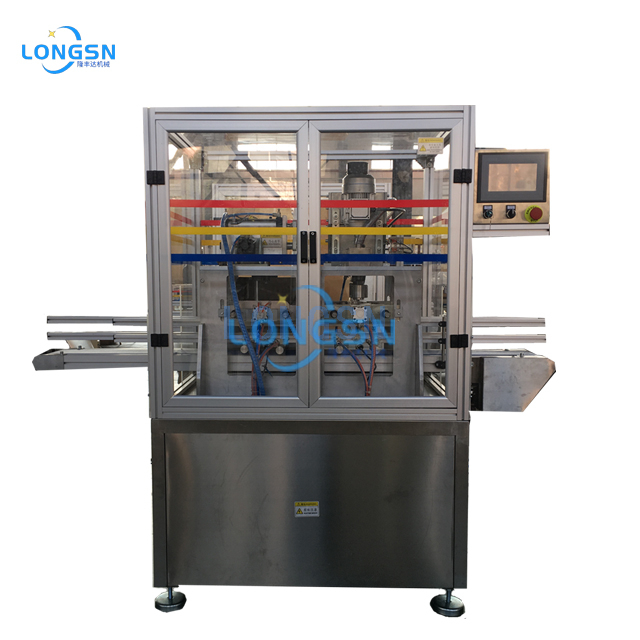
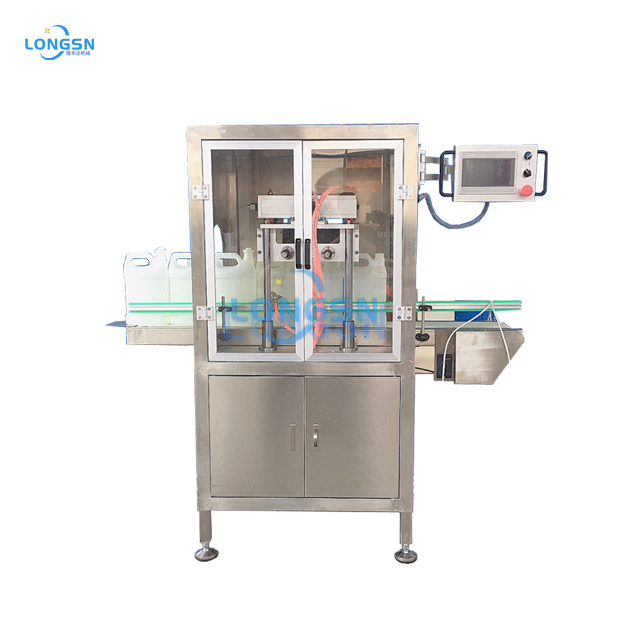
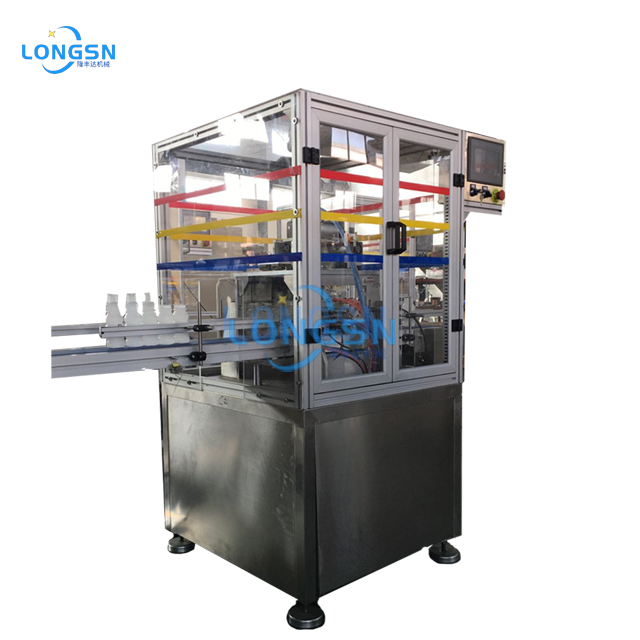
The rapid expansion of localized plastic recycling—ranging from desktop 3D printing filament generation to commercial-scale material recovery—has made specialized cutting equipment a critical investment. Buyers frequently misalign their throughput requirements with machine capabilities. This results in either overspending on excessive industrial capacity or suffering through frequent mechanical failures, such as bearing tilt, blade dulling, and structural warping, with undersized desktop or DIY units. Additionally, search intent confusion often leads buyers to mistakenly purchase glass crafting bottle cutters instead of mechanical plastic shear cutters. To avoid operational bottlenecks, wasted capital, and safety hazards, you must evaluate equipment based on material processing physics, mechanical stability, and output scale. This guide provides a technical framework for selecting the appropriate plastic bottle cutting machine for your specific application.
Key Takeaways
- Shear vs. Score Mechanics: Plastic bottle cutting requires mechanical shearing, slicing, or heated parting, which is fundamentally different from the scoring and thermal shock mechanics used in glass bottle cutters.
- Scale Dictates Architecture: Desktop and open-source community units are engineered for continuous PET strip generation, laboratory units focus on non-deforming cross-sections for quality control, and industrial machines are built for high-volume shredding and granulation.
- Structural Material Matters: For precision strip cutting, CNC-machined metal bearing housings prevent the common "bearing tilt" failure found in cheap, 3D-printed hobbyist units.
- Long-Term Operational Expenses Extend Beyond Purchase Price: Factoring in blade replacement frequency, metallurgy (e.g., D2 tool steel vs. standard utility razor blades), maintenance downtime, and regional compliance certifications is essential for accurate ROI calculation.
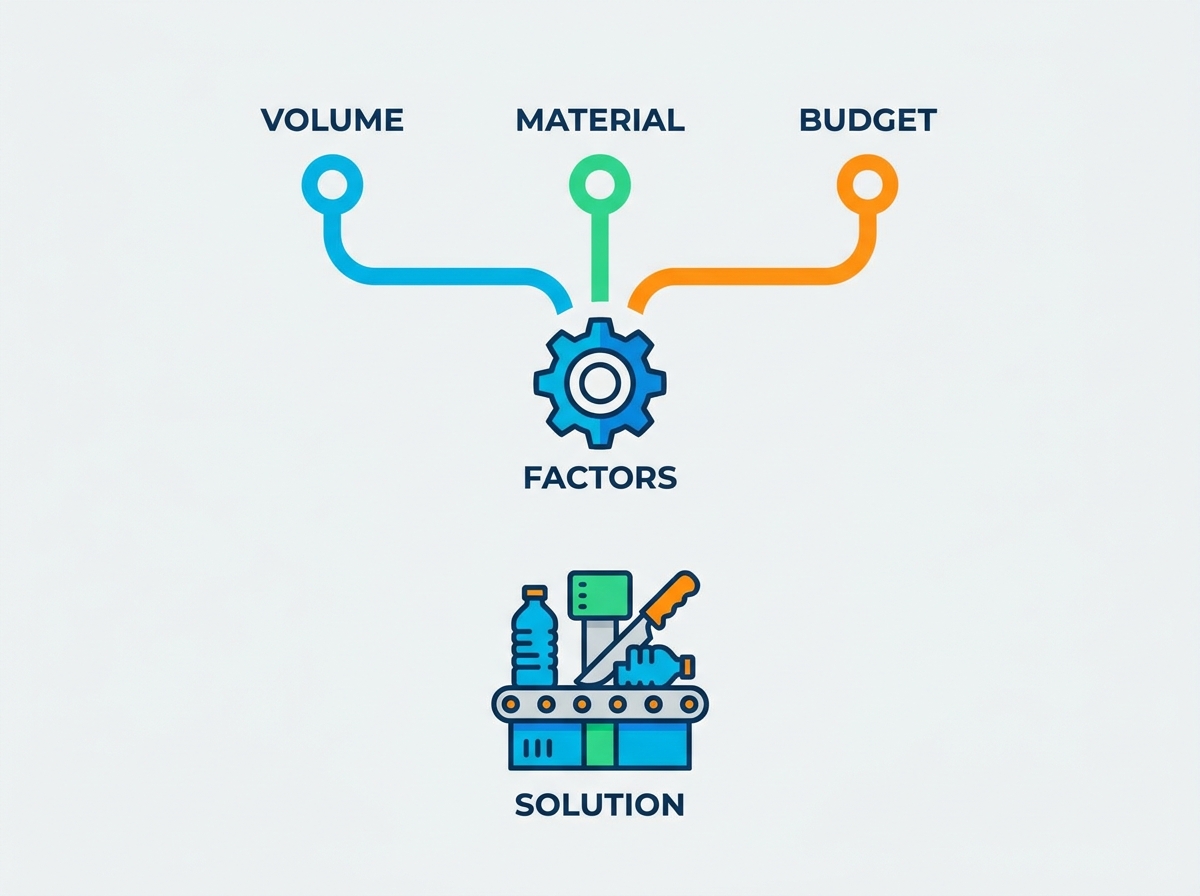
Defining Your Success Criteria: Framing the Production Problem
Preventing the Glass vs. Plastic Mis-purchase
Explicitly distinguish your application before evaluating equipment. Glass bottle cutters, designed primarily for crafting and upcycling, use diamond grit or carbide wheels to score surfaces before applying thermal shock. This method is entirely ineffective on polymers. A dedicated machine for plastic must utilize sharp cutting blades, heated wires, or dual-shaft rotators to physically shear ductile materials without melting or tearing them. Attempting to use a scoring tool on a PET container will only result in surface scratches, leaving the structural integrity of the container intact. You need mechanical force, sharp edges, and proper tension to process polymers effectively.
End-Product Specifications
Define the exact output required from your processing line. If the goal is producing continuous PET strips for 3D printer filament or pultrusion, the machine must maintain strict dimensional tolerances to prevent extruder jams. Precise sectional cuts are mandatory for laboratory testing and quality control, requiring clean edges that do not alter the structural integrity of the sample. Conversely, commercial recycling operations require bulk shredded flakes, prioritizing volume reduction and high throughput over individual cut precision. Knowing exactly what the material will look like after processing dictates the type of cutting mechanism you need to deploy on the floor.
Throughput and Volume Demands
Calculate your required processing speed in bottles per hour or kilograms per hour. Establishing this baseline is critical for determining the necessary motor torque, blade metallurgy, and feeding mechanisms. A system designed to process twenty bottles an hour will suffer catastrophic motor failure if tasked with continuous commercial loads. High-volume operations demand robust, continuous-duty motors and automated feeding systems to maintain efficiency. You must match the machine's rated capacity to your actual daily intake, leaving a margin for peak production days without overloading the drive systems.
Operational Environment Constraints
Assess your physical workspace limitations. Industrial shredders require significant floor space, reinforced concrete foundations, and three-phase power supplies. Desktop units operate on standard single-phase power but still require adequate ventilation if heated parting methods are used. Additionally, evaluate acceptable noise decibel levels; commercial granulators generate substantial noise, necessitating soundproof enclosures or dedicated acoustic zoning to protect operators. Dust extraction and material handling logistics also play a massive role in how you set up the physical footprint of the machinery.
Solution Categories: Types of Plastic Bottle Cutting Machines
Desktop and Hobbyist PET Strip Cutters
These compact units are primarily used for converting standard 2-liter soda bottles into PET strips for DIY 3D printing filament. The core mechanics typically utilize stacked bearings, standard utility blades, and manual or low-torque motorized pulling mechanisms. While highly accessible for recreation and upcycling, they present severe limitations. They are prone to bearing tilt and frame deformation under tension, and they are highly sensitive to bottle surface inconsistencies, ribbing, and adhesive residues. Operators often find themselves constantly adjusting blade height and tension to maintain a consistent strip width, making these units unsuitable for anything beyond casual use.
Community-Scale and Open-Source DIY Kits
Designed for small-scale localized circular economy initiatives and makerspaces, these machines bridge the gap between hobbyist tools and industrial equipment. They provide high-reliability PET strip production without the massive budget requirements of commercial machinery. Heavy-duty, open-source designs feature machined aluminum blocks, dual-shaft bearings, and integrated heating blocks for pre-tensioning the plastic. However, they require initial assembly, manual calibration, and ongoing mechanical troubleshooting. They also typically lack commercial safety enclosures out of the box, meaning operators must build their own guards to prevent accidental contact with the heating elements or pulling gears.
Laboratory and Quality Control Bottle Cutters
Precision sectioning of PET bottles is essential for wall thickness analysis, burst testing, and quality assurance in packaging manufacturing. These units are common in food, beverage, and pharmaceutical laboratories. They utilize heated wire or high-precision rotary blades designed for clean, non-deforming cuts that preserve the physical geometry of the specimen. Equipment in this category must meet specific ASTM and ISO packaging testing standards, requiring rigorous calibration certification and localized support for compliance audits. The focus here is entirely on repeatability and accuracy, ensuring that every cut yields a sample that can be measured with micrometers without edge distortion.
Industrial Plastic Bottle Recycling Machines
Engineered for commercial volume reduction, these massive systems handle the shredding and granulating of post-consumer plastic bottles. The core mechanics involve heavy-duty dual-shaft shredders, granulator knives, automated hopper feeds, and integrated sorting conveyors. While they offer unparalleled throughput, they require dedicated facility infrastructure, three-phase power, and rigorous, documented maintenance protocols to ensure continuous operation. These machines are built to chew through thousands of containers an hour, dealing with caps, labels, and residual liquids simultaneously. They rely on sheer mechanical force and hardened steel to break down the material into manageable flakes for downstream washing and extrusion.
Core Evaluation Dimensions for Equipment Selection
Blade Quality, Metallurgy, and Bearing Stability
The steel grade of the cutting implements directly dictates maintenance intervals. Evaluate materials such as D2 tool steel, tungsten carbide, or titanium-coated steel for their resistance to abrasive wear from polymers. For hobbyist and community scales, analyze the bearing housing design meticulously. Address the common failure where bearings tilt under the tension of thick PET walls. Prioritize CNC-machined metal brackets over 3D-printed housings, which flex and warp under sustained use. Machines should feature adjustable tensioners and self-aligning guides that maintain strict blade-to-material contact angles regardless of bottle thickness variations.
| Blade Material | Wear Resistance | Best Application | Maintenance Frequency |
| Standard Carbon Steel | Low | Desktop/Hobbyist | High (Frequent replacement) |
| D2 Tool Steel | High | Industrial Shredding | Low (Periodic sharpening) |
| Tungsten Carbide | Very High | Laboratory Precision | Very Low |
Motor Specifications and Throughput Capacity
Motor selection must align with the intended cutting mechanics. For industrial shredding, prioritize high-torque, low-speed motors to prevent plastic melting from friction, which can gum up the cutting chamber. For continuous strip cutting, evaluate consistent pulling speed to maintain exact filament diameter. Verify the machine's rated continuous operating time to prevent thermal overload during peak production shifts. Intermittent run-time ratings are unsuitable for commercial facilities operating around the clock. You need motors that can handle the sudden spikes in resistance when a thicker piece of plastic or a dense bottle cap enters the cutting zone.
Material Compatibility and Feeding Mechanisms
Ensure the cutting mechanism can handle the specific elasticity, tensile strength, and hardness of your target plastics. Brittle PET shatters differently than ductile HDPE or PP, requiring distinct blade geometries. Compare manual single-feed systems against automated hoppers or conveyor-fed systems based on your volume. Evaluate the risk of bridging, nesting, or jamming in automated setups, particularly when processing lightweight, uncrushed bottles. A poorly designed hopper will allow bottles to bounce around above the rotors rather than being pulled into the cutting chamber, severely reducing your actual throughput compared to the manufacturer's theoretical ratings.
Overall Value Influencing Factors: Conceptual Trade-Offs
Initial Investment vs. Consumable Lifespan
A cheaper machine often requires proprietary replacement blades or suffers from frequent bearing replacements, elevating long-term operational costs. Investing in hardened steel components upfront significantly reduces downtime and consumable expenses over the machine's lifecycle. When you buy a machine with standard, off-the-shelf bearing sizes and blade profiles, you protect your operation from supply chain disruptions. Custom parts lock you into a single supplier, which can halt your production line if they experience shipping delays or discontinue the specific part you need.
Automation vs. Maintenance Complexity
Automated feeding and self-clearing mechanisms drastically reduce labor requirements. However, they introduce complex electronic sensors, PLCs, and pneumatic components that require specialized servicing. Facilities must weigh the cost of manual labor against the expense of retaining specialized maintenance technicians. A simple gravity-fed shredder with a manual reverse switch is incredibly reliable and easy to fix with basic hand tools. A fully automated system with optical sensors and auto-reversing logic requires a technician who understands ladder logic and electrical diagnostics when something goes wrong.
Versatility vs. Specialization
A machine optimized exclusively for 2-liter PET bottles will operate highly efficiently within that narrow scope. Yet, it offers zero return on investment if your material stream shifts to mixed-size HDPE containers. Assess your long-term material sourcing strategy before committing to highly specialized equipment. If you anticipate processing milk jugs, detergent bottles, and water bottles on the same line, you need a granulator with adjustable screen sizes and a versatile rotor design that can handle varying material densities without clogging the discharge chute.
Implementation Risks and Mitigation Strategies
Risk: Operator Safety and Compliance
Open-blade desktop cutters and heavy industrial shredders both present severe laceration and amputation hazards. Mandate CE, OSHA, or AS/NZS-compliant safety interlocks, emergency stop relays, and physical safety guards. Never bypass factory safety mechanisms to increase feeding speed. Operators will often try to clear jams while the machine is energized if the lockout/tagout procedure is too cumbersome. You must enforce strict safety protocols and ensure that all access doors to the cutting chamber are physically interlocked with the main power contactor.
Risk: Inconsistent Output Quality
Dull blades or misaligned bearings result in jagged edges, excessive dust generation, or snapped pultrusion strips. Implement a strict preventative maintenance schedule based on operating hours rather than waiting for failure. Keep calibrated replacement parts on hand to minimize production interruptions.
- Log machine operating hours daily.
- Inspect blade edges for micro-fractures every 50 hours of operation.
- Check bearing temperatures with an infrared thermometer to detect early signs of failure.
- Verify screen hole integrity to ensure oversized flakes are not passing through.
- Re-torque all mounting bolts on the cutting block weekly to prevent vibration-induced misalignment.
Risk: Contamination and Jamming
Adhesives, paper labels, and residual bottle contents can gum up blades or seize low-torque motors. Pre-process materials through washing and delabeling stages. Alternatively, select a machine explicitly rated to handle high-contaminant loads equipped with self-reversing jam-clearing features. When a machine jams, the motor draws excessive current, which can trip breakers or burn out windings if the thermal overload protection fails. Having an auto-reverse function allows the machine to clear the obstruction automatically, protecting the electrical components and keeping the line moving without manual intervention.
Conclusion
Selecting the proper equipment requires a strict alignment between your end-product goals and the mechanical robustness of the machinery. Eliminate machines that do not meet your baseline throughput, safety, or regional compliance requirements immediately. From the remaining options, prioritize bearing stability, blade metallurgy, and verifiable duty cycles over superficial features.
- Audit your current or projected plastic waste stream to determine exact material types and contamination levels.
- Calculate your required daily throughput in kilograms to establish a baseline for motor size and hopper capacity.
- Request technical spec sheets and material test runs from shortlisted manufacturers to validate performance before purchase.
- Establish a preventative maintenance schedule and source backup consumable parts prior to commissioning the equipment.
FAQ
Q: What is the best plastic bottle cutting machine for 3D printing filament?
A: Desktop or community-scale units with rigid, CNC-machined bearing structures are ideal. They must feature adjustable blade heights to ensure consistent PET strip width for pultrusion. Avoid flexible 3D-printed frames, as they warp under tension and ruin filament consistency.
Q: How long do blades typically last on a commercial plastic bottle cutter?
A: Lifespan depends heavily on blade metallurgy, such as D2 tool steel, the specific polymer type, and contaminant levels. It is usually measured in operating hours or tons processed before requiring sharpening or complete replacement.
Q: Why do the bearings tilt or fail on desktop PET bottle cutters?
A: This is a specific structural flaw caused by using 3D-printed housings that warp under the high tension required to pull PET strips. Metal brackets or reinforced mounts are necessary for sustained, reliable use.
Q: Can an industrial plastic bottle recycling machine handle all types of plastic?
A: While industrial shredders can handle most rigid plastics, the blade configuration, motor torque, and screen sizes must be optimized for the specific polymer's fracture mechanics to prevent melting or jamming.
Q: What is the difference between a glass bottle cutter and a plastic bottle cutter?
A: Glass cutters use abrasive wheels to score the surface and rely on thermal shock to snap the material. Plastic cutters require continuous mechanical shearing, slicing, or heated wire parting to process ductile polymers.

 English